
 En
En
 English
 Français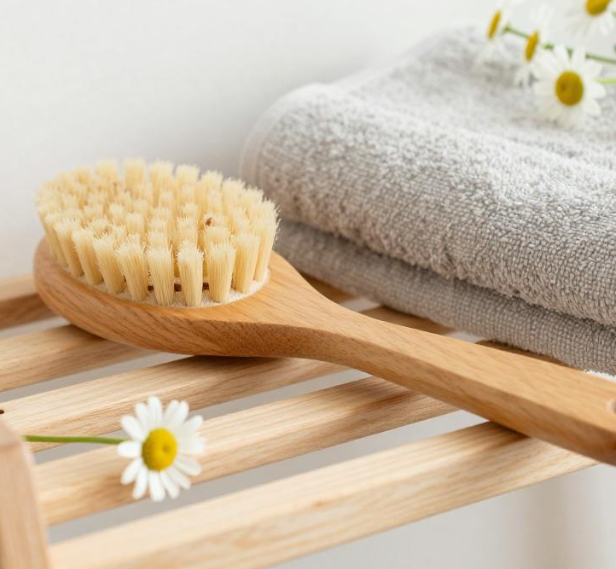
Exfoliation Methods Comparison
Different exfoliation methods vary in intensity, evidence base, and suitability for different skin types[reference:11].
Dry brushing is considered one of the most superficial exfoliation methods[reference:12]
Content
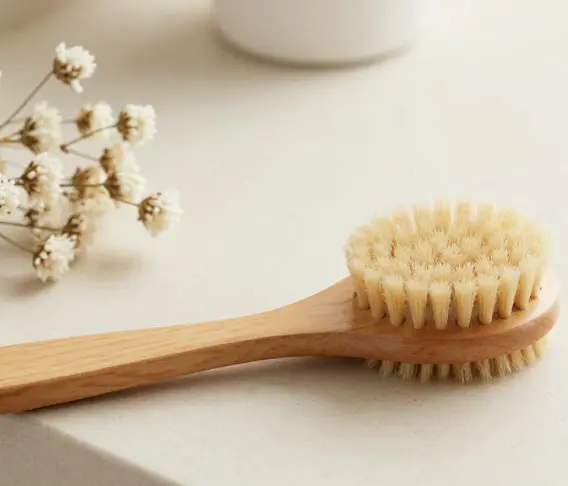
Yes, a handheld bath brush can improve skin health. The primary benefits are mechanical exfoliation and temporary circulation stimulation. Using a bath brush 2-3 times per week removes dead skin cells, which can make your skin feel smoother and may help skincare products absorb more effectively. However, many popular claims—such as permanent cellulite reduction or systemic detoxification—lack scientific support[reference:0][reference:1].
This guide examines what science says about bath brushes, compares different bristle types, and provides practical advice for incorporating this tool into your routine. Whether you are considering a handheld bath brush for daily use or exploring options from a handheld bath brush manufacturer, understanding the evidence helps you make informed decisions.
While some claims remain unproven, several benefits of using a bath brush are supported by dermatological understanding and user experience.
The stiff bristles of a bath brush physically remove dead corneocytes from the skin's surface[reference:2]. This reveals smoother skin underneath and can improve skin texture[reference:3]. The skin naturally sheds approximately 30,000 to 40,000 cells per day[reference:4], and brushing assists this process.
The friction from brushing increases blood flow to the skin's surface[reference:5]. This creates a temporary plumping effect and gives the skin a radiant glow[reference:6]. However, this effect typically subsides within a few hours[reference:7].
By removing the barrier of dead skin cells, a bath brush allows moisturizers and other skincare products to penetrate more effectively[reference:8]. This can enhance the benefits of your existing skincare routine.
The brushing motion may help move lymph from peripheral nodes toward central ducts[reference:9]. However, researchers note that controlled studies have not demonstrated meaningful systemic lymphatic stimulation through dry brushing[reference:10].
Different exfoliation methods vary in intensity, evidence base, and suitability for different skin types[reference:11].
Dry brushing is considered one of the most superficial exfoliation methods[reference:12]
The effectiveness and comfort of a handheld bath brush depend largely on bristle type and firmness. Different options suit different skin types and preferences.
| Bristle Type | Best For | Key Characteristics |
|---|---|---|
| Natural (Boar, Sisal, Cactus) | Most skin types; gentle exfoliation | Softer on skin; better for frequent use[reference:13] |
| Nylon (Synthetic) | Budget-conscious users | Lower cost; more likely to irritate sensitive skin[reference:14][reference:15] |
| Silicone | Sensitive skin; easy cleaning | Flexible, hypoallergenic, quick-drying[reference:16][reference:17] |
| Firm Bristles | Oily or tough skin; experienced users | Maximum stimulation; may irritate sensitive areas[reference:18] |
| Soft Bristles | Beginners; sensitive or delicate skin | Gentlest option; suitable for chest and stomach[reference:19] |
When selecting a handheld bath brush, consider your skin sensitivity. Natural bristle bath brush options are often recommended for their balance of effectiveness and gentleness[reference:20].
Based on user reviews and dermatologist recommendations, natural bristles remain the most popular choice for handheld bath brushes[reference:21].
Natural bristles are preferred by most users for their balance of exfoliation and gentleness
Understanding the limitations of a handheld bath brush helps set realistic expectations. Here is what science says about common claims.
Dermatologists classify dry brushing as a low-intensity cosmetic exfoliation ritual rather than a therapeutic intervention[reference:33].
The skin naturally regenerates over a period of approximately 28 to 40 days[reference:34]. A handheld bath brush assists in removing dead cells that would otherwise linger on the surface.
A handheld bath brush accelerates the removal of dead skin cells at the surface
Proper technique maximizes benefits while minimizing the risk of skin irritation. Follow these steps for safe and effective use of your handheld bath brush.
A typical dry brushing session takes three to five minutes[reference:43]. Beginners should start with 1-2 times per week and gradually increase to 2-3 times per week as skin adjusts[reference:44].
The ideal frequency depends on your skin type and sensitivity. Over-brushing can cause irritation[reference:45].
Start with 1-2 sessions per week and adjust based on your skin's response[reference:46]
While generally safe, using a handheld bath brush requires some precautions to avoid skin damage or irritation.
If redness, tightness, or stinging occurs, reduce frequency until the skin has healed[reference:56].
Sustainability is increasingly important to consumers. Many handheld bath brush manufacturer companies now offer environmentally conscious options.
Bamboo is a renewable resource that grows quickly without pesticides[reference:57]. A bamboo bath brush manufacturer typically offers durable, lightweight options that are biodegradable.
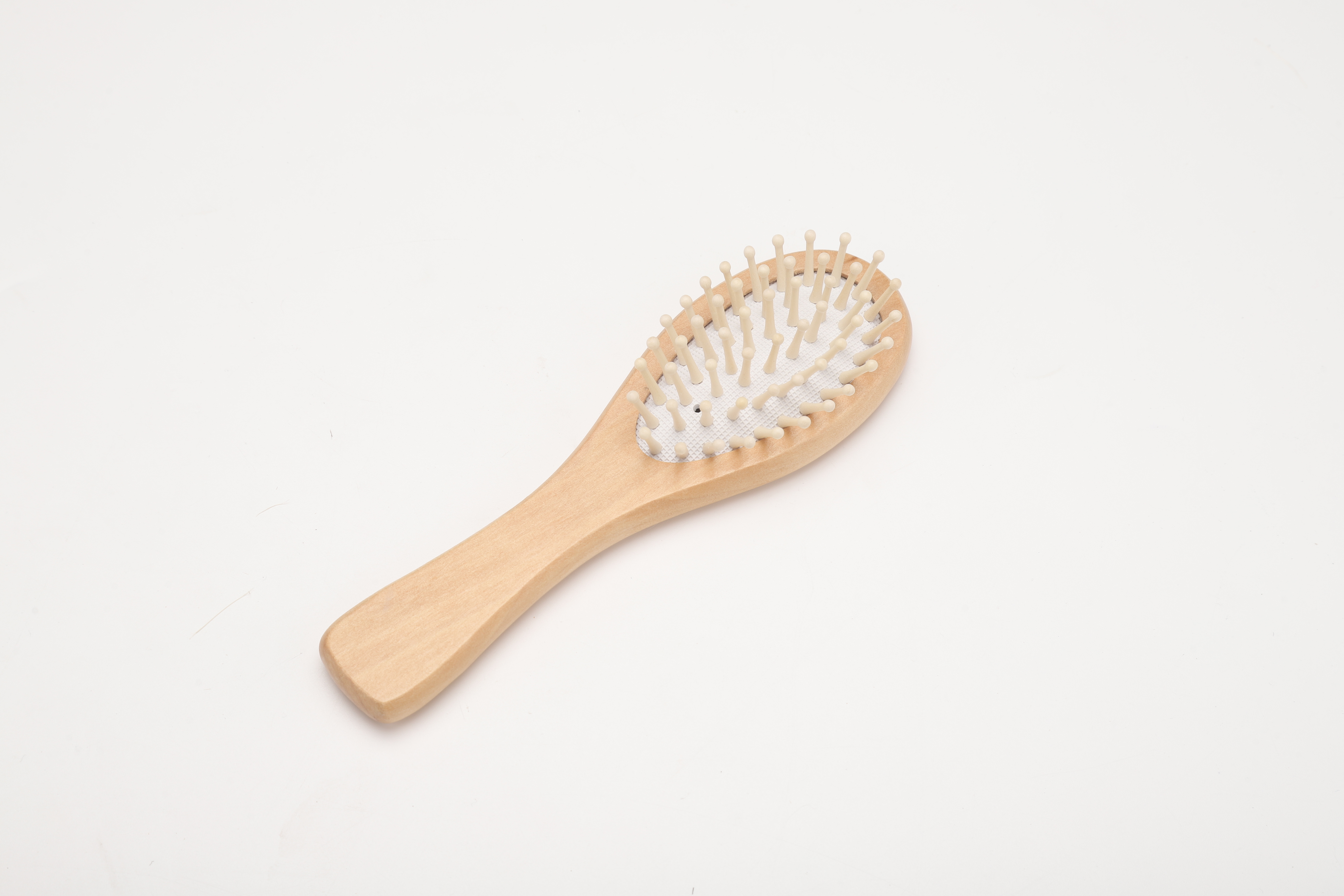
Wooden handles provide a natural, comfortable grip. Many wooden bath brush wholesale options feature sustainably sourced wood.
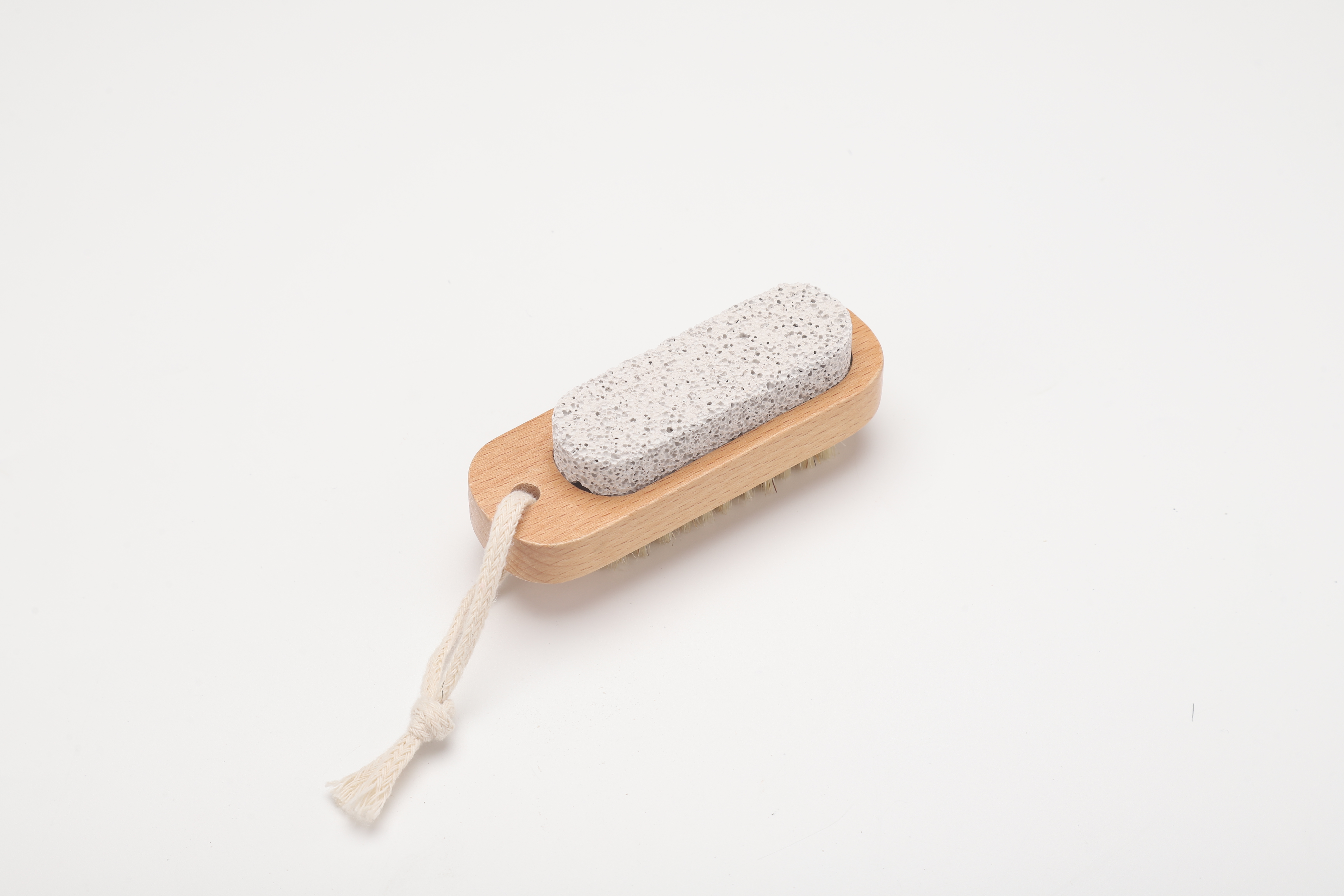
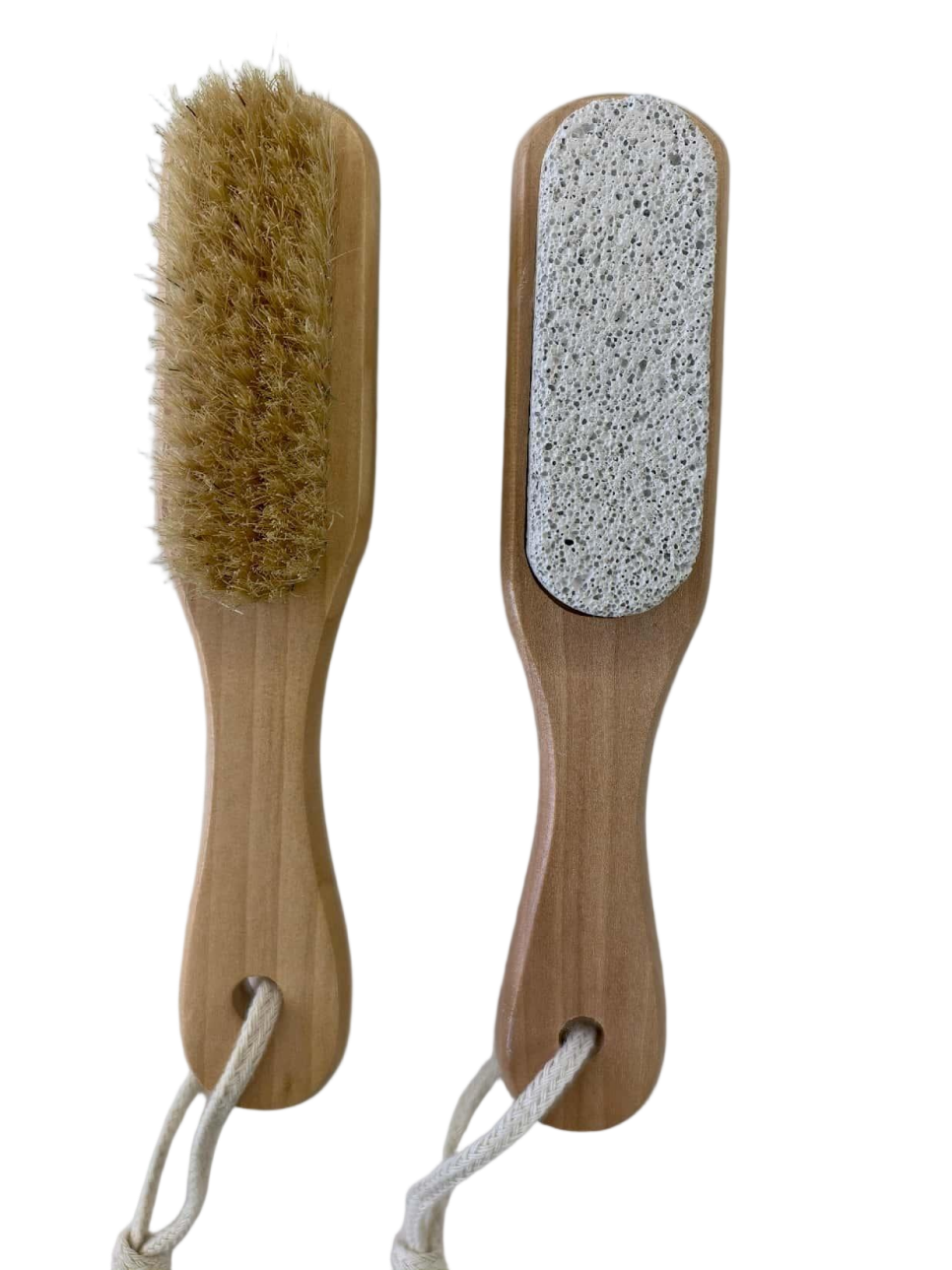
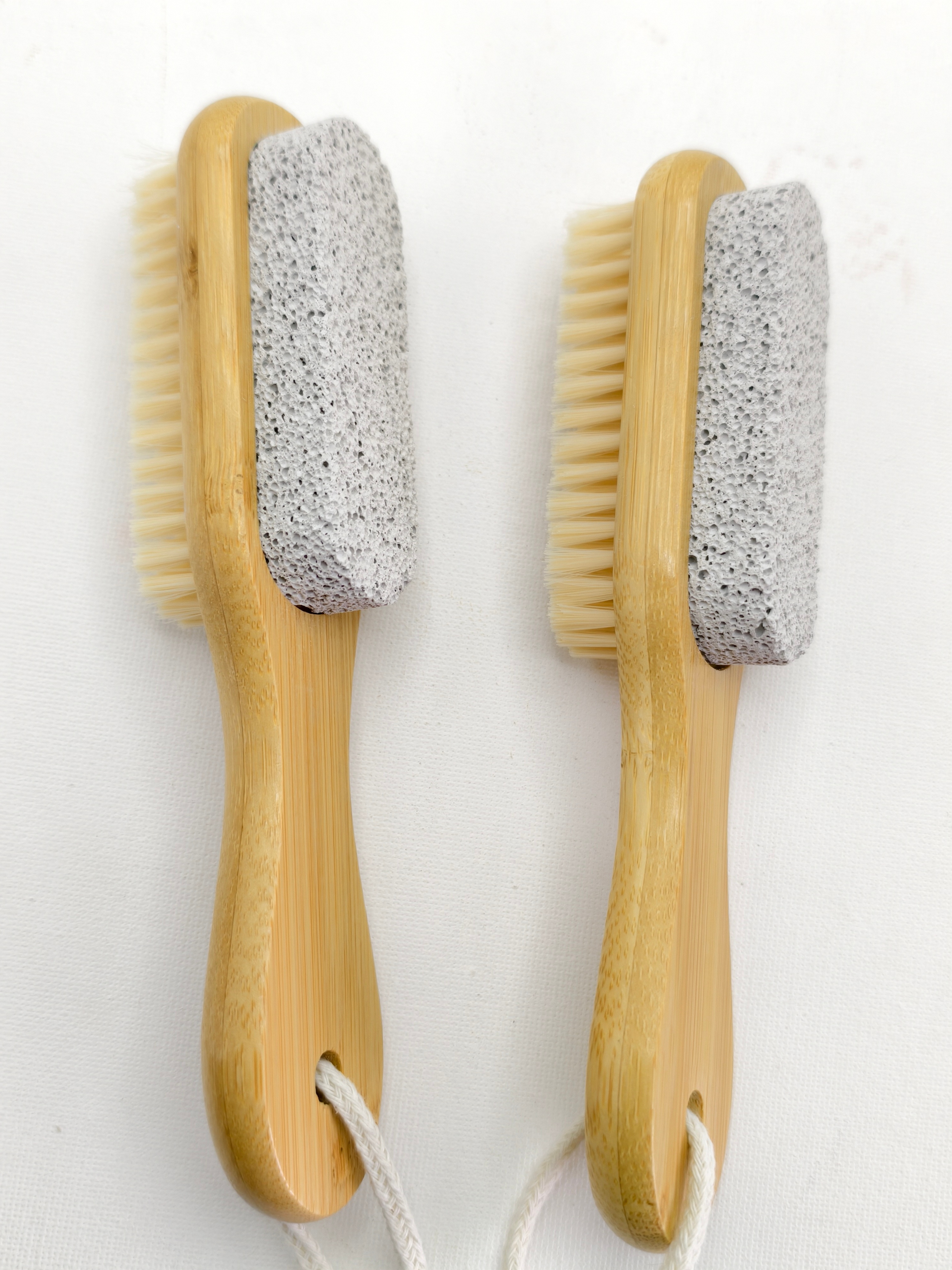
Natural bristles from boar, sisal, or cactus are biodegradable and renewable. A natural bristle bath brush offers effective exfoliation without synthetic materials[reference:58].
Businesses seeking OEM bath brush or custom bath brush solutions can work with manufacturers to create private label bath brush products that meet specific sustainability criteria.
For businesses, working with a handheld bath brush supplier that prioritizes sustainable materials can enhance brand reputation and meet customer expectations for eco friendly bath brush products.
Ningbo Kafete Daily Necessities Co., Ltd. was established in 2017 and is located in Cixi, Zhejiang, China. The company is a professional enterprise specializing in the research, development, production, and sales of bath brushes, brushes, wood plastic brushes, massagers, and other bath and beauty products.
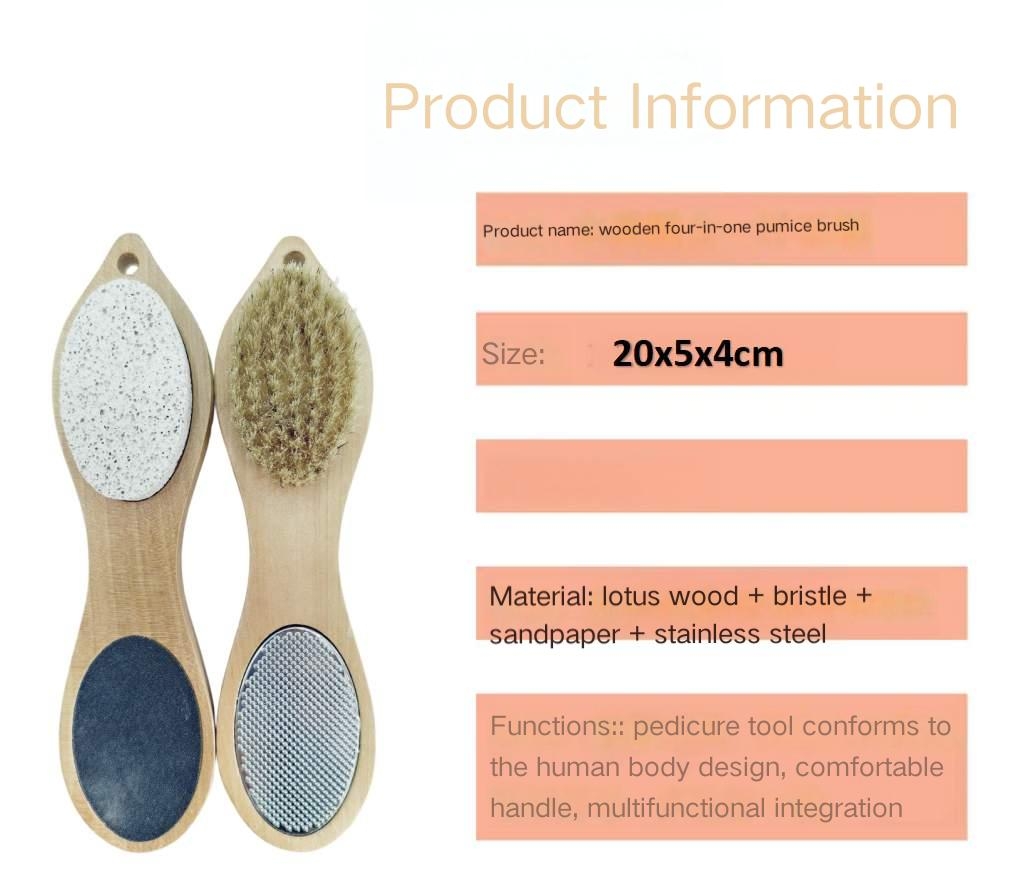
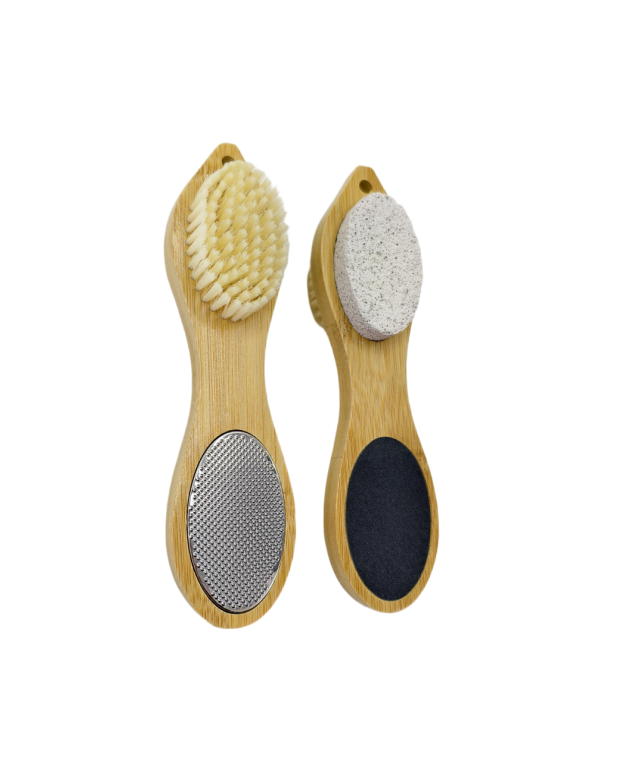
Kafete's products feature solid wood handles, compact sizes suitable for various skin types, comfortable slip-resistant grips that fit snugly in the palm. The brushes support both wet and dry use, provide rich foaming, deep cleaning, and a comfortable massaging sensation that helps remove dirt and exfoliate the skin.
As a professional bamboo handheld bath brush manufacturer and wood handheld bath brush factory, Kafete has won customer trust with high-quality, cost-effective products. The company's products have been exported to over 40 countries worldwide, primarily sold to the United States, Europe, and Japan.
Kafete serves global customers with dedication, offering custom bath brush and eco friendly bath brush solutions. Whether you need a bamboo bath brush manufacturer for wholesale orders or a handheld bath brush supplier for retail partnerships, Kafete provides quality products and reliable service.
Q1: What is a handheld bath brush used for?
A handheld bath brush is used for exfoliating the skin, removing dead skin cells, and stimulating circulation. It can be used wet in the shower or dry before bathing[reference:59].
Q2: How often should you use a bath brush?
Most experts recommend using a bath brush 2 to 3 times per week. Beginners should start with once a week and gradually increase[reference:60][reference:61].
Q3: Is dry brushing good for your skin?
Yes, dry brushing can improve skin texture through mechanical exfoliation. However, it is not a cure for cellulite or other skin conditions[reference:62][reference:63].
Q4: Does a bath brush remove dead skin?
Yes. The bristles of a bath brush physically remove dead corneocytes from the skin's surface, revealing smoother skin underneath[reference:64].
Q5: Can a bath brush help with cellulite?
No. There is no scientific evidence that bath brushing reduces or eliminates cellulite. Any temporary improvement is due to increased blood flow[reference:65][reference:66].
Q6: How do you clean a bath brush?
Wash your bath brush weekly with mild soap and warm water. Allow it to air-dry thoroughly to prevent bacterial or fungal growth[reference:67].
Q7: How long does a bath brush last?
A bath brush typically lasts 6 to 12 months with regular use. Replace it when bristles become worn or no longer stand upright[reference:68].
Q8: Are wooden bath brushes hygienic?
Yes, when properly maintained. Wooden handles should be kept dry between uses, and the brush should be cleaned weekly to prevent bacterial growth[reference:69].
Q9: Which bristles are best?
Natural bristles (boar, sisal, cactus) are generally recommended for most skin types. They are gentler than nylon and provide effective exfoliation[reference:70][reference:71].
Q10: Can you use a bath brush every day?
Daily use is not recommended for most people. Over-brushing can cause irritation and disrupt the skin's protective barrier. 2-3 times per week is sufficient[reference:72].

For exclusive deals and the latest offers, sign up by entering your email address below.

 Room 1-4, Building 12, Jinyuan (Xinpu) Innovation Industrial Park, No. 2 Wei'er Road, Rongyu Village West Industrial Zone, Xinpu Town - 315322cixi City Zhejiang Province - China
 coffee.ho@kftbath.com
 +86-0574-63557288
 +86-0574-63557566
Copyright © Ningbo Kafete Daily Necessities Co., Ltd. All Rights Reserved.

.png "mini bamboo nail brush")
.jpg "long handle loofa bath brush")
.jpg "long handle loofa bath brush")