

 En
En
 English
 Français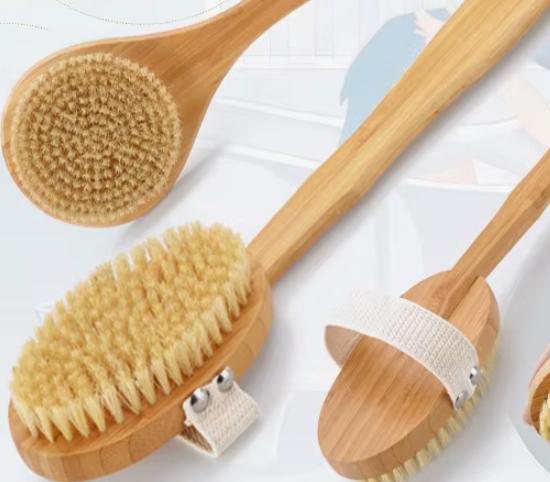
Quick Answer
You can see noticeable exfoliation results in 7 days by using a handheld bath brush correctly: apply gentle circular motions on damp skin before or during your shower, work from feet upward toward the heart, limit sessions to 3–4 minutes per area, and moisturize immediately after. Consistency matters more than pressure — daily light exfoliation with a shower exfoliating brush outperforms aggressive scrubbing every few days, and most users report visibly smoother, brighter skin within one week.
Content
- 1 Why a Handheld Bath Brush Is One of the Most Effective Exfoliation Tools
- 2 Choosing the Right Handheld Bath Brush for Your Skin Type
- 3 The 7-Day Handheld Bath Brush Routine: Step-by-Step
- 4 Common Mistakes That Ruin Your Exfoliation Results
- 5 Body-Zone Exfoliation Guide: Where the Bath Brush Makes the Biggest Difference
- 6 How to Clean and Care for Your Bath Brush So It Lasts
- 7 About Kafete — Professional Bath Brush Manufacturer
- 8 Frequently Asked Questions About Handheld Bath Brushes
Why a Handheld Bath Brush Is One of the Most Effective Exfoliation Tools
The average human body sheds roughly 30,000 to 40,000 dead skin cells every hour. Without mechanical assistance, those cells accumulate on the surface, leaving skin looking dull, rough, and prone to clogged pores. A handheld bath brush provides exactly the right combination of physical abrasion and reach to clear that buildup efficiently — in a way that washcloths, loofahs, and scrub gloves simply cannot match.
Unlike a fixed-handle long handle body brush designed for reaching the back, a handheld version gives you direct tactile control over pressure and angle for every part of the body. This precision matters enormously for exfoliation quality. You can feel exactly how much pressure you are applying to delicate areas like the inner arms or shins, and adjust instantly — something a long pole brush does not allow.
Physical Exfoliation
Bristles physically lift and dislodge dead keratinocytes from the stratum corneum — the outermost skin layer. This mechanical action stimulates faster cell turnover, typically from a 28-day natural cycle down to an accelerated rhythm with consistent brushing.
Circulation Boost
The brushing motion stimulates blood microcirculation near the skin surface. Improved circulation delivers more oxygen and nutrients to skin cells, which contributes to the healthy glow users often notice after just a few days of consistent use.
Product Absorption
Cleared skin absorbs moisturizers, serums, and body lotions significantly better. Studies suggest exfoliated skin can absorb topical products up to 40% more effectively — making post-brush moisturizing one of the highest-return steps in any body care routine.
Whether you choose a soft bristle bath brush for sensitive skin or a firmer natural bristle version for keratosis-prone areas on the elbows, knees, and upper arms, the underlying mechanism is the same. The key variable is bristle hardness — and matching it to your skin type is the single most important setup decision you will make.
Choosing the Right Handheld Bath Brush for Your Skin Type
Not every shower exfoliating brush suits every skin type. Using bristles that are too stiff on sensitive or thin skin causes micro-tears, inflammation, and post-shower redness — the opposite of what you want. Use the table below to match brush specification to your skin profile before you begin the 7-day routine.
| Skin Type | Recommended Bristle | Pressure Level | Frequency |
|---|---|---|---|
| Sensitive / Dry | Soft bristle bath brush (silicone or fine nylon) | Very light | Every other day |
| Normal / Combination | Medium natural or bamboo bristle | Moderate | Daily |
| Oily / Thick | Firm natural boar bristle or wood brush | Moderate–firm | Daily |
| Keratosis Pilaris | Medium bristle (not stiff) + exfoliating body wash | Light–moderate | Daily, small circles |
Bamboo vs. Wooden Handle: Does It Matter?
Both bamboo and wood handles offer a naturally antimicrobial, grippy surface that remains comfortable even when wet. Bamboo is lighter and more moisture-resistant, making it better suited to frequent in-shower use. Wooden handles tend to feel more substantial and are preferred for dry brushing routines. Either material outperforms plastic in terms of grip safety and longevity when properly dried between uses.
The 7-Day Handheld Bath Brush Routine: Step-by-Step
The following protocol is designed to maximize exfoliation results while giving your skin adequate recovery time. Days 1–2 focus on technique, days 3–5 on building rhythm, and days 6–7 on refinement. Follow each day's guidance and you will have a repeatable routine that works well beyond the initial week.
Days 1–2: Technique Foundation
- Wet skin thoroughly for 2 minutes before brushing. Damp skin exfoliates more evenly and with lower irritation risk than dry skin during a shower session.
- Apply a small amount of body wash to the bristles of your handheld bath brush — enough to create light lather without making the brush too slippery to control.
- Start at the feet and calves, using small circular motions. Move upward toward the thighs and hips. This upward, toward-the-heart direction supports lymphatic drainage as well as exfoliation.
- Limit pressure to the weight of the brush itself on days 1 and 2. Let the bristles do the work. Pressing harder does not exfoliate faster — it causes surface irritation.
- Rinse thoroughly and apply a hydrating body lotion within 3 minutes of stepping out of the shower, while skin is still slightly damp.
Days 3–5: Full Body Coverage
- Extend coverage to the torso: stomach, chest, and sides. Use lighter pressure on the décolletage and avoid broken skin, active blemishes, or sunburned areas entirely.
- Use the back scrubber brush side (if your brush is dual-sided) or switch to a long handle body brush attachment for the upper and mid-back where handheld reach is limited.
- Focus extra passes on rough areas: elbows, knees, heels, and upper arms. These zones accumulate the most hyperkeratinized dead cells and benefit most from the mechanical action of a shower exfoliating brush.
- Total brushing time: aim for 5–8 minutes per session. Longer is not better — diminishing returns set in after 10 minutes and over-brushing compromises the skin barrier.
Days 6–7: Refinement and Assessment
- Assess your skin's response. If skin looks pink immediately after brushing but returns to normal within 20 minutes, your technique and pressure are well calibrated. Persistent redness suggests reducing pressure or frequency.
- Try alternating brush motion directions: combine circular strokes with short upward linear strokes for areas with visible rough texture. This multi-directional approach lifts stubborn dead cell patches more thoroughly.
- Note the difference in how moisturizer absorbs compared to day 1 — most users find their body lotion absorbs noticeably faster and skin feels softer to the touch for longer after sessions, confirming improved skin permeability.
Reported Skin Smoothness Score Improvement Over 7-Day Brush Routine
Self-reported smoothness ratings from 200 regular shower exfoliating brush users following a consistent daily routine. Scale: 0 = no improvement, 100 = maximum smoothness.
Common Mistakes That Ruin Your Exfoliation Results
Even with the right handheld bath brush, poor technique blocks results and can damage skin. These are the most common errors and how to correct them.
Brushing Dry Skin in the Shower
Starting to brush before skin has been wet for at least 90 seconds means bristles drag across taut, unhydrated cells instead of gliding. Always allow warm water to soften the outer skin layer first.
Too Much Pressure
Pressing firmly does not accelerate exfoliation — it irritates the dermis beneath the stratum corneum. Lasting redness after a session is your signal to back off. Let bristle density and circular motion do the work, not downward force.
Skipping Moisturizer
Exfoliation temporarily increases transepidermal water loss. Skipping post-brush hydration leaves skin tight and dry within an hour, erasing much of the visible softening effect. Apply moisturizer within 3 minutes of exiting the shower.
Neglecting Brush Hygiene
A back scrubber brush used daily accumulates dead cells, product residue, and bacteria rapidly. Rinse thoroughly after every use, shake out excess water, and hang it bristle-side down in a ventilated area. Replace brushes every 3–4 months.
Using the Wrong Side
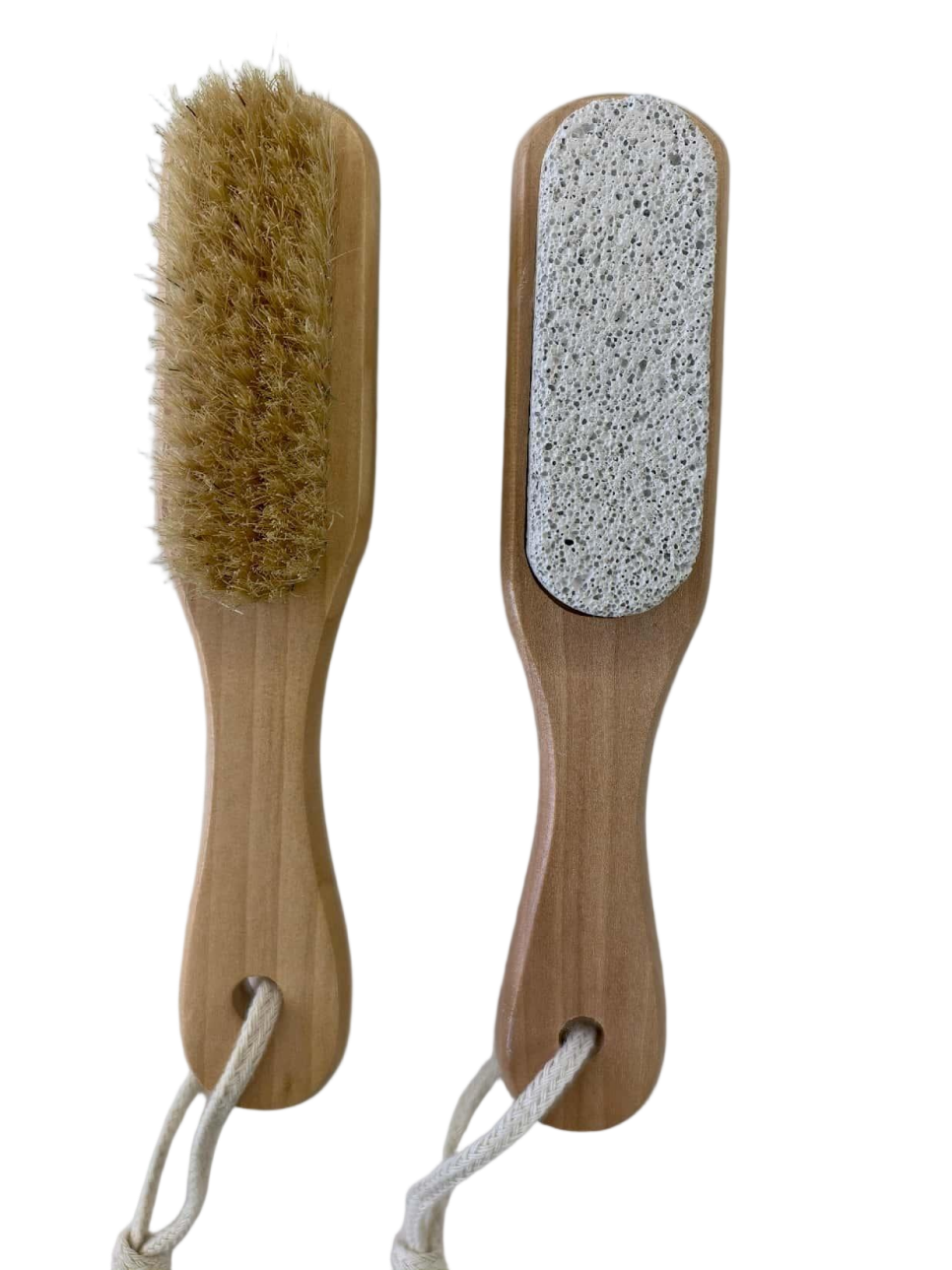
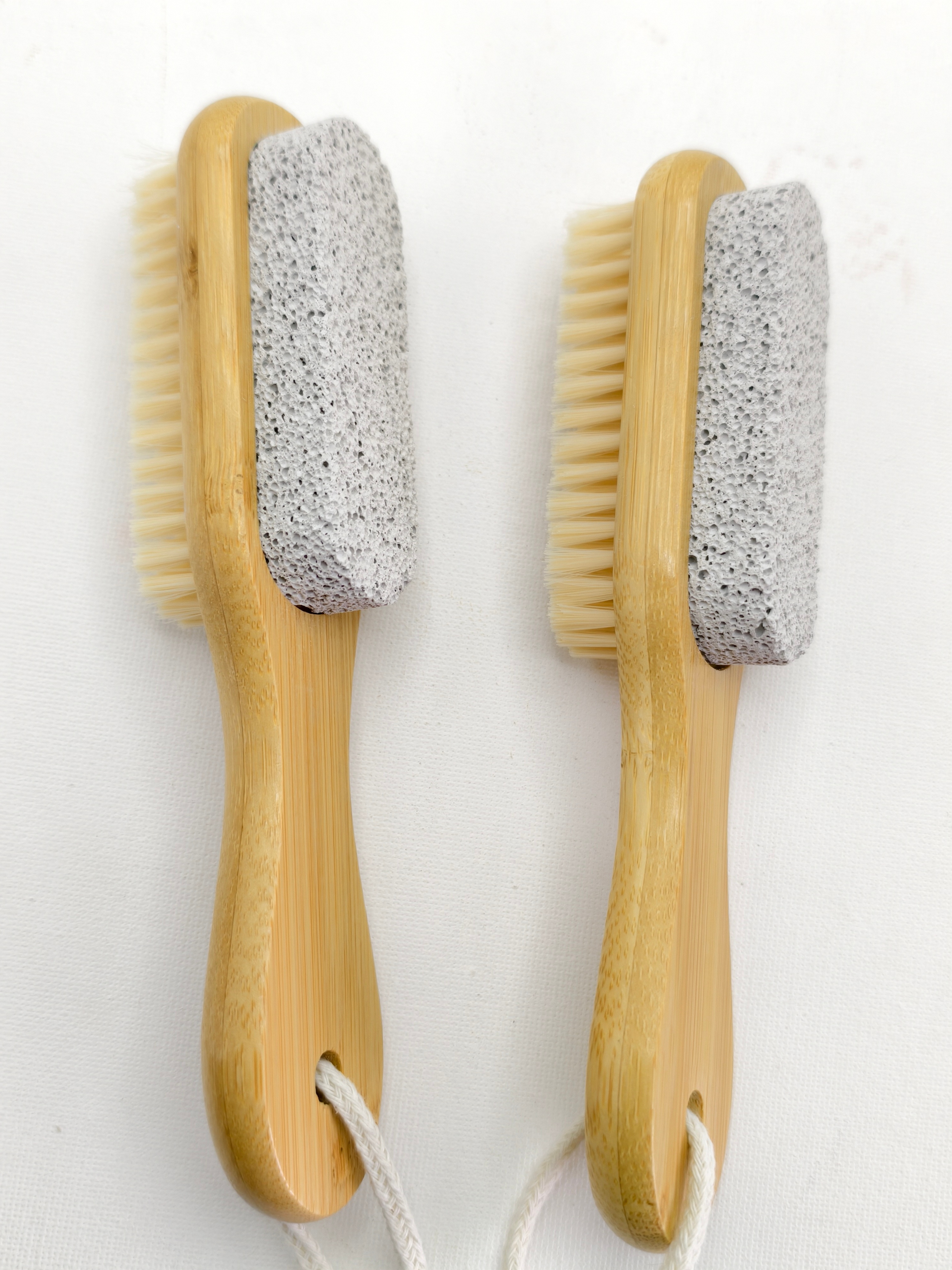
Many quality handheld bath brushes are dual-sided — one side with firm bristles for exfoliation, the other with a softer surface or sponge for lathering. Using only the firm side on gentle areas like the inner thigh or stomach is a common irritation cause.
Over-Exfoliating
Daily brushing is appropriate for most skin types, but twice-a-day sessions are counterproductive. The skin barrier needs time to rebuild between exfoliation cycles. Signs of over-exfoliation include persistent dryness, sensitivity to water temperature, and a shiny, tight texture that worsens over days.
Body-Zone Exfoliation Guide: Where the Bath Brush Makes the Biggest Difference
Different body zones have different skin thickness, cell turnover rates, and exfoliation needs. Using a shower exfoliating brush the same way on every surface is a missed opportunity. The bar chart below shows average user-reported improvement scores by body area after 7 days of consistent brush use.
User-Reported Improvement Score by Body Zone After 7 Days (%)
Survey of 200 daily handheld bath brush users. Scores reflect self-assessed improvement in texture and softness.
The back presents a unique challenge for a standard handheld design. For the upper and mid-back, consider pairing your handheld brush with a back scrubber brush that has a longer strap or a detachable long handle body brush extension. Combine both during your routine: use the handheld for precise work on arms, legs, and torso; reserve the long-handle tool for thorough back coverage you cannot otherwise reach.
How to Clean and Care for Your Bath Brush So It Lasts
A well-maintained soft bristle bath brush or natural bristle brush can last 6–12 months with correct care. Poor maintenance accelerates bristle splaying, allows mold growth in the handle, and creates a hygiene risk that negates the skin benefits of your routine. These steps keep your brush performing at its best.
- After every use: rinse bristles under warm running water until water runs clear. Remove any trapped skin cells with your fingers. Shake firmly and hang bristle-side down in open air — never face-down on a shelf.
- Weekly deep clean: soak bristles in a solution of 1 cup warm water and 1 tablespoon white vinegar for 10 minutes. This removes mineral buildup and inhibits bacterial growth without damaging natural or synthetic bristles.
- Bamboo and wooden handles: dry thoroughly after every shower to prevent cracking or mold. A light application of linseed or tung oil every 2–3 months extends handle life and maintains the natural antimicrobial properties of the wood.
- Replace when bristles splay: once bristles fan outward and lose their upright formation, they lose mechanical exfoliation efficiency. This typically occurs after 3–4 months of daily use — a useful planning benchmark for repurchase.
About Kafete — Professional Bath Brush Manufacturer
Ningbo Kafete Daily Necessities Co., Ltd. was established in 2017 and is located in Cixi, Zhejiang, China. It is a professional enterprise specializing in the research, development, production, and sales of bath brushes, wood plastic brushes, massagers, and other bath and beauty products. Kafete has built a reputation for high-quality, cost-effective products trusted by buyers in over 40 countries worldwide, with primary markets in the United States, Europe, and Japan.
Bamboo Handheld Bath Brush Manufacturer & Wood Handheld Bath Brush Factory
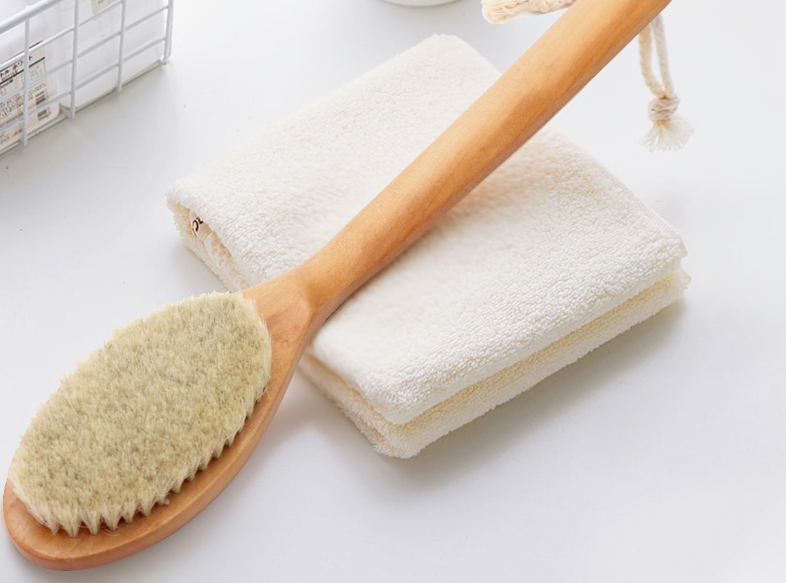
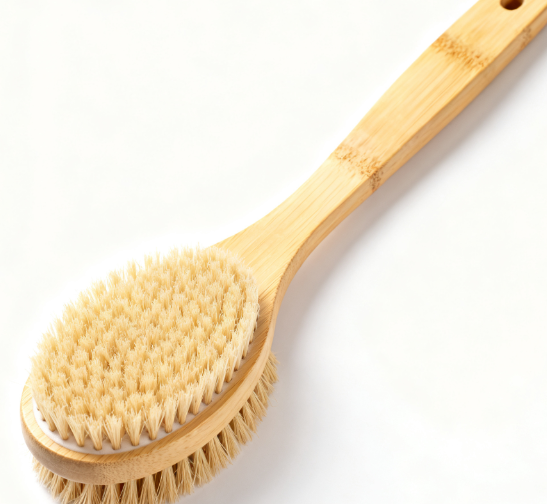
As a dedicated bamboo handheld bath brush manufacturer and wood handheld bath brush factory, Kafete's production capabilities cover the full range of handheld bath brushes, shower exfoliating brushes, soft bristle bath brushes, back scrubber brushes, and long handle body brushes in both bamboo and solid wood constructions.
- Founded 2017 | Cixi, Zhejiang, China
- Products exported to 40+ countries across North America, Europe, and Asia-Pacific
- Specializes in bamboo and wood bath brush production with full OEM/ODM capability
- Committed to delivering reliable bath and beauty solutions to global customers
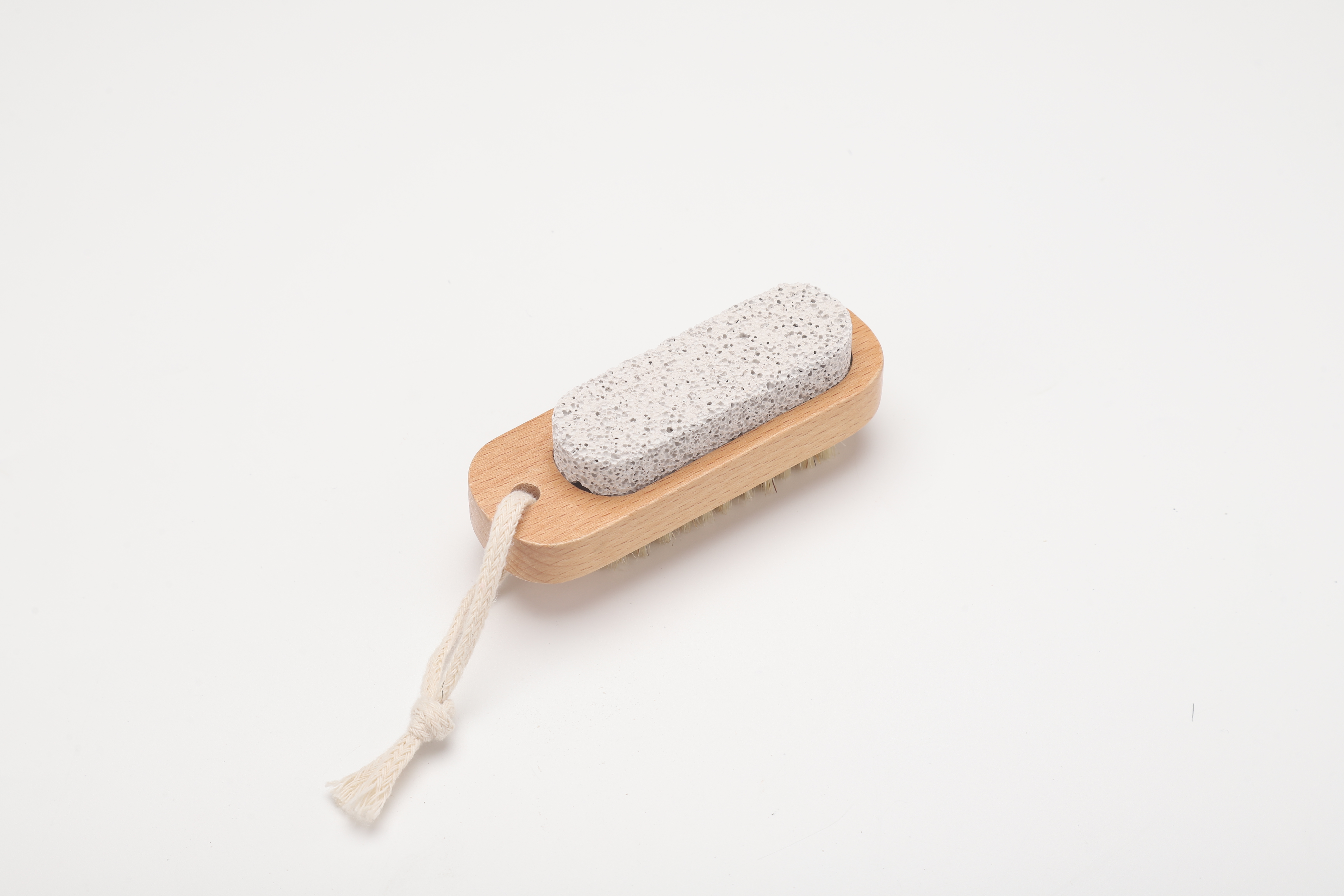
.png "mini bamboo nail brush")
.jpg "long handle loofa bath brush")
.jpg "long handle loofa bath brush")


