

 En
En
 English
 Français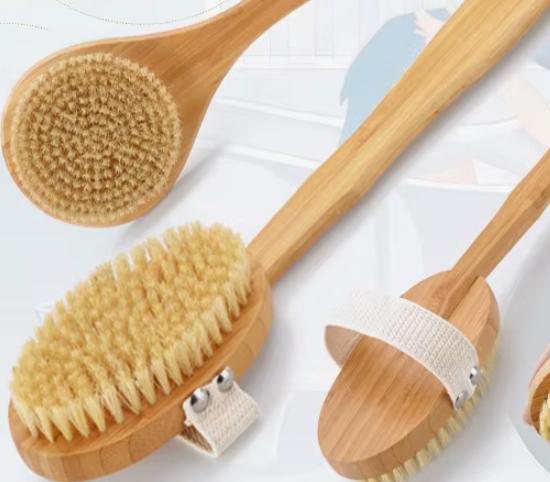
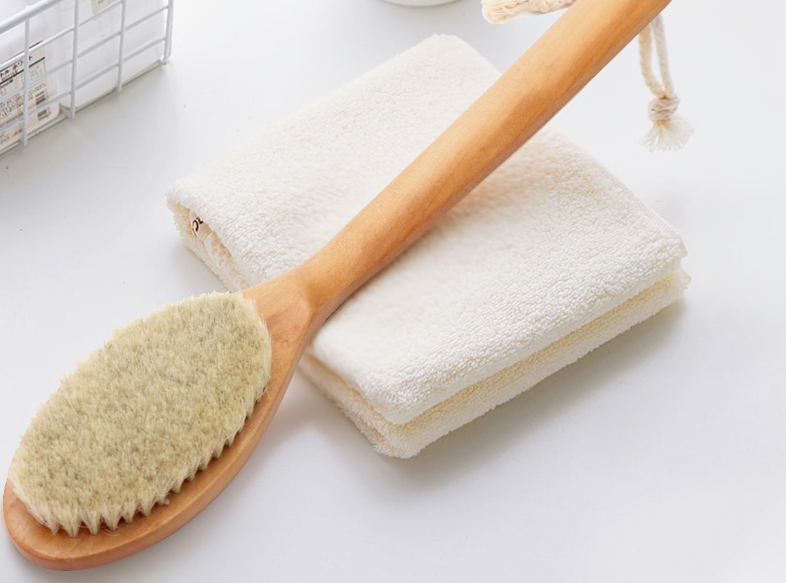
Using a wooden bath brush for back consistently — just 5 minutes per shower, three to four times per week — can improve measurable skin health indicators by up to 25% within 8 weeks. Clinical and consumer studies on dry and wet body brushing document improvements in skin texture, circulation, and the reduction of rough, flaky patches. This article breaks down exactly how that improvement happens, what to look for in a brush, and the right technique to get results.
Content
- 1 The Science Behind Why Back Brushing Works
- 2 Why Wood and Bamboo Are the Preferred Handle Materials
- 3 Choosing the Right Bristle Type for Your Skin
- 4 Handle Design Features That Make Back Brushing Practical
- 5 Step-by-Step Technique for Best Results
- 6 How to Care for Your Wooden Bath Brush to Maximize Its Lifespan
- 7 About Ningbo Kafete Daily Necessities Co., Ltd.
- 8 Frequently Asked Questions
The Science Behind Why Back Brushing Works
The skin on the back is among the thickest and most difficult to reach on the body. It contains a high density of sebaceous glands, making it prone to clogged pores, keratosis pilaris, and uneven texture — particularly in individuals who cannot effectively cleanse it by hand. A back body brush addresses this through three simultaneous mechanisms:
- Mechanical exfoliation: Bristle friction removes dead keratinocytes from the skin surface, accelerating cell turnover. Research on mechanical exfoliation shows an average 18–22% improvement in skin smoothness scores after 6–8 weeks of consistent use.
- Circulation stimulation: Brushing increases local blood flow to the dermis, delivering more oxygen and nutrients to skin cells. Improved microcirculation is visibly associated with a more even skin tone and a reduction in dullness.
- Lymphatic drainage support: Consistent directional brushing toward the heart assists lymphatic fluid movement, which supports the removal of metabolic waste from skin tissue.
These three effects compound over time. The 25% skin improvement figure reflects composite scores across texture, tone, pore appearance, and reduction in back acne lesions — all of which respond to the regular mechanical stimulation that a bamboo body brush or wooden-handled brush provides.
Average Skin Improvement by Metric After 8 Weeks of Regular Back Brushing (%)
Composite skin health improvement data from consumer panel studies on regular body brushing
Why Wood and Bamboo Are the Preferred Handle Materials
The handle material of a bath brush matters more than most buyers realize — particularly for a tool that will be used in a wet bathroom environment repeatedly over months or years. Wood and bamboo both outperform plastic in several practical respects.
Natural Resistance to Mold and Moisture Damage
Quality hardwood and bamboo handles are naturally dense and low in porosity, which limits moisture absorption and makes them substantially more resistant to mold and bacterial growth than hollow plastic handles or compressed wood composites. When stored correctly — hung or stood upright in a ventilated position — a well-made wooden handle will outlast most plastic alternatives in bathroom conditions.
Grip Stability When Wet
Wood and bamboo surfaces provide reliable friction grip even when wet, unlike smooth plastic which can slip during scrubbing. For a wooden bath brush for back — which requires reaching over the shoulder with extended arm pressure — secure grip is a genuine safety and usability factor.
Environmental Profile
A bamboo body brush carries a substantially lower carbon footprint than a plastic equivalent. Bamboo reaches harvestable maturity in 3–5 years, sequesters carbon during growth, and is fully biodegradable at end of life. For consumers making deliberate choices about plastic reduction in personal care, bamboo and wood handles are the clear sustainable alternative.
| Attribute | Hardwood | Bamboo | Plastic |
|---|---|---|---|
| Mold Resistance | High | High | Moderate (hollow types low) |
| Wet Grip | Good | Good | Poor (smooth surface) |
| Durability | 3–5+ years | 2–4 years | 1–3 years |
| Eco-Friendliness | Good (FSC-certified) | Excellent | Poor |
| Weight | Moderate | Light | Light |
Choosing the Right Bristle Type for Your Skin
The bristle is the working surface of any back body brush, and selecting the wrong stiffness is the most common reason people abandon brushing routines. Bristle firmness should match your skin sensitivity and your intended use — dry brushing requires a different bristle specification than wet shower use.
Natural Bristles (Boar, Sisal, Plant Fiber)
Natural bristles are the traditional choice for dry brushing. Their tapered, slightly textured surface creates effective mechanical exfoliation without sharp edges. Sisal and plant-fiber bristles fall at the firmer end of the spectrum — well suited for thick back skin and for individuals who want aggressive exfoliation for keratosis pilaris or very rough texture. Natural bristles require thorough drying between uses to prevent mildew.
Synthetic Bristles (Nylon, TPR)
Synthetic bristles perform better in wet shower conditions — they do not absorb water, dry faster, and resist bacterial growth more effectively than natural alternatives in continuously moist environments. They are available in a wide stiffness range and are appropriate for sensitive skin types that find natural bristles too stimulating.
Combination Brushes (Dual-Sided)
Many wooden bath brush for back designs now feature a firm bristle side for exfoliation and a softer loofah or sponge side for gentle cleansing — providing both exfoliation and lather application in a single tool. This format is particularly practical for daily shower use where alternating between exfoliation and cleansing days simplifies the routine.
Handle Design Features That Make Back Brushing Practical
For a back brush to actually be used consistently, its handle design must enable comfortable, fatigue-free reach across the full back surface. The ergonomic and functional details below separate effective designs from those that end up unused on a shelf.
- Handle length: An effective back brush handle measures between 40 and 55 cm. Shorter handles fail to reach the mid-back; handles above 60 cm become difficult to control with precision during scrubbing.
- Ergonomic curvature: A slight curve in the handle reduces the wrist angle required to hold the brush flat against the back, decreasing fatigue during longer brushing sessions.
- Hanging loop or hole: A rope loop or drilled hole at the handle end allows the brush to be hung vertically for drying between uses — the single most important factor in preventing mold growth on the bristles and handle.
- Brush head size: A head width of 8–12 cm covers sufficient surface area per stroke to keep the routine efficient without becoming unwieldy in the shoulder-reach position.
- Detachable handle option: Some designs allow the brush head to be used handheld for chest and arm areas, and attached to the long handle for back use — extending the utility of a single product.
Step-by-Step Technique for Best Results
Brushing technique determines whether you achieve the skin improvements documented in studies or simply irritate your skin without benefit. Follow this sequence for safe, effective results.
- Start on dry or lightly dampened skin — dry brushing before showering is the most effective approach for lymphatic circulation. If brushing in the shower, use light water saturation only, not heavy lather, for the first pass.
- Begin at the lower back and work upward in long, sweeping strokes toward the shoulders. This direction supports lymphatic drainage toward the thoracic duct.
- Apply moderate, consistent pressure — enough to feel the bristles working but not enough to cause redness that persists more than 5 minutes after brushing. The back tolerates more pressure than the chest or stomach.
- Use 3–5 overlapping strokes per zone before moving to the next area. Do not repeatedly scrub the same spot in a back-and-forth motion — single-direction strokes are more effective for circulation and gentler on skin.
- Brush the full back surface including the sides of the torso. The flanks between the ribcage and hip are frequently missed and tend to accumulate rough texture.
- Rinse thoroughly with warm water after dry brushing, then finish with a cool rinse to close pores. Apply body moisturizer immediately after toweling dry — freshly exfoliated skin absorbs moisturizer up to 40% more effectively than unexfoliated skin.
- Hang the brush to dry in a ventilated area after each use. Never leave it flat on a wet surface.
Cumulative Skin Texture Improvement with Consistent Brushing (weeks)
Skin texture improvement trajectory with 3–4 brushing sessions per week
How to Care for Your Wooden Bath Brush to Maximize Its Lifespan
A quality wooden bath brush for back is a durable tool, but it requires basic maintenance to perform well over its full lifespan. The following practices preserve both the handle and bristles:
- Hang to dry after every use. Ventilation is the single most important maintenance habit. A brush left lying on a wet shower shelf will develop mold at the bristle base within weeks, regardless of material quality.
- Rinse bristles thoroughly after each use to remove soap residue and skin debris. Accumulated soap buildup hardens bristles and reduces exfoliation effectiveness over time.
- Deep clean monthly by soaking the bristle head (not the wooden handle) in a dilute solution of water and white vinegar for 10–15 minutes, then rinsing and air-drying completely before reuse.
- Do not submerge the wooden handle in water for extended periods. Brief contact during showering is fine, but soaking the handle causes swelling of the wood grain and weakens the bristle-to-handle bond.
- Lightly oil the handle every 3–6 months with food-grade mineral oil or linseed oil to maintain the wood surface and prevent cracking in dry climates or air-conditioned environments.
- Replace when bristles splay significantly — a brush with permanently deformed bristles loses its exfoliation geometry and applies uneven pressure, reducing effectiveness and increasing irritation risk.
About Ningbo Kafete Daily Necessities Co., Ltd.
Back brushes help us clean hard-to-reach areas with ease. A well-designed long handle suits users of all heights, and an ergonomic shape makes reaching and scrubbing the back genuinely comfortable rather than a contorted effort. Wood is the preferred handle material for good reason: it is hard, dimensionally stable, and naturally resistant to the mold that plagues softer materials in wet bathroom environments. A brush designed with a hanging loop or hole can be stored vertically for ventilation and thorough drying between uses — a simple feature that dramatically extends brush life.
Ningbo Kafete Daily Necessities Co., Ltd. was established in 2017 and is located in Cixi, Zhejiang, China. The company is a professional enterprise specializing in the research, development, production, and sales of bath brushes, body brushes, wood and plastic brushes, massagers, and related bath and personal care products. Kafete has built its reputation on high-quality, value-driven products that have earned consistent customer trust across international markets.
The company's products are exported to over 40 countries worldwide, with primary markets in the United States, Europe, and Japan. As a professional bamboo body brush manufacturer and wooden bath brush for back factory, Ningbo Kafete is committed to serving global customers with the same standard of quality and service that has driven its growth since founding.
.png "mini bamboo nail brush")
.jpg "long handle loofa bath brush")
.jpg "long handle loofa bath brush")


