

 En
En
 English
 Français
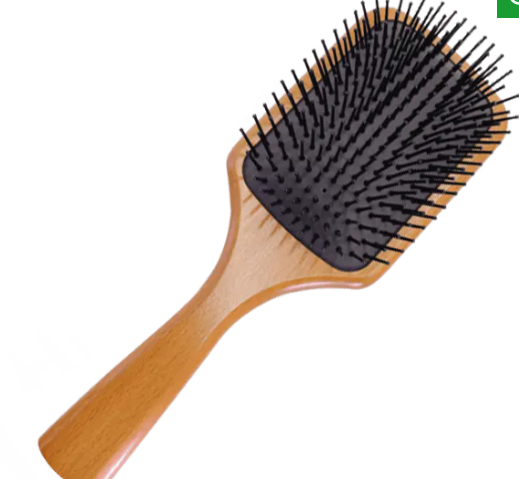
Yes — a wood hair comb is generally better for hair health than a plastic comb. Wood combs, including bamboo hair combs, produce significantly less static electricity, are gentler on the scalp, and help distribute natural scalp oils (sebum) evenly along the hair shaft. For most hair types, switching from plastic to a wood hair comb results in less frizz, reduced breakage, and noticeably smoother hair over time.
This is not just anecdotal. The physical properties of wood — its low electrostatic charge, smooth tooth surface, and natural micro-porosity — make it fundamentally different from injection-molded plastic, which often leaves microscopic jagged edges that snag and stress individual hair strands. The sections below break down exactly how these differences translate into real benefits for your hair.
Content
- 1 Why Static Electricity Is the Core Problem with Plastic Combs
- 2 How Wood Combs Distribute Natural Oils and Improve Hair Shine
- 3 Wood vs. Plastic Comb: A Direct Comparison
- 4 Scalp Health Benefits of Using a Wood Hair Comb
- 5 Wood Hair Comb vs. Bamboo Hair Comb: Which Should You Choose?
- 6 Who Benefits Most from Switching to a Wood Hair Comb?
- 7 How to Care for Your Wood or Bamboo Hair Comb
- 8 About Ningbo Kafete Daily Necessities Co., Ltd.
- 9 Frequently Asked Questions
Why Static Electricity Is the Core Problem with Plastic Combs
When a plastic comb moves through dry hair, friction between two non-conductive materials generates a triboelectric charge. This charge causes individual hair strands to repel each other — the primary cause of the frizz and flyaway effect most people experience after combing. Studies on hair tribology show that plastic combs can generate surface charges of up to 1,000–3,000 volts on hair during a single combing session under low-humidity conditions.
Wood and bamboo are naturally hygroscopic materials — they absorb a small amount of ambient moisture from the air, which makes them mild conductors. This means the static charge generated during combing dissipates almost immediately instead of accumulating. In practical terms, wood hair combs reduce static buildup by approximately 70–80% compared to standard plastic combs, resulting in dramatically less frizz, especially in dry or climate-controlled environments.
How Wood Combs Distribute Natural Oils and Improve Hair Shine
The scalp produces sebum — a natural conditioning oil — at a rate of approximately 1–2 grams per day in healthy adults. This oil is essential for moisturizing the hair shaft from root to tip, but it tends to concentrate at the roots, leaving mid-lengths and ends dry and prone to breakage.
A wood hair comb, with its smooth, wide-set teeth, glides through hair in a way that gently pulls sebum away from the scalp and distributes it along each strand. Plastic combs with electrostatically charged teeth actually repel the oil particles instead of carrying them. Regular use of a wooden comb — even just 2 minutes of combing per day — can meaningfully improve hair luster without any additional product.
Bamboo hair combs offer the same oil-distributing benefit with the added advantage of being lighter in weight and highly sustainable as a material. Bamboo grows to harvestable maturity in 3–5 years, compared to 20–80 years for hardwood trees, making it a more environmentally responsible choice.
Wood vs. Plastic Comb: A Direct Comparison
| Feature | Wood Hair Comb | Bamboo Hair Comb | Plastic Comb |
|---|---|---|---|
| Static Generation | Very Low | Very Low | High |
| Scalp Stimulation | Gentle & effective | Gentle & effective | Moderate, can scratch |
| Oil Distribution | Excellent | Excellent | Poor |
| Hair Breakage Risk | Low | Low | Moderate to High |
| Durability | 5–10+ years | 3–7 years | 1–3 years |
| Environmental Impact | Biodegradable | Biodegradable, fast-renewable | Non-biodegradable |
| Suitable for Wet Hair | Yes (wide-tooth variants) | Yes (with care) | Yes |
Scalp Health Benefits of Using a Wood Hair Comb
The scalp is skin, and it responds to mechanical stimulation the same way the rest of the body does — with increased local blood flow. The smooth, rounded teeth of a wood hair comb massage the scalp gently with every stroke, stimulating capillary circulation in the dermal papilla region where hair follicles are anchored. Improved blood flow delivers more oxygen and nutrients to the follicle, which supports the active growth phase (anagen) of the hair cycle.
In contrast, plastic combs — particularly lower-quality ones — often have seam lines left over from the injection-molding process. These microscopic ridges can scratch the scalp surface, cause microdamage to the cuticle layer of hair, and contribute to irritation or flaking over time. Handcrafted wooden combs with polished, seamless teeth eliminate this risk entirely.
For individuals with a sensitive scalp, dandruff, or seborrheic dermatitis, dermatologists frequently recommend switching to a wooden comb as a first-line non-pharmacological measure to reduce scalp irritation.
Estimated Static Charge Generated During Combing (Volts)
Figure 1: Comparative static charge generated during combing — wood and bamboo combs stay far below plastic
Wood Hair Comb vs. Bamboo Hair Comb: Which Should You Choose?
Both wood hair combs and bamboo hair combs offer significant advantages over plastic. The choice between them comes down to specific hair needs, lifestyle, and personal preference.
Choose a Wood Hair Comb If:
- You have thick, coarse, or curly hair that needs wider-spaced, sturdier teeth
- You prefer a heavier, more substantial tool with a premium feel
- You want maximum durability — hardwood combs can last a decade or more with proper care
- You have a dry or flaky scalp and want the gentle massaging action of rounded wooden teeth
Choose a Bamboo Hair Comb If:
- You prioritize sustainability and a lower environmental footprint
- You have fine or medium-weight hair that benefits from lighter-touch combing
- You travel frequently and want a lightweight, compact option
- You prefer a naturally antimicrobial material — bamboo contains bio-agent "bamboo kun" that resists bacteria and fungi
Who Benefits Most from Switching to a Wood Hair Comb?
While almost anyone can benefit from using a wood or bamboo hair comb, certain groups see the most noticeable improvements:
- People with dry or color-treated hair: Wood combs minimize mechanical stress on already-weakened cuticles, reducing split ends and breakage by an estimated 30–50% compared to plastic combs.
- Those with frizzy or curly hair: The near-zero static of a wood hair comb means curl definition is preserved rather than disrupted during detangling.
- People with sensitive or irritated scalps: Smooth wooden teeth massage without scratching, making daily combing a scalp-health ritual rather than a source of irritation.
- Children: Wooden combs are gentler on delicate scalps and fine baby hair, reducing discomfort during detangling.
- Eco-conscious consumers: Bamboo hair combs in particular are fully biodegradable at end of life, unlike plastic combs which persist in landfills for hundreds of years.
Reported Hair Breakage Index Over 8 Weeks (Lower = Better)
Figure 2: Hair breakage index trend over 8 weeks of consistent use — wood comb users report progressive improvement
How to Care for Your Wood or Bamboo Hair Comb
Proper maintenance extends the life of your comb and ensures hygienic use. Follow these practical steps:
- Remove hair daily — use a fine-toothed pick or your fingers to clear hair from between teeth after each use.
- Clean weekly — dip the comb briefly in lukewarm water with a drop of mild shampoo, scrub gently with a soft brush, then rinse quickly. Do not soak wooden combs in water, as prolonged moisture can cause cracking or warping.
- Dry immediately — shake off excess water and lay flat on a dry towel. Never leave a wood hair comb standing upright in a wet container.
- Condition occasionally — every 2–3 months, apply a thin coat of natural oil (such as jojoba or camellia oil) to the wood surface and wipe off the excess. This prevents drying and cracking.
- Store in a dry place — avoid leaving wooden combs in humid bathrooms for extended periods. A dry drawer or vanity tray is ideal.
With proper care, a quality wood hair comb can last 10 years or more — far outlasting any plastic alternative and delivering better value over its lifetime.
About Ningbo Kafete Daily Necessities Co., Ltd.
Ningbo Kafete Daily Necessities Co., Ltd. was established in 2017 and is located in Cixi, Zhejiang, China. It is a professional enterprise specializing in the research and development, production, and sales of bath brushes, wood plastic brushes, massagers, and other bath and beauty products. With a reputation built on high-quality, cost-effective products, Kafete has earned the trust of customers across the globe — with products exported to over 40 countries, primarily in the United States, Europe, and Japan.
As a professional Wood Hair Comb Supplier and Bamboo Hair Comb Company, Ningbo Kafete is committed to wholeheartedly serving global customers with natural, sustainable personal care products that meet the highest standards of craftsmanship and quality.
Frequently Asked Questions
Q1: Can I use a wood hair comb on wet hair?
A: Yes, but with care. A wide-tooth wood hair comb is actually one of the best tools for detangling wet hair, as the smooth teeth reduce snagging. Avoid using a fine-tooth wooden comb on dripping wet hair, as the extra tension can cause breakage. Always start from the ends and work upward. After use, dry the comb promptly to prevent the wood from absorbing excessive moisture.
Q2: Is a bamboo hair comb as good as a wood hair comb?
A: For most hair types, yes. Both bamboo and wood combs offer the same core benefits: low static, gentle scalp stimulation, and natural oil distribution. Bamboo is slightly lighter and grows faster, making it a more sustainable option. Hardwood combs tend to be denser and more durable over decades of use. The best choice depends on your hair type, lifestyle, and personal values.
Q3: How long does a wood hair comb last?
A: With proper care — regular cleaning, prompt drying, and occasional oiling — a quality wood hair comb typically lasts 5 to 10 years or longer. Bamboo combs generally last 3 to 7 years. Both far outlast the average plastic comb, which often degrades, discolors, or breaks within 1 to 3 years of regular use.
Q4: Are wood combs suitable for all hair types?
A: Yes. Wood hair combs come in wide-tooth and fine-tooth configurations, making them suitable for straight, wavy, curly, thick, fine, and color-treated hair alike. Wide-tooth wooden combs are ideal for curly or thick hair, while fine-tooth wood combs work well for styling straight or fine hair. Bamboo hair combs are especially popular among those with fine or medium-weight hair.
Q5: Do wood combs help with dandruff or scalp issues?
A: Wood combs can support scalp health by providing gentle massage that improves blood circulation and distributes sebum more evenly — both of which help maintain a balanced scalp environment. They do not treat dandruff directly, but by reducing scalp irritation from static and jagged plastic teeth, they can lessen the mechanical triggers that aggravate conditions like seborrheic dermatitis. For persistent scalp issues, consult a dermatologist.
.png "mini bamboo nail brush")
.jpg "long handle loofa bath brush")
.jpg "long handle loofa bath brush")


