

 En
En
 English
 Français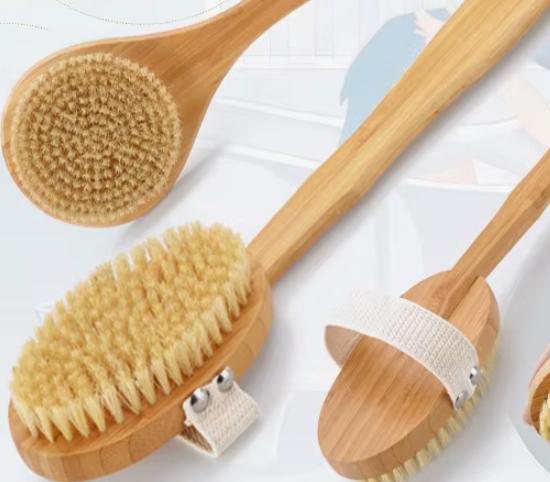
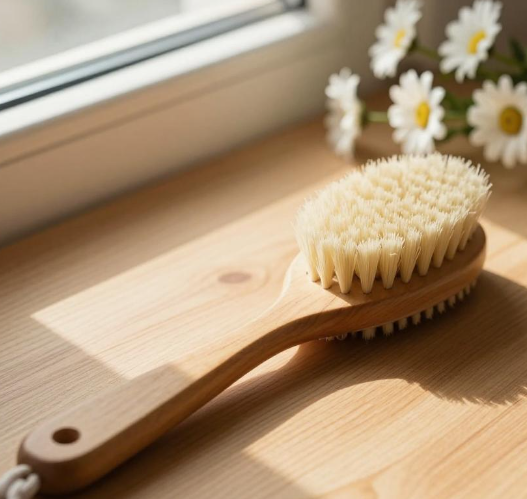
Direct answer: A bamboo handheld massage brush is safe for normal, oily, combination, and resilient mature skin types. People with these skin types can use dry or wet brushing regularly with good results. Those with sensitive, reactive, or dry skin can also use a bamboo massage brush with appropriate technique adjustments — softer pressure, less frequent sessions, and post-brushing moisturization. The only skin types for which bamboo massage brushing is contraindicated are those with active inflammatory conditions: eczema flares, psoriasis lesions, open wounds, sunburn, or rosacea-affected areas.
Content
- 1 Understanding Why Skin Type Determines Brushing Safety
- 2 Skin Types That Benefit Most From Bamboo Massage Brushing
- 3 Dry and Sensitive Skin: How to Use a Bamboo Brush Safely
- 4 Skin Conditions Where Bamboo Massage Brushing Should Be Avoided
- 5 Eco Friendly Bamboo Massage Brush for Cellulite Removal: What the Evidence Shows
- 6 Handheld Bamboo Dry Brushing Massage Brush Benefits: Full Body Overview
- 7 How to Choose the Right Bamboo Massage Brush for Your Skin Type
- 8 About Ningbo Kafete Daily Necessities Co., Ltd.
- 9 Frequently Asked Questions
Understanding Why Skin Type Determines Brushing Safety
A bamboo handheld massage brush works through mechanical exfoliation — the bristles physically dislodge dead skin cells from the surface of the stratum corneum, stimulate circulation beneath the skin, and promote lymphatic drainage through the rhythmic stroking motion. These are genuinely beneficial physiological effects for most skin, but the same mechanical action that benefits healthy skin can aggravate conditions characterized by compromised barrier function or active inflammation.
The skin barrier — primarily the outer layers of the stratum corneum — is the key variable. In healthy skin with an intact barrier, the mechanical stimulus of brushing removes only superficial dead cells and triggers beneficial circulation responses. In skin with a compromised barrier — whether from eczema, psoriasis, over-exfoliation, or severe dryness — that same stimulus penetrates deeper than intended, triggering inflammation, increasing transepidermal water loss, and worsening the underlying condition.
Understanding your skin type and current skin condition, rather than applying a universal approach, is what determines whether bamboo brushing is beneficial or counterproductive for your specific skin.
Skin Types That Benefit Most From Bamboo Massage Brushing
Normal Skin
Normal skin — characterized by balanced sebum production, minimal visible pores, and an intact moisture barrier — responds best to bamboo massage brushing. It can tolerate brushing 3 to 5 times per week without adverse effects. The brushing removes the thin layer of dead cells that accumulates between sessions, keeping the skin surface smooth and improving the absorption of moisturizers and serums applied afterward. Studies on mechanical exfoliation in normal skin show absorption of topical products can increase by up to 40% immediately after exfoliation compared to unexfoliated skin.
Oily Skin
Oily skin, which produces excess sebum and is prone to enlarged pores and comedones, benefits significantly from regular bamboo brushing. The mechanical exfoliation removes dead cells that can combine with sebum to block pores, while the stimulation of circulation improves skin tone. For oily skin, 3 to 4 sessions per week is appropriate, using slightly firmer pressure on the forehead, nose, and chin — areas with highest sebum production. The bristle action on oily skin helps maintain cleaner pore openings without the drying effect of many chemical exfoliants.
Combination Skin
Combination skin requires a zone-based approach. Apply standard pressure to the T-zone (forehead, nose, chin) and reduce pressure over the drier cheek areas. Brushing 2 to 3 times per week is appropriate, focusing on areas of concern while avoiding over-stimulating the drier zones. Many combination skin users find that consistent bamboo brushing helps normalize the contrast between zones over time by maintaining even cell turnover.
Mature and Resilient Skin
As skin ages, the natural cell turnover rate slows from approximately 28 days in young adults to 40–60 days in individuals over 50. This slower turnover means dead skin cells accumulate more rapidly on the surface, contributing to a dull, uneven appearance. Regular bamboo massage brushing compensates for this slowed turnover, and the stimulation of circulation it provides supports the skin's natural regenerative processes. For mature skin, 2 to 3 sessions per week with medium pressure is typically well-tolerated and produces visible improvement in skin radiance.
Dry and Sensitive Skin: How to Use a Bamboo Brush Safely
Dry and sensitive skin types can use a bamboo massage brush, but both require meaningful adjustments to technique, pressure, and frequency compared to normal or oily skin. Skipping these adjustments is what leads to the irritation that sometimes discourages people with these skin types from experiencing the benefits of brushing.
Dry Skin: The Moisture-First Approach
Dry skin has a thinner, more fragile stratum corneum than normal skin. Its reduced sebum production means the skin surface is less protected against mechanical friction. For dry skin, a pre-brushing application of a lightweight body oil — such as jojoba, sweet almond, or squalane — dramatically reduces the abrasive effect of the bristles while still delivering the exfoliation and circulation benefits. This "wet brushing" approach allows dry skin types to brush once or twice per week without the tightness or mild irritation that dry brushing would cause.
Post-brushing moisturization is equally important for dry skin. Apply a nourishing body lotion or body butter within 2 to 3 minutes of brushing, while the skin is still slightly warm from increased circulation. This window of enhanced absorption means moisturizers penetrate more effectively after brushing than at any other point in the skincare routine.
Sensitive Skin: Start Minimal, Observe, Adjust
Sensitive skin — characterized by reactivity, redness, or stinging in response to products or environmental changes — can benefit from bamboo massage brushing if introduced gradually. Begin with the softest available bristle grade on the brush, apply the lightest possible pressure (the weight of the brush itself, not additional downward force), and limit the initial session to a small test area on the inner forearm. Wait 24 hours and assess the response before progressing to larger body areas.
If the test area shows no redness, tightness, or increased sensitivity after 24 hours, progress to a single full-body session at the same light pressure. For sensitive skin, once per week maximum is appropriate during the first month, increasing to twice per week only if no adverse responses develop. Sensitive skin should never be brushed on active flare areas — redirect the brush around any area showing active redness or reactivity during the session.
The bamboo material itself contributes to safety for sensitive and dry skin types. Bamboo is naturally antimicrobial, which means the bristle material resists bacterial accumulation between uses — reducing the risk of applying bacteria-laden bristles to skin that may already be compromised. This property distinguishes bamboo brushes from synthetic plastic-handled brushes with nylon bristles in hygiene-sensitive applications.
Skin Conditions Where Bamboo Massage Brushing Should Be Avoided
Certain skin conditions represent absolute contraindications for bamboo massage brushing on affected areas, regardless of the user's general skin type. These are not situations where adjusting technique is sufficient — the underlying condition makes any mechanical exfoliation counterproductive or potentially harmful in the affected zone.
| Condition | Affected Area Safe to Brush? | Unaffected Areas? | Reason |
|---|---|---|---|
| Eczema (active flare) | No | Yes, with care | Compromised barrier; brushing worsens inflammation |
| Psoriasis (plaques) | No | With care | Mechanical trauma triggers Koebner phenomenon |
| Open wounds / cuts | No | Yes | Risk of infection and delayed healing |
| Sunburn | No | Yes | Inflamed tissue; brushing causes pain and damage |
| Rosacea (facial) | No | Body only, with care | Vascular reactivity; brushing triggers flushing |
| Active acne (inflamed) | No | Yes (avoid breakout zones) | Brushing spreads bacteria; worsens inflammation |
Eco Friendly Bamboo Massage Brush for Cellulite Removal: What the Evidence Shows
One of the most searched applications for an eco friendly bamboo massage brush for cellulite removal is reducing the appearance of cellulite — the dimpled skin texture that affects approximately 85–90% of women at some point in their lives, regardless of body weight or fitness level. Understanding what bamboo brushing can realistically achieve for cellulite sets appropriate expectations and guides the most effective technique.
The Physiological Mechanism
Cellulite results from the protrusion of fat lobules through connective tissue bands beneath the skin surface, creating the characteristic dimpled appearance. Bamboo massage brushing addresses cellulite through two complementary mechanisms: lymphatic drainage stimulation, which reduces fluid retention in the dermis and subcutaneous tissue that accentuates cellulite appearance; and increased local circulation, which improves the nutritional supply to dermal cells and may support collagen synthesis over time with consistent use.
Published studies on dry brushing and lymphatic drainage show that consistent daily mechanical stimulation in the direction of lymphatic flow produces measurable reductions in tissue fluid retention within 4 to 8 weeks of regular use. The visual reduction in cellulite appearance during this period is primarily attributable to reduced fluid accumulation rather than structural change in the fat lobules themselves — but the cosmetic improvement is real and consistently reported by users who maintain a regular brushing routine.
Technique for Cellulite-Prone Areas
For cellulite-focused bamboo brushing, the stroke direction is critical. Always brush toward the heart — upward strokes on the legs and thighs, inward strokes on the hips and buttocks — to support lymphatic drainage rather than working against it. Use firm but comfortable pressure — the skin should redden slightly (indicating increased circulation) but not feel painful. Consistent sessions of 5 to 10 minutes per area, 3 to 5 times per week, produce better results than occasional intensive sessions. Apply a firming body lotion immediately after each session to maximize absorption into the stimulated skin.
Handheld Bamboo Dry Brushing Massage Brush Benefits: Full Body Overview
The handheld bamboo dry brushing massage brush benefits extend well beyond exfoliation and cellulite management. Regular use creates a cumulative positive effect on multiple aspects of skin health and body wellness that make it one of the most versatile tools in a body care routine.
- Exfoliation and cell turnover: Removes dead skin cells from the stratum corneum, preventing the dull, rough texture that accumulates between natural shedding cycles. For most skin types, the improvement in surface texture is visible within 2 to 4 sessions.
- Lymphatic circulation: The mechanical pressure and directional strokes stimulate the superficial lymphatic vessels just beneath the skin surface. Enhanced lymphatic flow supports the body's natural waste removal system, reducing puffiness and fluid retention in areas prone to these issues.
- Improved product absorption: Freshly brushed skin absorbs moisturizers, body oils, and self-tanning products at measurably higher rates than unbrushed skin — studies indicate up to 40% improvement in topical absorption in the hour following mechanical exfoliation.
- Stress and tension relief: The massage element of bamboo brushing activates the parasympathetic nervous system response. Many users report a noticeable reduction in muscle tension and improved sense of relaxation following a 10 to 15 minute full-body brushing session, comparable to a light massage.
- Ingrown hair prevention: Regular exfoliation of the skin around hair follicles reduces the incidence of ingrown hairs — particularly relevant on the legs and bikini area for users who shave or wax regularly.
- Environmental sustainability: An eco friendly bamboo massage brush for cellulite removal and body care uses a renewable, rapidly regenerating material. Bamboo reaches maturity in 3 to 5 years compared to 25 to 70 years for hardwood trees, and the material is naturally biodegradable — a meaningful consideration for environmentally conscious consumers replacing synthetic plastic-handled bath brushes.
How to Choose the Right Bamboo Massage Brush for Your Skin Type
Not all bamboo massage brushes are identical in bristle firmness, head size, or handle design. Matching the brush specification to your skin type ensures you get the benefits without the irritation risk.
| Skin Type | Bristle Firmness | Bristle Material | Session Pressure | Frequency |
|---|---|---|---|---|
| Normal | Medium | Natural fiber or sisal | Medium | 3–5x / week |
| Oily | Medium to firm | Sisal or natural fiber | Medium to firm | 3–4x / week |
| Dry | Soft | Soft natural fiber | Light (with oil) | 1–2x / week |
| Sensitive | Extra soft | Finest natural fiber only | Very light | Once / week max |
| Mature | Soft to medium | Soft natural fiber | Light to medium | 2–3x / week |
About Ningbo Kafete Daily Necessities Co., Ltd.
Ningbo Kafete Daily Necessities Co., Ltd. was established in 2017 and is located in Cixi, Zhejiang, China. The company is a professional enterprise specializing in the research and development, production, and sales of bath brushes, massage brushes, wood and plastic brushes, massagers, and other bath and beauty products. As a professional bamboo handheld massage brush manufacturer and wood handheld massage brush factory, Kafete serves global customers with a commitment to quality and value.
The company has built a strong reputation for high-quality, cost-effective products, earning the trust of customers across international markets. Products have been exported to over 40 countries worldwide, with the primary markets concentrated in the United States, Europe, and Japan — regions with high consumer standards for both product performance and material safety in personal care accessories.
.png "mini bamboo nail brush")
.jpg "long handle loofa bath brush")
.jpg "long handle loofa bath brush")


