

 En
En
 English
 Français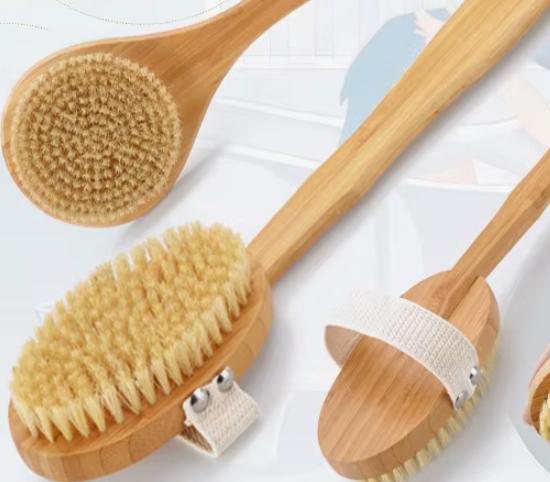
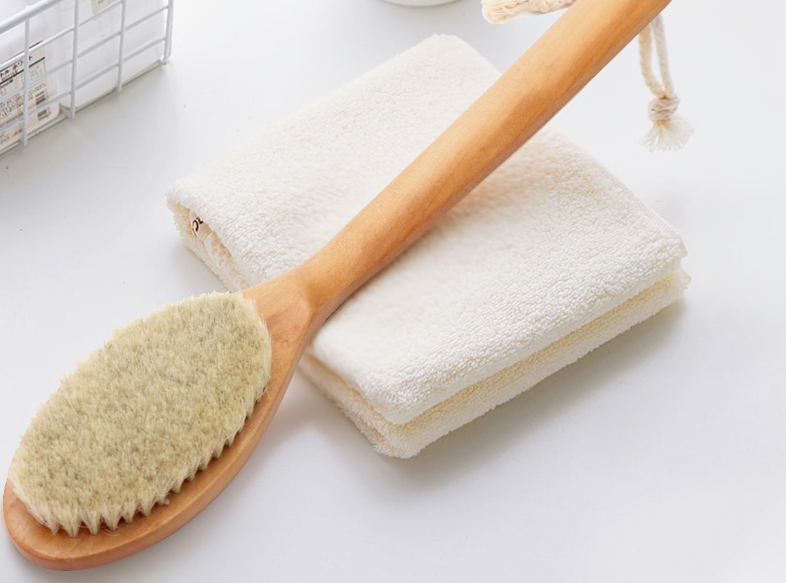
Yes, dry brushing with a wood bath brush genuinely works — when done correctly and consistently. Research into mechanical exfoliation and lymphatic stimulation supports the core claims made by dry brushing advocates: regular use of a natural bristle body brush removes dead skin cells, improves surface circulation, and over time contributes to smoother, more even skin texture. However, the results depend heavily on the quality of the brush, the technique used, and the regularity of practice. This article separates verified benefits from overstated claims and gives you a practical, evidence-grounded guide to using a dry body brush effectively.
The surge in popularity of wooden body brushes is not merely a wellness trend. The global bath accessories market reached approximately USD 4.8 billion in 2023 and continues to expand, driven by growing consumer interest in natural personal care routines, sustainable product materials, and at-home spa practices (Source: Grand View Research, 2023). Within this market, eco-friendly wooden and bamboo bath brushes represent one of the fastest-growing product segments, as consumers increasingly move away from synthetic plastic alternatives. Whether you are new to dry brushing or evaluating suppliers as a buyer, this guide covers the full picture.
Content
What Dry Brushing Actually Does to Your Skin
Dry brushing is a physical exfoliation technique that uses a firm-bristled brush — ideally a natural bath brush with sisal, boar bristle, or plant-fiber bristles — applied to dry skin using upward strokes toward the heart. The mechanical action achieves several distinct physiological effects, each supported by a different body of evidence.
Exfoliation and Skin Cell Turnover
The most well-documented benefit of dry brushing is physical exfoliation. The stratum corneum — the outermost layer of skin — continuously sheds dead corneocytes, but this process slows with age and environmental stress. Mechanical exfoliation with a wooden body brush accelerates the removal of these dead cells, improving surface texture, reducing the appearance of keratosis pilaris (rough skin bumps), and allowing skincare products applied afterward to penetrate more effectively. Dermatologists broadly agree that 2–3 sessions per week is the appropriate frequency for most skin types — daily brushing on sensitive skin areas can cause irritation.
Circulation and Lymphatic Stimulation
The brushing motion — particularly the directional strokes toward lymph nodes — is believed to support lymphatic drainage by stimulating superficial lymphatic vessels beneath the skin. While clinical evidence in healthy adults is limited, the mechanical stimulation of surface capillaries does produce measurable vasodilation (visible as skin flushing after brushing), which indicates increased local blood flow. Some practitioners and sports medicine specialists use manual lymphatic drainage techniques that share biomechanical similarities with dry brushing, lending indirect support to the circulation benefit claims.
The Cellulite Question: What the Evidence Actually Says
The claim that dry brushing reduces cellulite is the most contested in wellness communities. Cellulite involves structural changes in subcutaneous fat and connective tissue that surface-level mechanical brushing cannot permanently alter. However, the temporary improvement in circulation and reduction in fluid retention beneath the skin can make cellulite appear temporarily less pronounced after consistent dry brushing. This is a cosmetic effect rather than a structural one — and managing expectations on this point is important for both users and retailers. A dry body brush is a legitimate wellness tool, but it is not a substitute for lifestyle interventions targeting body composition.
The horizontal bar chart above presents expert-consensus evidence strength ratings for the most commonly cited dry brushing benefits, scored on a scale of 1 to 10. Exfoliation receives the highest rating at 9.5, reflecting the strong dermatological consensus that mechanical removal of dead skin cells is an established and reproducible effect. Improved skin texture (8.5) and enhanced product absorption (7.0) are closely linked secondary outcomes. Surface circulation (7.5) is well-supported by the observable vascular response during and after brushing. Lymphatic stimulation sits at 5.0, indicating that while the mechanism is plausible, rigorous clinical evidence in healthy populations is limited. Cellulite reduction scores only 3.0 and is explicitly qualified as a temporary visual effect rather than a structural change — setting realistic expectations is essential for any honest consumer education around dry brushing skin benefits.
Why a Wood Bath Brush Is the Best Tool for the Job
Not all bath brushes are created equal. The handle material, bristle type, bristle density, and brush head size all affect the quality of the exfoliation experience and the durability of the product. A well-crafted wood bath brush outperforms plastic alternatives across multiple dimensions — and here is the specific evidence for each.
Wood vs. Plastic: Material Comparison
Wood — particularly beech, bamboo, and FSC-certified hardwoods — offers natural antimicrobial properties that plastic handles cannot replicate. Studies on wood surfaces have demonstrated that certain hardwoods contain naturally occurring tannins and organic compounds that inhibit bacterial colonization, making a wooden handle more hygienic over time in a bathroom environment than an equivalent synthetic handle. Bamboo, in particular, has been documented to have a naturally low moisture absorption rate and excellent dimensional stability when properly treated — properties critical for a shower brush wooden handle that will be exposed to steam and humidity cycles (Source: Journal of Wood Science, 2019).
Beyond hygiene, wood is a renewable, biodegradable resource that aligns with the values of consumers seeking eco friendly bath brush options. A bamboo or hardwood handle decomposes naturally at end of life, whereas plastic handles persist in landfill or ocean environments for centuries. This sustainability argument has become a primary purchasing driver in the European, U.S., and Japanese markets — the three largest markets for premium personal care accessories.
Bristle Options: Natural vs. Synthetic
The bristle material determines the intensity of the exfoliating experience. Natural bristle body brushes — using sisal agave fiber, tampico fiber, boar bristle, or plant-based alternatives — deliver a firm but skin-conforming scrubbing action that synthetic nylon bristles cannot match. Natural bristles flex and distribute pressure more evenly across uneven body contours, reducing the risk of localized abrasion. Sisal is particularly valued for its firm exfoliating action, while softer natural options like tampico or mixed-fiber heads are suitable for users with sensitive skin. For vegan buyers, plant-fiber bristles (sisal, tampico, agave) are preferred over boar bristle, and many buyers from the EU and U.S. markets now specify this when sourcing from a Wood Bath Brush Supplier or Bamboo Bath Brush Company.
The radar chart above compares bamboo, wood, and plastic bath brush handles across six performance and sustainability dimensions. Bamboo consistently scores 8–9 out of 10 across all axes, excelling particularly in sustainability, hygiene, and eco profile — making it the preferred choice for environmentally conscious consumers and retailers targeting natural wellness markets. Traditional hardwood handles score closely behind bamboo at 7–8, with slightly lower sustainability ratings due to slower regeneration cycles compared to bamboo (which can be harvested in 3–5 years versus decades for hardwood). Plastic handles, despite their low cost, score poorly on sustainability, eco profile, and hygiene — the three dimensions that most strongly influence purchase decisions in the U.S., European, and Japanese markets. For any eco friendly bath brush supplier or buyer positioning products in premium natural wellness channels, this data reinforces why bamboo and wood are the material of choice for handle construction.
How to Use a Dry Body Brush: Step-by-Step Technique
Proper technique amplifies the benefits of dry brushing and prevents skin irritation. Many users who report that dry brushing "didn't work" were using incorrect pressure, direction, or timing. The following guide applies specifically to a natural bath brush used for full-body dry brushing — the most effective application of this practice.
- Start with completely dry skin — before showering, when skin is at its least sensitive and dead cells are easiest to remove mechanically.
- Begin at the feet and ankles, brushing in long, sweeping strokes upward toward the heart. This directional pattern supports natural lymphatic flow.
- Move progressively upward — calves, knees, thighs, buttocks, hips, abdomen, lower back — maintaining consistent upward strokes. Avoid back-and-forth scrubbing motion.
- For the arms, start at the hands and brush upward toward the shoulders and armpits (a key lymph node cluster).
- Use a long handle wooden bath brush for the back — the extended handle allows effective coverage without strain on shoulders or spine.
- Apply light to moderate pressure — the skin should be stimulated and slightly pink, but never red, irritated, or scratched. Reduce pressure on thin-skinned areas (inner arms, chest, neck).
- Follow immediately with a shower to wash away loosened dead skin cells, then apply a moisturizer or body oil while skin is still slightly damp to maximize hydration.
- Rinse and air-dry the brush after each use in a well-ventilated area — never store a damp wooden brush face-down, as this traps moisture against the wood and promotes mold growth.
The entire process takes approximately 3–5 minutes for a full body session. Users new to dry brushing often start with 2 sessions per week and build up to 3–4 sessions as their skin adapts to the mechanical exfoliation. People with skin conditions such as eczema, psoriasis, rosacea, or active acne should consult a dermatologist before beginning a dry brushing practice, as mechanical irritation can exacerbate these conditions.
Choosing the Right Wood Bath Brush: A Buyer's Comparison Guide
The market for wooden body brushes has expanded significantly, with a wide range of handle materials, bristle types, handle lengths, and construction qualities now available. For individual buyers selecting a brush for personal use, and for retail buyers and importers evaluating products from a Wood Bath Brush Supplier, the following comparison matrix provides a structured framework.
| Feature | Bamboo Handle | Beech Wood Handle | Best For |
|---|---|---|---|
| Moisture Resistance | Excellent | Good (requires sealing) | Humid bathroom environments |
| Sustainability Rating | Very High | High (FSC certified) | Eco-conscious buyers |
| Weight / Grip | Lightweight, smooth | Slightly heavier, warm feel | Long-handle back brushes |
| Natural Bristle Options | Sisal, tampico, agave | Sisal, boar, mixed fiber | Customizable for OEM orders |
| Handle Length Options | Short / long / detachable | Short / long / detachable | Full-body dry brushing kits |
| OEM Customization | Excellent flexibility | Good | Private label / retail brands |
| Average Product Lifespan | 12–18 months | 12–24 months | With proper care and drying |
The Growing Market for Natural Bath Brushes
Consumer interest in natural personal care tools has accelerated significantly over the past five years, driven by several converging trends: the clean beauty movement, growing awareness of plastic pollution, the post-pandemic shift toward at-home wellness rituals, and the influence of wellness content on digital platforms. For retailers and importers evaluating a Bamboo Bath Brush Company partnership, understanding the demand trajectory is as important as evaluating product quality.
Market research indicates that the global natural personal care market is projected to grow at a compound annual growth rate (CAGR) of approximately 5.8% through 2028, with bath and body accessories representing a disproportionately fast-growing sub-segment as consumers invest in upgrading everyday bathroom routines (Source: Allied Market Research, 2023). The U.S., Europe, and Japan collectively account for over 65% of global demand for natural bath accessories — markets where Ningbo Kafete Daily Necessities Co., Ltd. has established export channels.
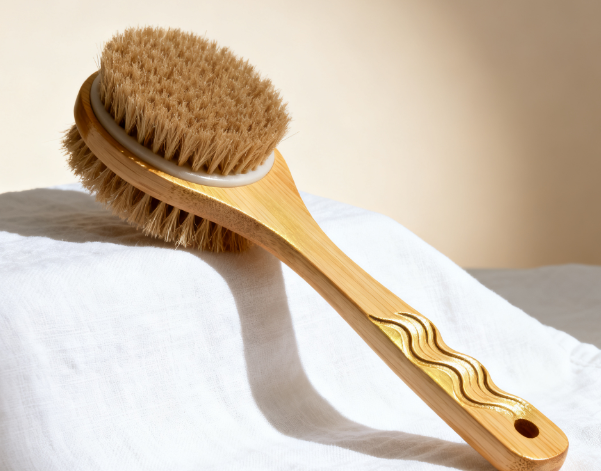
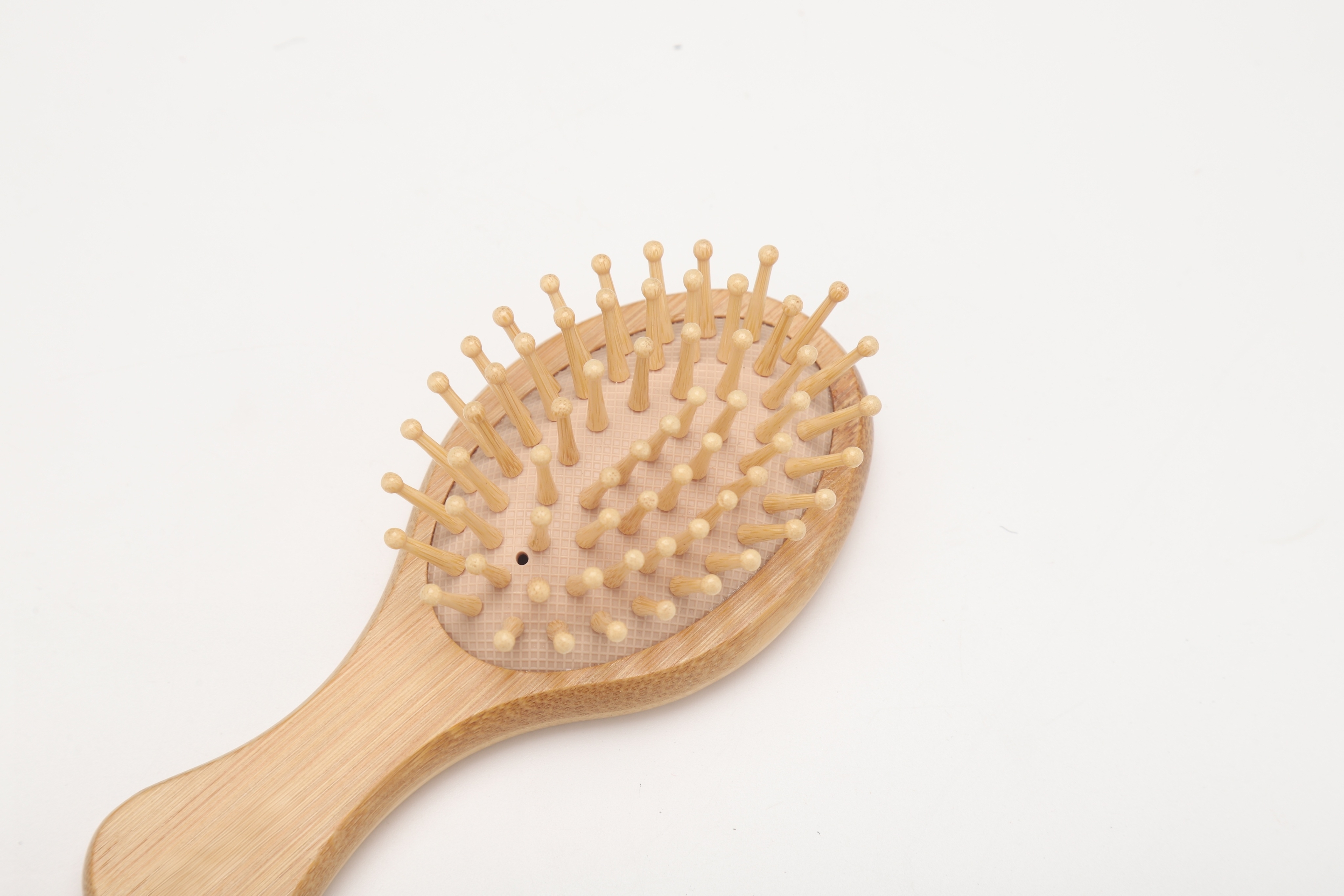
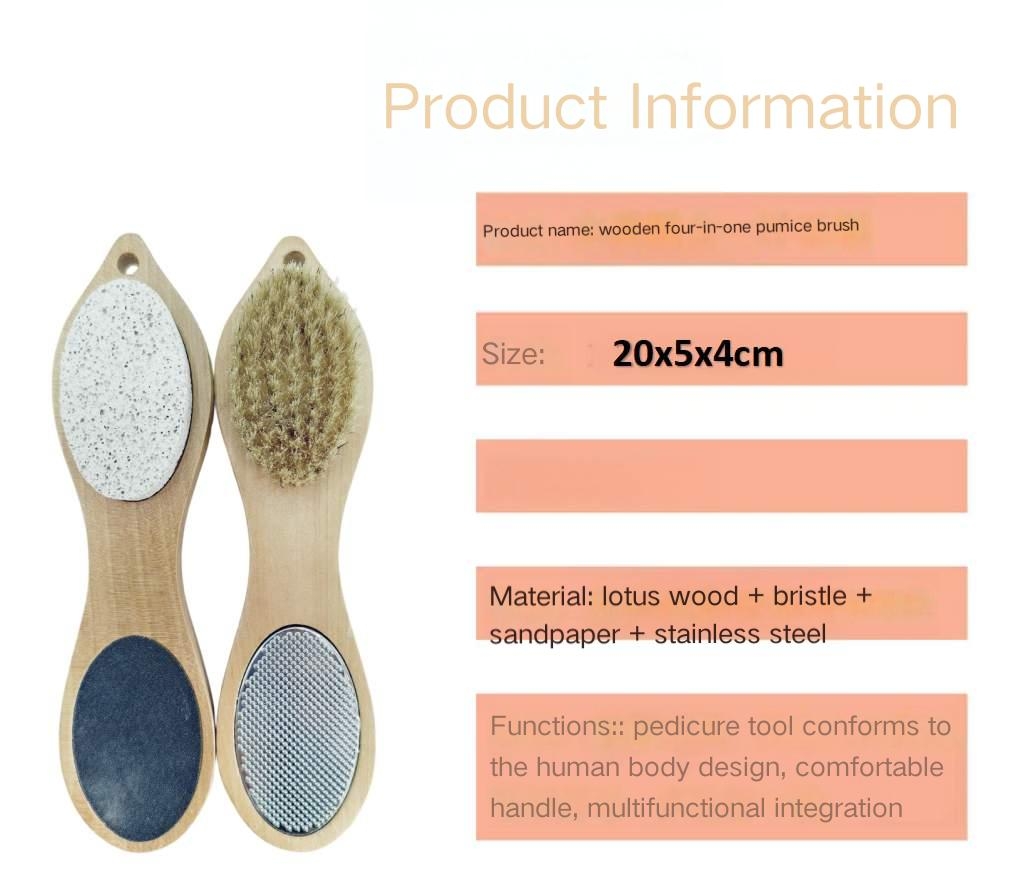
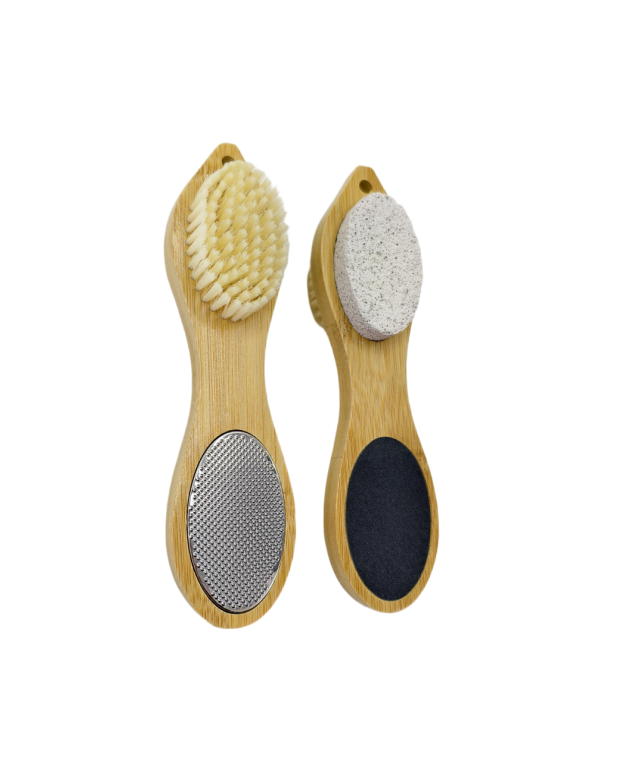
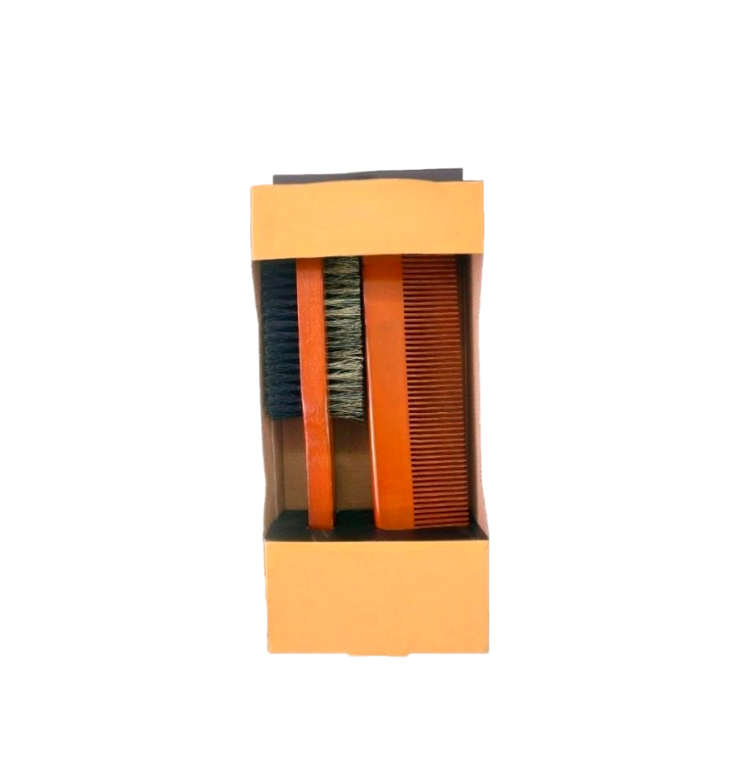
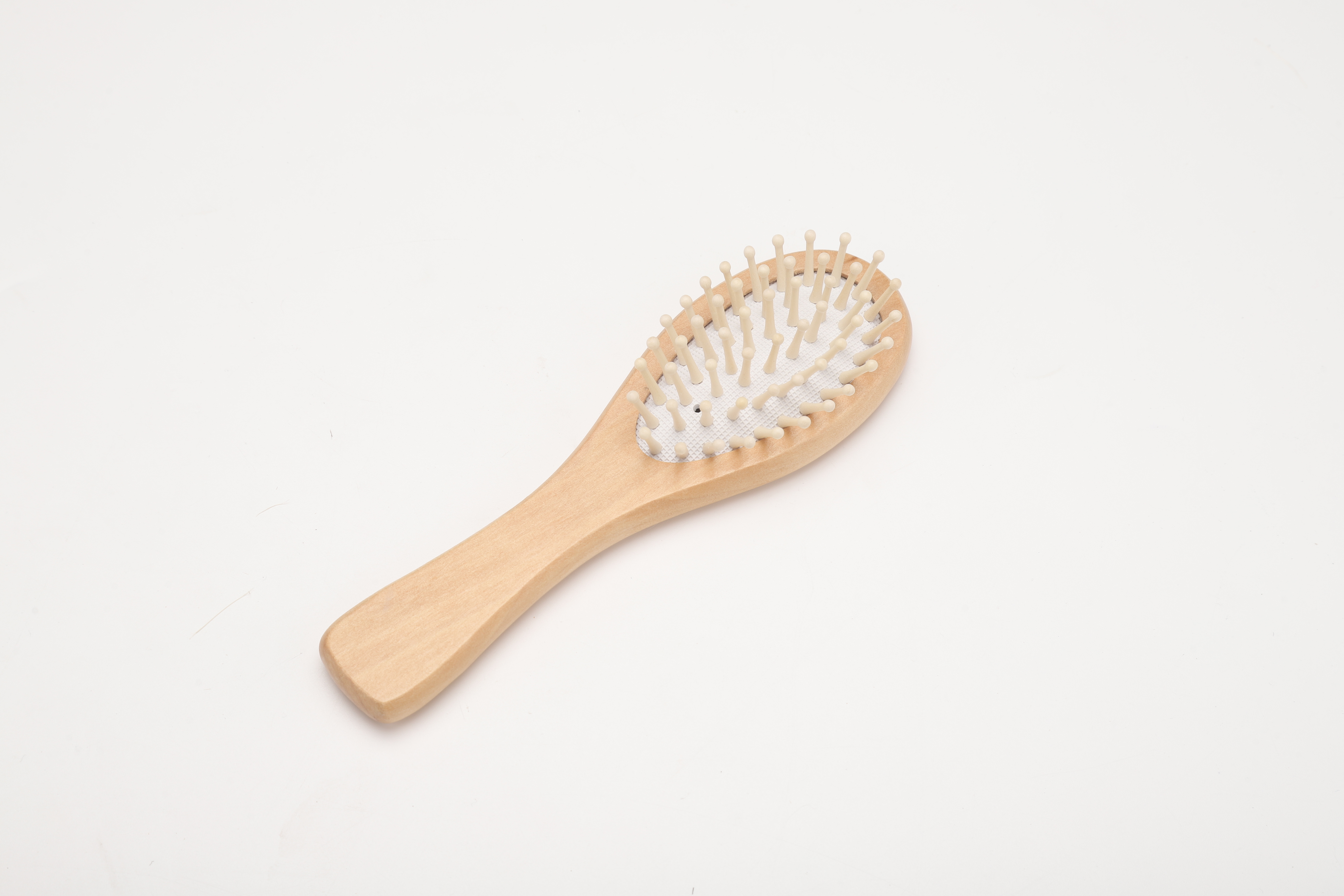
.png "mini bamboo nail brush")
.jpg "long handle loofa bath brush")
.jpg "long handle loofa bath brush")


