

 En
En
 English
 Français
Content
- 1 The Right Way To Use A Wooden Bath Brush
- 2 What A Wooden Bath Brush Is Actually Made Of
- 3 Dry Brushing Technique Before Water Touches The Skin
- 4 Wet Brushing In The Shower Or Bath
- 5 How Often People Typically Use A Bath Brush
- 6 Bristle Firmness Across Common Wood Bath Brush Styles
- 7 Natural Bristles Compared With Synthetic Bristles
- 8 Interest In Bath Brushing As A Daily Skin Habit
- 9 Caring For A Wooden Bath Brush Between Uses
- 10 About Ningbo Kafete Daily Necessities
- 11 Frequently Asked Questions
The Right Way To Use A Wooden Bath Brush
The most effective way to use a Bath Brush is with short, gentle strokes moving toward the heart, starting at the feet and working upward, either on dry skin before a shower or on damp skin during one. This single habit, brushing toward the heart rather than in random directions, is the detail most people miss and the one that makes the biggest difference in how the skin responds over time.
A wooden bath brush pairs natural bristles with a solid handle, and the combination is designed to sweep away flaking surface skin, loosen everyday buildup, and encourage blood flow near the skin surface. Long handle wooden bath brush designs extend reach to the back and shoulders, areas that are otherwise difficult to cover evenly with hands alone.
What A Wooden Bath Brush Is Actually Made Of
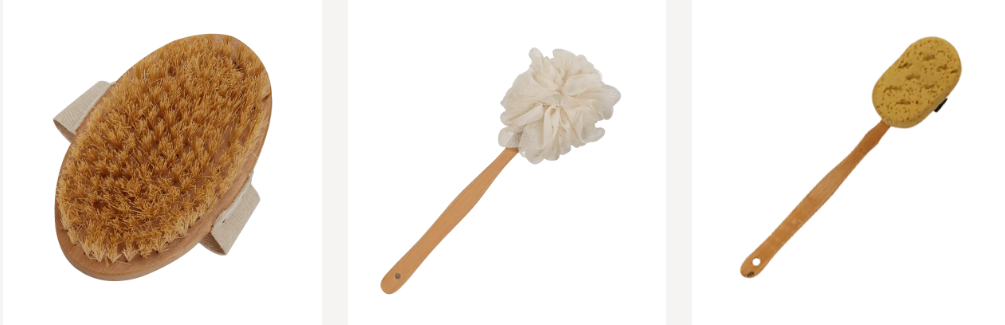
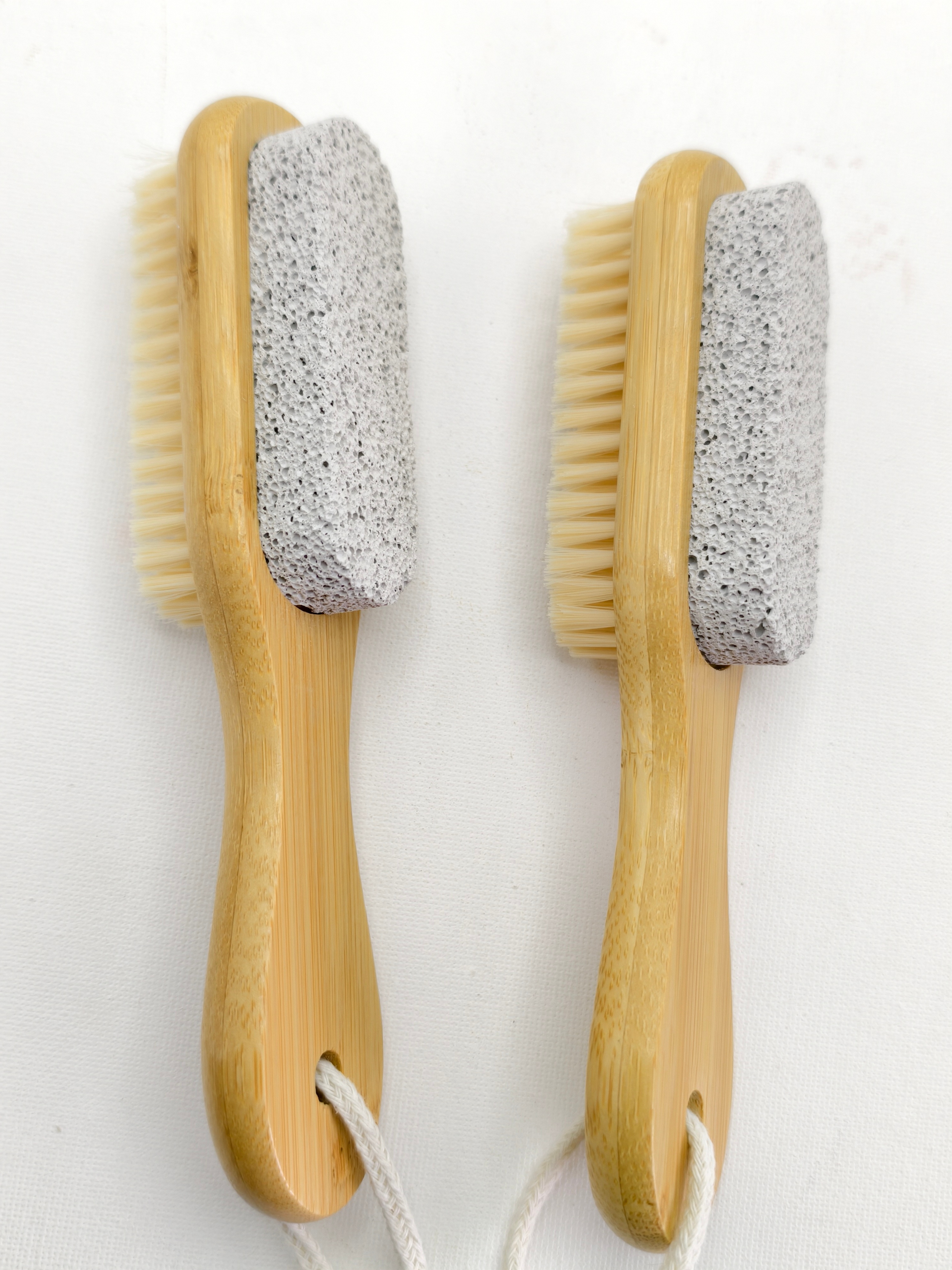
Every wooden bath brush is built from two main parts working together: a natural wood body that holds its shape through repeated water exposure, and a bristle head set into that body to do the actual contact work against skin. The wood is typically shaped, sanded, and sealed before bristles are fitted, since a rough or untreated handle would be uncomfortable to grip when wet.
Core Parts Of A Typical Brush
- Wood handle or body, shaped for grip and water resistance
- Bristle head, set into the wood base in a dense pattern
- Strap or loop, present on many designs for hanging storage
- Long handle extension, common on back-reach brush styles
Bristle material varies by brush, with natural fiber bristles remaining the most requested option among buyers comparing an eco friendly bath brush against synthetic alternatives, largely because natural fibers tend to soften slightly with repeated water contact rather than staying rigid.
Dry Brushing Technique Before Water Touches The Skin
Dry brushing means using the bath brush on completely dry skin, before stepping into the shower or bath. The technique relies on light pressure and consistent direction rather than firm scrubbing, since dry bristles have more grip against skin than wet ones.
- Start at the soles of the feet using light, even pressure
- Brush upward along the lower legs in long, straight strokes
- Continue up the thighs, always moving toward the torso
- Brush the arms starting at the hands, moving toward the shoulders
- Use gentle circular strokes across the stomach and lower back
- Finish with a warm shower to rinse away loosened surface skin
Most people who dry brush regularly complete the full routine in under five minutes, and the direction toward the heart is kept consistent throughout, since this is the detail that separates a structured dry brushing routine from simply rubbing a brush over skin.
Wet Brushing In The Shower Or Bath
Wet brushing uses the same wooden bath brush during a shower or bath, typically paired with a small amount of body wash. Because water softens both the skin and the bristles, wet brushing feels gentler than dry brushing and works well as a daily cleansing step rather than a separate routine.
| Factor | Dry Brushing | Wet Brushing |
|---|---|---|
| Best Timing | Before showering | During showering or bathing |
| Pressure Level | Light, controlled pressure | Gentle, cushioned by water |
| Typical Duration | Three to five minutes | Alongside normal wash time |
| Bristle Feel | Firmer against skin | Softer once bristles absorb water |
How Often People Typically Use A Bath Brush
Usage frequency varies by routine and skin sensitivity, but most people settle into a pattern somewhere between daily light brushing and a few sessions per week. The chart below reflects a general pattern seen across common bath brush usage habits.
Skin sensitivity plays the largest role in deciding where someone lands on this scale, and most people who are new to brushing start with two to three sessions a week before deciding whether to increase frequency.
Bristle Firmness Across Common Wood Bath Brush Styles
Bristle firmness affects how a brush feels against skin, and different wood bath brush styles are generally built with different firmness levels in mind depending on whether the brush is meant for the face, body, or feet.
Natural Bristles Compared With Synthetic Bristles
Buyers weighing a wooden bath brush for dry brushing against a synthetic bristle version often compare the two across a similar set of practical factors. The radar chart below places both bristle types against five commonly considered points.
Natural bristles tend to score higher on gentleness and natural feel, while synthetic bristles often hold up slightly better under constant water exposure, which is why many households keep one of each depending on whether the brush stays near a dry area or a shower.
Interest In Bath Brushing As A Daily Skin Habit
Search interest around bath brushing and dry brushing routines has grown steadily as more people incorporate short skin care steps into daily routines. The line below reflects this general directional pattern rather than a single fixed data point.
Caring For A Wooden Bath Brush Between Uses
A wooden bath brush lasts considerably longer with a few simple care habits. Because the handle is wood rather than plastic, it responds differently to prolonged water exposure and benefits from being allowed to dry fully between sessions.
Simple Care Habits Worth Building In
- Hang the brush bristle-down after use so water drains away from the wood
- Avoid leaving the brush soaking fully submerged in water
- Rinse bristles gently after each use to clear away residue
- Keep the brush in a ventilated spot rather than a closed cabinet
- Check bristles periodically for fraying or uneven wear
Following this pattern keeps the wood body from warping or cracking prematurely, and most well-cared-for brushes maintain a firm bristle feel for a long stretch of regular use.
About Ningbo Kafete Daily Necessities
Ningbo Kafete Daily Necessities Co., Ltd. was established in 2017 and is located in Cixi, Zhejiang, China. The company specializes in the research, development, production, and sales of bath brushes, brushes, other wood plastic brushes, massagers, and related bath and beauty products, working as a dedicated wood bath brush manufacturer for customers across multiple regions.
Products from the company have reached customers in more than 40 countries, with major markets across the United States, Europe, and Japan. As a wooden bath brush supplier and bamboo bath brush company, Kafete supports wholesale wood bath brush orders as well as OEM wood bath brush and custom wood bath brush programs, serving global partners with a consistent focus on quality and reliable supply.

Frequently Asked Questions
It is a personal care tool built from a wood handle and a bristle head, used to cleanse and exfoliate the skin during bathing or dry brushing.
Brush in gentle strokes starting at the feet and moving upward toward the heart, either on dry skin or during a shower with body wash.
Many people brush daily with light pressure, though those with sensitive skin often prefer a few sessions spread across the week instead.
Regular brushing helps clear surface buildup, supports smoother feeling skin, and adds a stimulating step to an everyday bathing routine.
Dry brushing is a widely used step for clearing flaking surface skin and is generally well tolerated when done with light, consistent pressure.
Yes, the bristle contact helps loosen and clear away flaking surface skin cells during both dry and wet brushing sessions.
Dense, water-resistant woods are commonly chosen for bath brush handles since they hold shape well under repeated moisture exposure.
Bamboo is valued for being a fast-growing renewable material with good water resistance, making it a popular choice among eco friendly bath brush options.
Natural bristles tend to feel gentler and softer with use, while synthetic bristles often hold up slightly better under constant water contact.
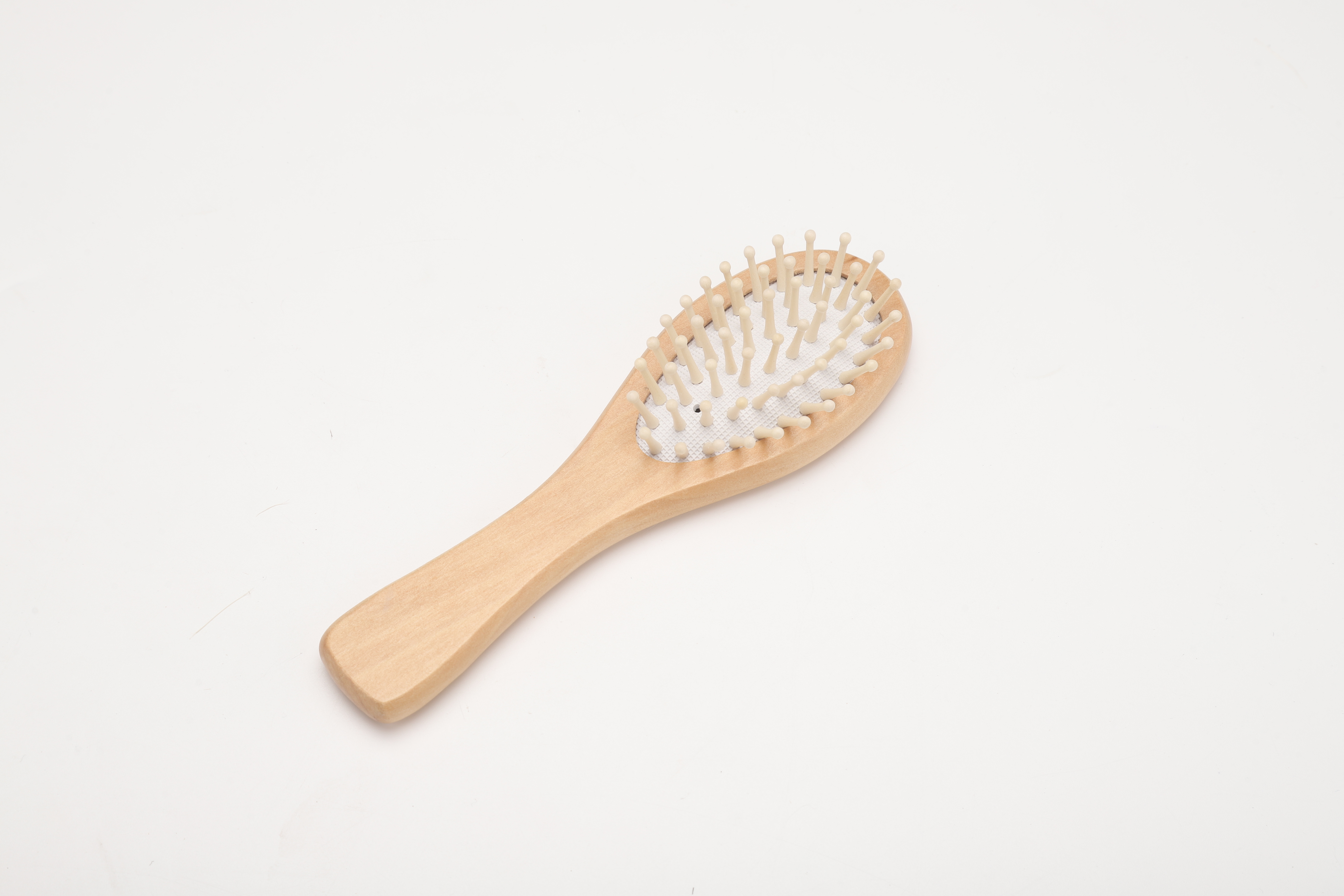
.png "mini bamboo nail brush")
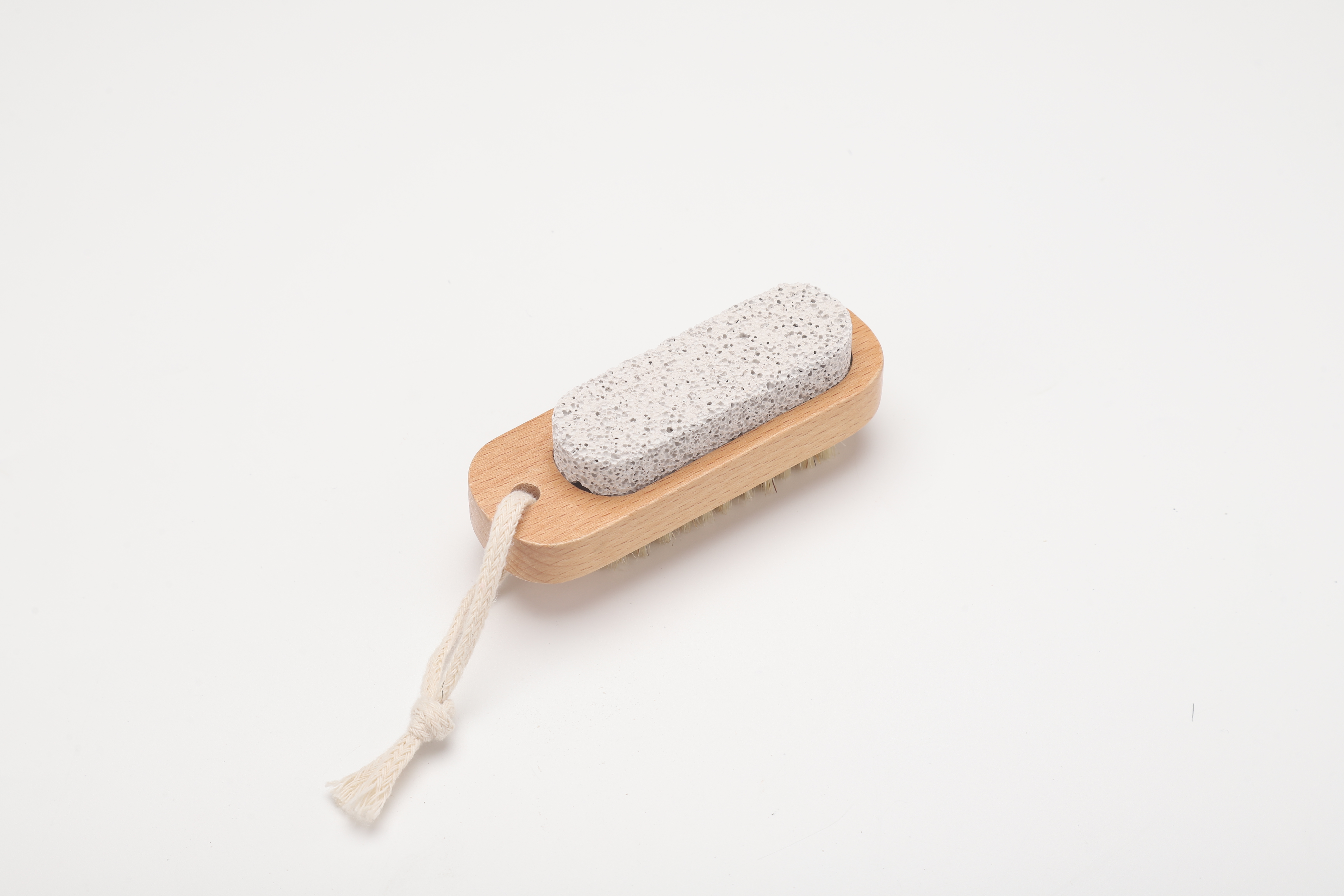
.jpg "long handle loofa bath brush")
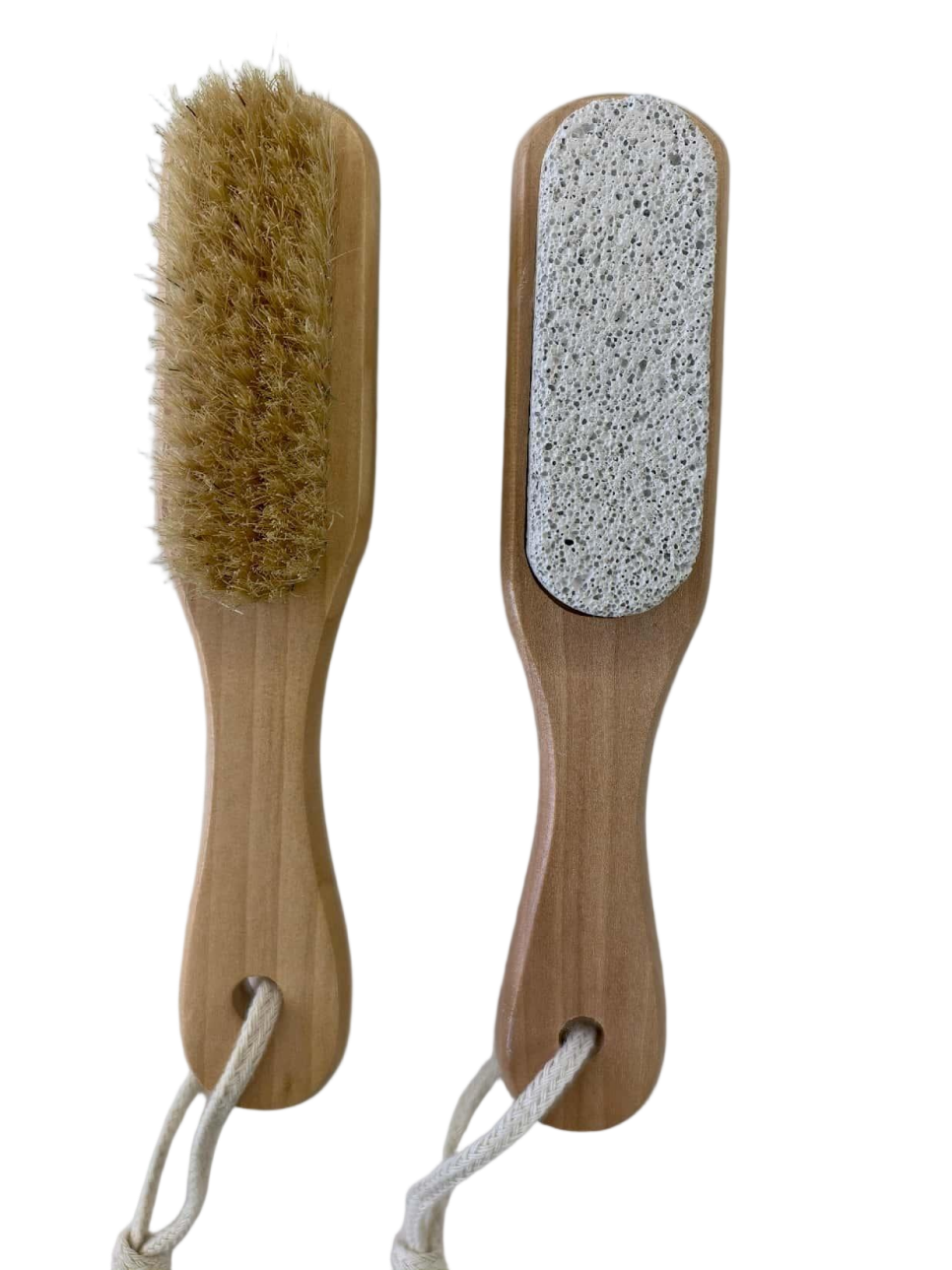
.jpg "long handle loofa bath brush")


