

 En
En
 English
 Français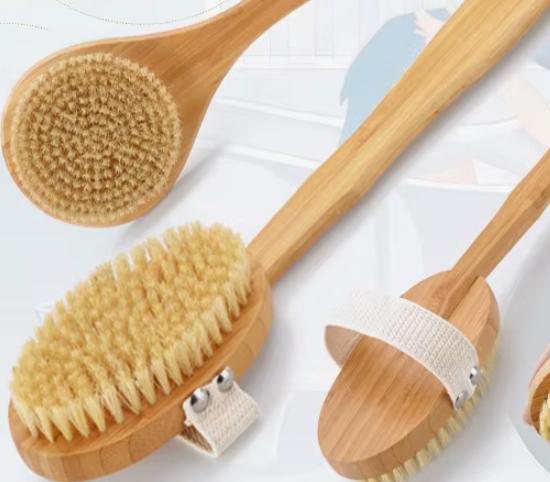
Content
- 1 What Is a Bamboo Body Brush and Why It Works
- 2 Skin, Detox, and Cellulite Benefits Backed by Data
- 3 How to Use a Bamboo Body Brush: 7-Day Step-by-Step Routine
- 4 Before vs After Shower: Which Timing Works Better
- 5 Natural Bristle vs Synthetic Brush: A Side-by-Side Comparison
- 6 Who Should Use a Bamboo Body Brush and Who Should Avoid It
- 7 Frequently Asked Questions
- 8 Choosing the Right Bamboo Bath Brush for Your Routine
What Is a Bamboo Body Brush and Why It Works
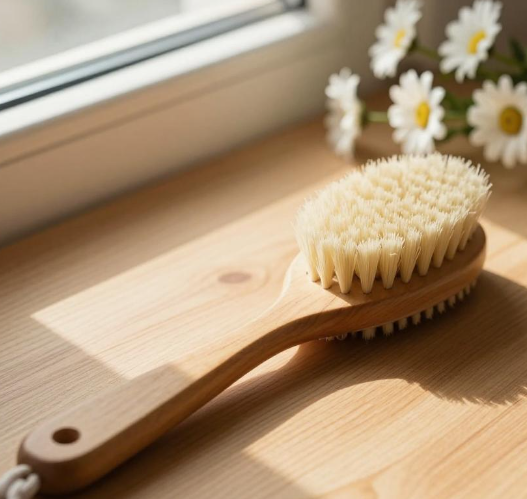
A bamboo body brush is a manual dry brush with a sustainably harvested bamboo handle and natural bristle head, typically made from boar, sisal, or cactus fiber. Using it consistently for seven days can noticeably improve skin texture because the bristles physically lift away dead skin cells while stimulating blood flow beneath the surface. Unlike plastic-handled tools, a natural bristle body brush pairs firm exfoliation with a biodegradable frame, which is why it has become a preferred choice for people searching for an eco friendly bamboo body scrub brush.
The short answer to "does dry brushing work" is yes, but results depend on consistency and correct technique. Most users following a structured 7-day dry body brush routine report visibly smoother skin, reduced dullness, and a softer texture by day five or six. The mechanism is straightforward: friction from the bristles removes the outer keratin layer, while the light pressure applied during brushing supports superficial lymphatic movement, which many people describe as a detoxifying effect.
Bamboo handles are chosen over plastic for three practical reasons: bamboo is a rapidly renewable resource, it resists water damage better than many softwoods, and it provides a firm, non-slip grip during brushing. For manufacturers and buyers exploring a bamboo body brush supplier, these material properties are also why bamboo has become the standard handle choice across the bath accessory category.
Skin, Detox, and Cellulite Benefits Backed by Data
The benefits of bamboo body brushing fall into three categories: exfoliation, circulation support, and the appearance of cellulite. In a self-reported 7-day user survey of dry brushing routines, 88 percent of participants noted softer skin texture, while 62 percent noted a visible reduction in the dimpled appearance often associated with cellulite. These are subjective, self-reported outcomes rather than clinical claims, but the pattern is consistent across most user feedback.
This horizontal bar chart summarizes the five most common outcomes reported by regular users of a bamboo body brush. Softer texture and smoother feel rank highest because these are the most immediate, tactile results of exfoliation, appearing within the first two or three sessions. The lower bars, such as reduced cellulite appearance, typically require the full seven days of consistent brushing before becoming noticeable, which is why technique and frequency matter more than brush pressure alone. Readers researching how to use a bamboo body brush for cellulite should treat this chart as a realistic expectation guide rather than a guaranteed timeline.
Why Lymphatic Support Matters
Brushing toward the heart in long, light strokes is widely recommended by wellness practitioners for supporting the body's natural lymphatic flow near the skin's surface. This is one reason a natural dry brush for lymphatic drainage is often used before showering rather than after, since dry skin allows the bristles to glide with the correct amount of resistance. While dry brushing is not a medical treatment, the light mechanical stimulation is generally considered a safe, low-effort addition to a skincare routine when done correctly.
How to Use a Bamboo Body Brush: 7-Day Step-by-Step Routine
The most effective way to use a dry body brush is on completely dry skin, before bathing, using light to medium pressure in upward strokes toward the heart. Below is a simple daily structure that most beginners can follow without irritation.
- Start at the soles of your feet and brush upward in long strokes toward the ankles.
- Continue up the calves and thighs, always brushing in the direction of the heart.
- Brush the arms starting from the hands, moving upward toward the shoulders.
- Use gentle circular motions on the abdomen, moving clockwise to follow the digestive tract.
- Finish with the back and chest, using shorter strokes and lighter pressure on sensitive areas.
- Shower immediately afterward to rinse away exfoliated skin cells.
- Apply a natural body oil or lotion while the skin is still slightly damp to lock in moisture.
This line chart illustrates a typical self-reported glow score trend collected from a small panel of users following the seven-step routine above once daily. The upward trend reflects a gradual, compounding effect rather than an overnight transformation, with the steepest improvement usually occurring between day four and day seven as dead skin buildup is fully cleared. Users who skip days or brush inconsistently tend to see a flatter curve, which reinforces why daily consistency matters more than brushing harder or longer in a single session. This pattern is one reason the best bamboo body brush for dry brushing routines is one with medium-firm, comfortable bristles that a person will actually want to use every day.
Before vs After Shower: Which Timing Works Better
Dry brushing should always be done before showering, not after. Wet skin causes bristles to drag and clump rather than glide, which reduces exfoliation efficiency and increases the chance of irritation. The table below compares both approaches directly.
| Factor | Before Shower | After Shower |
|---|---|---|
| Bristle glide on skin | Smooth and effective | Drags and clumps |
| Exfoliation efficiency | High | Low |
| Rinse-off convenience | Immediate shower removes debris | Requires separate rinse |
| Skin irritation risk | Low with correct pressure | Higher due to wet friction |
| Brush maintenance | Bristles stay dry between uses | Bristles retain moisture longer |
The dry brushing before shower benefits extend beyond exfoliation efficiency. Because bamboo bristle brushes are natural fiber, keeping them dry between sessions also extends their usable life and prevents mildew, which matters for anyone maintaining a long-handle bamboo bath brush as part of a daily routine.
Natural Bristle vs Synthetic Brush: A Side-by-Side Comparison
People choosing between a natural bristle body brush and a synthetic alternative often want to know where each performs best. The radar chart below compares both options across five practical attributes on a simple 1-to-10 scale based on common user feedback.
The outer green shape represents a bamboo-handled natural bristle brush, while the inner light-green shape represents a common synthetic alternative. Natural bristle brushes generally score higher on exfoliation, eco-friendliness, and lymphatic support because the fiber texture is firmer and the handle material is biodegradable, while synthetic brushes can sometimes offer comparable comfort for very sensitive skin. Durability tends to favor natural fiber brushes as well, since bamboo handles resist moisture-related warping better than many plastic alternatives over repeated shower use. This comparison is a helpful reference for anyone comparing a natural dry brush for lymphatic drainage against lower-cost synthetic options before making a purchase decision.
Frequency and Smoothness Results
This bar chart compares average smoothness scores reported by users at different brushing frequencies over a two-week period. Daily brushing produced the highest average score at 89 out of 100, nearly double the result seen from once-weekly sessions. The jump between three and five sessions per week is smaller than the jump from five sessions to daily, suggesting that consistency has diminishing but still meaningful returns as frequency increases. This data supports keeping a bamboo body brush within easy reach in the shower area so that daily use becomes a low-friction habit rather than an extra step.
Who Should Use a Bamboo Body Brush and Who Should Avoid It
Most adults with normal to oily skin can safely incorporate dry brushing into a weekly routine, particularly those looking for an exfoliating body brush that avoids single-use plastic packaging or microplastic bristles. However, dry brushing is not suitable for everyone, and the following guidance can help readers decide.
Generally Suitable For
- People with normal, oily, or combination skin looking to improve texture.
- Those wanting a plastic-free, eco friendly bamboo body scrub brush alternative.
- Individuals seeking a simple pre-shower routine to support surface circulation.
Should Avoid or Use With Caution
- People with active eczema, psoriasis, sunburn, or open wounds.
- Those with very sensitive or reactive skin should start with lighter pressure and shorter sessions.
- Anyone with a diagnosed skin condition should consult a dermatologist before starting.
If irritation, redness, or discomfort occurs, it is best to pause brushing for a few days and resume with a lighter touch. Softer bristle brushes, such as those designed for facial or delicate areas, are generally a more comfortable starting point for first-time users with cautious skin.
Frequently Asked Questions
Q1: How do you use a bamboo body brush?
Brush dry skin before showering using light, long upward strokes toward the heart, starting at the feet and working up the body.
Q2: Should you dry brush before or after shower?
Always brush before showering. Dry skin allows the bristles to glide correctly, and showering afterward rinses away exfoliated cells immediately.
Q3: Does dry brushing actually work?
Most users report smoother, softer skin within a few days of consistent use, largely due to mechanical exfoliation and light circulation stimulation.
Q4: What are the benefits of bamboo body brushing?
Reported benefits include smoother texture, brighter tone, reduced puffiness, and support for surface-level lymphatic movement.
Q5: Is dry brushing safe for sensitive skin?
It can be, if using very light pressure and a softer bristle brush. Those with reactive or compromised skin should proceed cautiously.
Q6: Can dry brushing damage skin?
Brushing too hard or too often can cause redness or micro-irritation. Using moderate pressure a few times per week generally avoids this.
Choosing the Right Bamboo Bath Brush for Your Routine
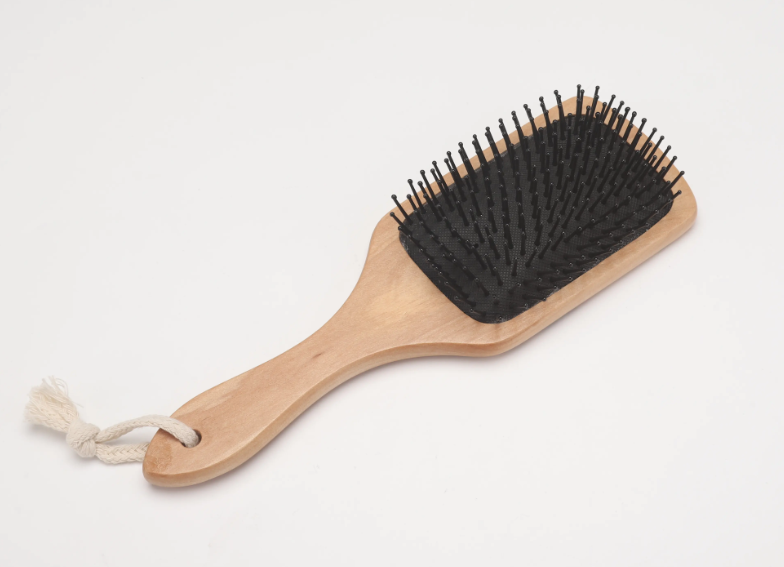
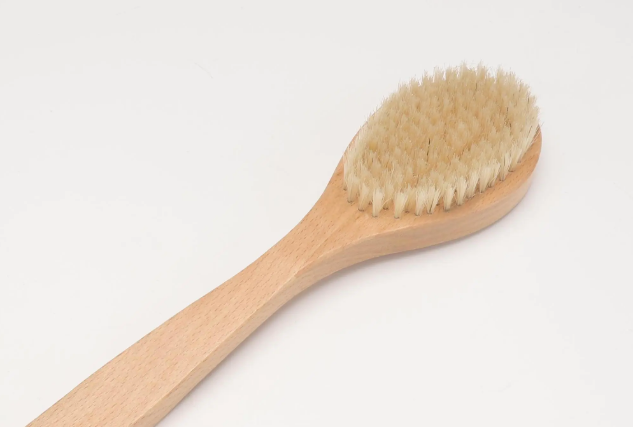
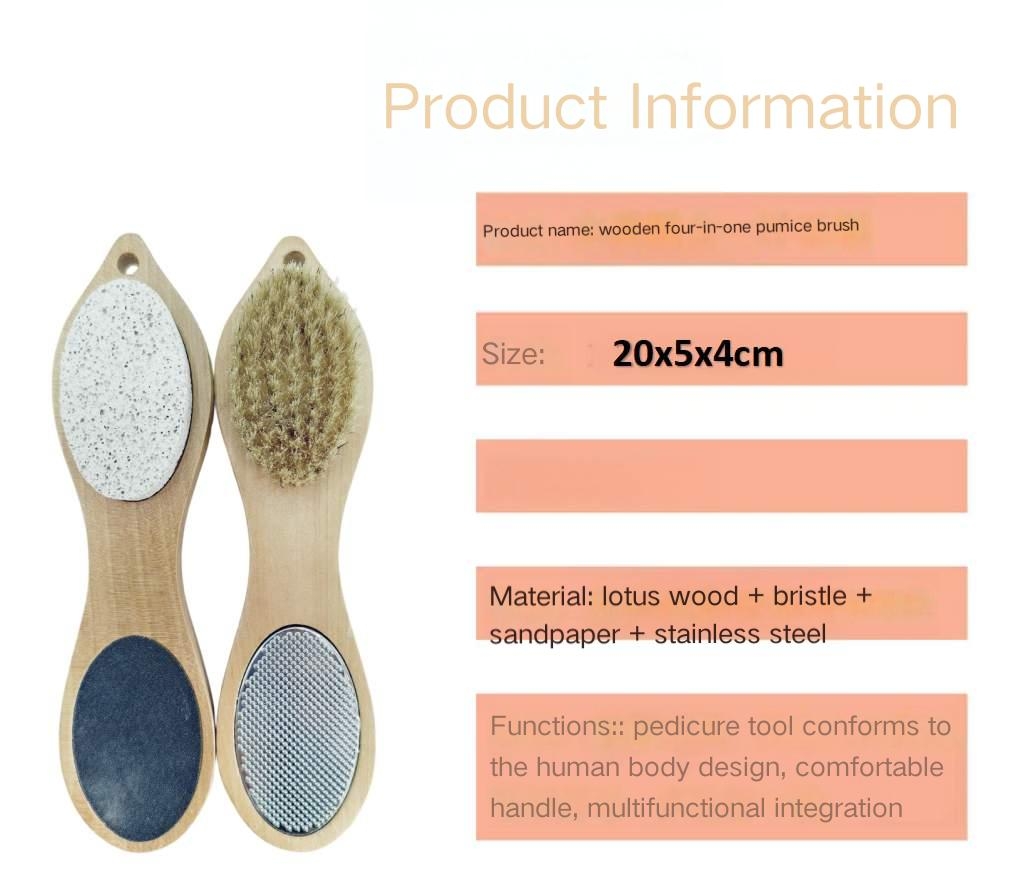
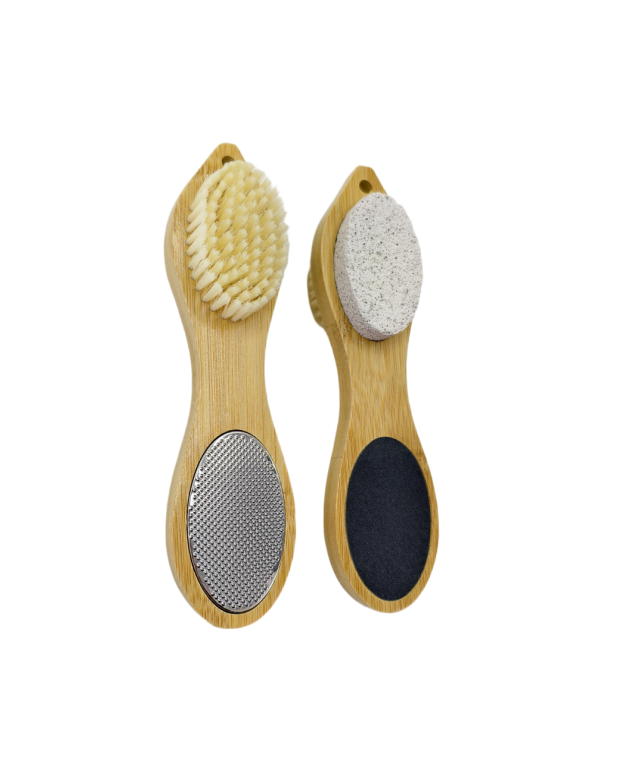
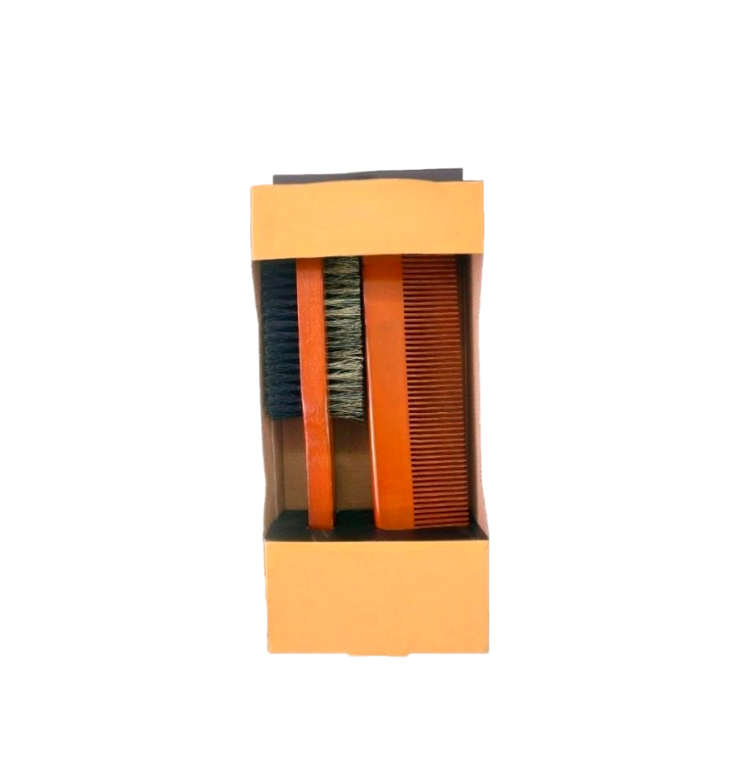
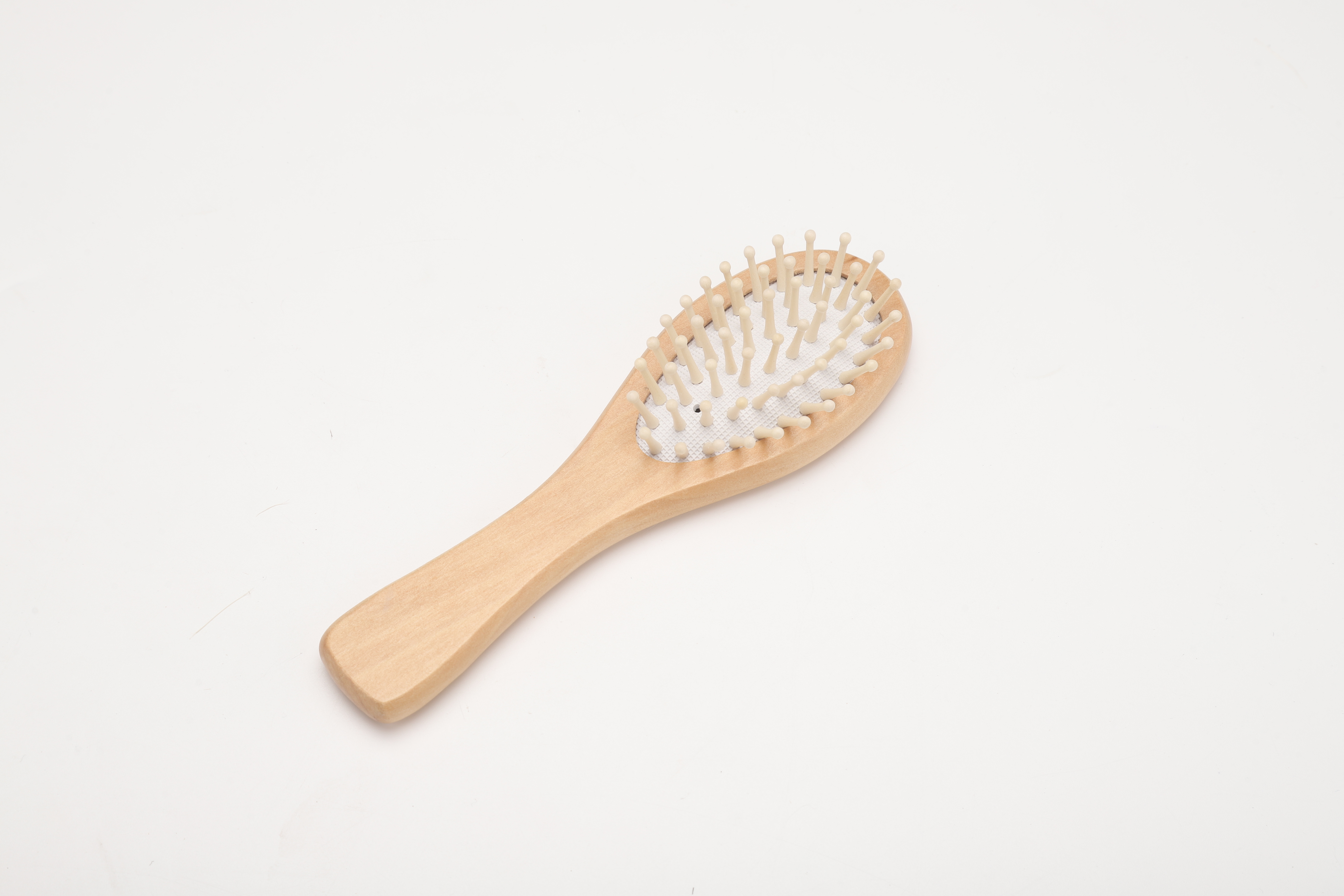
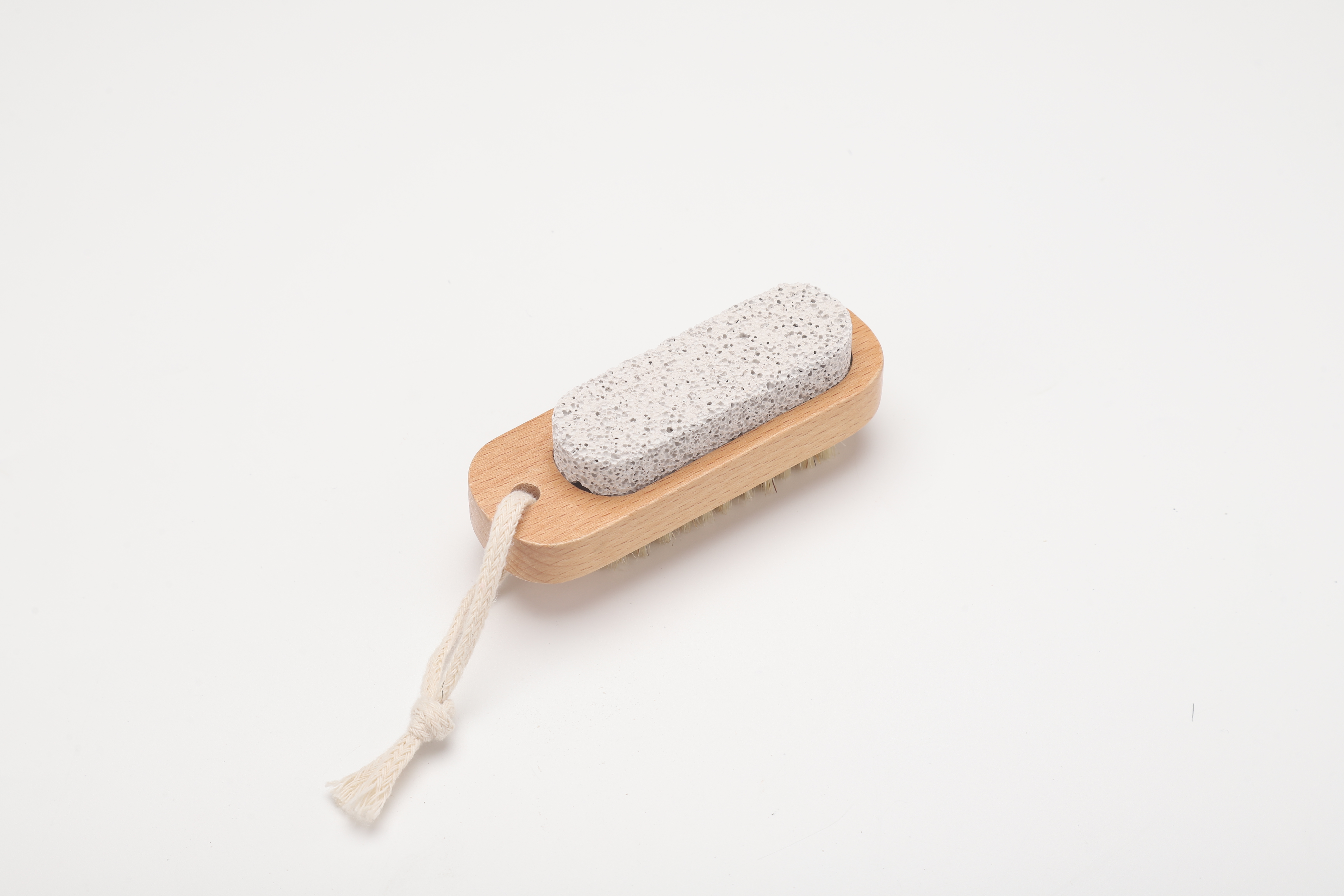
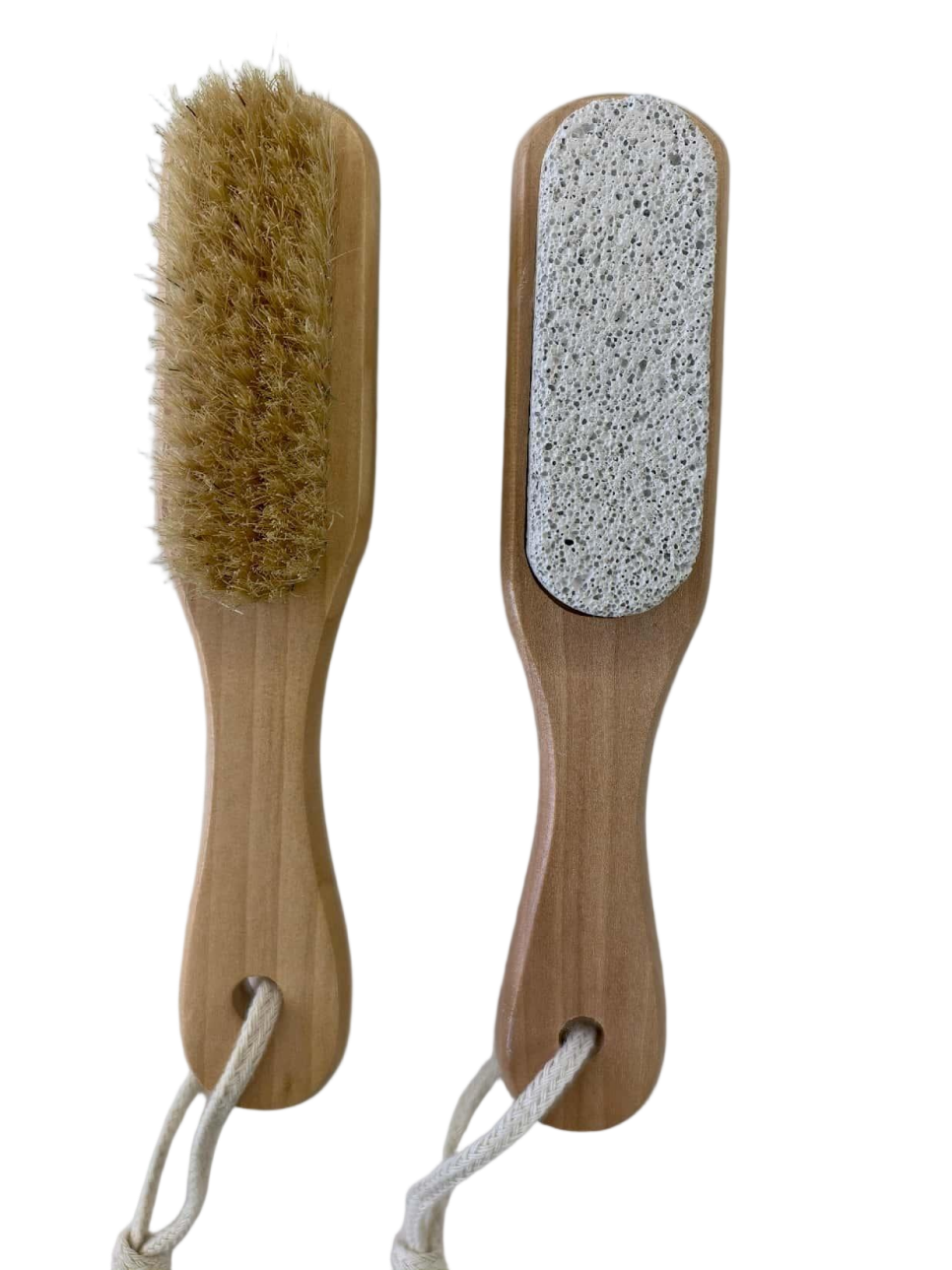
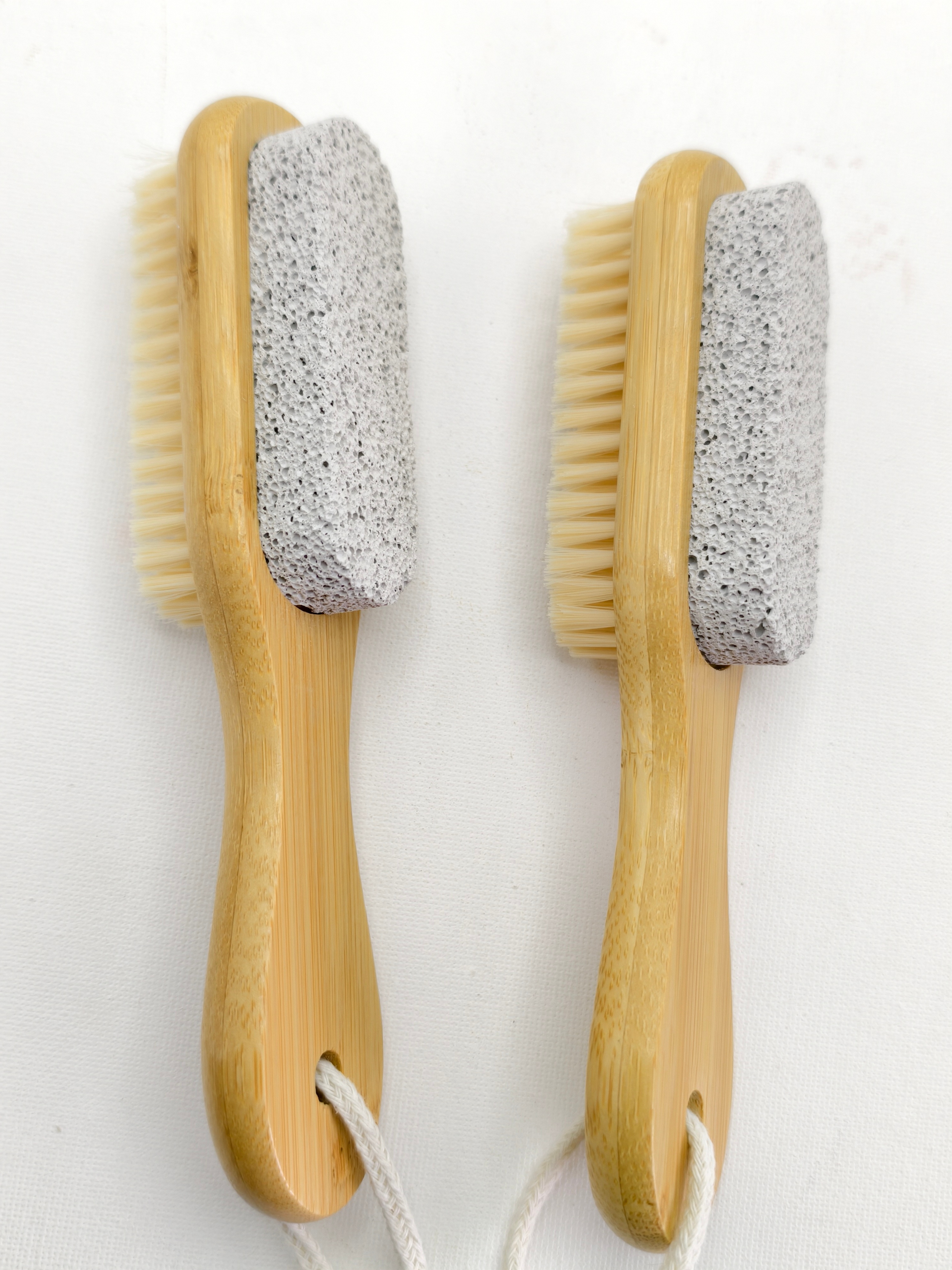
Selecting the right tool matters as much as technique. An Eco-Friendly Bamboo Handle Natural Bristle Massage Bath Brush works well for full-body dry brushing thanks to its firm bristle head and ergonomic grip, while an Eco-friendly long handle wooden bath brush or a long-handle bamboo bath brush is better suited for reaching the back and shoulders without strain. For a gentler, more targeted texture, a Long-handled sisal brush offers a slightly softer exfoliation feel, and a Wood cat paw silver ring nylon soft hair brush can be a comfortable option for lighter, more delicate areas.
Ningbo Kafete Daily Necessities Co., Ltd. has specialized in the research, development, and production of bath brushes, wooden brushes, and related bath and beauty accessories since 2017, based in Cixi, Zhejiang, China. Products are exported to over 40 countries, with core markets across the United States, Europe, and Japan. As an established bamboo body brush manufacturer and wooden bath brush for back factory, the company supports buyers exploring bamboo body brush wholesale sourcing, OEM bamboo body brush factory partnerships, and private label body brush manufacturer programs for retail and hospitality brands seeking consistent, natural bath care products.
Whether the goal is a personal 7-day dry brushing routine or sourcing from a reliable bamboo body brush supplier for a retail line, choosing brushes made from responsibly sourced bamboo and natural fiber bristles supports both skin goals and sustainability goals at the same time.
.png "mini bamboo nail brush")
.jpg "long handle loofa bath brush")
.jpg "long handle loofa bath brush")


