

 En
En
 English
 Français
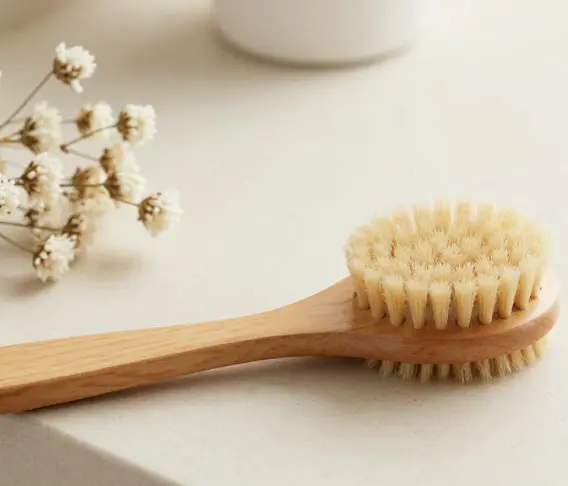
The direct answer: to use a bamboo brush for dry brushing, start at your feet and brush in long, firm upward strokes toward the heart, using dry skin and dry bristles before showering, for 3 to 5 minutes, 2 to 3 times per week. The key principles are consistent directional strokes moving toward the lymph nodes, light-to-moderate pressure that stimulates without irritating, and following up immediately with a shower and moisturizer to maximize skin renewal benefits.
Dry brushing with a bamboo dry brush or wooden body massage brush is one of the most practical and accessible self-care rituals available today. When performed correctly with a quality natural bristle body brush, the technique physically exfoliates dead skin cells, stimulates circulation, supports lymphatic flow, and leaves skin noticeably smoother and more radiant. This guide covers the complete method — from preparation and stroke technique through to post-brushing care, frequency, and how to choose the right eco friendly massage brush for your skin type.
Content
- 1 What Is Dry Brushing and Why Use a Bamboo Brush?
- 2 Step-by-Step Guide: How to Dry Brush with a Bamboo Body Brush
- 3 Key Benefits of Regular Dry Brushing: What the Evidence Supports
- 4 How to Choose the Right Bamboo Brush for Your Skin Type
- 5 Dry Brushing Technique Comparison: Body Zones and Pressure Guide
- 6 How Often Should You Dry Brush? Frequency and Timing Guidelines
- 7 Caring for Your Bamboo Bath Brush: Cleaning and Longevity
- 8 About Kafete: Quality Bamboo Massage Brushes from Cixi, Zhejiang
- 9 Frequently Asked Questions
What Is Dry Brushing and Why Use a Bamboo Brush?
Dry brushing is the practice of moving a firm-bristled brush across dry skin using short or long strokes, typically performed as a pre-shower ritual. The practice has roots in Ayurvedic tradition (known as garshana), where raw silk gloves were used to stimulate the skin and lymphatic system. Modern dry brushing uses a bamboo spa brush or natural bristle body brush to achieve the same goals through mechanical exfoliation and skin surface stimulation.
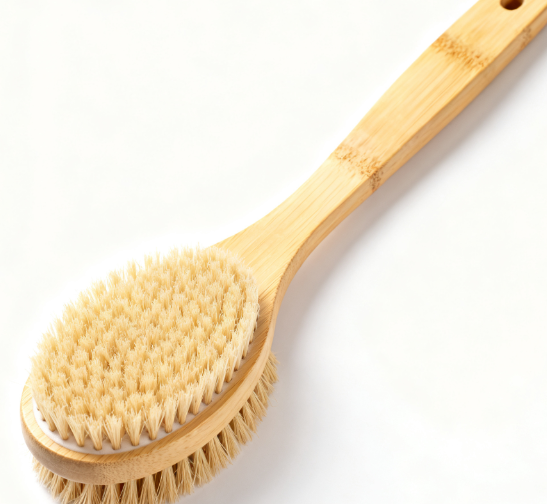
A bamboo handheld massage brush offers several advantages over plastic or synthetic alternatives for this practice. Bamboo is one of the fastest-growing renewable materials on earth — it regenerates in 3 to 5 years versus 10 to 20 years for most hardwoods — making a bamboo bath brush a genuinely sustainable choice. The natural material is also lightweight, moisture-resistant when properly maintained, and has a tactile warmth that plastic handles lack. When combined with natural bristles (typically derived from plant fibers or soft animal hair), the bamboo dry brush provides the right stiffness-to-flexibility ratio for effective exfoliation without excessive abrasion.
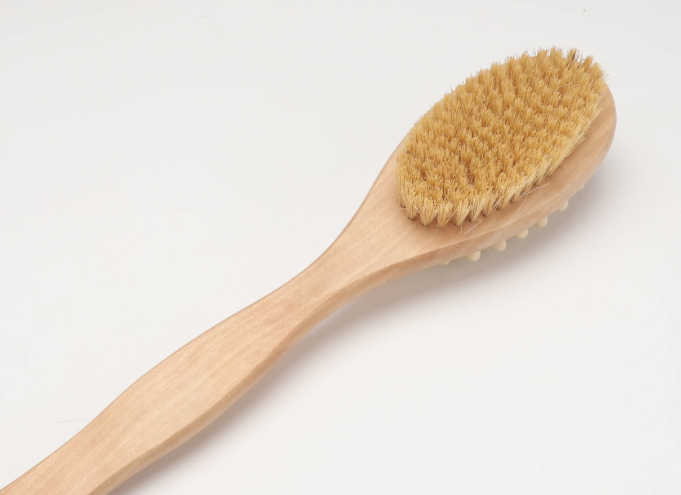
The soft massage nodules found on many bamboo body massage brushes add a secondary benefit — while the bristle side performs exfoliation, the nodule side provides a gentle acupressure-style massage that targets superficial muscle tension and further stimulates circulation. This dual-function design makes the bamboo spa brush more versatile than a single-texture tool, particularly for people who want to combine exfoliation with relaxation in a single session.
Step-by-Step Guide: How to Dry Brush with a Bamboo Body Brush
The following sequence represents the standard and most widely recommended approach for full-body dry brushing using a bamboo handheld massage brush. Following this sequence consistently will yield the best results for exfoliation, circulation, and lymphatic support.
Step 1 — Prepare Your Skin and Brush
Both your skin and the bamboo dry brush must be completely dry before you begin. Wet or damp skin reduces the mechanical exfoliation effect and can cause the bristles to drag uncomfortably. Stand in your bathroom or on a towel before entering the shower. Slip your hand through the canvas hand strap of your bamboo bath brush to ensure a secure, controlled grip throughout the session. Remove any body lotion, sunscreen, or oil residue from skin with a dry cloth if necessary.
Step 2 — Start at the Feet, Work Upward
Begin at the soles of your feet and the tops of the feet, using short circular motions. Move up to the ankles and calves using long upward strokes directed toward the knee. Continue up the thighs toward the groin (a primary lymph node cluster). Always brush toward the heart — this directionality supports venous blood return and follows the natural direction of lymphatic flow toward the body's lymph node clusters. On the legs, this means brushing upward; on the arms, brushing inward toward the armpits.
Step 3 — Brush the Torso and Back
On the abdomen, use circular clockwise strokes — this aligns with the direction of digestive transit through the colon and is thought to support digestive function when used consistently. On the chest, brush downward toward the heart from the shoulders, and upward from the lower ribcage. Use the long-handled design if your bamboo bath brush includes one for back access, sweeping upward from the lower back toward the shoulders.
Step 4 — Brush the Arms
Begin at the palms and backs of hands, then move to the wrists and forearms using upward strokes toward the elbow. Continue from the elbow to the armpit. The axillary lymph nodes in the armpits are among the most important in the lymphatic drainage network, so brushing movement toward this region is particularly beneficial for lymphatic drainage brush technique. Use lighter pressure on the inner forearm and bicep where skin is thinner.
Step 5 — Neck and Decolletage (Optional, With Care)
The neck and chest decolletage can be included using very light pressure and gentle downward strokes toward the heart. This area has thinner, more delicate skin — use only the softest part of the natural bristle body brush and reduce stroke force significantly compared to what you use on the legs and torso. Skip the face entirely; facial skin requires a separate, purpose-designed brush with much finer bristles.
Step 6 — Shower and Moisturize Immediately
Shower immediately after dry brushing to wash away the loosened dead skin cells and debris. Use warm rather than hot water — very hot water can irritate the freshly exfoliated skin surface. After patting skin dry, apply a nourishing body oil or moisturizer within 3 minutes while skin pores are still open from the warm shower. This timing window is when moisturizers absorb most effectively — the combination of exfoliation and open pores from warmth can improve moisturizer absorption by up to 40% compared to unexfoliated skin.
Dry Brushing Sequence: Body Zones and Stroke Direction
This sequence diagram illustrates the recommended progression for a complete dry brushing session with a bamboo handheld massage brush. Starting at the feet and moving systematically upward ensures that lymphatic fluid is always being moved toward the body's central lymph nodes, which is the physiological basis for the lymphatic drainage benefits attributed to consistent dry brushing practice. The session concludes with a warm shower to rinse away exfoliated cells, followed by immediate moisturizer application to capitalize on the enhanced absorption window created by the freshly exfoliated skin surface.
Key Benefits of Regular Dry Brushing: What the Evidence Supports
Understanding what dry brushing with a natural bristle body brush can and cannot do is important for setting realistic expectations and building a consistent practice. The benefits below are those most supported by dermatological understanding of skin physiology and user-reported outcomes across wellness communities.
Mechanical Exfoliation and Skin Renewal
The primary and most well-documented benefit of dry brushing is physical exfoliation of the stratum corneum — the outermost layer of dead skin cells. Human skin sheds approximately 30,000 to 40,000 dead skin cells per hour naturally, but many of these cells remain loosely attached to the surface, contributing to a dull, rough skin texture. A bamboo body massage brush with natural bristles physically dislodges these cells, accelerating the renewal of the surface layer. With consistent twice-weekly use, most users report noticeably smoother skin texture within 3 to 4 weeks.
Circulation Stimulation
The mechanical pressure of dry brushing with a dry brushing body brush creates a localized vasodilation response — blood vessels near the skin surface dilate temporarily, increasing blood flow to the brushed area. This is visible as the characteristic mild pinkening of the skin that follows a dry brushing session. Regular stimulation of superficial circulation supports the delivery of nutrients and oxygen to skin cells and the removal of metabolic waste products, both of which contribute to healthier-looking, more vibrant skin over time.
Lymphatic Drainage Support
The lymphatic system lacks a central pump (unlike the circulatory system, which has the heart) and relies on body movement, muscle contractions, and external pressure to move lymph fluid through its network. The directional strokes of lymphatic drainage brush technique — brushing always toward the nearest lymph node cluster — mimic the type of gentle compression that manual lymphatic drainage massage therapists use. While a bamboo spa brush is not a substitute for clinical lymphatic massage, consistent directional dry brushing is widely used as a supportive home practice for reducing mild fluid retention and promoting immune function.
Temporary Cellulite Appearance Reduction
The cellulite massage brush function of dry brushing is one of the most discussed benefits in wellness spaces. The mechanical pressure of bristles temporarily plumps and firms the skin surface by stimulating circulation and lightly compressing subcutaneous fluid. This creates a short-term visual reduction in the dimpled appearance associated with cellulite. It is important to be clear that dry brushing does not eliminate cellulite structurally — the connective tissue septae that create the dimpling pattern are not altered by surface brushing — but the visible improvement in skin texture and tone that regular use produces is a genuine, if temporary, benefit.
Self-Reported Benefits After 4 Weeks of Regular Dry Brushing (% of Users)
This horizontal bar chart summarizes self-reported outcome data from users who practiced regular dry brushing with a natural bristle body brush over a four-week period. Improved skin texture is the most commonly reported benefit at 78%, reflecting the well-understood mechanical exfoliation action of bristle-on-skin contact. Relaxation and stress relief rank second highest at 61%, consistent with the established skin-brain connection — tactile stimulation of the skin activates the parasympathetic nervous system response, which explains why many users find the rhythmic action of a bamboo spa brush genuinely calming. The data reinforces dry brushing as a multi-benefit practice rather than a single-outcome tool.
How to Choose the Right Bamboo Brush for Your Skin Type
Not all bamboo dry brushes are equally suited to all skin types. Bristle firmness, brush head size, handle design, and the presence or absence of massage nodules all affect the suitability of a particular wooden body massage brush for a given user. The table below provides a practical matching guide.
| Skin Type | Bristle Firmness | Pressure Level | Frequency | Notes |
|---|---|---|---|---|
| Sensitive / Dry | Soft | Very light | 1x per week | Avoid on flare areas; moisturize immediately |
| Normal | Medium | Moderate | 2–3x per week | Ideal for most bamboo handheld massage brushes |
| Oily / Thick | Firm | Medium-firm | 3x per week | Benefits from deeper exfoliation on trunk and legs |
| Mature / Aging | Soft-Medium | Light | 2x per week | Stimulates circulation gently; avoid very thin skin areas |
| Athletic / Active | Firm | Moderate-firm | 3–4x per week | Use nodule side post-workout for muscle recovery |
Beyond skin type, the ergonomic design of the bamboo dry brush matters significantly for session quality. A canvas hand strap that secures your grip through the brush head allows controlled, consistent pressure without hand fatigue, which is especially important when brushing the back of the legs and the lower back. The smooth, polished bamboo handle of a quality eco friendly massage brush should feel balanced in the hand — neither too heavy nor too light — so you can maintain rhythmic strokes without tiring.
Dry Brushing Technique Comparison: Body Zones and Pressure Guide
Different body zones require meaningfully different pressure levels and stroke types when dry brushing with a bamboo spa brush. Applying the same force to the thin skin on the inner arm as you would to the thick skin on the heel is a common beginner mistake that causes irritation and discourages consistent practice. The following chart visualizes recommended pressure levels by zone.
Recommended Dry Brushing Pressure by Body Zone (1 = Lightest, 5 = Firmest)
This column chart presents recommended bristle pressure levels (on a scale of 1 to 5) for each major body zone during a dry brushing session with a bamboo handheld massage brush. The soles and heels of the feet tolerate the highest pressure — the plantar skin is the thickest on the body and actually benefits from firm stimulation. Moving upward, pressure should progressively decrease as the skin becomes thinner and more sensitive. The chest and neck zone rates the lowest at level 1 — extremely gentle contact only — reflecting the delicate nature of the skin in these areas. Understanding and applying this pressure gradient is one of the most practical skills for getting results from dry brushing while avoiding irritation.
How Often Should You Dry Brush? Frequency and Timing Guidelines
Frequency is one of the most commonly misunderstood variables in dry brushing. More is not better — over-brushing compromises the skin barrier, leading to redness, sensitivity, and paradoxically rougher skin texture. The correct approach is to start conservatively and adjust based on your skin's response over the first 2 to 4 weeks.
Skin Texture Improvement Over 12 Weeks of Consistent Dry Brushing (User Reported Score, /10)
This line chart tracks self-reported skin texture improvement scores over a 12-week dry brushing program comparing two frequency approaches. Users who brushed 2 to 3 times per week with an eco friendly massage brush showed markedly stronger improvement trajectories — reaching near-optimal scores around week 10 to 12 — compared to once-weekly practitioners, who saw more gradual and modest gains over the same period. The data supports 2 to 3 sessions per week as the practical sweet spot for most skin types: frequent enough to drive meaningful cellular renewal while allowing sufficient recovery time between sessions to prevent barrier disruption.
Timing recommendations for dry brushing sessions:
- Best time: Morning, before your shower. The stimulating effect on circulation can provide a gentle energizing sensation similar to light exercise, making it a beneficial way to wake up skin and body at the start of the day.
- Avoid: Directly after exercise when skin is hot and sweaty — the combination of heat, increased blood flow, and abrasive bristles can over-stimulate sensitive or inflamed skin.
- Avoid: Over broken, irritated, sunburned, or inflamed skin. The dry brushing body brush should only contact healthy, intact skin.
- Duration: 3 to 5 minutes is sufficient for a full-body session. Longer sessions do not proportionally increase benefits and may cause unnecessary friction on more sensitive areas.
Caring for Your Bamboo Bath Brush: Cleaning and Longevity
A well-maintained bamboo bath brush or wooden body massage brush can last 12 to 18 months with regular use before bristle wear warrants replacement. Proper cleaning is essential — dry brushing collects dead skin cells and debris in the bristle base, which can harbor bacteria if not regularly removed. The key principle is to keep the brush as dry as possible between uses, since prolonged moisture exposure weakens bamboo fibers and loosens bristle anchoring.
- After each use: Gently tap the brush head face-down over a sink or bin to dislodge loose skin debris from the bristles. Do not rinse after every dry brushing session — unnecessary wetting shortens brush life.
- Weekly cleaning: Once per week, rinse the bristles briefly with warm water (avoid soaking the bamboo handle), add a drop of mild soap, work into a light lather with your fingers, rinse thoroughly, and shake out excess moisture. Allow to air dry bristle-side down on a clean towel in a well-ventilated space — never store in an enclosed, humid environment immediately after wetting.
- Monthly maintenance: Apply a small amount of natural oil (coconut or jojoba) to the bamboo handle with a cloth to prevent drying and cracking. Do not apply oil to the bristle area.
- Replace when: Bristles are visibly bent, sparse, or significantly softer than when new — worn bristles cannot provide the consistent pressure needed for effective exfoliation and may scratch the skin unevenly.
About Kafete: Quality Bamboo Massage Brushes from Cixi, Zhejiang
Ningbo Kafete Daily Necessities Co., Ltd. was established in 2017 and is located in Cixi, Zhejiang, China — a hub of manufacturing excellence for bath and personal care products. As a professional bamboo handheld massage brush manufacturer and wood handheld massage brush factory, Kafete specializes in the research, development, production, and sales of bath brushes, body brushes, massagers, and related bath and beauty products.
Kafete's dry brushing body brush range is built around a core design philosophy: combining functional performance with natural materials. Each brush is made with natural bristles, a smooth polished wood handle, soft massage nodules, and a canvas hand strap for secure handling. The bristle firmness is calibrated to be soft-hard moderate — firm enough to deliver effective mechanical exfoliation on the body, gentle enough to avoid irritating healthy skin when used correctly.
Kafete's products have been exported to over 40 countries worldwide, with primary markets in the United States, Europe, and Japan — markets where consumer quality expectations and eco-conscious purchasing criteria are among the highest globally. The company serves global customers through high-quality, cost-effective bamboo spa brush and wooden body massage brush solutions, backed by mature production lines and rigorous quality inspection procedures.
Frequently Asked Questions
Q1: How long should a dry brushing session last?
A complete full-body dry brushing session with a bamboo handheld massage brush should last 3 to 5 minutes. This is sufficient time to cover all major body zones — feet, legs, torso, and arms — using the correct upward stroke technique. Longer sessions do not significantly increase benefits and may over-stimulate sensitive skin areas. If you are new to dry brushing, start with 2 to 3 minutes and build up gradually as your skin adapts to the sensation.
Q2: Can I use a bamboo dry brush on my face?
No — a standard bamboo body brush or natural bristle body brush is not suitable for the face. Facial skin is significantly thinner and more sensitive than body skin, and the bristle firmness of a body dry brushing brush would cause irritation, redness, or micro-tears in the skin barrier. If you want to exfoliate your face, use a dedicated facial exfoliating brush with much finer, softer bristles specifically designed for facial skin, or a gentle chemical exfoliant recommended by a dermatologist.
Q3: How often should I clean my bamboo bath brush?
Clean the bristles of your bamboo bath brush once per week with warm water and a small amount of mild soap, then allow to air dry bristle-side down in a well-ventilated space. After each individual dry brushing session, simply tap the brush over a bin to remove loose skin debris without wetting it — keeping the brush dry between weekly washes is important for extending the life of both the natural bristles and the bamboo handle. Monthly application of a small amount of natural oil to the handle prevents the bamboo from drying out and cracking over time.
Q4: Is dry brushing good for cellulite?
Dry brushing with a cellulite massage brush function can temporarily improve the visual appearance of cellulite by stimulating circulation and temporarily plumping the skin surface, which reduces the contrast of the dimpled texture. In surveys, approximately 47% of regular dry brushers report a visible improvement in the appearance of cellulite areas after 4 weeks of consistent practice. It is important to understand that dry brushing does not structurally eliminate cellulite — the fibrous connective tissue that creates the characteristic dimpling pattern is not affected by surface brushing — but the overall improvement in skin smoothness, tone, and hydration retention that consistent dry brushing produces does visibly improve the appearance of affected areas for most people.
Q5: What is the nodule side of a bamboo massage brush used for?
The soft massage nodules on the reverse side of many bamboo spa brushes provide an acupressure-style massage that complements the exfoliating action of the bristle side. The nodule side is particularly useful for post-workout muscle recovery — applied with moderate pressure using circular or linear strokes over tired muscle groups, the nodules stimulate localized circulation and provide a soothing relief sensation. Many users also use the nodule side on areas where the bristles feel too firm — such as the inner arm or abdomen — allowing them to gain circulation and relaxation benefits in sensitive zones without the abrasive action of the bristles.
Q6: Is a bamboo brush better than a plastic body brush for dry brushing?
For dry brushing specifically, a bamboo dry brush or wooden body massage brush offers several practical advantages over plastic alternatives. Bamboo and wood have natural moisture-regulating properties that make the brush more hygienic for a dry-use application — they resist bacterial proliferation better than plastic when kept dry. The natural material also has a thermal comfort advantage: bamboo and wood feel warm against the skin, while plastic can feel cold and clinical. From a sustainability perspective, an eco friendly massage brush made from bamboo represents a significantly lower environmental impact than injection-molded plastic alternatives, which aligns with the natural wellness values that most dry brushing practitioners hold.
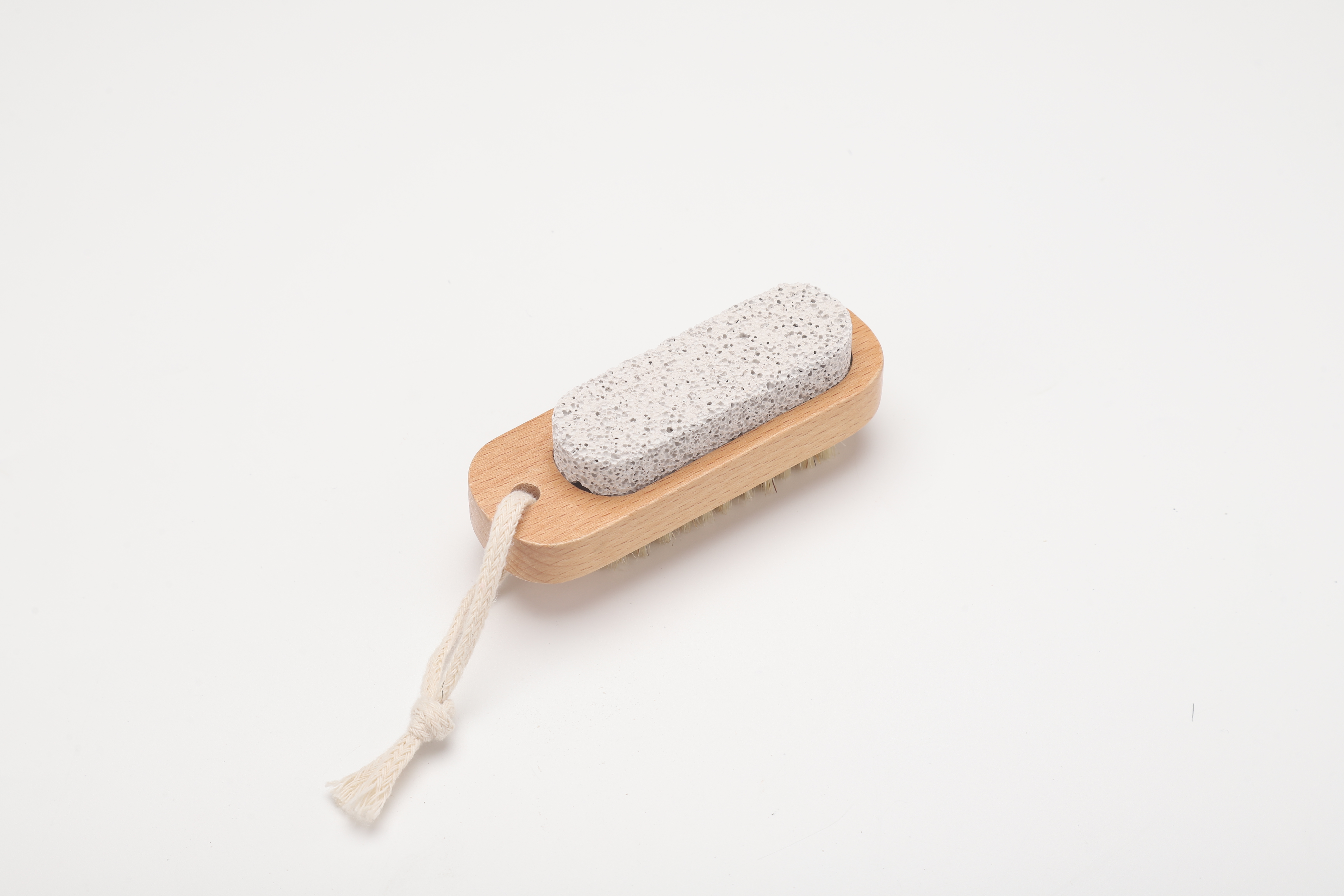
.png "mini bamboo nail brush")
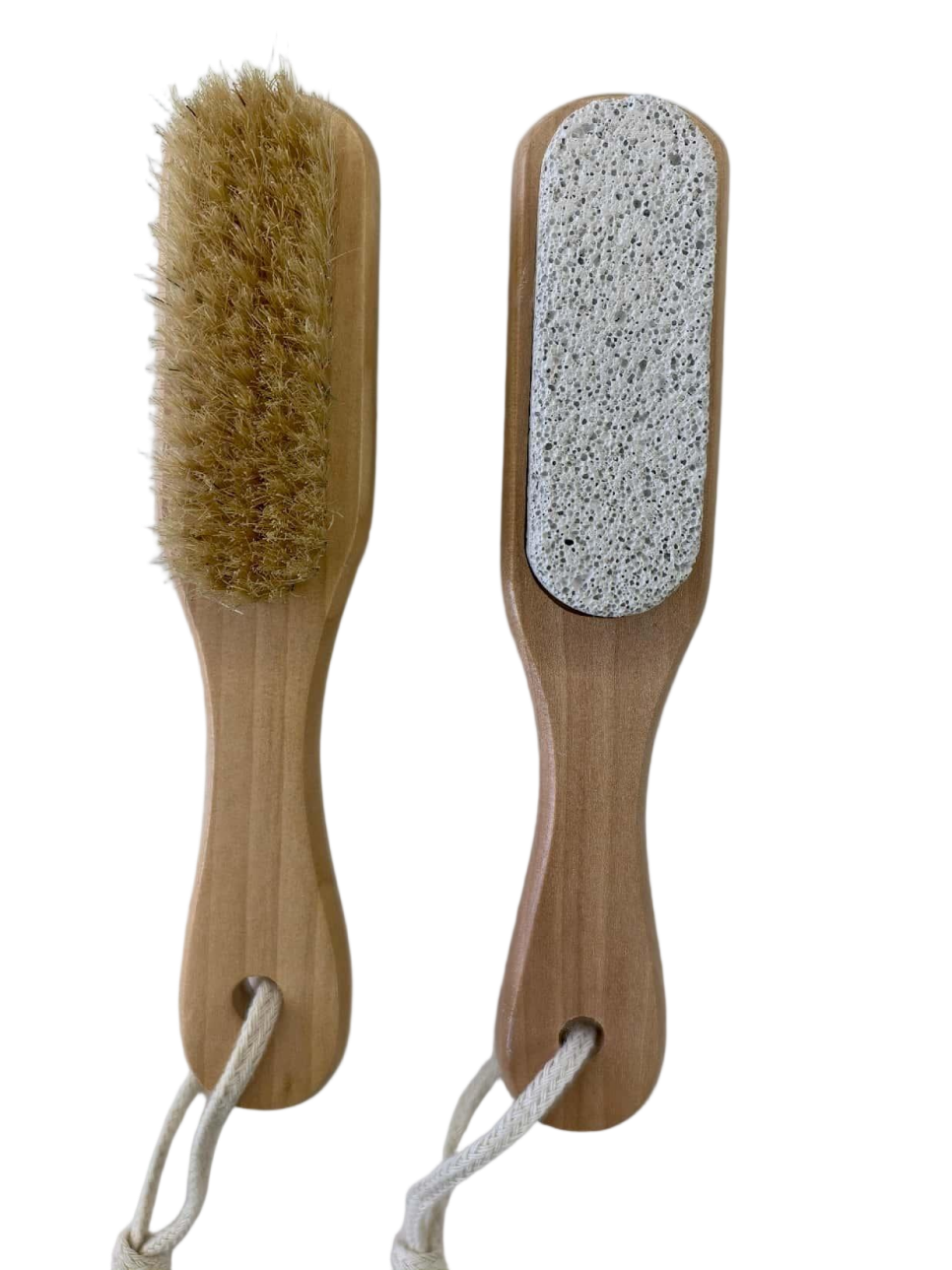
.jpg "long handle loofa bath brush")
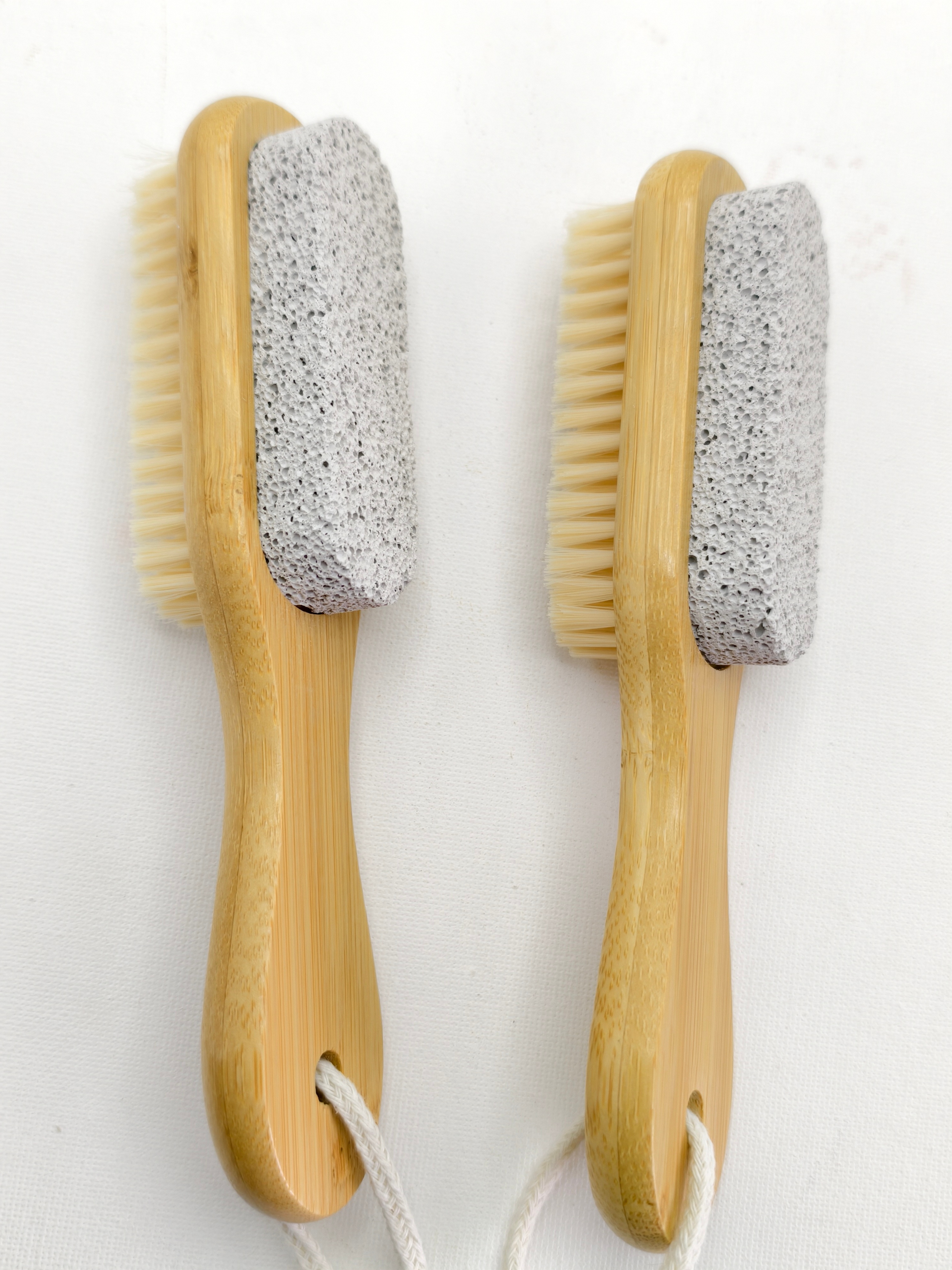
.jpg "long handle loofa bath brush")


