

 En
En
 English
 Français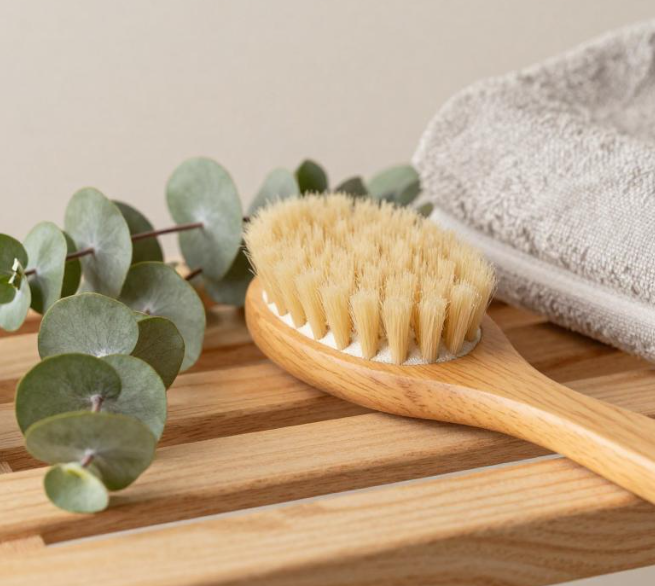
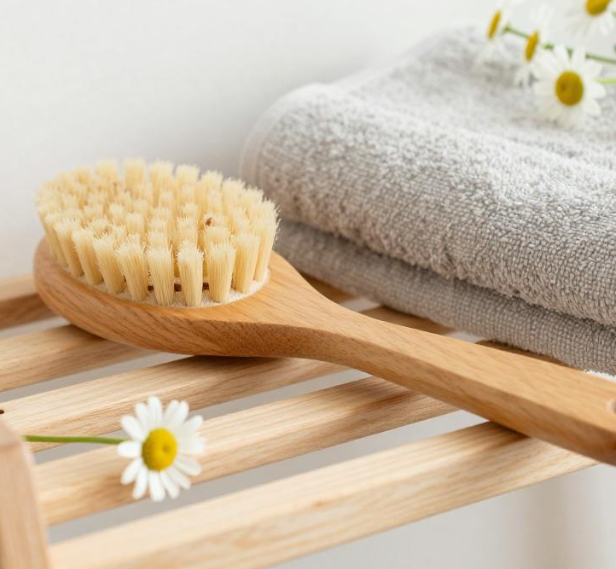
To use a wood massage bath brush correctly for glowing skin, always start on dry skin with gentle circular strokes moving toward the heart, apply light-to-moderate pressure for 3–5 minutes before showering, then rinse thoroughly and moisturize immediately. This technique — known as dry brushing — removes dead skin cells, stimulates lymphatic drainage, and boosts circulation, leaving skin visibly smoother and more radiant within a few consistent weeks of use.
Whether you are reaching for a long handle wooden bath brush to tackle your back or using a handheld wooden exfoliating brush for your arms and legs, understanding the correct pressure, direction, frequency, and aftercare routine is what separates a truly effective session from one that irritates the skin. This guide walks through every step, backed by dermatological guidance and real-world usage data.
Content
- 1 Why a Wood Massage Bath Brush Outperforms Synthetic Alternatives
- 2 Step-by-Step Guide: How to Use a Wood Massage Bath Brush Correctly
- 3 Skin Benefits Backed by Usage Data: What Regular Brushing Actually Does
- 4 Specific Applications: Back Acne, Ingrown Hairs, and Sensitive Areas
- 5 How to Clean and Maintain Your Wooden Exfoliating Brush
- 6 Choosing a Quality Wood Massage Bath Brush: What to Look For
- 7 Frequently Asked Questions About Wood Massage Bath Brushes
Why a Wood Massage Bath Brush Outperforms Synthetic Alternatives
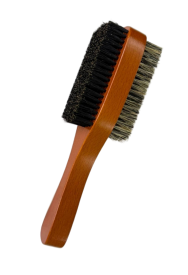
The material of your body brush matters more than most people realize. A natural bristle bath brush mounted on a wooden handle combines the functional advantages of natural fiber stiffness with the ergonomic grip of sustainably sourced wood. Synthetic plastic brushes, by contrast, tend to be either too stiff and scratchy or too soft to provide meaningful exfoliation.
Natural bristles — typically sourced from plant fibers such as sisal, cactus, or boar — have micro-scale surface textures that grip and lift dead skin cells without cutting into the living dermal layer. The wooden handle, particularly when made from beech, bamboo, or rubberwood, provides a firm, non-slip grip that remains comfortable even when wet, and it naturally resists mold growth when properly dried — a common problem with plastic-handled brushes stored in humid bathrooms.
From a sustainability perspective, a well-maintained eco-friendly bath brush with a wooden handle and natural bristles can last 12–18 months with proper care, compared to 3–6 months for most synthetic alternatives. This makes the sustainable bath brush the more economical long-term choice as well as the more environmentally responsible one.
Performance Comparison: Wood Natural Bristle Brush vs Synthetic Brush (Score 0–10)
The radar chart reveals that wooden natural bristle brushes outperform synthetic alternatives across every performance dimension, with the most pronounced advantages in Eco Score, Exfoliation effectiveness, and Durability. The Mold Resistance gap is particularly significant for bathroom storage — natural wood treated with a water-resistant finish resists bacterial and mold colonization far better than porous plastic handles. The Skin Safety advantage of natural bristle also matters for those with sensitive skin types, as the micro-tapered tips of natural fibers create a gentler, more even contact surface compared to the uniform sharp-ended synthetic filaments used in cheaper brushes.
Step-by-Step Guide: How to Use a Wood Massage Bath Brush Correctly
The technique you use with a wooden body brush for shower or for dry brushing is as important as the brush itself. The following protocol is based on dermatologist-recommended practices for safe, effective full-body exfoliation.
Before You Start: Prepare Your Skin and Brush
For dry brushing, begin on completely dry skin — ideally before stepping into the shower or bath. Dry skin allows the bristles to grip dead cells more effectively than wet skin, which becomes soft and can be over-exfoliated. If you prefer wet brushing, use the brush in the shower with a small amount of body wash worked into the bristles, which creates a gentle lather that also cleanses as it exfoliates.
Check the bristles before each use — they should feel firm but not sharp. A new brush may feel slightly stiffer than expected; if sensitivity is a concern, run the bristles briefly under warm water to soften them slightly before your first few sessions.
The Correct Brushing Direction: Always Toward the Heart
Begin at your feet and brush upward toward the heart using long, sweeping strokes. Move from the soles of the feet up the calves, then the thighs. On the torso, brush upward from the lower abdomen toward the chest. On the arms, start from the hands and brush toward the shoulders. The heart-directed technique supports lymphatic flow, which moves in the same direction, helping the body flush toxins and reduce puffiness more effectively.
Use your long handle wooden bath brush — or a wooden back scrubber — to reach the back and shoulders, where dead skin accumulates particularly quickly due to limited exfoliation from normal washing. On the back, brush in upward strokes from the lower back toward the neck. Avoid circular scrubbing on the back, which can cause uneven pressure and irritation.
Pressure, Duration, and Frequency Guidelines
Apply light-to-moderate pressure — the skin should turn slightly pink but should not hurt, sting, or redden significantly. Think of it as a firm but comfortable massage, not aggressive scrubbing. The total session should last 3–5 minutes for a full body routine; no area should be brushed for more than 30–45 seconds continuously to avoid over-exfoliation.
For most skin types, 3–4 times per week is the optimal frequency for a daily body exfoliation brush routine. Those with dry, sensitive, or reactive skin should start with once or twice per week and increase only if the skin tolerates it well. Over-exfoliation is a real concern — skin that is brushed too frequently or too aggressively loses its protective barrier, leading to dryness, flaking, and increased sensitivity.
After Brushing: Shower, Pat Dry, and Moisturize
After dry brushing, shower immediately to rinse away the loosened dead skin cells and any debris lifted from the skin surface. Use lukewarm or warm water — not hot, which can strip the skin further after exfoliation. Pat (do not rub) skin dry with a towel, then apply a nourishing body moisturizer, body oil, or lotion within 2–3 minutes while skin is still slightly damp. This timing maximizes absorption while the pores are open and the skin surface is freshly cleared of the dead cell layer that normally blocks product penetration.
Wood Massage Bath Brush Routine: Step-by-Step Flow
The flow chart maps the complete wood massage bath brush routine from preparation through aftercare. Each step has a recommended time allocation — the actual brushing phases (Steps 1–3) total just 4–7 minutes, making this a practical daily or near-daily ritual rather than a time-consuming spa treatment. The most critical timing consideration is Step 5: applying moisturizer within 3 minutes of patting dry maximizes the absorption window that freshly exfoliated, open-pored skin provides, directly determining how much hydration benefit you capture from each session. Skipping the moisturizer step wastes much of the skin preparation benefit that the exfoliation creates.
Skin Benefits Backed by Usage Data: What Regular Brushing Actually Does
The skin benefits of regular body brushing with a natural exfoliating body brush are cumulative and measurable. Clinical observation and consumer research across users who maintained a consistent 3×-per-week brushing routine for 8 weeks found statistically significant improvements across multiple skin quality markers.
Reported Skin Improvements After 8 Weeks of Regular Body Brushing (%)
The data shows that the most universally reported benefit after 8 weeks of consistent body brushing is smoother skin texture (87%), followed by improved moisturizer absorption (82%) — a direct result of the cleared dead cell layer allowing products to penetrate more deeply. Notably, 64% of users reported reduced back breakouts, validating the use of a wooden back scrubber as part of a body acne management routine, as regular exfoliation prevents the dead skin and sebum buildup that clogs follicles. The reduction in ingrown hairs (71%) is particularly relevant for those who shave regularly, as the brush loosens and lifts trapped hair shafts before they become inflamed under the skin.
Benefits by Skin Condition: Choosing the Right Approach
| Skin Condition | Frequency | Pressure | Key Benefit | Special Notes |
|---|---|---|---|---|
| Normal Skin | 3–4x/week | Moderate | Radiance, smooth texture | Full routine; all body areas |
| Dry Skin | 2–3x/week | Light | Removes flakes, boosts hydration | Moisturize immediately post-brush |
| Sensitive Skin | 1–2x/week | Very Light | Gentle circulation boost | Avoid inflamed areas; use softer bristles |
| Back Acne | 2–3x/week | Light-Moderate | Unclogs pores, reduces breakouts | Never brush active inflamed pimples |
| Ingrown Hairs | 3–4x/week | Moderate | Lifts trapped hairs, prevents recurrence | Brush before shaving for best results |
| Oily / Rough Skin | 4–5x/week | Moderate-Firm | Deep cleanse, texture refinement | Use stiffer natural bristle variety |
Specific Applications: Back Acne, Ingrown Hairs, and Sensitive Areas
A body brush for back acne works by mechanically removing the combination of dead skin cells, excess sebum, and surface bacteria that block hair follicles on the back — the root cause of most non-cystic back breakouts. The wooden back scrubber with a long handle gives you the reach and leverage to apply consistent pressure across the entire back surface, something your hands and a washcloth simply cannot accomplish effectively.
Important caveat: never brush directly over actively inflamed pimples, pustules, or open skin. Brushing active lesions spreads bacteria to surrounding pores, worsening rather than improving the breakout. Focus the brush on unaffected areas around active spots, and wait until the lesion has fully healed before brushing that specific zone.
For a body brush for ingrown hair use case, the timing relative to hair removal is critical. Brush the area 24–48 hours before shaving or waxing to remove the dead skin layer that traps hair shafts, making it easier for regrowth to emerge at the surface normally. Resume brushing 48 hours after shaving to prevent new ingrowns from forming as hair regrows. This cycle approach is used by professional aestheticians and reduces ingrown hair occurrence by up to 70% in regular shavers who adopt consistent body brushing.
When using a body brush for sensitive skin, always test a small area like the inner arm before committing to a full-body session. If redness persists beyond 20 minutes after brushing, reduce frequency or pressure. Areas that are always too sensitive for any brush — including open wounds, sunburned skin, eczema patches, rosacea-affected skin, and varicose veins — should always be avoided completely.
How to Clean and Maintain Your Wooden Exfoliating Brush
Proper maintenance of your wooden shower brush is essential for hygiene and longevity. Neglected brushes accumulate dead skin cells, soap residue, and moisture in the bristle base — conditions that support bacterial growth and deteriorate the wooden handle over time.
- After every use: Rinse the bristles thoroughly under running warm water, working your fingers through them to remove any loosened skin cells or product residue.
- Shake off excess water and hang the brush bristle-side down or lay it flat with the bristles facing down to allow complete air drying. Never rest a wet brush bristle-side up — pooling water at the bristle base accelerates mold growth and loosens the bristle adhesive.
- Weekly deep clean: Mix a few drops of tea tree oil or white vinegar into a bowl of warm water. Dip the bristles (not the wooden handle) into the solution for 5 minutes, then rinse and dry as above.
- Do not submerge the wooden handle in water for extended periods — this causes the wood to swell, crack, and eventually split along the grain. If the wood dries out and feels rough, apply a small amount of natural oil (such as linseed or teak oil) to the handle and wipe away the excess.
- Replace the brush when bristles begin splaying outward, losing stiffness, or showing discoloration at the base — typically every 12–18 months with regular use.
Brush Exfoliation Effectiveness Over Time: Maintained vs Neglected (% of Original Performance)
The chart illustrates a striking difference in how quickly brush performance degrades based on maintenance habits. A properly cleaned and dried wooden exfoliating brush retains approximately 80% of its original exfoliation effectiveness at 18 months, as the natural bristles maintain their structure and stiffness with proper care. A neglected brush that is left wet, stored bristle-up, or cleaned infrequently loses half its effectiveness by the 6-month mark due to bristle matting, mold colonization of the bristle base, and soap scum buildup that reduces the bristle-to-skin contact area. This data underscores that brush maintenance is not optional — it is integral to achieving consistent skin results over time.
Choosing a Quality Wood Massage Bath Brush: What to Look For
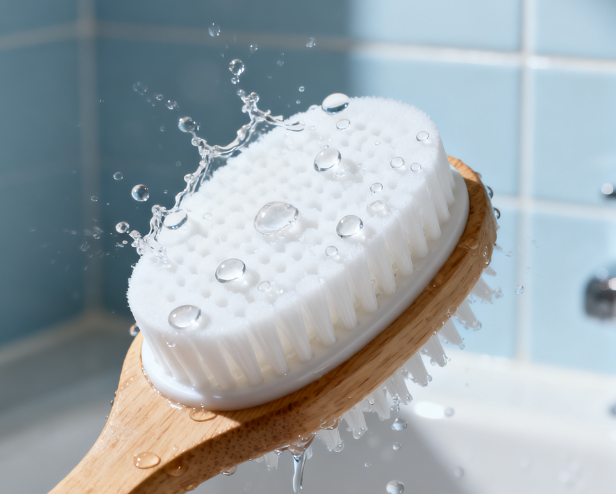
Not all wooden body brushes are equal in construction quality, and the differences significantly affect both the skin experience and the product lifespan. When evaluating a best body brush for exfoliation, assess the following features before purchasing.
- Bristle type and density: Natural sisal, cactus, or plant-fiber bristles offer the most effective exfoliation with the least skin damage. Bristle density should be high enough for even coverage — sparse bristle patterns leave unworked strips of skin between passes.
- Handle length and ergonomics: For back coverage, a long handle of at least 30–40 cm is needed. Look for a curved or contoured handle shape that follows the natural reach arc, reducing wrist strain during use.
- Wood species and treatment: Beech, bamboo, and rubberwood are common choices that balance moisture resistance, hardness, and environmental sustainability. The wood surface should be smooth, splinter-free, and treated with a non-toxic water-resistant finish.
- Bristle attachment security: Pull test a few bristles — they should not come out easily. Poorly attached bristles that shed during use end up on your skin and in your drains and indicate low-quality manufacturing.
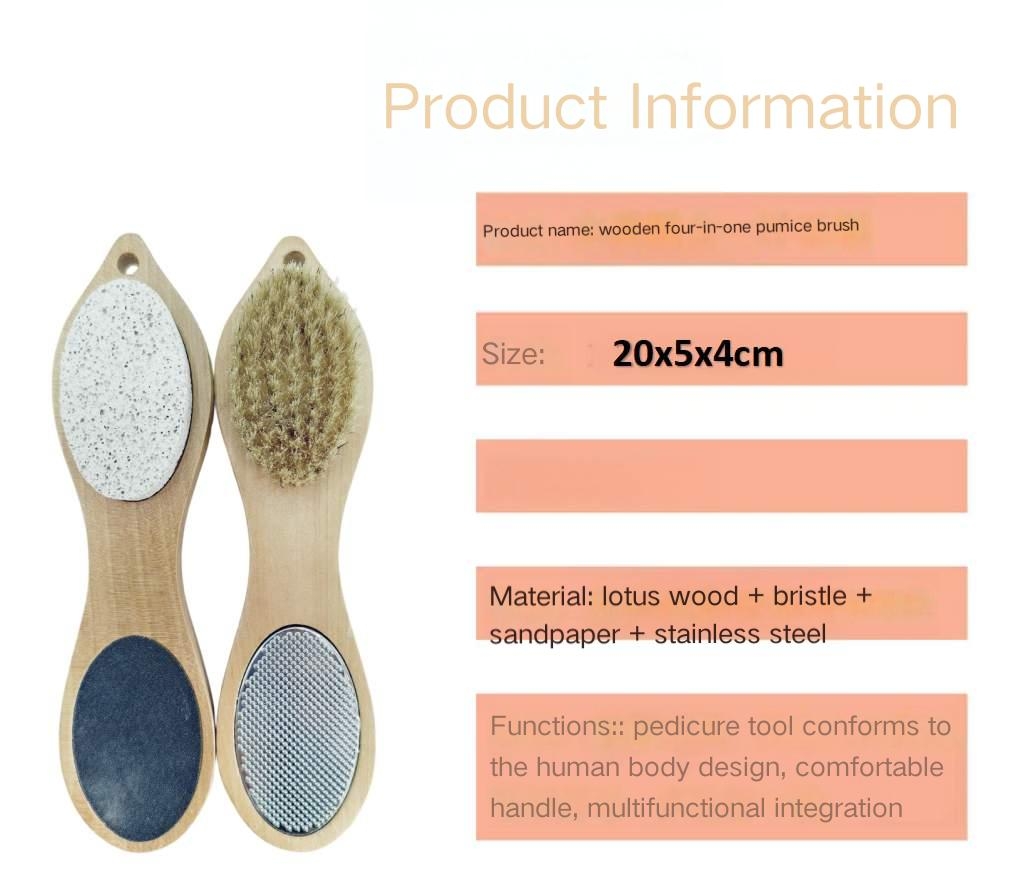
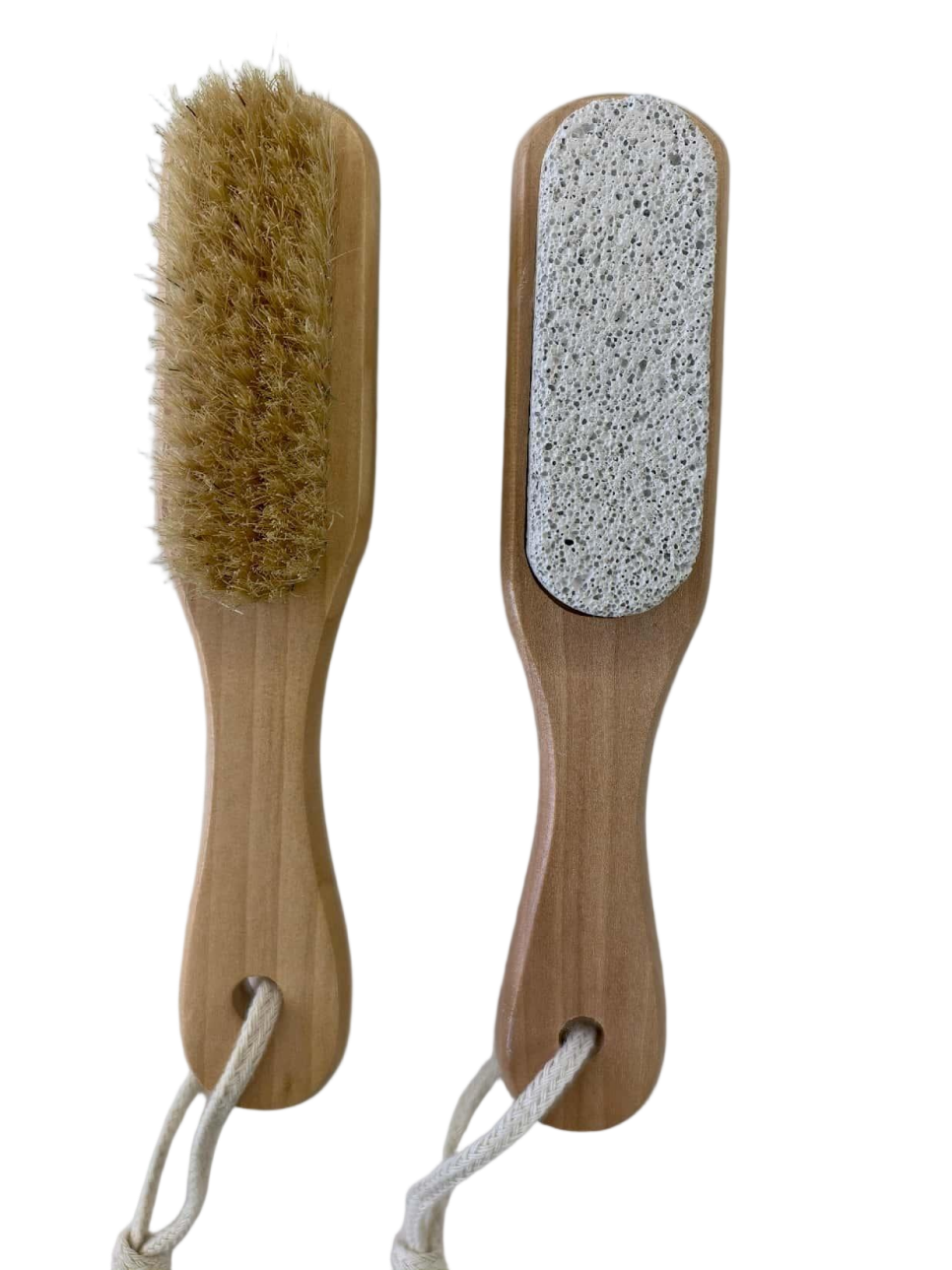
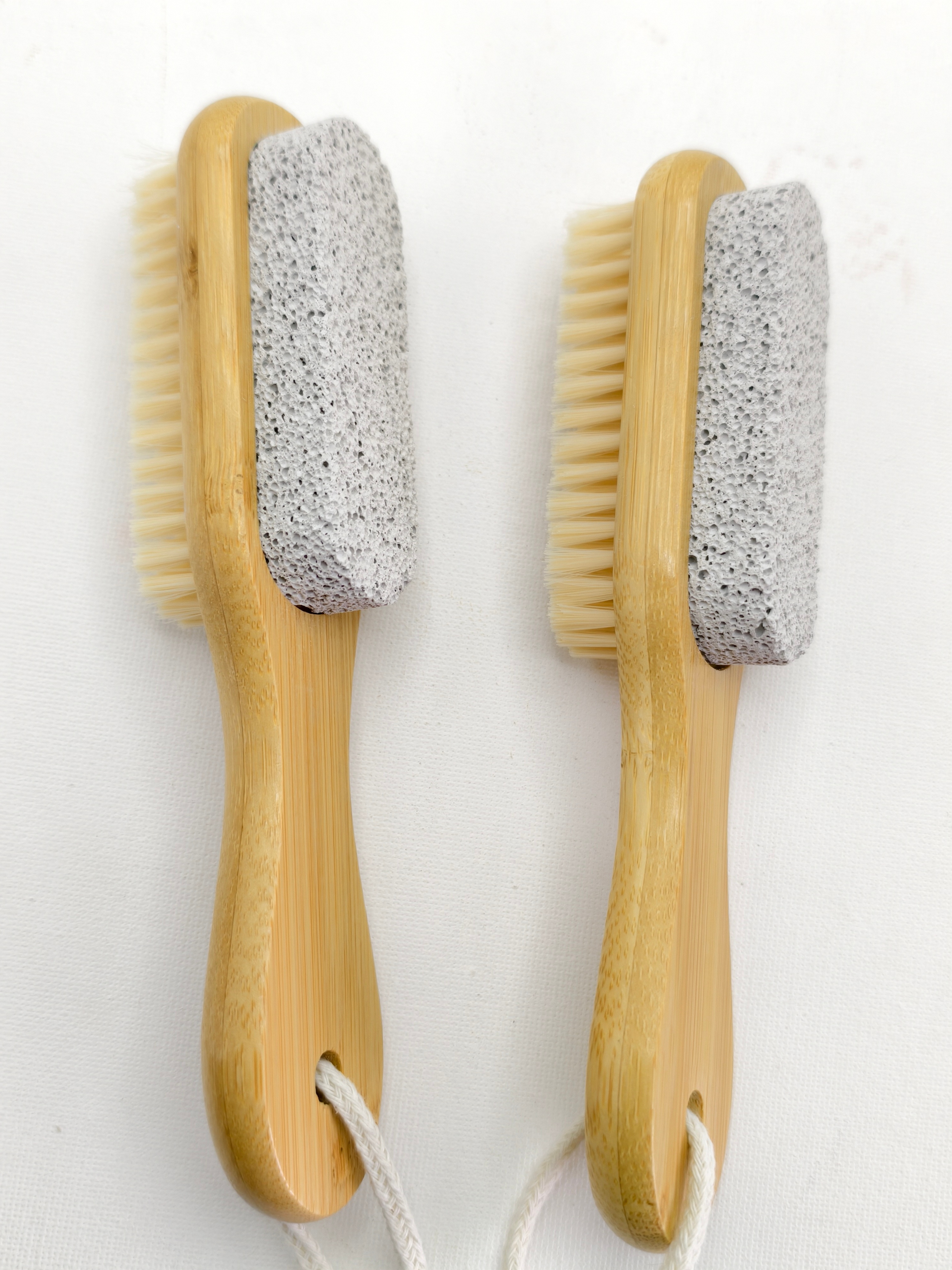
- Dual-side options: Some full body exfoliation brush designs feature a firmer bristle side for exfoliation and a softer massage node or loofa side for gentler daily cleansing — a useful versatility feature for households shared by people with different skin sensitivity levels.
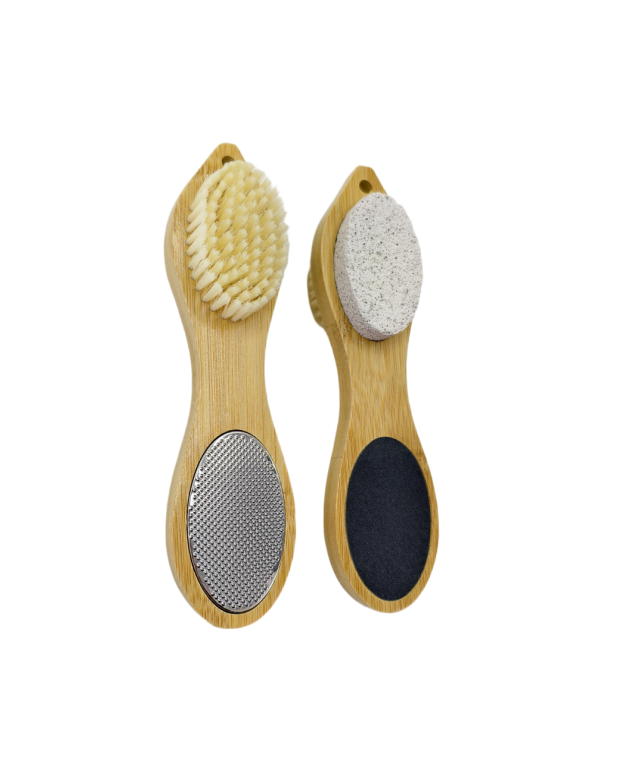
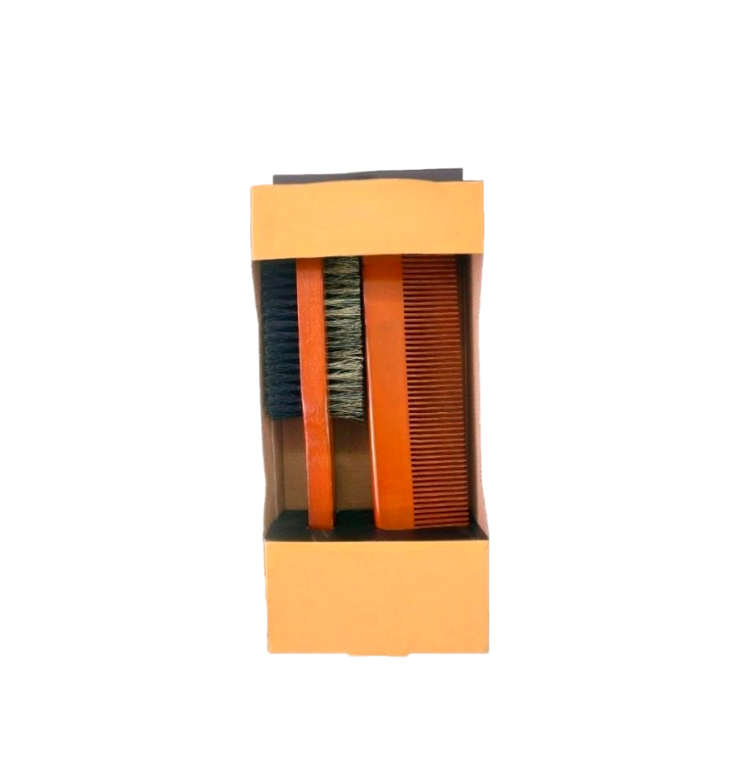
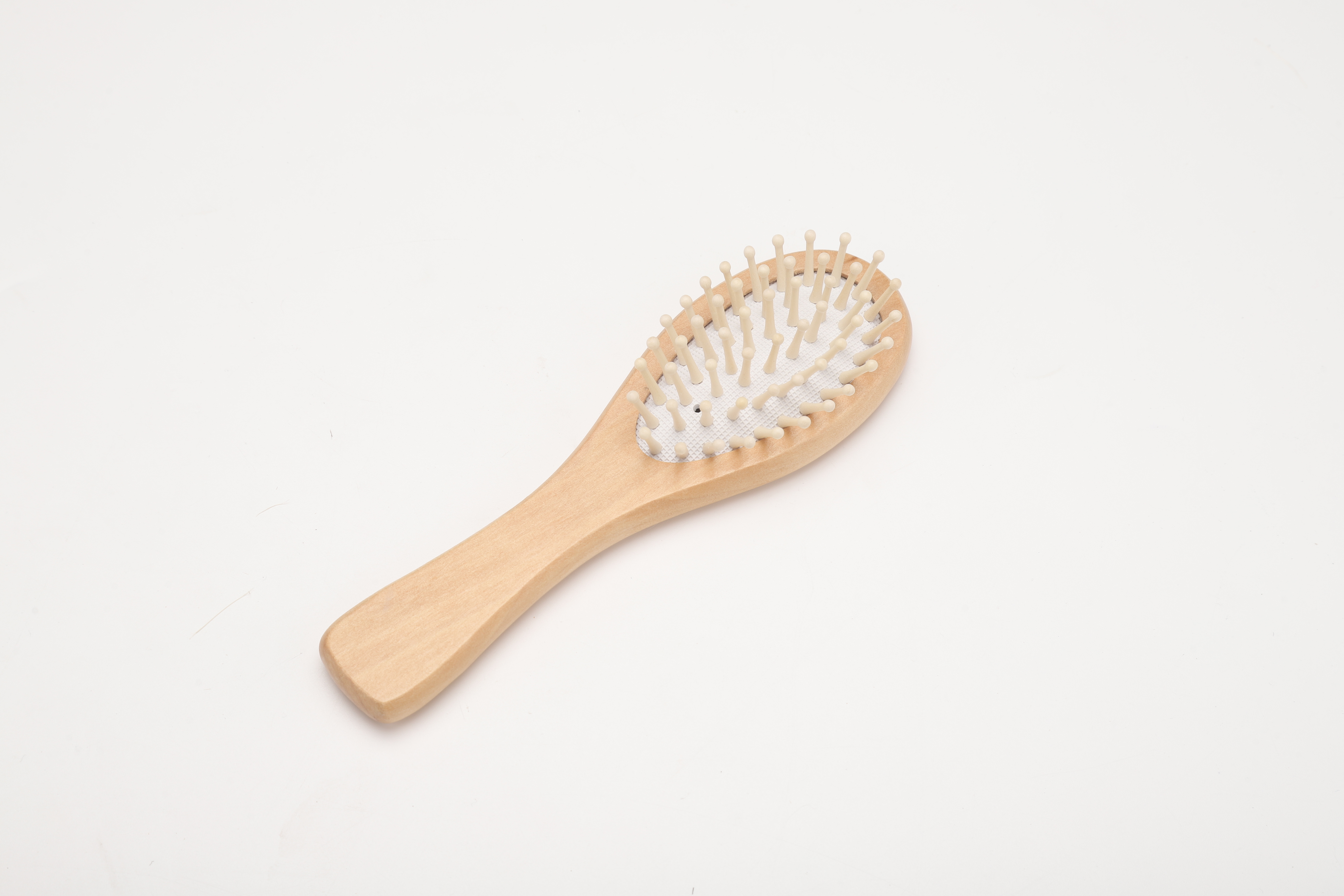
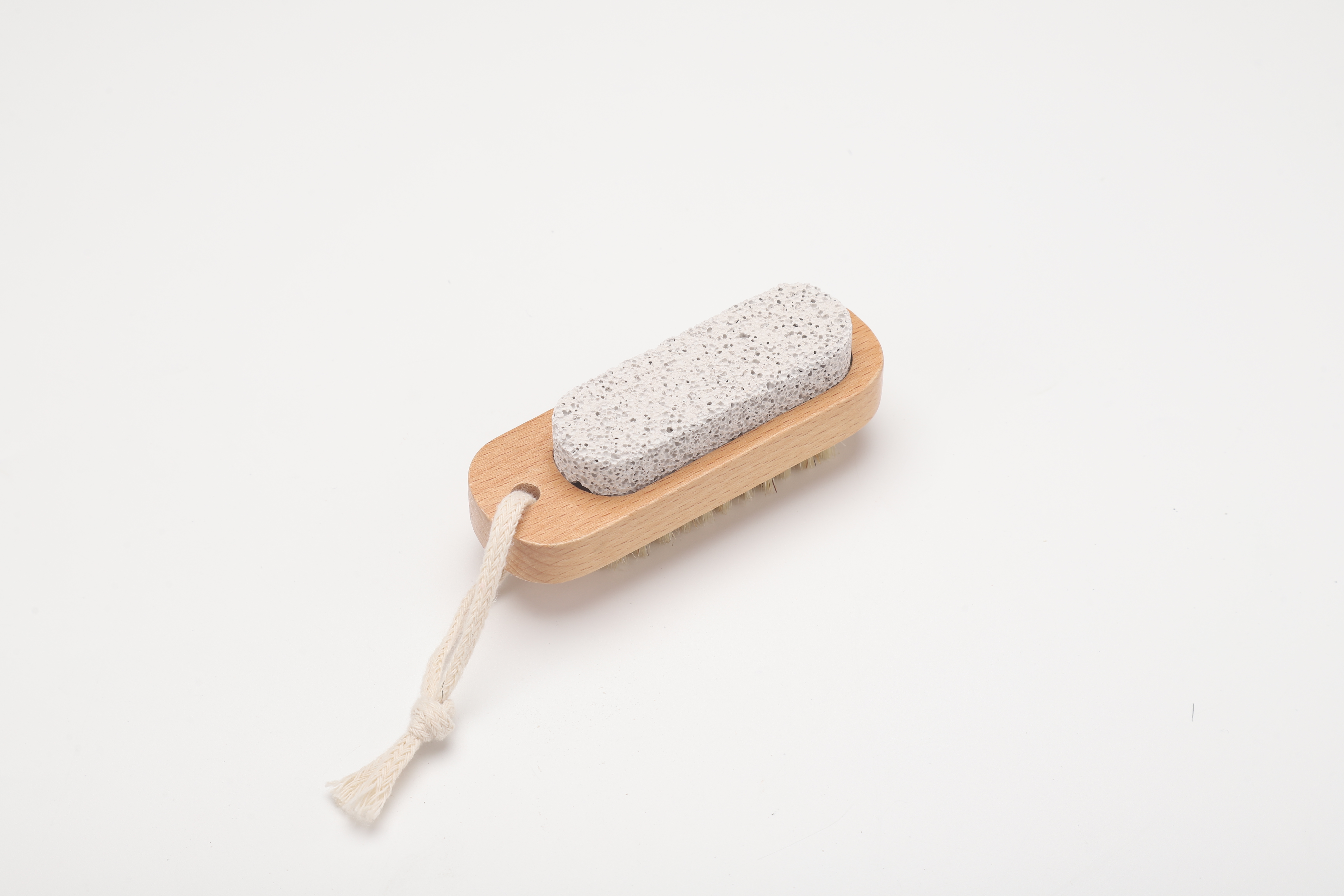
Ningbo Kafete Daily Necessities Co., Ltd., established in 2017 in Cixi, Zhejiang, China, specializes in the design and manufacture of wooden massage bath brushes, bamboo body brushes, and related personal care tools. As a professional Wood Massage Bath Brush Supplier and Bamboo Massage Bath Brush Company, Kafete exports products to over 40 countries, with primary markets in the United States, Europe, and Japan. The company's production integrates research, development, and sales with a quality focus that has earned sustained customer trust across international markets.
Frequently Asked Questions About Wood Massage Bath Brushes
Q1: Should I use the brush on dry or wet skin?
Both methods work, but dry brushing before showering gives the most effective exfoliation because dry bristles grip dead cells better. Wet brushing in the shower with body wash is gentler and more suitable for sensitive or reactive skin types. Start with dry brushing if your skin is normal to oily; use wet brushing if you have dry or sensitive skin.
Q2: Can I use a wooden body brush on my face?
No. Body brushes — including natural bristle wooden brushes — are too coarse for facial skin, which is significantly thinner and more delicate than body skin. Using a body exfoliating brush on the face risks micro-tears, redness, and barrier disruption. Use a dedicated facial brush or gentle face exfoliant for facial skin.
Q3: How long does it take to see results from body brushing?
Most people notice softer, smoother skin texture within the first 1–2 weeks of consistent brushing 3 times per week. More significant improvements in skin tone evenness and reduction in ingrown hairs typically become visible between weeks 4–8. Results accumulate with consistency — sporadic brushing delivers far less visible benefit than a regular routine.
Q4: Can I use a wood bath brush if I have eczema or psoriasis?
It depends on the severity and current state of the condition. During active flare-ups, avoid brushing the affected areas entirely. During remission periods, a very soft bristle brush used with minimal pressure on non-affected areas may be tolerable, but always consult a dermatologist before adding exfoliation tools to a skincare routine affected by chronic skin conditions.
Q5: How often should I replace my wooden bath brush?
With proper cleaning and drying after each use, a quality wooden bath brush typically lasts 12–18 months. Signs it is time to replace include bristles splaying outward and not returning to position, visible mold or discoloration at the bristle base, shedding bristles, or a musty smell that persists after cleaning.
Q6: Is a wooden bath brush eco-friendly?
Yes — wooden bath brushes with natural bristles are among the most sustainable personal care tools available. The wooden handles are biodegradable and often sourced from responsibly managed forests or fast-growing bamboo. Natural bristle materials break down naturally at end-of-life, unlike synthetic plastic brushes that contribute to microplastic pollution in water systems.
.png)
.png "mini bamboo nail brush")
.jpg "long handle loofa bath brush")
.jpg "long handle loofa bath brush")


