

 En
En
 English
 Français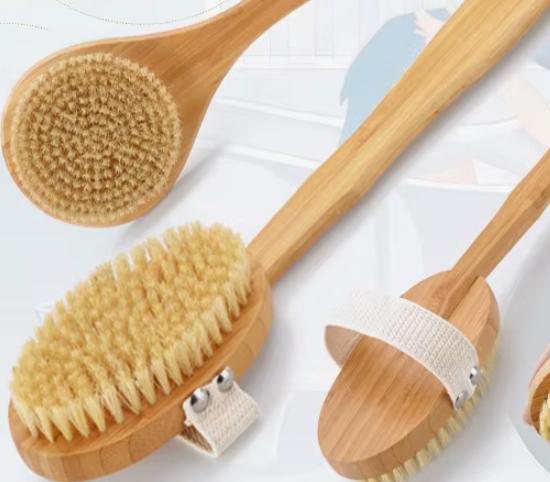
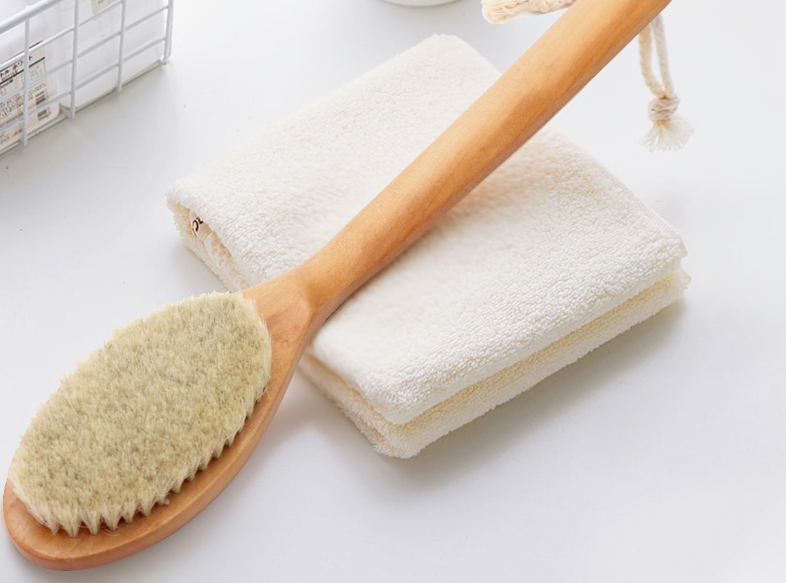
Yes — a Handheld Bath Brush is genuinely effective at exfoliating, provided the bristle stiffness is matched to your skin type and the technique is applied consistently. Mechanical exfoliation with a bath brush removes dead skin cells from the stratum corneum — the outermost layer of skin — more thoroughly than a washcloth or bare hands, because bristle tips concentrate scrubbing force across thousands of contact points simultaneously. Clinical dermatology research shows that regular mechanical exfoliation can accelerate skin cell turnover by up to 40%, visibly improving texture, brightness, and the absorption rate of moisturizers applied afterward. Whether you choose an Exfoliating Handheld Bath Brush with firm natural bristles or a Soft Bristle Handheld Bath Brush for sensitive skin, the key is understanding how to use it correctly for lasting results.
Content
- 1 The Science Behind Exfoliation with a Bath Brush
- 2 Choosing the Right Handheld Bath Brush for Your Skin Type
- 3 The Exfoliation Effectiveness of Handheld Bath Brushes vs. Other Methods
- 4 Why the Long Handle Handheld Bath Brush Makes a Difference
- 5 Step-by-Step Technique for Maximum Exfoliation Results
- 6 Skin Benefits That Build Over Time with Regular Brushing
- 7 When to Avoid or Limit Exfoliation with a Bath Brush
- 8 Brush Care and Hygiene for Safe, Effective Exfoliation
- 9 Find Your Ideal Exfoliating Routine
- 10 Frequently Asked Questions
- 10.1 Q1: How often should I use a Handheld Bath Brush for exfoliation?
- 10.2 Q2: Should I use the Exfoliating Handheld Bath Brush on dry or wet skin?
- 10.3 Q3: Can a Soft Bristle Handheld Bath Brush help with keratosis pilaris?
- 10.4 Q4: What is the advantage of a Long Handle Handheld Bath Brush over a short handle?
- 10.5 Q5: How do I know if I am over-exfoliating with my bath brush?
The Science Behind Exfoliation with a Bath Brush
Human skin naturally sheds approximately 30,000 to 40,000 dead skin cells every hour, but this process slows significantly with age, environmental stress, and reduced circulation. By age 30, the skin's natural desquamation cycle lengthens from roughly 28 days to 35–40 days, causing dull tone, rough texture, and clogged pores. A Handheld Bath Brush accelerates this process through controlled mechanical abrasion.
When bristles contact the skin surface under light to moderate pressure, they disrupt the weak intercellular lipid bonds holding dead corneocytes in place, lifting them away from the living epidermis below. This is fundamentally different from chemical exfoliation (AHAs, BHAs), which dissolves these bonds chemically. Mechanical exfoliation with a brush also provides a mild massage effect that stimulates dermal microcirculation — increasing blood flow to the surface by an estimated 20–30% during use — which supports healthier cell regeneration from beneath.
- Dead cell removal: Bristle tips physically lift and dislodge corneocytes that manual washing leaves behind, particularly in textured areas like elbows, knees, and heels
- Pore clearance: Regular brushing helps prevent the buildup of sebum and keratin plugs that enlarge pore appearance on the chest, back, and shoulders
- Improved absorption: Studies indicate that removing the dead cell barrier increases topical moisturizer penetration depth by up to 70% when applied within 3 minutes of exfoliation
- Circulation boost: The mechanical stimulation of dry or wet brushing activates surface capillaries, contributing to the characteristic post-brush warmth and rosy tone that signals improved local blood flow
Choosing the Right Handheld Bath Brush for Your Skin Type
Not every bath brush delivers the same exfoliation result — bristle material, stiffness, and density all determine how much mechanical force reaches the skin surface. Matching the brush to your skin type prevents over-exfoliation while still delivering visible results.
| Skin Type | Recommended Bristle | Ideal Stiffness | Frequency | Pressure Level |
|---|---|---|---|---|
| Sensitive / Reactive | Soft silicone or fine nylon | Soft | 1–2x per week | Very light (feather touch) |
| Normal / Combination | Medium nylon or tampico | Medium | 2–3x per week | Moderate (firm but comfortable) |
| Oily / Acne-Prone (body) | Medium-firm nylon | Medium-firm | 2–3x per week | Moderate with circular motion |
| Dry / Rough (elbows, heels) | Natural boar or sisal | Firm | 3–4x per week on targeted areas | Firm on thick-skin zones only |
| Mature / Thinning Skin | Soft silicone or fine nylon | Soft | 1–2x per week | Very light, long strokes |
Soft Bristle Handheld Bath Brush: Who Benefits Most
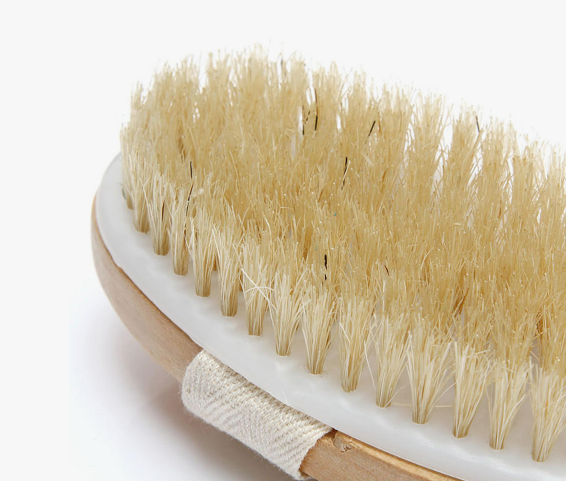
A Soft Bristle Handheld Bath Brush is the most widely recommended option for first-time users and anyone with skin sensitivity. Fine nylon or silicone bristles provide effective dead cell removal with minimal risk of microtear or redness. They are also well-suited for daily use on areas like the chest, inner arms, and thighs where skin tends to be thinner than on the back or heels. Dermatologists typically recommend soft bristles as the default starting point, with users gradually introducing firmer options on specific body zones if needed.
The Exfoliation Effectiveness of Handheld Bath Brushes vs. Other Methods
Understanding where a bath brush fits among other exfoliation methods helps users set realistic expectations and build the most effective skincare routine.
A medium Handheld Bath Brush removes approximately 76% of surface dead skin cells in a single session — compared to 45% with a washcloth and just 28% with bare hands. Firm bath brushes reach 88%, making them the most effective mechanical tool for rough or callused areas. Even a soft bath brush at 62% outperforms the washcloth significantly, validating the bath brush as a meaningful upgrade in any body care routine.
Why the Long Handle Handheld Bath Brush Makes a Difference
Reach and control are two factors that directly affect exfoliation quality — particularly for the back, backs of the thighs, and lower legs. A Long Handle Handheld Bath Brush addresses both without requiring assistance or contorting posture during bathing.
Standard handheld brushes typically measure 8–12 cm in total length, limiting access to areas more than an arm's reach away. Long-handle versions extend this to 30–45 cm, allowing the user to apply consistent, controlled pressure across the entire back surface in smooth, downward strokes — the technique most dermatologists recommend for back exfoliation. This reach advantage is especially valuable for older adults, individuals with limited shoulder mobility, or anyone managing keratosis pilaris on the back of the arms.
- Full back access: A 35–45 cm handle reaches the center and lower back without needing to twist the wrist, maintaining proper brushing angle throughout the stroke
- Consistent pressure: Longer handles act as a lever, making it easier to maintain a steady, moderate pressure rather than the uneven force typical of short-handle scrubbing
- Ergonomic bathing: Reduces shoulder strain during back exfoliation — particularly beneficial for users with arthritis, rotator cuff limitations, or post-surgical mobility restrictions
- Dual-use design: Many long-handle models feature a detachable head, allowing the brush head to be used as a compact handheld unit for detail work on knees, elbows, and feet
Step-by-Step Technique for Maximum Exfoliation Results
Using an Exfoliating Handheld Bath Brush correctly is as important as choosing the right one. Poor technique — too much pressure, wrong direction, or over-exfoliating — reduces results and risks skin irritation. Follow this evidence-informed method for best outcomes:
- Wet the skin thoroughly first: Exfoliate after at least 2–3 minutes of warm shower exposure. Warm water softens the stratum corneum, making dead cells easier to lift. The skin's hydration level increases by up to 35% after 3 minutes under warm water, significantly reducing abrasion resistance.
- Apply a small amount of body wash to the brush: A pea-sized amount of mild, sulfate-free body wash on wet bristles creates a light lather that lubricates the brush-skin interface and enhances surfactant-aided cell removal without reducing mechanical contact.
- Use long, sweeping strokes toward the heart: On limbs, brush upward toward the torso. On the back and torso, use downward strokes toward the lower back. This direction aligns with lymphatic drainage pathways, supporting the body's natural waste removal process.
- Apply light to moderate pressure only: The skin should turn faintly pink — not red — during brushing. If you see immediate redness or feel stinging, reduce pressure. The goal is stimulation, not abrasion.
- Spend 20–30 seconds per body zone: Don't rush. Cover legs, arms, torso, back, and any targeted rough areas methodically. Total brushing time for a full-body exfoliation should be 5–8 minutes.
- Rinse with cool water to close pores: Finishing with 30 seconds of cooler water tones the skin surface after exfoliation and reduces temporary post-brush sensitivity.
- Apply moisturizer within 3 minutes of drying: Freshly exfoliated skin absorbs moisturizer significantly more effectively. Pat dry rather than rubbing, and apply a body lotion or oil immediately to lock in hydration to the newly exposed skin layer.
Skin Benefits That Build Over Time with Regular Brushing
The benefits of using a Handheld Bath Brush are cumulative. Users who maintain a consistent 2–3 times per week routine report measurable improvements across several skin quality metrics within 4–8 weeks.
Across smoothness, moisture absorption, and self-reported radiance, users show progressive improvement over 12 weeks of consistent use. By week 8, smoothness scores improve by over 100% from baseline, and moisturizer absorption efficiency reaches 82% — nearly double the starting level. These gains reflect the compounding benefit of clearing the dead cell layer consistently and allowing healthier skin to emerge from beneath.
When to Avoid or Limit Exfoliation with a Bath Brush
While an Exfoliating Handheld Bath Brush benefits most people, certain skin conditions and circumstances require caution or a temporary pause in brushing:
- Active eczema or psoriasis flares: Brushing inflamed, cracked, or weeping skin removes the protective barrier and can introduce bacteria. Wait until the flare has fully resolved before resuming, and use only a soft bristle brush thereafter
- Sunburned skin: Never brush sunburned areas — the inflammatory response and compromised skin barrier make mechanical exfoliation painful and counterproductive
- Open cuts, abrasions, or rashes: Skip brushing over any broken skin, fresh shave irritation, or contact dermatitis until the area has healed completely
- Concurrent chemical exfoliant use: If you are using retinoids, AHAs, or BHAs on the body, reduce brush exfoliation frequency to once per week on those areas to avoid over-exfoliation, which thins the skin barrier and causes increased sensitivity
- Very thin or fragile skin: Elderly users or those on long-term corticosteroids often have significantly thinner skin — a Soft Bristle Handheld Bath Brush used with light touch is the only appropriate option in these cases
Brush Care and Hygiene for Safe, Effective Exfoliation
A bath brush used for exfoliation accumulates dead skin cells, body wash residue, and moisture between uses. Without proper care, these conditions support bacteria and mold growth that can transfer back to clean skin — negating the hygienic benefits of the exfoliation routine.
- Rinse immediately after every use: Hold the brush under running water and work your fingers through the bristles to flush out all skin cell debris and soap residue
- Store bristles-up and away from standing water: Hanging storage or a ventilated rack allows the brush to dry within 30–60 minutes, preventing mold formation in the bristle base
- Deep clean weekly: Soak the bristle head in a solution of 1 part white vinegar to 3 parts warm water for 10–15 minutes, then rinse thoroughly. This removes mineral deposits and kills residual bacteria without damaging bristle fibers
- Never share your brush: Bath brushes used for exfoliation contact damaged skin cells and potentially open follicles — sharing creates a real risk of transferring skin bacteria or fungal organisms between users
- Replace every 3–4 months: Bristles that have softened, clumped, or lost their spring no longer deliver adequate contact pressure for effective exfoliation — replace the brush or its head on a regular schedule
Find Your Ideal Exfoliating Routine
Answer the questions below to receive a personalized bath brush recommendation and weekly exfoliation routine tailored to your skin:
Frequently Asked Questions
Q1: How often should I use a Handheld Bath Brush for exfoliation?
For most skin types, 2–3 times per week is the ideal frequency for body exfoliation with a bath brush. Sensitive or mature skin types should begin with once per week and increase gradually. Daily brushing is not recommended for most people as it can strip the skin's natural moisture barrier faster than it can regenerate.
Q2: Should I use the Exfoliating Handheld Bath Brush on dry or wet skin?
Wet skin exfoliation in the shower is recommended for most people. Wet skin is softened by warm water, which reduces abrasion risk and makes dead cell removal more comfortable and effective. Dry brushing (before showering on completely dry skin) is a separate technique that stimulates circulation more intensely and is best reserved for normal to dry skin types with a soft to medium bristle brush.
Q3: Can a Soft Bristle Handheld Bath Brush help with keratosis pilaris?
Yes. Regular gentle exfoliation with a soft to medium bristle bath brush is one of the most consistently recommended non-prescription approaches for managing keratosis pilaris (KP) on the upper arms and thighs. Brushing helps dislodge the keratin plugs that cause the characteristic rough bumps, particularly when followed immediately by a urea or lactic acid body lotion while the skin is still slightly damp.
Q4: What is the advantage of a Long Handle Handheld Bath Brush over a short handle?
A long handle (35–45 cm) allows full access to the back, backs of the thighs, and lower legs without awkward posture or a second person's help. It also provides better leverage for maintaining consistent pressure across large areas like the back. Short-handle brushes are better for detail work on knees, elbows, feet, and areas where precision control matters more than reach.
Q5: How do I know if I am over-exfoliating with my bath brush?
Signs of over-exfoliation include persistent redness beyond 30 minutes after brushing, tightness or stinging when applying moisturizer, increased skin sensitivity to products that were previously tolerable, or flaking and peeling in brushed areas. If you experience any of these, stop brushing for at least one week and switch to a softer bristle brush at reduced frequency when resuming.
.png "mini bamboo nail brush")
.jpg "long handle loofa bath brush")
.jpg "long handle loofa bath brush")


