
 En
 English
 Français
Three mini wooden hair brushes arrive in the same courier box. Each is short enough to sit in the palm, each quotes within a few cents of the others, and each looks identical in a photograph. Two of them will pass a hotel amenity audit without a single remark. The third comes back from the retailer after one season, because the cushion pad has stiffened and the tufts are shedding onto the backing card.
The wood was never the problem. The specification behind the wood was. On a brush this small, four points decide whether a program runs smoothly: the head-to-handle ratio, the way the bristles are anchored, the moisture content of the timber, and how the logo is applied. Everything else, from the colour of the hang tag to the shape of the window on the box, is packaging.
This guide is written for the people who have to choose between those three samples: importers assembling travel kits, hotel groups refreshing amenity trays, gift brands adding a small wooden brush to a grooming bundle, and private-label owners who need a repeatable specification rather than one good prototype.
Content
- 1 What Actually Counts as a Mini Wooden Hair Brush
- 2 Beech, Bamboo, or Both: Material Choices That Show Up Later
- 3 Which Format Fits Your Program
- 4 Inside the Build: What to Look At on a Sample
- 5 The Six Checks That Decide a Sample
- 6 Custom Logo and Private Label on a Small Brush
- 7 Cost, MOQ and the Questions Worth Asking Before You Compare Quotes
- 8 Moisture, Mould and Fewer After-Sales Complaints
- 9 Mini Wooden Hair Brush: Frequently Asked Questions
- 9.1 What is a mini wooden hair brush used for?
- 9.2 Is a wooden hair brush better than a plastic one?
- 9.3 What is the difference between a cushion brush and a pin brush?
- 9.4 Can I put my own logo on a mini wooden hair brush?
- 9.5 What is the typical MOQ for wholesale mini wooden hair brushes?
- 9.6 How do I stop a wooden hair brush from cracking or growing mould?
What Actually Counts as a Mini Wooden Hair Brush
"Mini" is not a standard measurement. In quotations from Chinese brush factories the word usually covers anything from a 10 cm pocket brush to a 16 cm travel brush, and that range is wide enough to break a kit box: a 16 cm handle will not slide into a 15 cm sleeve, while a 10 cm brush feels like a toy in adult hands. The bands below are where most quotations land, so treat them as a starting point for negotiation rather than an industry rule.
- Overall length: roughly 12–16 cm, with 13–14 cm the most common compromise between grip and packability.
- Head width: roughly 4.5–7 cm, depending on whether the build is a cushion, a pin brush or a bristle brush.
- Finished weight: roughly 30–60 g, driven mostly by timber density and by what sits inside the head.
Construction matters more than any of those numbers. Four builds come up again and again in this size class, and each one fails differently in the field.
| Build | Bristle or pin | Best for | Most likely failure |
|---|---|---|---|
| Air-cushion mini | Nylon pins on a flexible pad | Detangling, everyday brushing | Pad stiffens, pins sink back into the base |
| Boar-bristle mini | Natural boar bristles | Smoothing, edges, beard work | Shedding when bristles are not drawn deep and glued properly |
| Bamboo pin mini | Rounded bamboo pins | Scalp massage, thick hair | Split pin tips when tip sanding is skipped |
| Mixed paddle mini | Bristle rows plus pins | Travel kits, gift bundles | Head too heavy for the joint; a hairline gap opens |
The cushion mini and the bamboo pin mini cover most of what overseas buyers ask for, and they are also the two that look most alike in a photo while behaving nothing alike in use. Pin brushes detangle wet hair with less tugging; cushion brushes with nylon pins are gentler on fine hair but demand a better pad.
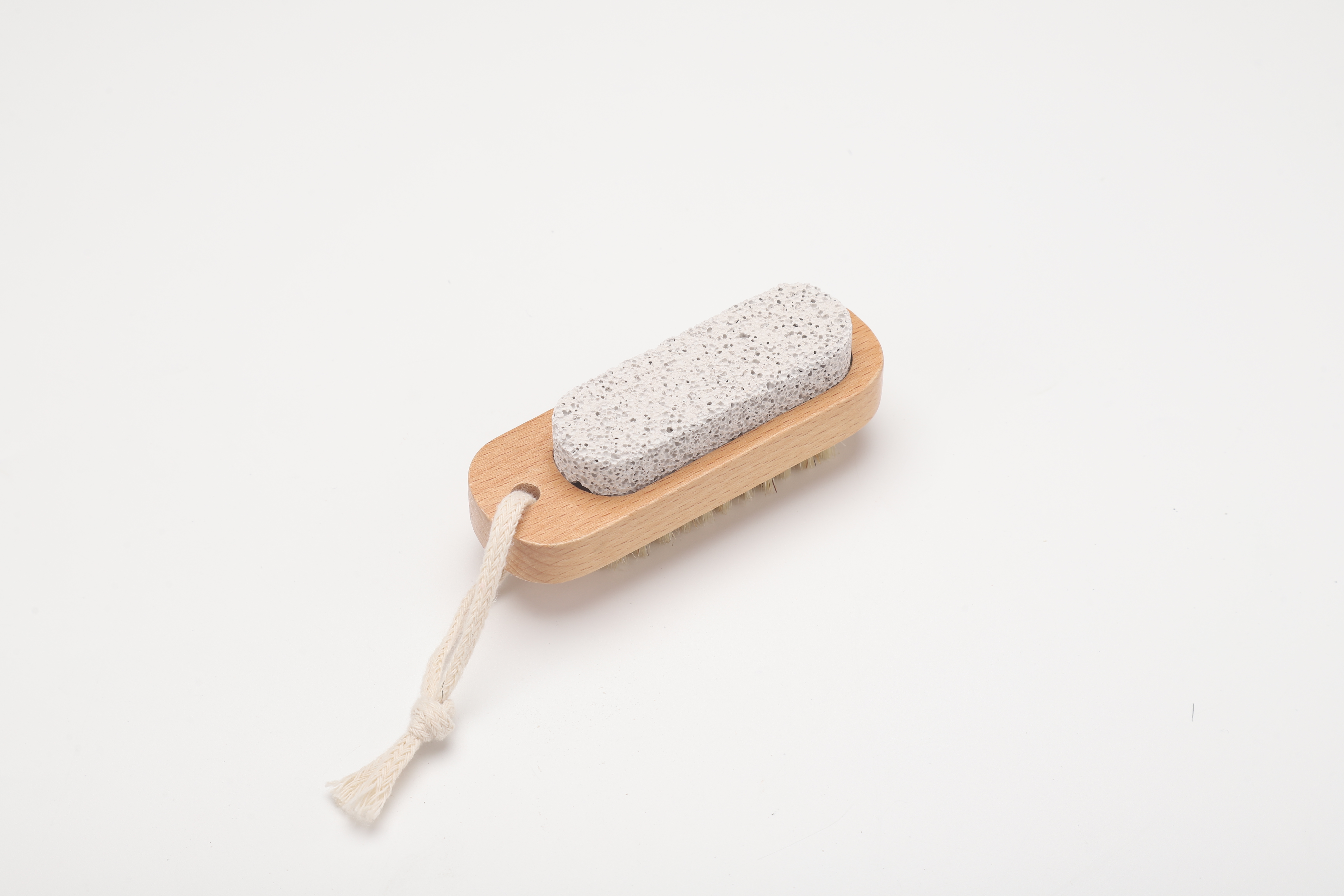
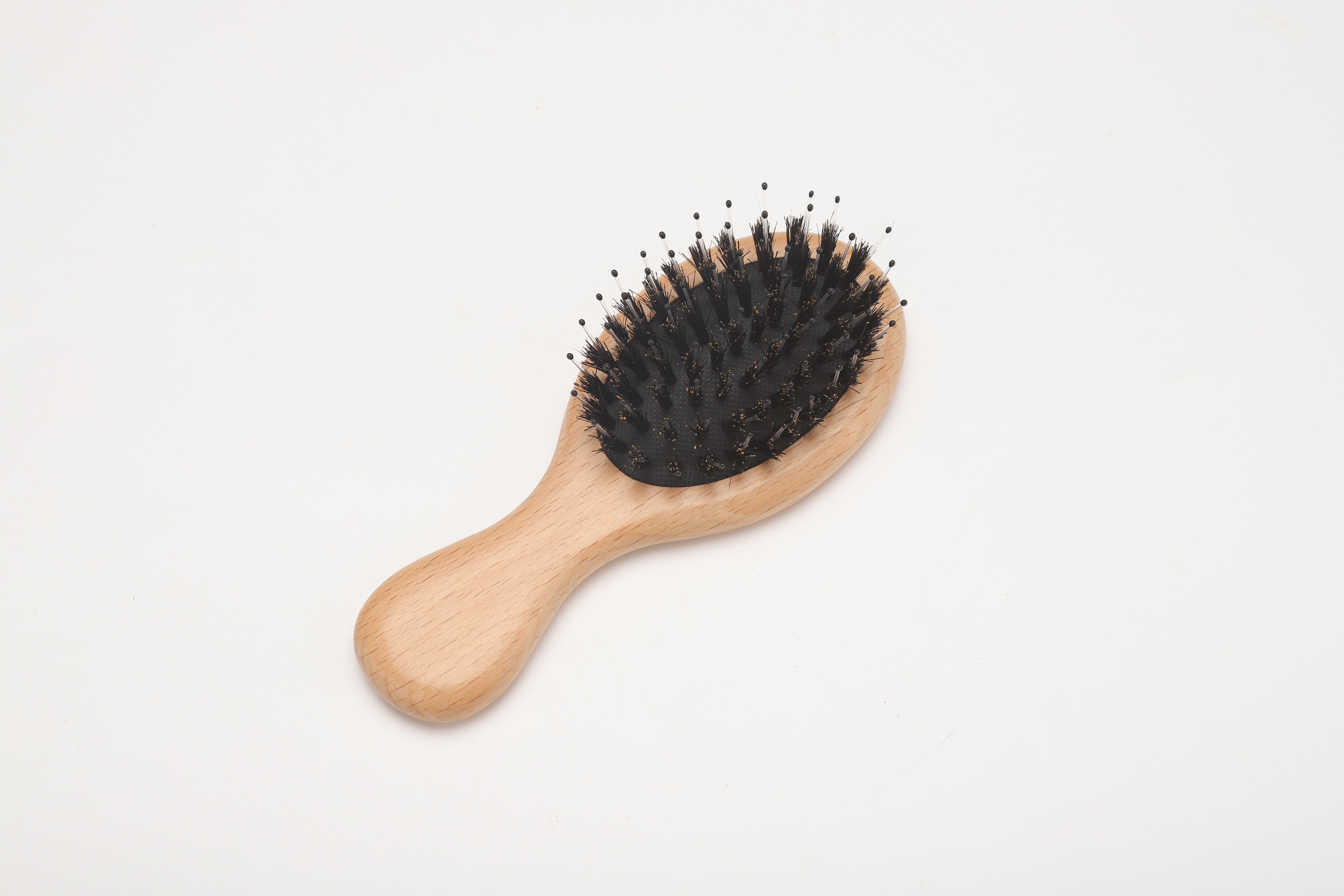 mini wooden hair brushThe Mini wooden double-layer hair comb is made of pig bristle and nylon bristles. Its dimensions are 14x6x3.7 cm. The nylon bristle tips protect the scalp from injury ...View Product →
Beech, Bamboo, or Both: Material Choices That Show Up Later
Beech and bamboo are not interchangeable, even though both get marketed as "natural wood".
- Beech has a fine, closed grain that takes laser engraving cleanly and keeps an oiled finish looking even. It is denser and slightly heavier, which many buyers read as "premium" in the hand.
- Bamboo is a grass, laminated from strips. The surface is harder and lighter, and the node lines become part of the visual story. The trade-off is edge quality: unsanded lamination seams feel sharp against a scalp.
- Bristles decide the job more than the handle does. Boar smooths and distributes scalp oil; nylon detangles and survives wet use; bamboo pins are for massage; sisal and hemp belong on body brushes, not on hair.
Moisture content is the quiet killer. Timber shipped at a high moisture level can grow surface mould inside a sealed poly bag during a long sea freight, and it can also move and crack once it reaches a dry retail floor. Ask the factory for the meter reading on the production batch, not on the hand-picked sample, and ask how the parts are dried before assembly.
If you are sourcing several hair-care items at once, our overview of wholesale hair brushes and combs explains how the wider category is usually split between cushion brushes, combs and grooming sets.
Which Format Fits Your Program
A chart will not replace a test report, but it does shorten the conversation inside a buying team. The scores below are an editorial comparison of how well a 13–14 cm wooden brush satisfies each program's real requirements, weighted by packability, perceived value and how much abuse the item takes.
Hotel programs score highest because a mini brush is a low-cost, high-perceived-value amenity that survives being used twice and thrown away. Travel and gym kits follow closely: the format is compact, the wooden handle survives a toiletry bag, and the item reads as an upgrade next to a plastic comb. Salon blow-dry work scores low for the obvious reason — a small head cannot move enough air through a full head of hair.
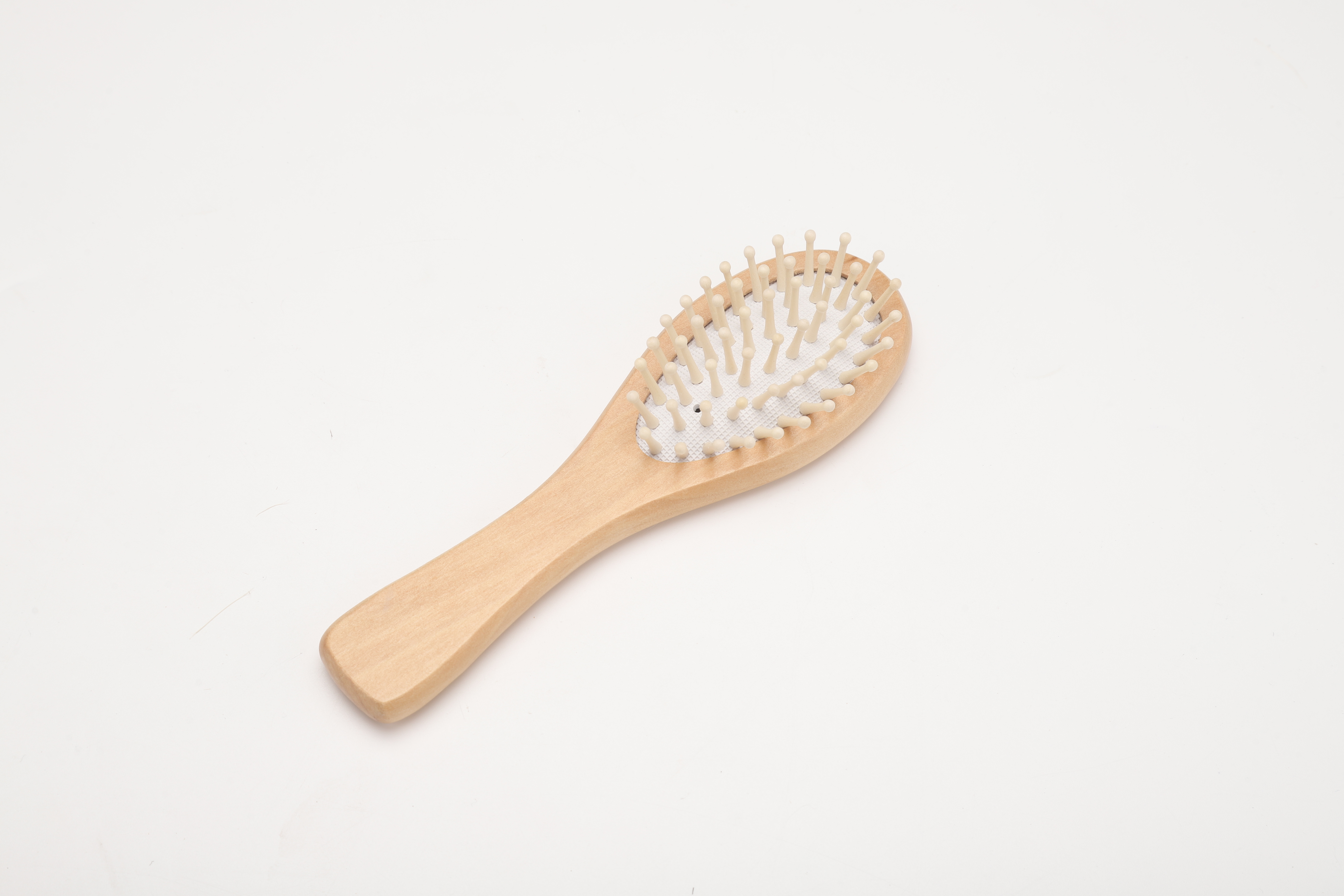
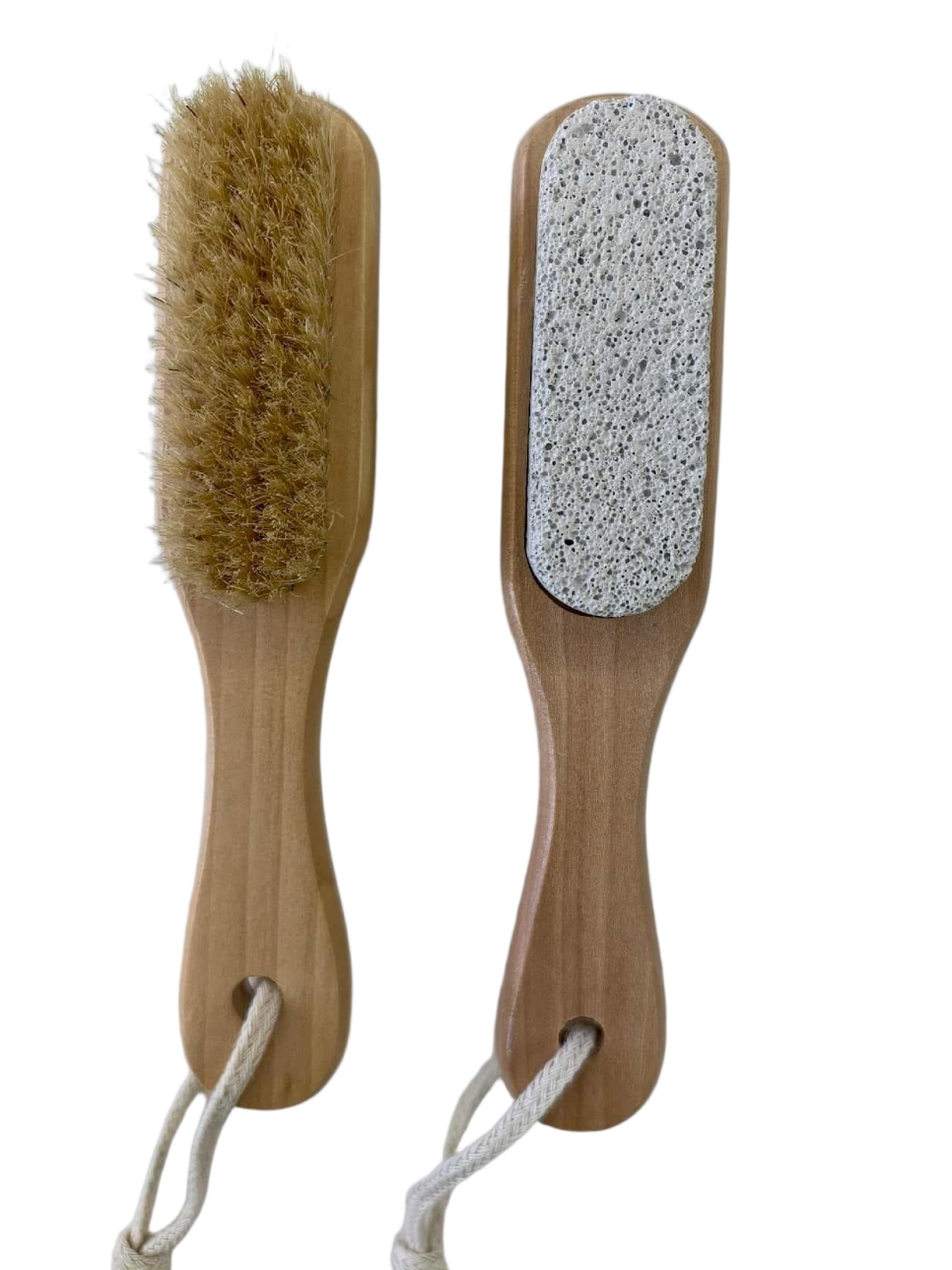
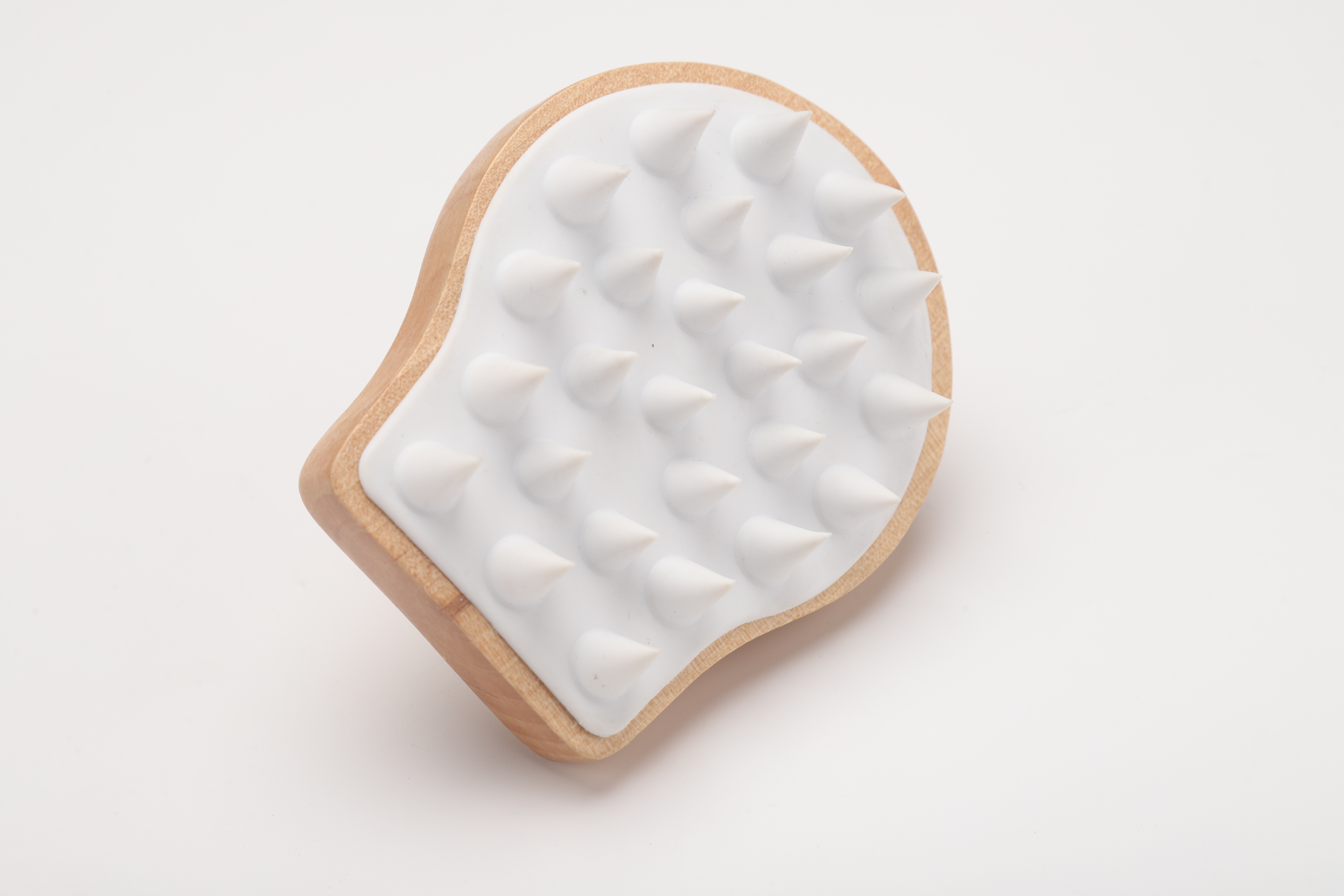
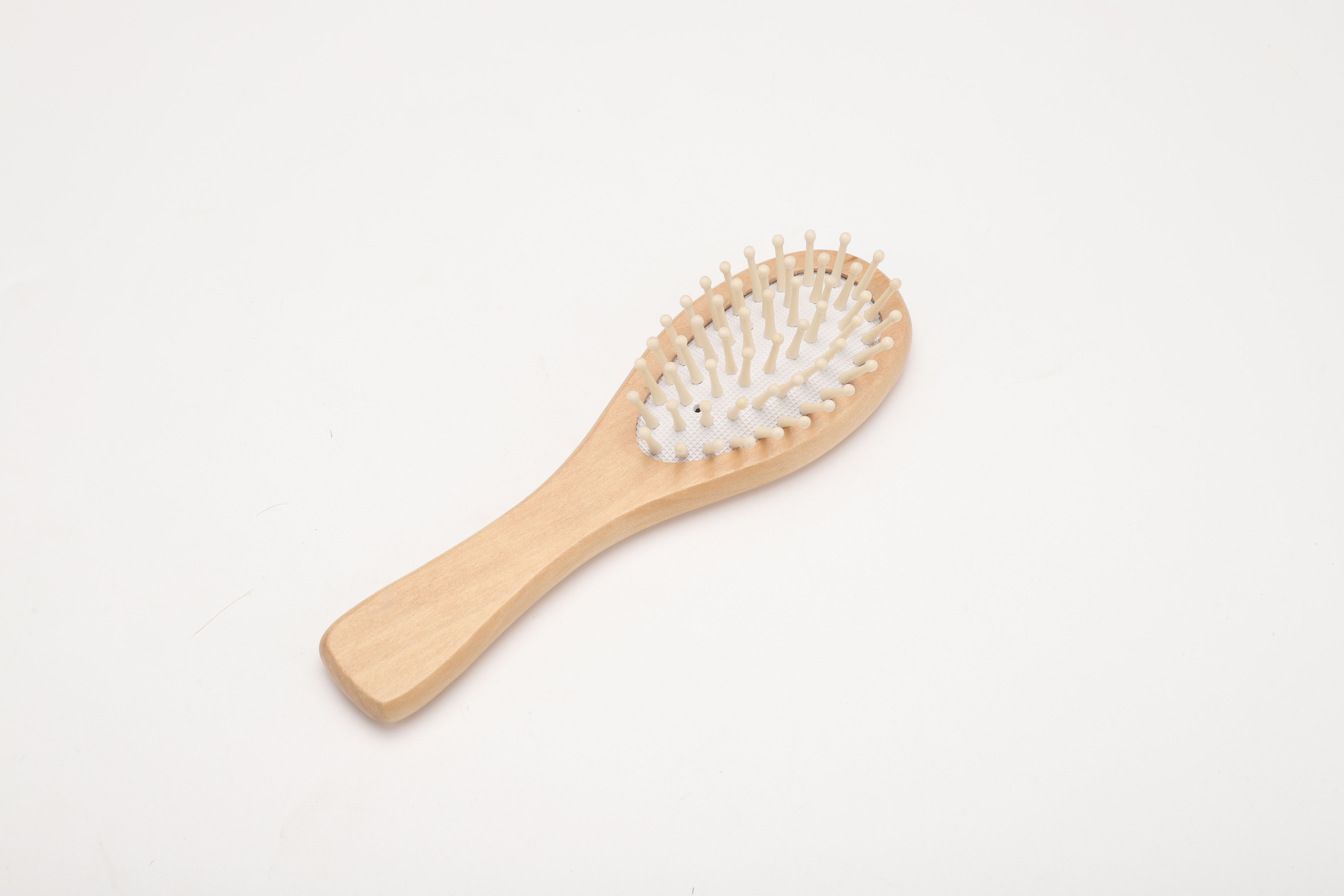 mini wooden hair brushthe handle is made of lotus wood. Smooth and without burrs. Suitable for both adults and children. Ideal for home use and convenient for travel. Does not harm the scalp.View Product →
Inside the Build: What to Look At on a Sample
Cut a rejected sample in half once and the reasons for most field failures become obvious. The diagram below marks the four areas that decide whether the brush survives a season of daily use.
The cushion pad is a sealed air chamber under the pin plate. Press it with a thumb: it should compress evenly and spring back without a click. A pad that feels dead or crunchy has either been glued with too little adhesive or stored somewhere hot, and it will harden further in transit.
Tuft depth matters as much as tuft count. Bristles set shallow look fuller in the sample but pull out within weeks, especially on a boar mini used near a beard or a hairline where the brush is worked hard. Ask how deep the bristle rows are anchored into the base plate, and pull five tufts on a random sample before you sign anything.
The Six Checks That Decide a Sample
A sample review that only looks at shape and colour will miss everything that generates a claim six months later. Run these six checks on every version you receive, and record the results so the next batch has something to match.
- Bristle pull test. Grip a tuft and tug firmly. Losing one or two bristles is normal; losing a cluster means the anchoring depth is wrong.
- Cushion recovery. Press the pad across its full width and release. It should return to shape within a second, with no permanent dent.
- Edge and bevel sanding. Run a fingertip along the handle outline and the head rim. Any sharp seam on a bamboo lamination will be felt on a scalp long before it is seen on a shelf.
- Moisture reading. Ask for the meter value on the batch, not the sample. This single number explains most mould complaints and many cracked handles.
- Logo depth under raking light. Engraving should be even in depth and free of burn halos, which appear when laser power is set for speed rather than quality.
- Pack and drop test. Drop the finished retail pack from counter height onto a hard floor. A brush that shifts inside a loose blister will arrive with pins bent.
Custom Logo and Private Label on a Small Brush
A mini brush gives you less branding space than a full-size paddle, so the method matters more than the artwork. On beech and bamboo, laser engraving is the safest route: it is permanent, needs no ink, and survives the oil or wax finish that most buyers specify. A small wordmark or icon on the flat panel between the neck and the handle end is realistic; a detailed logo with fine hairlines usually is not, because the grain interrupts the line.
Pad printing works on bamboo but is the weaker choice for a bathroom item. Ink adhesion on an oiled curved surface is inconsistent, and the print wears at the point where the thumb sits. If the brand insists on colour, print the packaging instead and keep the brush neutral.
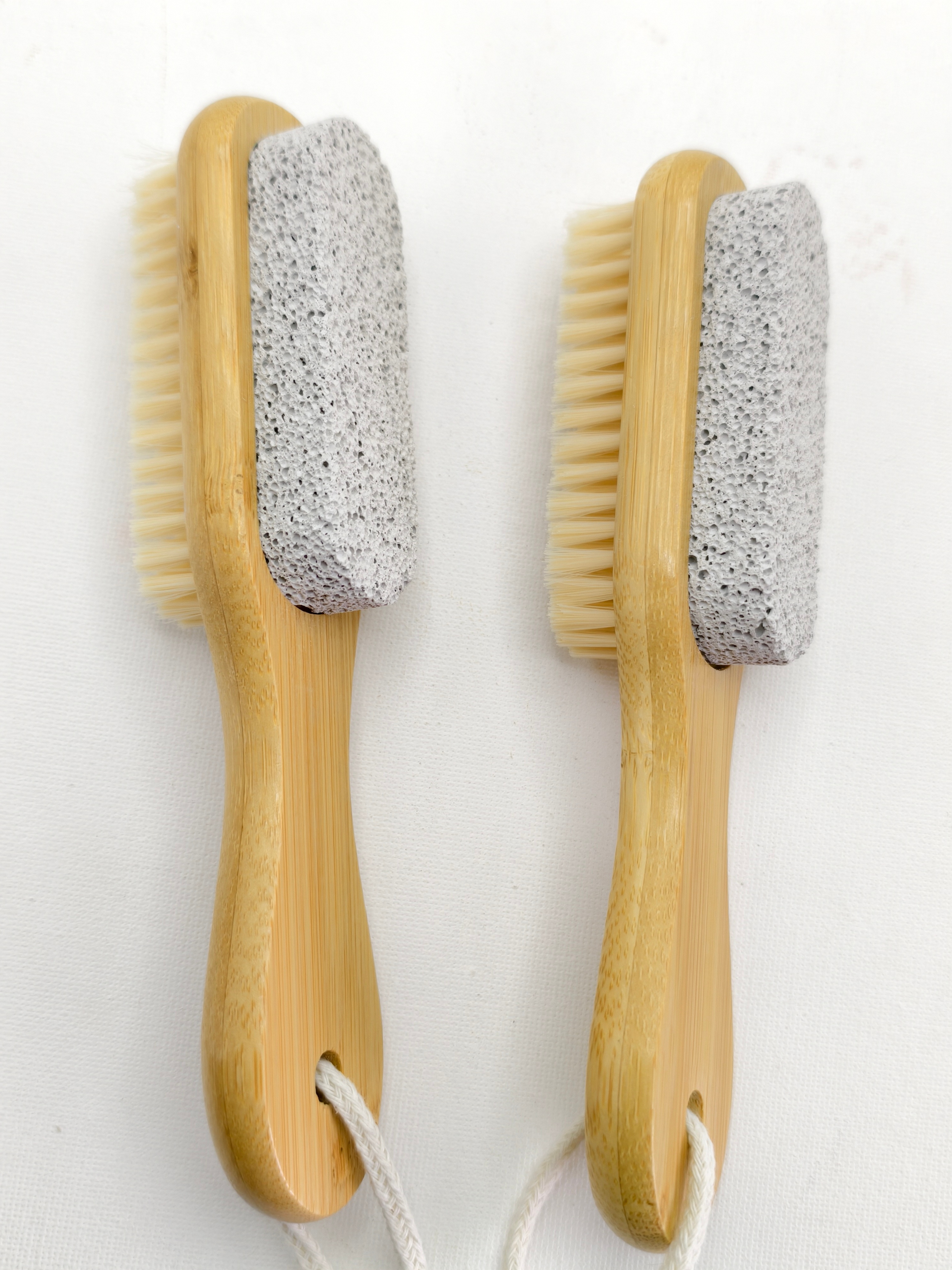
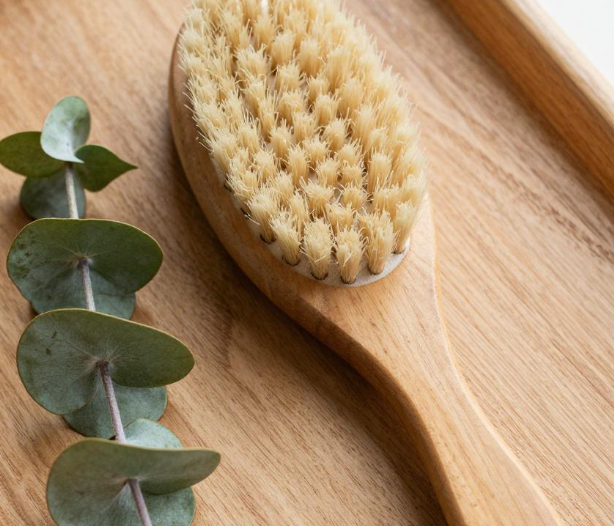
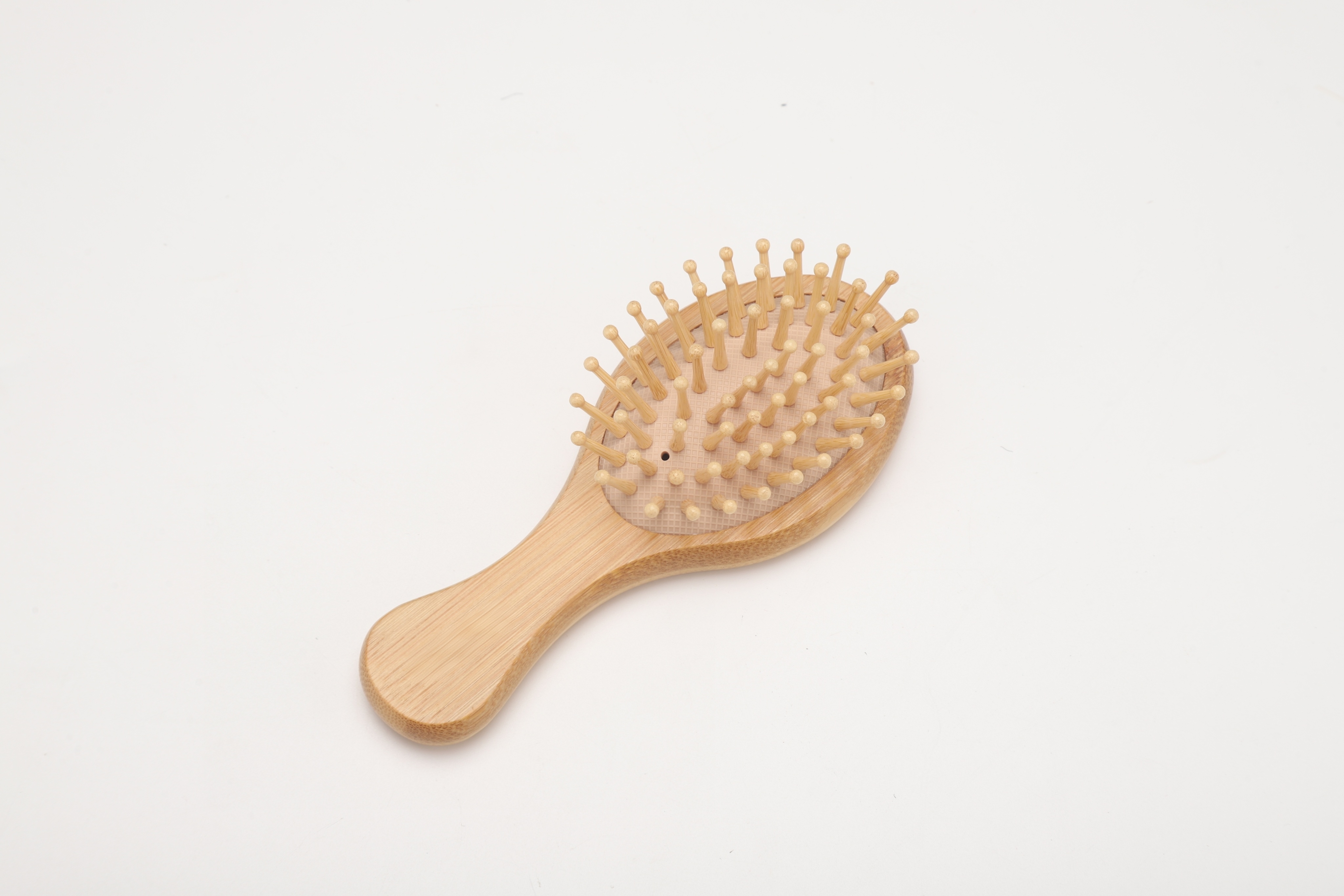 mini bamboo hair brushThe mini cushion brush is suitable for all hairstyles, such as straight and curly hair. It smooths the hair without frizz. The design of the brush is both stylish and ...View Product →
Packaging is where private label actually earns its margin. Kraft card sleeves, FSC-certified paper bands, and reusable cotton pouches all support the natural-material story and are simple to specify. Our custom logo wooden grooming tools page shows how engraving, finish and packaging are usually combined for grooming sets.
Cost, MOQ and the Questions Worth Asking Before You Compare Quotes
Comparing two unit prices for a mini wooden hair brush without comparing the specifications is not a comparison at all. A quote that excludes engraving setup, individual poly bags and inner cartons can look cheaper and still cost more by the time it lands. Put these questions to every supplier in the same round:
- Which timber, and is the handle one piece or laminated strips?
- Which bristle or pin, at what diameter and what tuft depth?
- What surface finish is included — raw sanded, oiled, waxed or lacquered?
- Is the logo price per unit or does it carry a one-off setup?
- How is the brush packed, and what is the carton configuration?
- What is the moisture reading on the production batch, and is a test record available?
- What is the reorder lead time after the first run, not just for the first run?
Minimum order quantities usually step up when the handle is engraved or the packaging is printed, because both carry setup work. Ask for a stock-handle quote and a custom-handle quote side by side; the gap tells you what the branding actually costs, and that number is often smaller than buyers expect on a small item.
Moisture, Mould and Fewer After-Sales Complaints
Most complaints about wooden hair brushes are not manufacturing defects. They are storage and care issues that a short instruction line on the packaging can prevent. If your channel allows it, print a care note — a folded card costs very little and cuts returns on a bathroom item used daily.
- Do not soak the brush or leave it standing in water; wipe the handle and let it air dry bristle-down.
- Keep it out of a closed, humid travel case for long periods; a small vent hole in a pouch helps.
- Re-oil an unoiled handle occasionally with a food-safe oil to keep the grain sealed.
- Clean the pad and pins with a comb and a diluted mild soap, then dry fully before storage.
Tell your supplier which climate the goods are going to. A batch that behaves perfectly in a temperate warehouse can sweat inside a sealed carton in a tropical port, and the resulting mould appears after delivery, not before shipment.
Mini Wooden Hair Brush: Frequently Asked Questions
What is a mini wooden hair brush used for?
It is a compact brush for travel kits, hotel amenities, gym bags and gift sets. Most versions are used for detangling short to medium hair, smoothing edges, beard grooming, or scalp massage.
Is a wooden hair brush better than a plastic one?
For this category, the advantages are weight, warmth in the hand and the natural-material story. Wood also reduces static compared with many plastics. It is not automatically better made, which is why pad quality and tuft depth still decide the outcome.
What is the difference between a cushion brush and a pin brush?
A cushion brush has pins set into a flexible air pad, so it flexes over the scalp and detangles with less pull. A pin brush uses solid rounded pins on a firmer base and is better for massage and thick hair.
Can I put my own logo on a mini wooden hair brush?
Yes. Laser engraving on the flat handle panel is the most durable option and suits beech or bamboo. Fine multi-colour artwork is difficult on a curved, oiled surface, so most brands keep the brush neutral and put colour on the packaging.
What is the typical MOQ for wholesale mini wooden hair brushes?
It depends on whether you take a stock handle or a custom one, and whether the packaging is printed. Engraving and custom cartons carry setup work and usually raise the minimum, so ask for both quotes and compare the real landed cost.
How do I stop a wooden hair brush from cracking or growing mould?
Control moisture at the factory, specify a sealed finish, and keep the brush out of standing water. For end users, drying bristle-down and avoiding a closed humid case prevents almost every mould complaint.