

 En
En
 English
 Français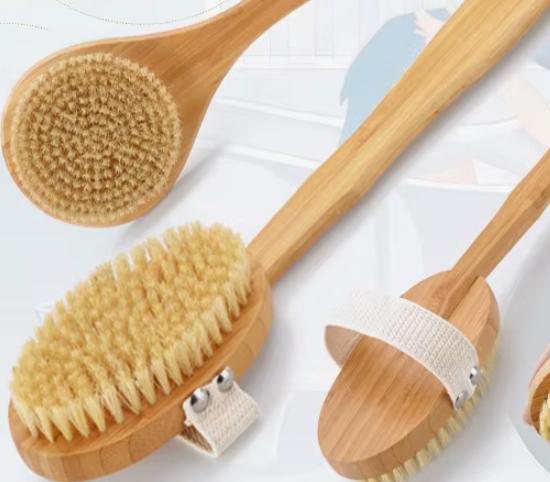
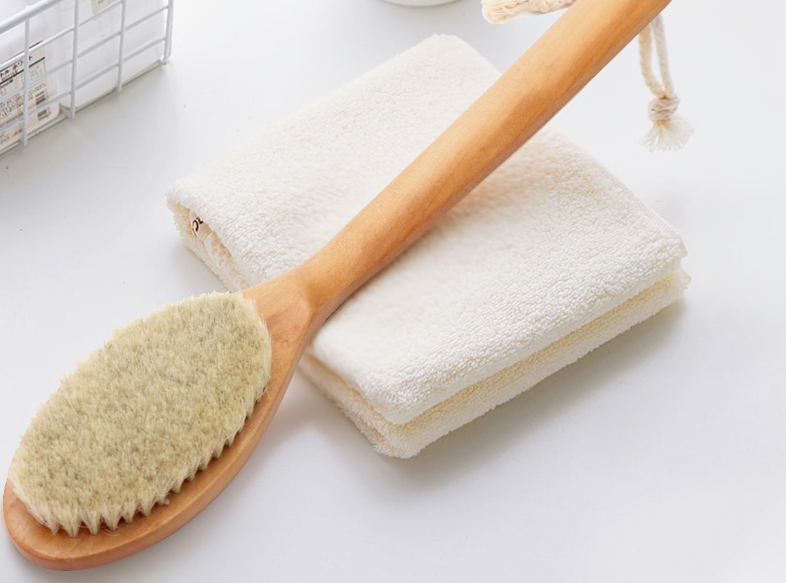
In daily bathing and skincare, a bath brush is an essential cleaning tool for many. With the increasing popularity of healthy lifestyles, more and more people are hesitant between wooden massage bath brushes and plastic bath brushes, unsure which is more suitable for them. They differ significantly in terms of material, cleaning ability, durability, and skin-friendliness. So, which is better, a wooden massage bath brush or a plastic bath brush?
This article will compare them from multiple dimensions to help you make the most suitable choice.
1. Material Differences: Natural vs. Synthetic Materials
(1) Wooden Massage Bath Brush: Natural and Environmentally Friendly
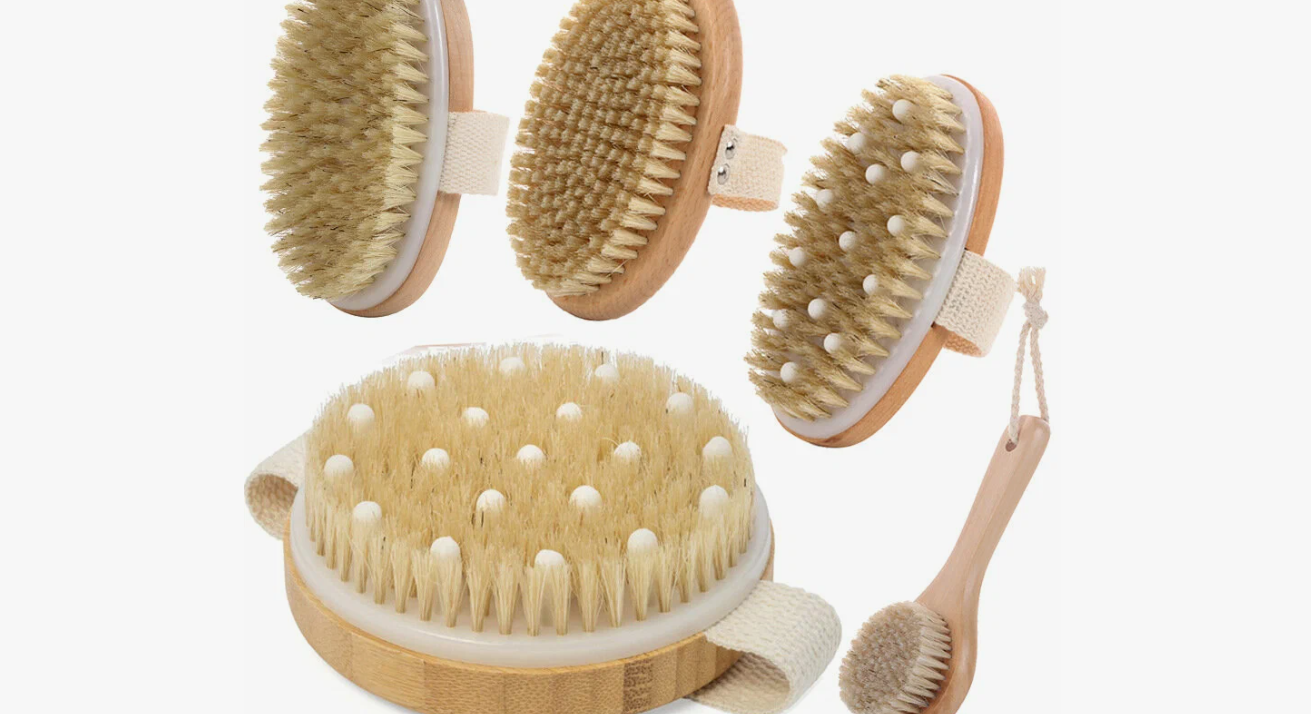
Wooden bath brushes are usually made of natural oak, bamboo, etc., with bristles mostly made of plant fibers or natural bristles. Advantages include:
Closer to the structure of human skin
Gentle and non-irritating
Environmentally friendly and biodegradable
Warm and comfortable to the touch
If you value health and natural materials, a wooden massage bath brush is more attractive.
(2) Plastic Bath Brush: Lightweight and Water-Resistant
The advantages of plastic bath brushes are:
Lightweight material
Moisture-resistant
Lower cost
Not prone to mold
But the disadvantages are that they are prone to aging and shedding, resulting in a shorter lifespan.
2. Cleaning Ability: Depends on Bristle Structure
(1) Wooden Massage Bath Brush: Deeper Cleaning and Massage
Wooden bath brushes are generally equipped with stiffer natural fibers or boar bristles, which can:
Deeply clean pores
Remove dead skin cells
Improve blood circulation
Provide a mild massage effect
Suitable for those who want a three-in-one effect of "cleansing + massage + exfoliation".
(2) Plastic Bath Brush: Rich in Foam but Weaker Cleaning Power
Plastic bristles are soft and dense, characterized by:
Quickly producing a large amount of foam
Gentleer for sensitive skin
Suitable for daily cleaning
But its deep cleaning power is not as outstanding as that of wooden bath brushes.
3. User Experience: Which is More Comfortable?
(1) Wooden Bath Brush: Solid and High-Quality The wooden handle is thick and easy to grip, preventing slippage. The bristles have a certain stiffness, providing a noticeable massage sensation during use. Suitable for those who prefer a more "vigorous" bathing experience.
(2) Plastic Bath Brush: Lightweight and Effortless Plastic bath brushes are lightweight and suitable for those with less hand strength. However, if the bristles are too stiff, they may irritate the skin.
4. Comparison of Target Audiences
(1) Wooden Massage Bath Brush
Suitable for:
People who want to exfoliate and improve rough skin
People who want a massage effect and promote circulation
People who prefer natural materials and don't want to use plastic
People with oily or combination skin
(2) Plastic Bath Brush
Suitable for:
Sensitive or dry skin
People who prefer soft bristles and rich foam
People who want a lightweight, water-resistant bath brush
Families that value cost-effectiveness
5. Durability and Cleaning Maintenance
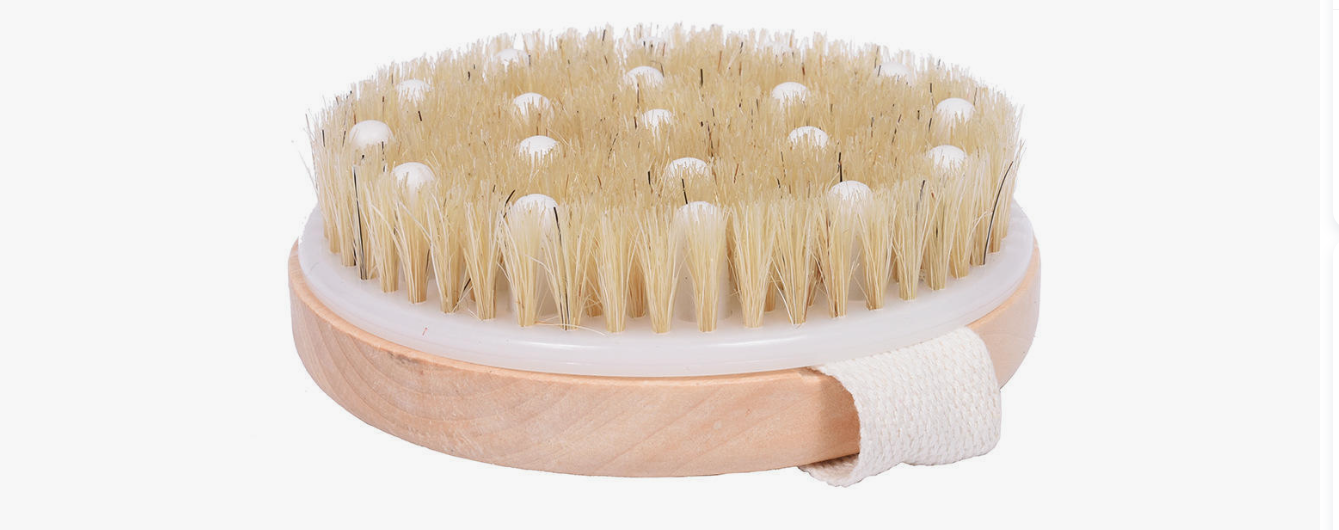
(1) Wooden Massage Bath Brush: Requires More Maintenance
While wooden bath brushes are durable, prolonged immersion in water should be avoided, otherwise:
Mold
Cracked wooden handle
Deformed bristles
Simply keeping them ventilated and dry, and regularly disinfecting them will extend their lifespan.
(2) Plastic Bath Brush: Simple Maintenance
Plastic bath brushes are almost waterproof; daily cleaning only requires rinsing and hanging them to dry. However, as plastic materials age, they tend to harden and break, requiring regular replacement.
6. Which one is better? How to choose?
| Feature | Wooden Massage Bath Brush | Plastic Bath Brush |
| Material | Natural wood (e.g., bamboo, beech) | Plastic (PP, ABS, etc.) |
| Texture | Soft, smooth, skin-friendly | Firm, may have flexible bristles |
| Durability | Prone to cracking if not dried properly | Waterproof, mold-resistant, long-lasting |
| Cleaning | Requires drying to prevent mold | Easy to rinse and sanitize |
| Eco-Friendliness | Biodegradable, sustainable | Non-biodegradable (unless recycled) |
| Massage Effect | Gentle exfoliation, deep massage | Firmer, may be harsh for sensitive skin |
| Price | Usually more expensive | Generally cheaper |
| Best For | Dry brushing, lymphatic massage | Quick scrubbing, daily use |
| Grip | May slip if not treated (needs anti-slip) | Often has anti-slip handle |
| Maintenance | Needs occasional oiling, avoid sun exposure | Low maintenance |
Conclusion:
Choose Wooden if you prefer natural materials, eco-friendliness, and gentler exfoliation.
Choose Plastic if you want durability, easy cleaning, and affordability.
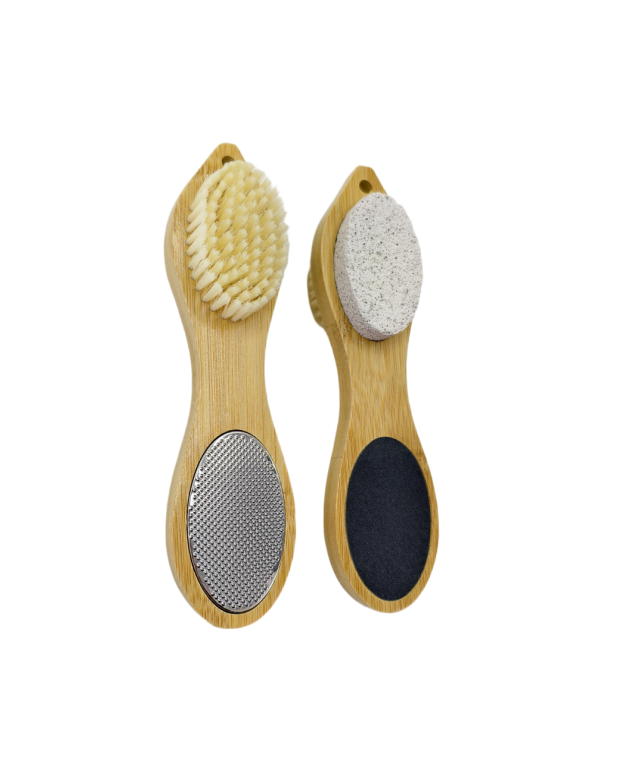
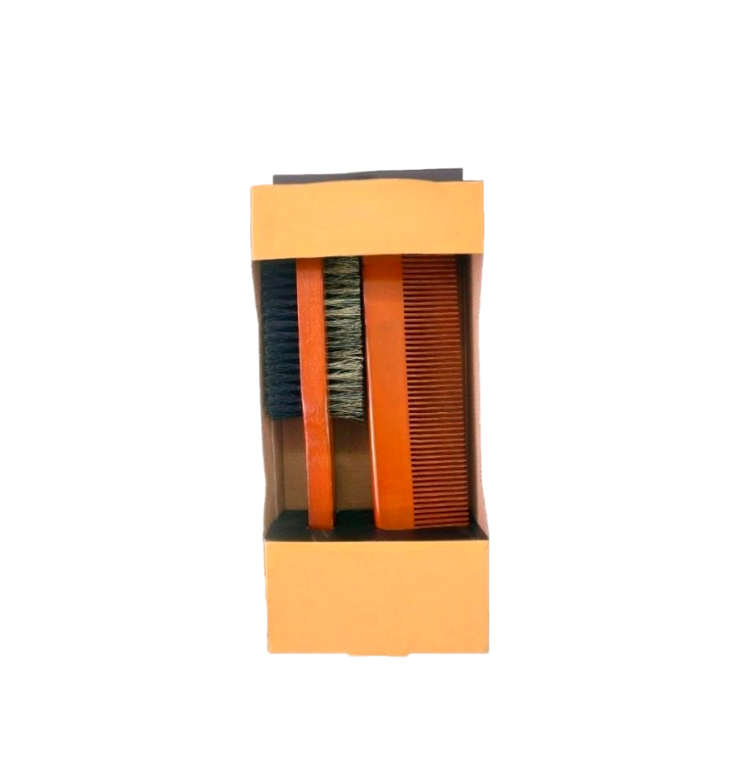
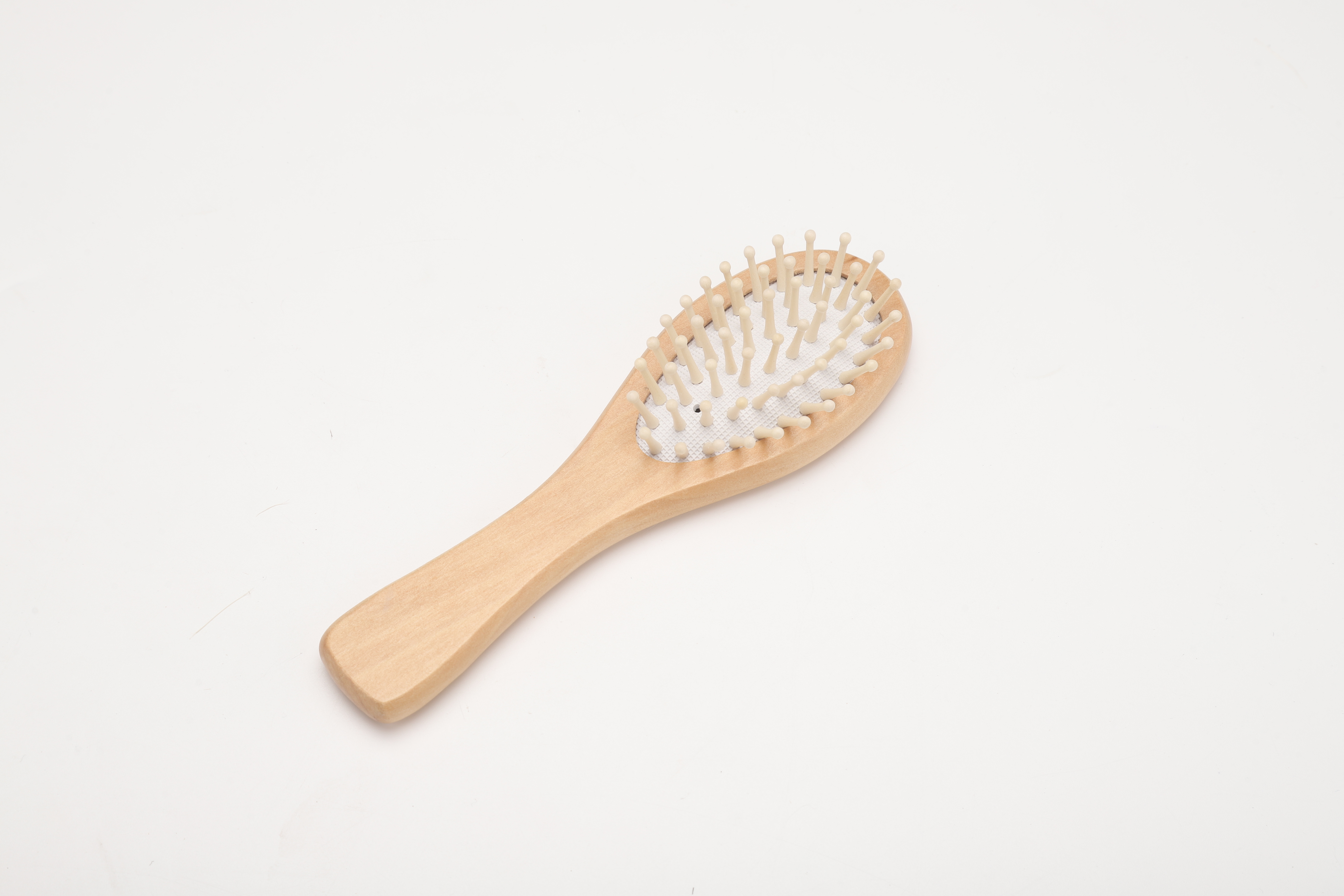
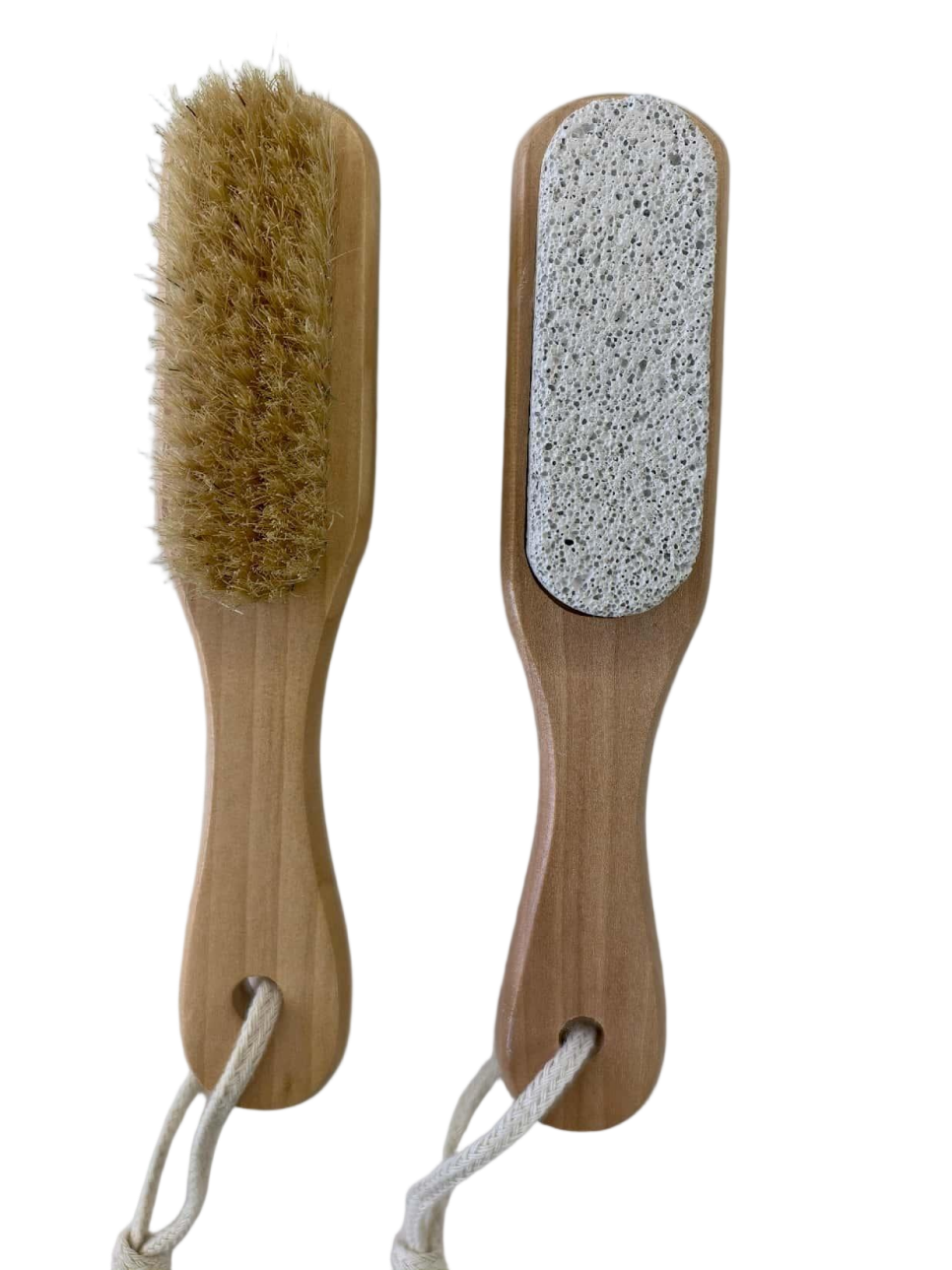
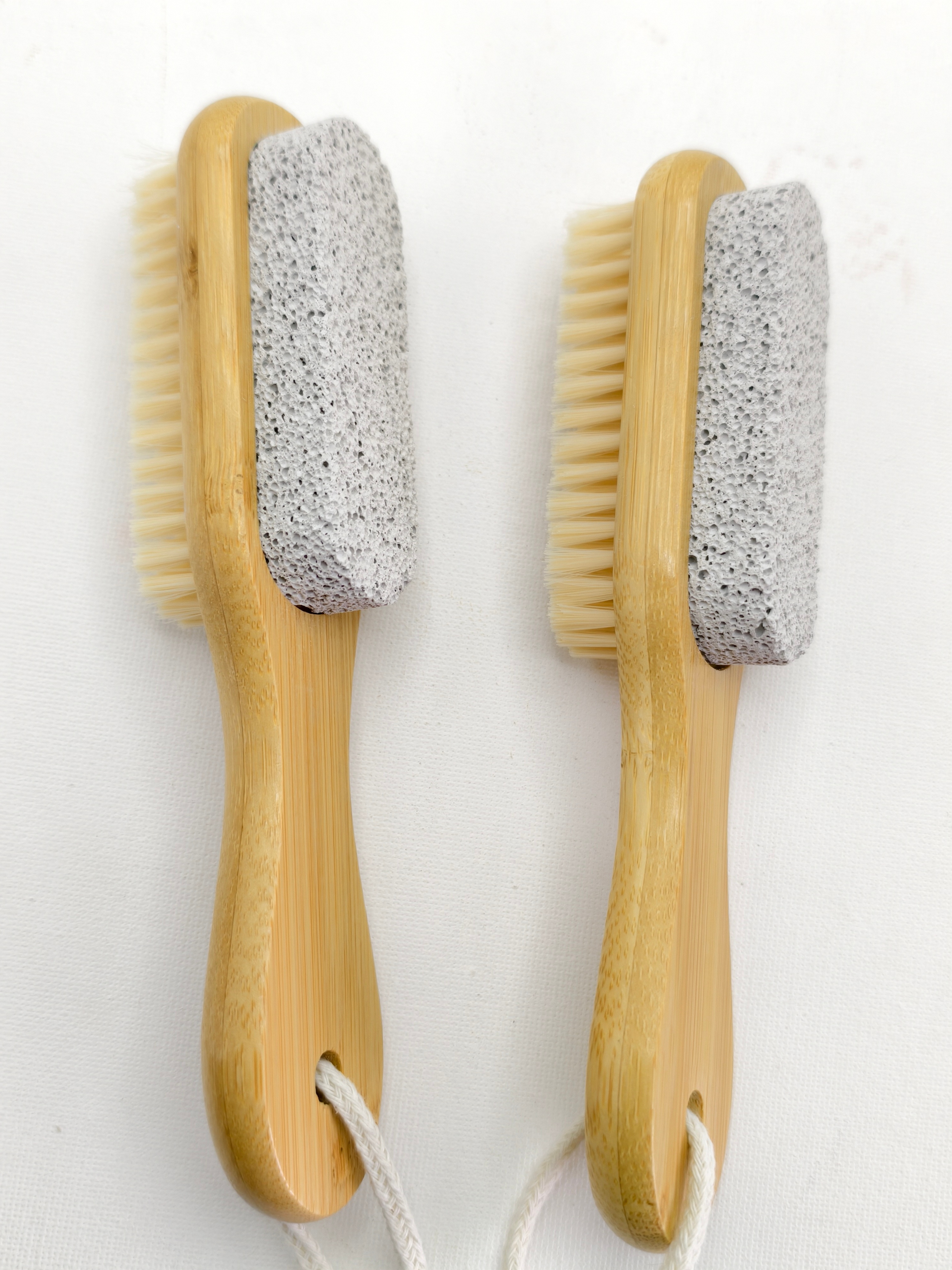
.png "mini bamboo nail brush")
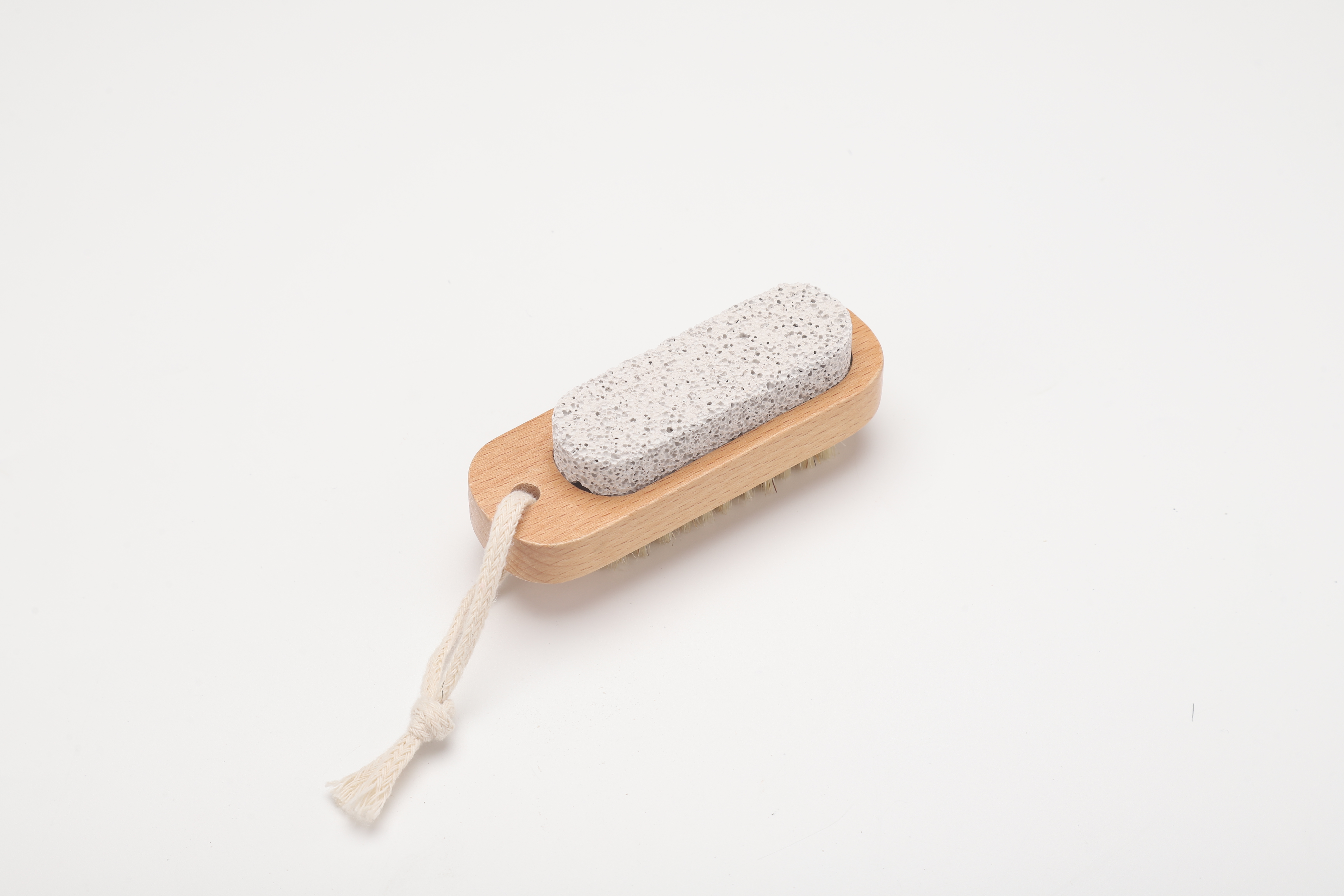
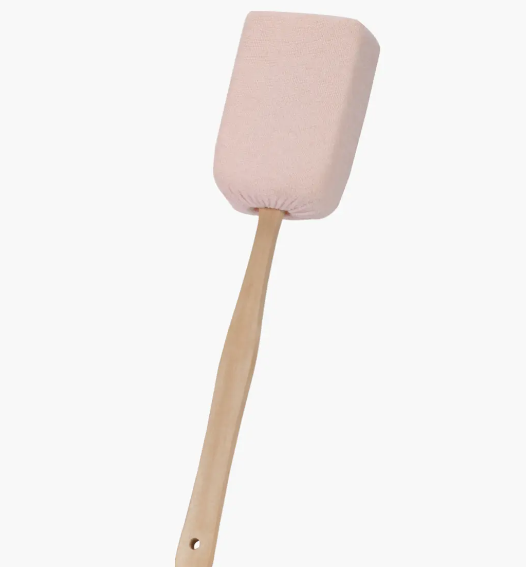
.jpg "long handle loofa bath brush")
.jpg "long handle loofa bath brush")


