
 En
 English
 Français
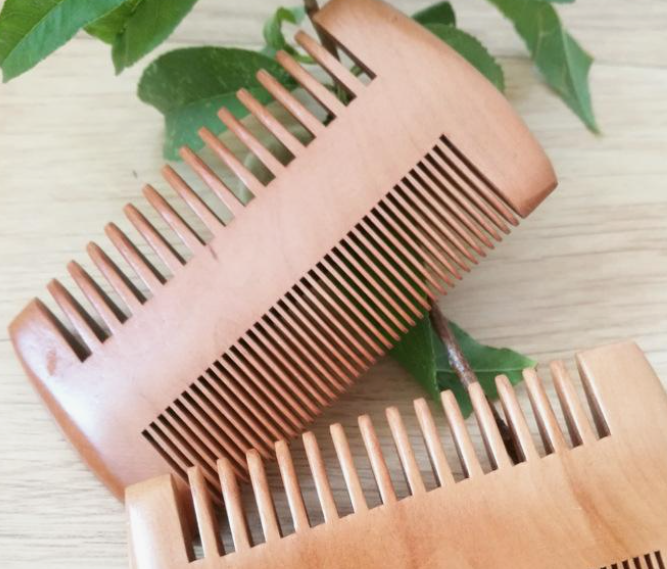
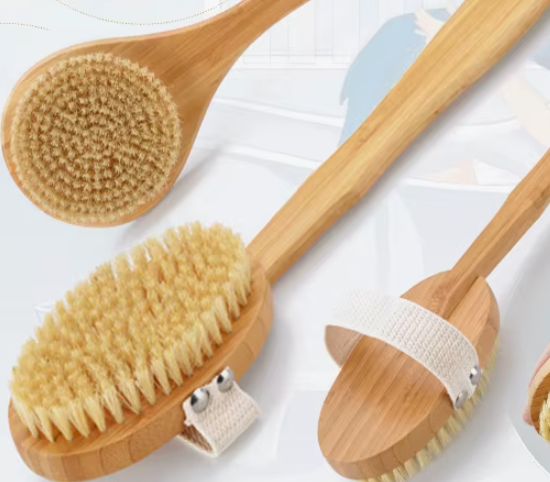
A plastic brush dragged through dry hair makes a small crackling sound, and the flyaways that follow are the visible half of the problem. Switching to a wooden hair brush changes three things at once: the surface that meets the hair, the way the bristles let go of it, and what happens to the tool at the end of its working life.
The benefits, in short: much less static, fewer snagged and broken strands, a warmer and lighter feel in the hand, gentler scalp contact, and a handle that can be re-oiled and repaired instead of thrown away. What you should not assume is that any brush with a wooden back delivers all of that. Species, finish, pin polishing and cushion construction decide whether the brush glides or scratches, and those four details are exactly where cheap products fall short.
Content
- 1 The benefits that hold up in daily use
- 2 Wood, plastic or metal: where the difference actually shows
- 3 Bristle type decides more than the handle does
- 4 What the structure tells you before you touch the bristles
- 5 Specifications that decide whether a wooden hair brush reorders
- 6 Keeping a wooden brush in service
- 7 Frequently asked questions
The benefits that hold up in daily use
Put the packaging claims aside and five gains survive regular use:
- Static drops away. Dry hair builds charge against synthetic bristles and then clings to itself. Wood and natural bristle surfaces build far less, so strands separate instead of forming a halo around the head.
- Fewer broken hairs. Breakage usually happens at a snag: a mould seam, a sharp pin tip, or a bristle row so dense that it grips more hair than the cushion can flex around. A well-made wooden pin brush releases the strand before tension rises.
- Gentler scalp contact. Rounded wooden pins and soft boar bristle move across the scalp without scratching it, and boar bristle carries some sebum from the roots toward the ends, which many people find makes mid-lengths feel less dry.
- A lighter, warmer tool. Wood is noticeably lighter than a metal-bodied brush and does not feel cold on the scalp first thing in the morning.
- An end of life that is not landfill. A solid wood or bamboo handle can be sanded, re-oiled and kept for years, and when it finally goes, it biodegrades.
The honest caveat: a heavily lacquered brush with a visible seam and unpolished pins behaves much like a plastic brush, and any wooden brush left sitting wet will swell and split. The material is not the benefit by itself. The construction is.
Wood, plastic or metal: where the difference actually shows
Handle material changes how a brush behaves in the hand and on the hair. The comparison below reflects general material behaviour rather than a test of one product.
| Property | Beech or bamboo | ABS plastic | Metal body |
|---|---|---|---|
| Static on dry hair | Low | High | Medium |
| Feel on the scalp | Warm, slightly porous | Smooth, sometimes slick | Cold at first contact |
| Weight | Light to medium | Light | Heaviest |
| Near blow-dryer heat | Handle stays cooler but can dry and split if soaked | Can soften and deform | Conducts heat quickly |
| Repairable | Yes, sand and re-oil | No | No |
| End of life | Biodegradable | Rarely recycled in practice | Recyclable, energy-intensive |
| Typical entry price | Higher | Lowest | Highest |
Two rows matter most for return rates: heat behaviour and repairability. A wooden handle that is rinsed and left to dry bristle-down survives for years; the same handle left standing in a puddle on the shelf will not.
Bristle type decides more than the handle does
Two brushes with identical beech handles can feel completely different, because the working surface is the bristle. Quick orientation:
| Bristle | Works best for | Watch for |
|---|---|---|
| Boar bristle | Fine to medium hair, smoothing, spreading natural oil | Too soft to reach through thick hair |
| Nylon or synthetic | Thick, curly or long hair that needs detangling | Generates static; tips must be ball-ended |
| Wooden or bamboo pins | Scalp contact, medium detangling, static control | Pins swell if the wood is left unsealed |
| Mixed boar and nylon | One brush for a whole household | Ratio decides performance; mostly nylon behaves like plastic |
For most buyers the practical split is simple: pin brushes for detangling and scalp contact, boar for smoothing and oil distribution, blended cushions for shared use.
 Natural Bamboo Air Cushion Massage Hair BrushA bamboo air-cushion brush that aims to glide without pulling for smooth, shiny hair and gentler scalp contact.View Product →
What the structure tells you before you touch the bristles
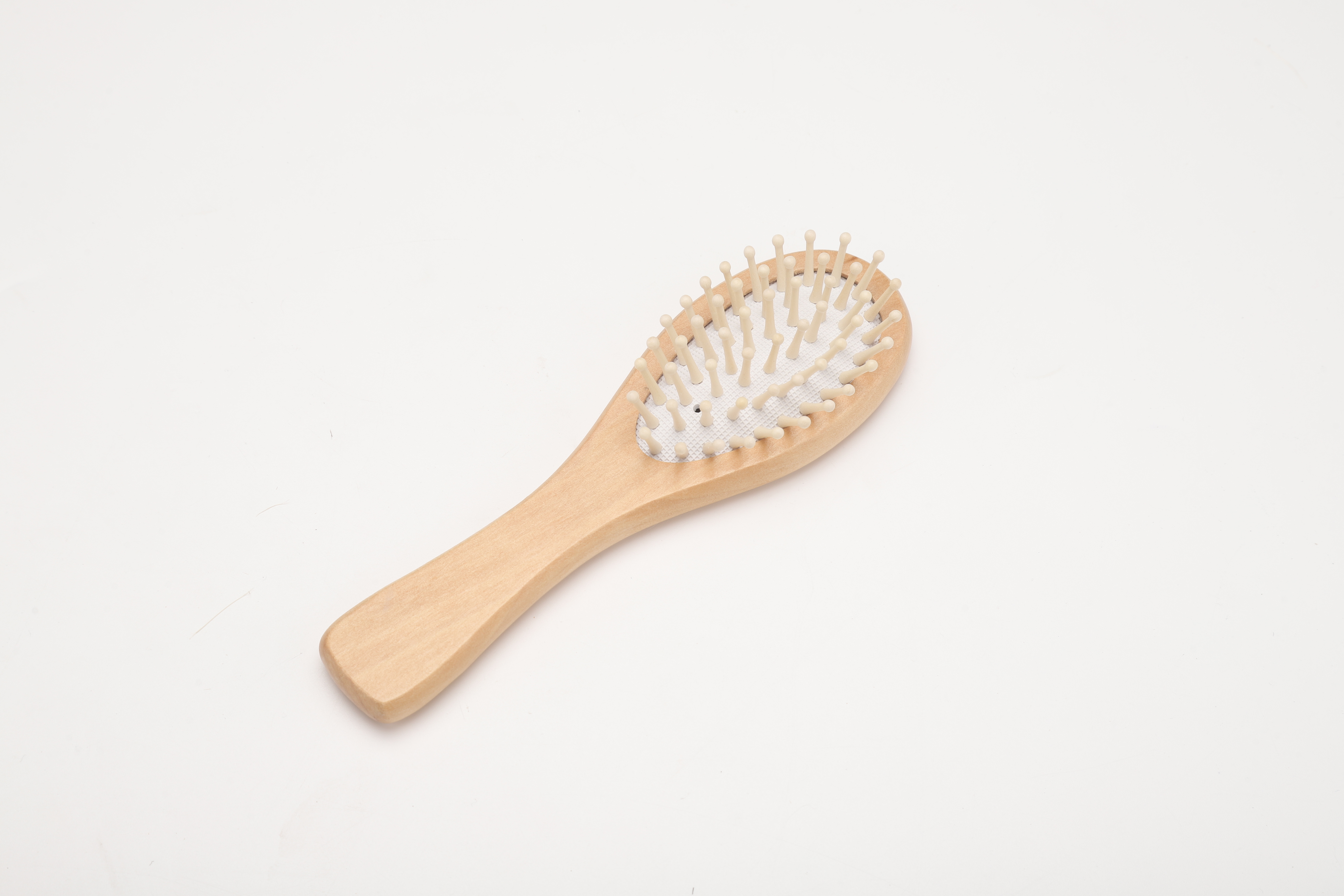
An air-cushion brush has four parts that decide quality, and all four are visible in a section view.
Run through this checklist on any sample before approving a bulk order:
- Pin tips: roll a tip between finger and thumb. A polished dome slides; a cut end catches.
- Cushion flex: press the pad. It should give two or three millimetres and spring back, not crease permanently.
- Vent hole: a single small hole in the cushion lets air escape so the brush does not push hair away as it lands.
- Joint: the handle-to-head transition should be smooth, with no step that hair can catch on.
- Finish: oiled or waxed wood shows grain and can be refreshed; thick lacquer hides grain and chips white at the edges.
Specifications that decide whether a wooden hair brush reorders
Wood and moisture content
Kiln-dried hardwood is normally specified at roughly 8 to 12 percent moisture content. Unseasoned wood swells in a humid bathroom and shrinks in a dry climate, and the crack usually appears at the neck, where stress concentrates.
Finish type
Oil and wax feel better and photograph honestly, but they need re-oiling and support no long-term water-resistance claim. Lacquer and UV coatings survive bathroom humidity longer, yet they chip, and a chipped edge looks worse than an oiled handle that has simply darkened with use.
Pins and cushion
Ask whether pin tips are tumble-polished or hand-sanded, and what the cushion is made of. Natural rubber pads hold tension longer than low-grade TPR; a pad that has gone hard is the most common reason a brush starts to feel scratchy after a year.
Claims and paperwork
If the box will say FSC certified or biodegradable, the chain-of-custody documents have to exist before artwork is approved. Retrofitting a claim after printing is the expensive version of that conversation. Suppliers already running eco-friendly bamboo hair brushes lines usually hold that documentation, and the same applies to wholesale wooden hair combs programmes built around off-cuts from brush production.
Packing tests
Two tests catch most complaints before shipping: a humidity chamber run on packed cartons, and a carton-level drop test. Both take days rather than weeks, and both are cheaper than a container of warped handles.
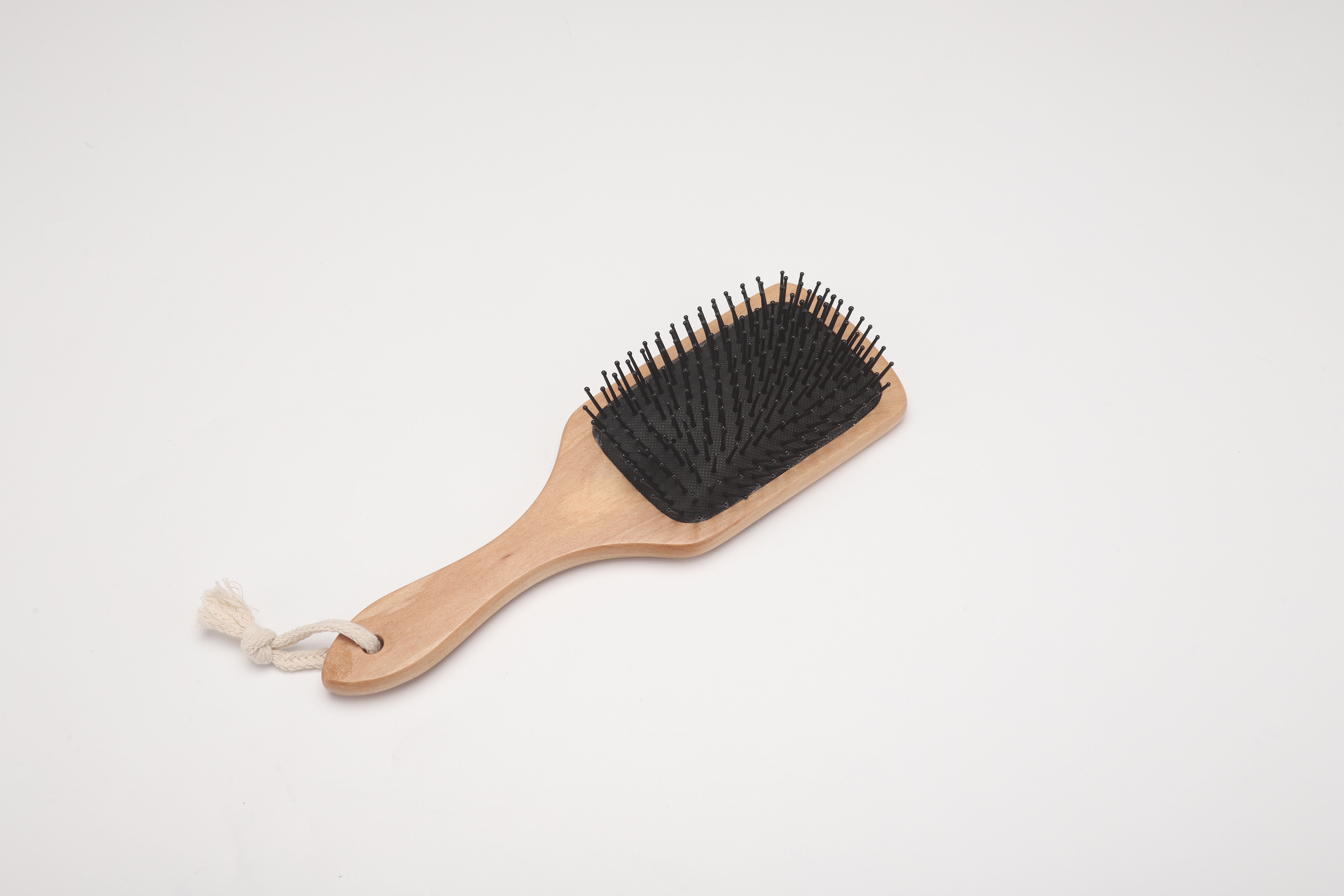 Wooden Hair Brush with Nylon Massage NeedlesA wooden scalp-care brush with rubber and nylon needles for dandruff cleaning, oiliness reduction, and gentle massage.View Product →
Keeping a wooden brush in service
A brush that still looks good after five years argues for the material better than any label ever will.
- Weekly: lift out loose hair with a comb, then work a drop of mild soap into the bristles with a soft brush.
- Rinse fast, never soak. Water is what raises the grain and loosens the cushion.
- Dry bristle-down on a rack, away from radiators and direct sun.
- Re-oil the handle every two to three months with a few drops of mineral or camellia oil, then wipe off the excess.
- Sand out roughness with 400-grit paper before re-oiling; a rough patch snags hair long before the wood fails.
Damp detangling is a separate job. A wide-tooth wooden comb handles it with less stress on wet strands and keeps the brush for dry use, where it performs best.
 Natural Bamboo Wooden Wide-Tooth Flat CombA sustainably sourced bamboo wide-tooth flat comb for grooming, suited to detangling wet strands with less stress than a brush.View Product →
Frequently asked questions
- What are the benefits of a wooden hair brush for fine, thin hair?Less static, less drag and a lighter tool. Choose wooden pins or a soft boar blend, and avoid very dense bristle rows that flatten fine hair.
- Do wooden hair brushes really stop frizz and static?They reduce it rather than eliminate it. Charge comes from dry hair and friction, so a heavily lacquered brush behaves closer to plastic than to bare oiled wood.
- Is a wooden hair brush better than a plastic one for hair growth?No brush grows hair. A well-made pin brush can cut pulling and scalp irritation, but growth claims belong in a different conversation.
- Can I use a wooden hair brush on wet hair?Not ideally. Water raises the grain and wet hair stretches, so detangle damp hair with a wide-tooth wooden comb and brush once it is nearly dry.
- How do I clean a wooden hair brush without cracking the handle?Remove hair weekly, wash the bristles with diluted mild soap, rinse briefly, shake out and dry bristle-down. Never soak it and never use a dishwasher.
- What should a buyer check before ordering wooden hair brushes wholesale?Moisture content, finish type, pin tip polishing, cushion hardness, certification documents and packing test reports, in that order.