

 En
En
 English
 Français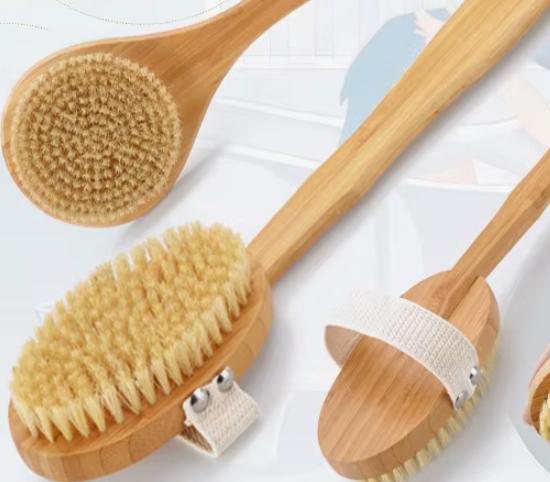
Your shower shelf already holds a loofah, a washcloth, and a body wash, so adding a dry brush can feel like an extra step with an unclear payoff. The short version: dry brushing exfoliates dead skin, creates a temporary but noticeable increase in surface circulation, and delivers a low-cost, invigorating massage in roughly three minutes. It will not remove cellulite, it will not detoxify your organs, and it can irritate sensitive skin if overdone. Here is what the evidence supports, how to brush correctly, and what to look for when you buy.
Content
- 1 What Is Dry Brushing?
- 2 What Are the Measurable Benefits of Dry Brushing?
- 3 How Often Should You Dry Brush?
- 4 How to Choose a Dry Brush That Actually Works
- 5 How to Dry Brush Correctly
- 6 Dry Brushing and the Lymphatic System
- 7 Common Mistakes That Turn a Good Habit Into an Irritant
- 8 Frequently Asked Questions About Dry Brushing
- 8.1 Q1: How often should you dry brush your body?
- 8.2 Q2: Does dry brushing help with cellulite?
- 8.3 Q3: Can dry brushing help lymphatic drainage?
- 8.4 Q4: Should you dry brush before or after a shower?
- 8.5 Q5: Is dry brushing safe for sensitive skin?
- 8.6 Q6: How long does it take to see results from dry brushing?
What Is Dry Brushing?
Dry brushing means passing a stiff-bristled brush over clean, completely dry skin in long strokes, normally directed toward the heart. It happens before the shower, because water softens the stratum corneum and changes how much friction the bristles deliver. The friction lifts dead keratinocytes from the outermost layer of the epidermis without soap or chemical exfoliants.
Most dry brushes share three structural parts, and each part changes how the brush feels on the skin.
Bristle density controls how aggressive the exfoliation feels; a dense field of natural bristles distributes pressure evenly. The base has to tolerate a humid bathroom, which is why bamboo and beech are common. The handle determines whether you can reach your mid-back without contorting. These three factors also drive the price difference between cheap and durable brushes.
What Are the Measurable Benefits of Dry Brushing?
Clinical studies focused specifically on dry brushing are limited, but the physiology behind the claims is well understood. The main benefits, with the strength of evidence attached:
- Exfoliation - the firmest benefit. Bristle friction removes dead cells, unclogs pores, and leaves skin noticeably smoother and softer. This is plain mechanical exfoliation, the same principle dermatologists use when recommending gentle physical exfoliants.
- Surface circulation - a real but temporary effect. Friction dilates dermal capillaries, producing the pink flush you see immediately after brushing. Blood flow returns to baseline within the hour.
- Nervous system stimulation - real and subjective. The repetitive tactile input along the back and limbs is mildly invigorating, similar to a light massage.
- Lymphatic transport support - plausible as gentle support. Lymph fluid has no central pump; it relies on muscle contraction and external pressure. Manual lymphatic drainage studies show that tissue compression raises lymph velocity two- to threefold. A brush cannot match a therapist's hands, but it adds a small push along superficial vessels.
Two claims do not survive scrutiny: dry brushing does not eliminate cellulite, and it does not flush toxins from the liver or kidneys. The lymphatic system works continuously on its own; brushing simply adds a light external nudge to the surface network.
How Often Should You Dry Brush?
Frequency depends on your skin's tolerance, not on a fixed calendar. Dermatologists usually recommend starting at one or two sessions per week and increasing only if the skin shows no redness, stinging, or tightness. Brushing too often strips the lipid barrier faster than it can rebuild, which leads to dryness, irritation, and contact dermatitis.
If your goal is smoothness without irritation, two to four sessions per week is realistic for normal skin. Sensitive skin should stay at the lower end. If brushing leaves your skin tight or red, cut back and switch to a softer bristle for two weeks before trying again.
How to Choose a Dry Brush That Actually Works
Three decisions determine whether a brush becomes a daily ritual or a shelf warmer: bristle material, base material, and handle length.
- Bristle material - natural bristles (boar, sisal, or cactus) provide firmer, more consistent exfoliation and are biodegradable. Nylon bristles are softer and easier to rinse but exfoliate less and are not zero-waste.
- Base material - bamboo or beech resists moisture when sealed properly, while MDF and plastic warp faster and carry a larger environmental footprint.
- Handle length - a long handle reaches the mid-back; a short palm brush gives precise control on your legs, arms, and feet.
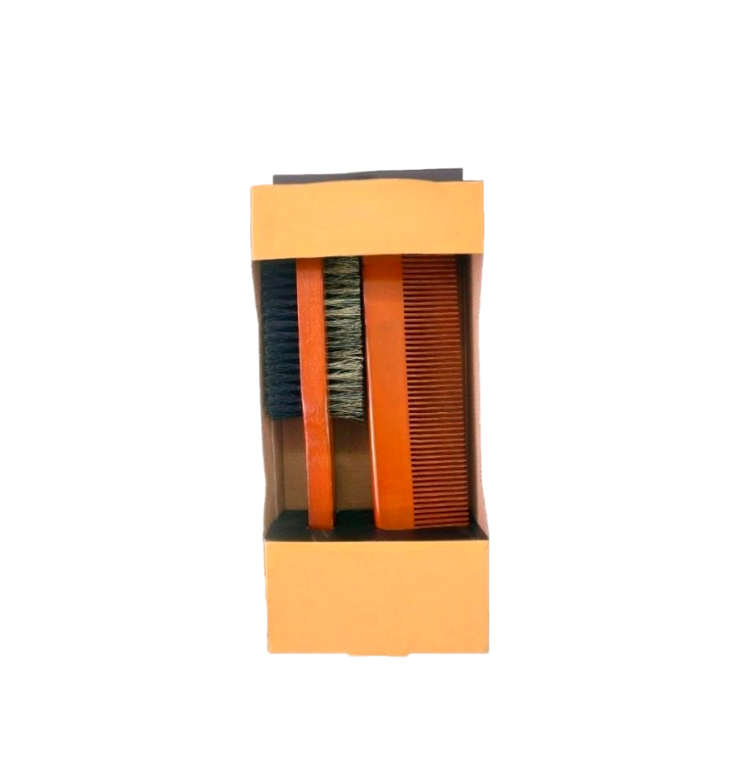
If you already know you want a full-body routine, start with natural bristles on a wooden base. Many boar bristle dry body brushes use a curved head that follows the spine and ribs, which keeps pressure even instead of digging in at one edge.
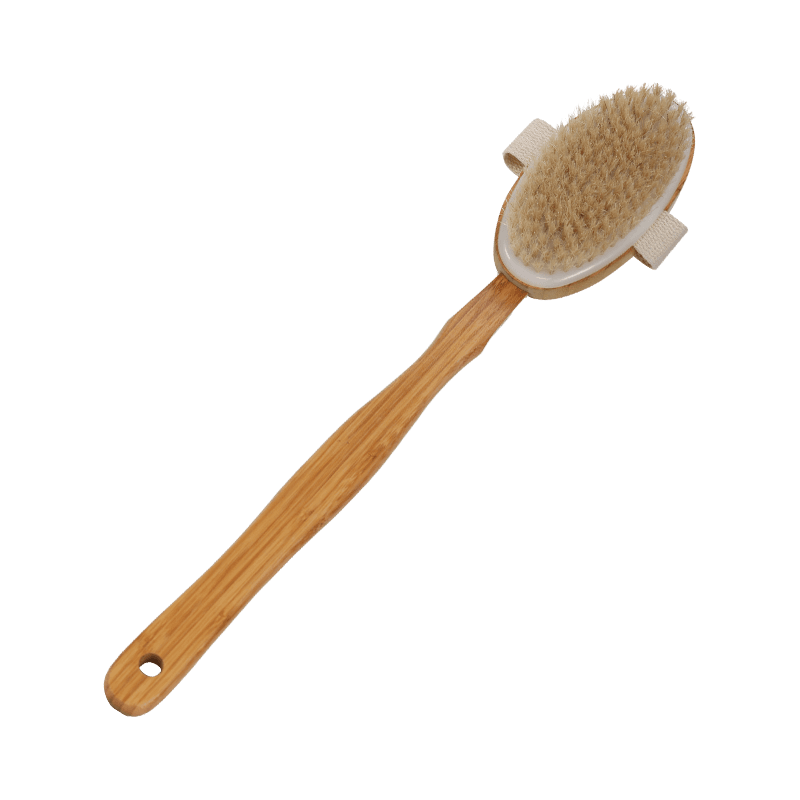 Eco-Friendly Bamboo Handle Natural Bristle Dry Body BrushThis curved bamboo-handled brush with natural bristles suits a full-body dry brushing routine before showering, matching the guide's suggestion for even pressure and gentle exfoliation.View Product →
How to Dry Brush Correctly
A correct session takes about three minutes and should never sting. Brush on dry skin, before the shower.
- Start at the ankles and brush upward along the outside of the legs toward the hips using long, smooth strokes.
- From each hand, brush up the arms toward the shoulders, covering both the inner and outer arm.
- Move across the lower back, then the upper back, always traveling toward the collarbones.
- On the abdomen, chest, underarms, and neck, use a lighter touch - these areas are thin-skinned and easily over-exfoliated.
- Shower right away to rinse away the loosened cells, then apply a moisturizer while skin is still damp.
- Rinse the bristles after each use and let the brush dry bristle-side down; wash it weekly with diluted soap.
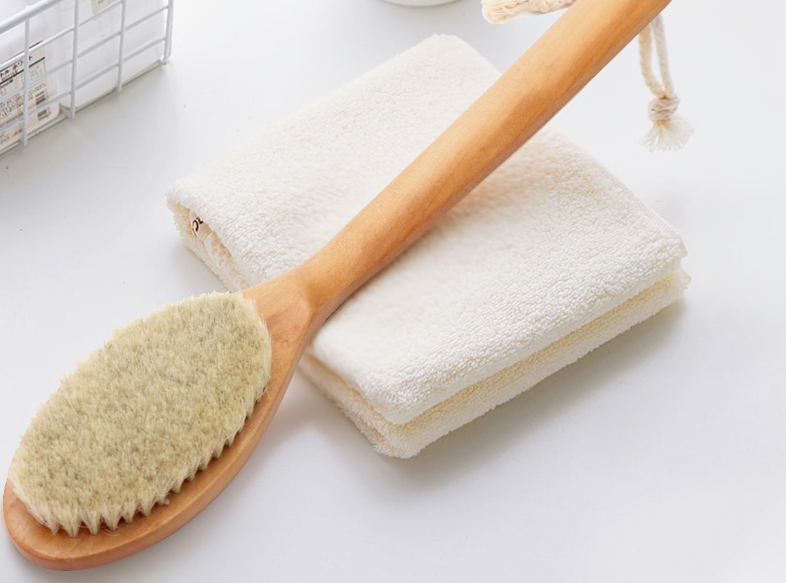
For the lower back and shoulder blades, a long-handled brush makes the difference between a consistent routine and a forgotten habit.
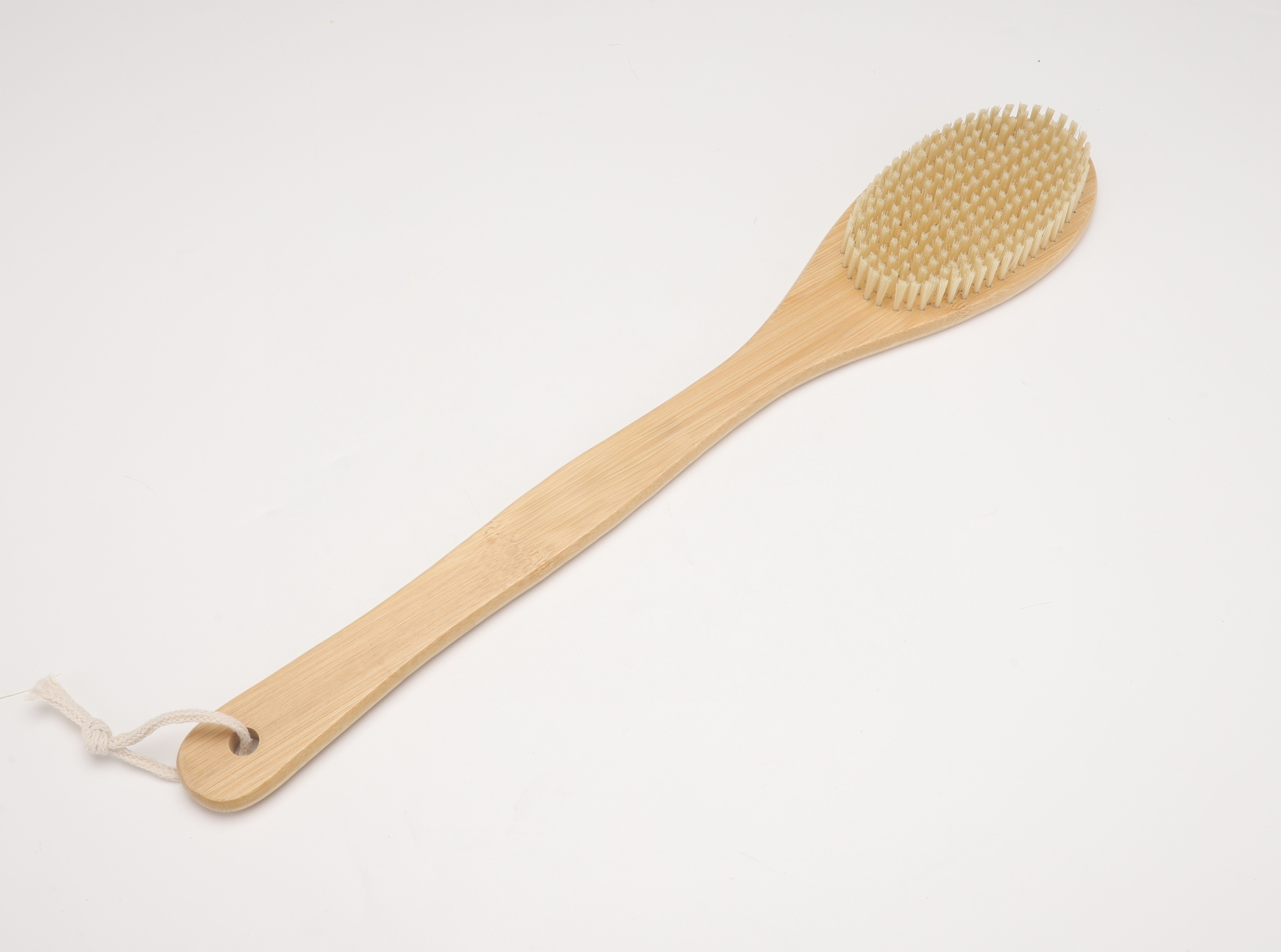 Long Handle Natural Wooden Bath Brush for Wet or Dry UseDesigned with a long bamboo handle and PP bristles, this brush reaches the back, shoulders, and feet, making it ideal for consistent full-body routines where length improves access.View Product →
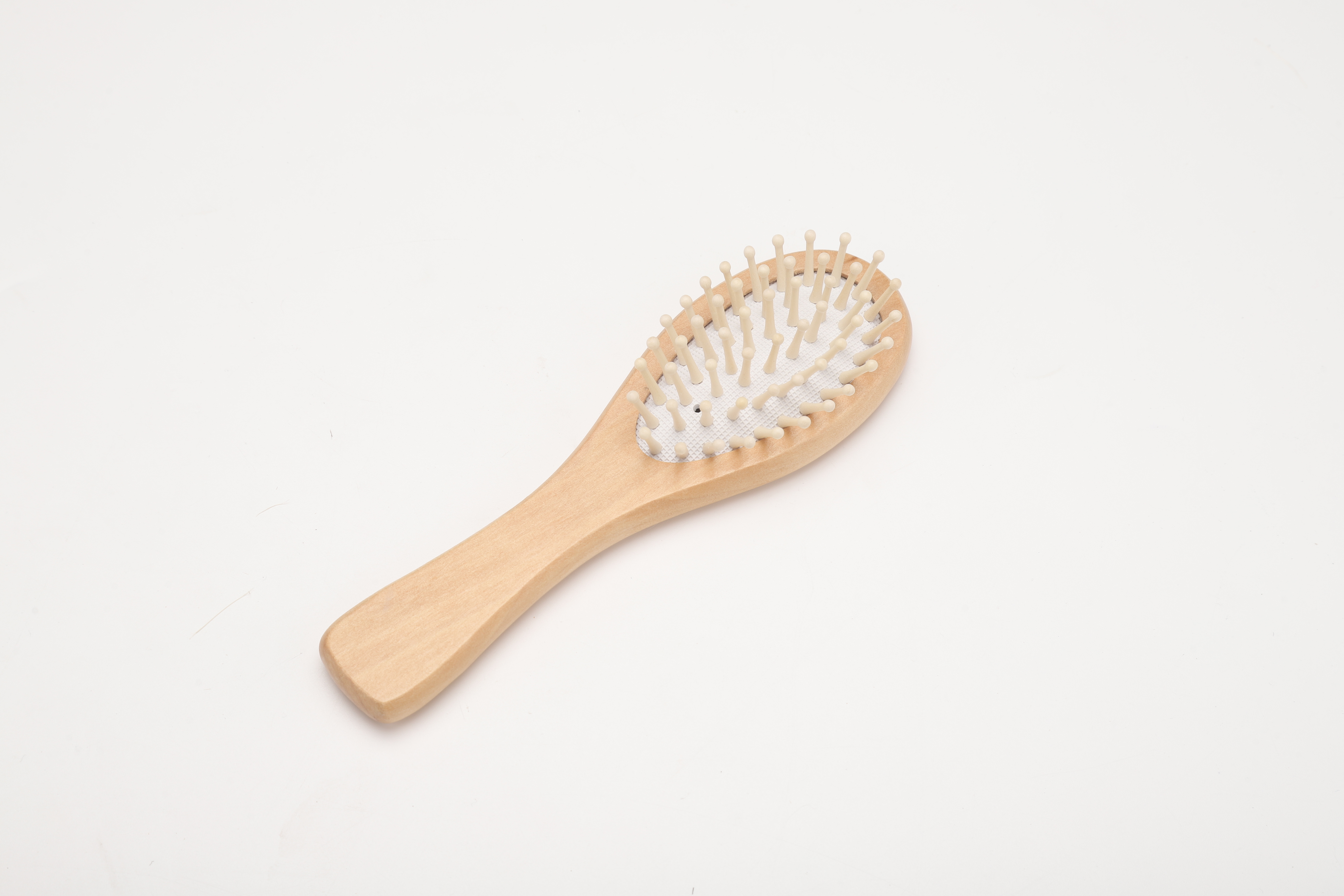
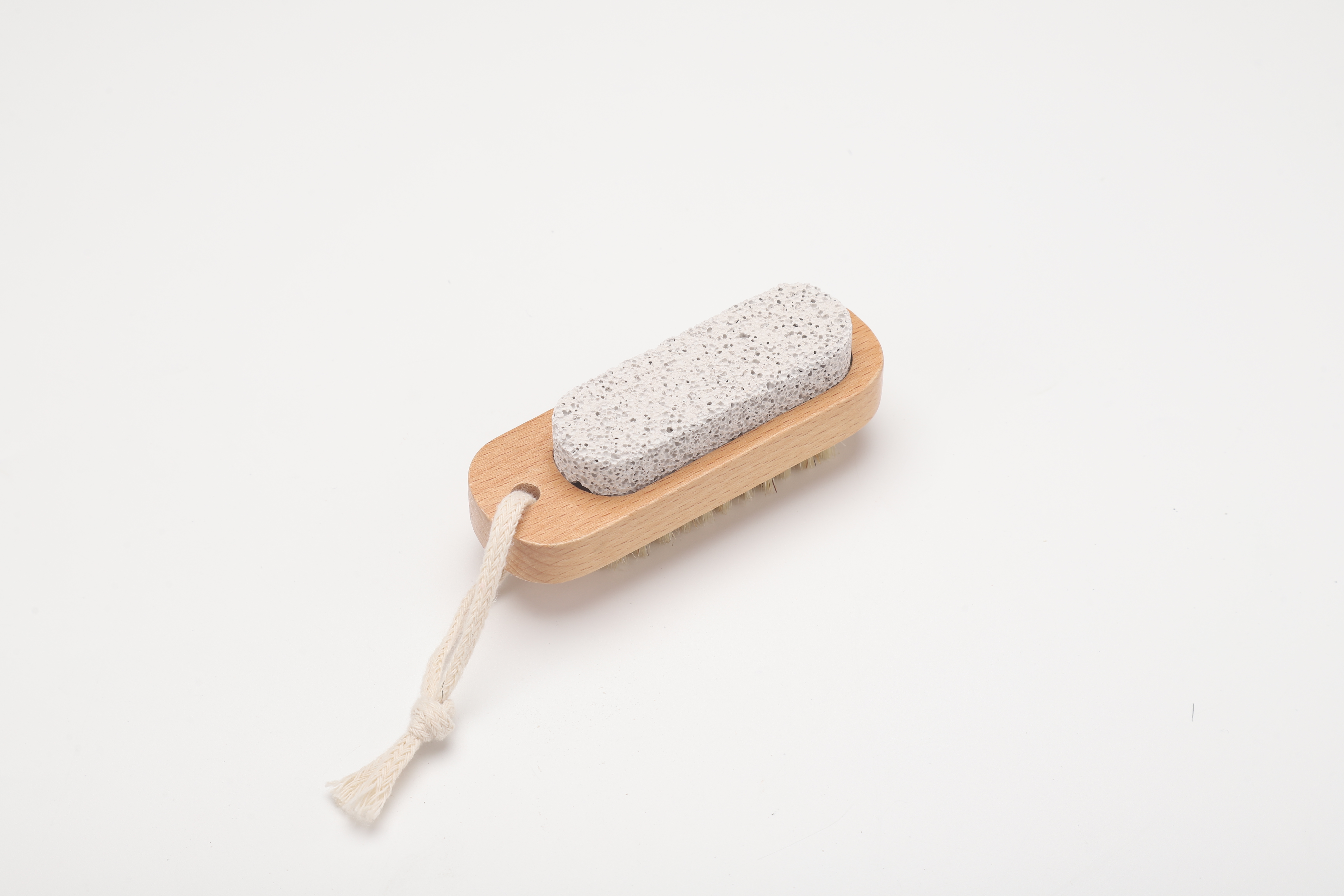
A compact palm brush gives better pressure control on the legs and arms, which matters when you are still learning how hard you should press.
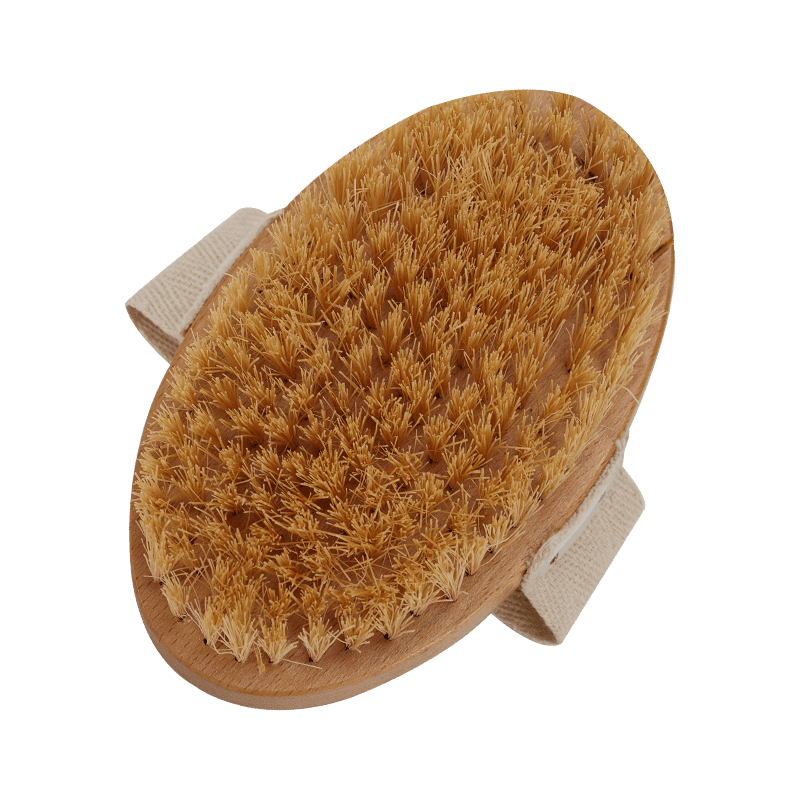 Dry Skin Body Brush for Circulation and Skin CarePositioned after pressure-control guidance, this brush is presented as a gentle self-support tool for circulation and skin concerns, fitting the discussion on realistic lymphatic benefits.View Product →
Dry Brushing and the Lymphatic System
Lymphatic drainage is the most cited benefit and the least understood one. The lymphatic network carries fluid, waste, and immune cells, but it has no pump; movement depends on breathing, skeletal muscle contraction, and external compression. Manual lymphatic drainage is a recognized therapy in which trained practitioners massage along lymph pathways to reduce swelling. A dry brush cannot replicate that precision, so it should be seen as gentle self-support rather than treatment.
If your goal is light daily stimulation along the legs and torso, brushes designed specifically for lymphatic drainage use medium-firm bristles that drag the skin enough to move superficial fluid without irritating deeper tissue.
Common Mistakes That Turn a Good Habit Into an Irritant
Most problems come from technique, not from the brush. The typical errors are brushing wet skin, pressing hard enough to leave red streaks, scrubbing in circles, and repeating sessions several times a day. The table below is a quick reference for what dermatologists recommend.
| Do | Don't |
|---|---|
| Brush on dry skin before the shower | Wet the brush first or brush in the shower |
| Use long strokes toward the heart | Scrub back and forth or in small circles |
| Keep pressure light enough that skin does not turn red | Press until you see streaks on the skin |
| Start with 1-2 sessions per week | Dry brush twice a day |
| Rinse the bristles after use and air-dry the brush properly | Share brushes or store them in a damp sealed box |
| Replace the brush when bristles soften or crack | Use a brush with mold growing on the base |
Frequently Asked Questions About Dry Brushing
Straight answers to the questions people search most before they buy their first brush.
Q1: How often should you dry brush your body?
For most people, two to three times per week is enough to exfoliate and maintain smoothness. If your skin shows no redness, you can work up to daily; sensitive skin should stay at one or two sessions per week.
Q2: Does dry brushing help with cellulite?
No reliable evidence shows that dry brushing reduces cellulite. It temporarily improves texture by exfoliation and mild fluid movement, but the structural causes of cellulite remain unchanged.
Q3: Can dry brushing help lymphatic drainage?
It can support superficial lymph flow by adding gentle external pressure along the skin, but it is not a substitute for professional manual lymphatic drainage or medical treatment of swelling.
Q4: Should you dry brush before or after a shower?
Before. Dry skin provides the friction that makes exfoliation effective, and the shower rinses away the dead cells. After a shower, the skin is softer and more vulnerable to friction damage.
Q5: Is dry brushing safe for sensitive skin?
It can be, with a soft natural bristle, light pressure, and one or two sessions per week. Patch-test a small area first, and skip brushing during eczema or psoriasis flare-ups.
Q6: How long does it take to see results from dry brushing?
Smoother, brighter skin is visible right after the first session because dead cells are gone and circulation is elevated. Consistent improvements develop over two to three weeks.
.png "mini bamboo nail brush")
.jpg "long handle loofa bath brush")
.jpg "long handle loofa bath brush")


