
 En
 English
 Français
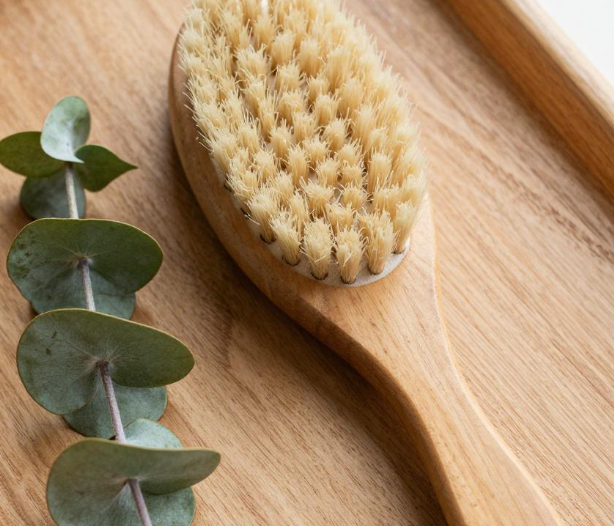

Two facial cleansing brushes can look almost identical in the store and feel completely different on wet skin. One leaves your cheeks tight and flushed; another feels so gentle that you wonder whether it is doing anything. The price tag rarely explains the gap. Bristle stiffness, head shape, power source, and cleaning routine do.
The practical answer is to choose the least aggressive brush that still removes sunscreen, makeup residue, and excess oil without leaving your skin stinging. Start with your skin’s tolerance, then check how the brush is powered, how it fits your face, and what replacement heads cost. A sonic brush with a firm nylon head is a poor first purchase for reactive skin; a soft manual brush may be all a dry or sensitive face needs.
Content
- 1 Match the Brush to Your Skin, Not the Motor
- 2 Bristle Material Decides How the Brush Feels
- 3 Manual, Sonic, or Silicone: Choose the Control You Will Use
- 4 Check the Head Shape and Handle Before You Pay
- 5 Clean It Like a Skincare Tool, Not a Bathroom Prop
- 6 For Buyers: What to Verify Before You Source
- 7 Facial Cleansing Brush FAQs
- 7.1 Q1: Do facial cleansing brushes clean better than hands?
- 7.2 Q2: Which is better for sensitive skin, silicone or nylon?
- 7.3 Q3: How often should I use a sonic facial cleansing brush?
- 7.4 Q4: Can a facial cleansing brush remove blackheads?
- 7.5 Q5: How do I clean and store a facial brush?
- 7.6 Q6: What should wholesale buyers check before ordering?
Match the Brush to Your Skin, Not the Motor
Skin type should narrow the field before you look at speed settings or timer features. The American Academy of Dermatology’s public face-washing guidance emphasizes gentle cleansing and avoiding harsh scrubbing, which is useful context for any exfoliating tool. If your skin turns red, stings, or feels tight after cleansing, the brush is too aggressive or you are using it too often.
| Skin type | Better brush direction | Use pattern | Watch for |
|---|---|---|---|
| Sensitive or reactive | Silicone or very soft, tapered nylon | Start twice weekly, no pressure | Redness, stinging, tightness |
| Normal or combination | Soft nylon manual or low-frequency sonic | Three to four times weekly, as tolerated | Over-polishing the cheeks |
| Oily or congested | Soft nylon with gentle exfoliation; avoid firm bristles | Up to five times weekly, shorter passes | Scrubbing active breakouts |
| Dry or dehydrated | Silicone or soft natural bristle; skip firm nylon | Two to three times weekly | Hot water and long cleansing time |
If you already know your skin reacts to friction, choose a brush you can use without pressing. For sensitive-skin buyers, our bath products for sensitive skin page outlines gentler material options and use considerations.
Bristle Material Decides How the Brush Feels
Silicone bristles are soft, easy to rinse, and less likely to trap cream residue. They are a sensible starting point for sensitive skin, but they provide less mechanical exfoliation than nylon. Nylon bristles can be soft or firm depending on diameter and tip finishing; soft, tapered nylon is usually more comfortable than thick, cut-ended nylon. Natural bristles vary more widely. Goat bristle is generally soft, while boar bristle is stiffer and better suited to oily skin or occasional deep cleansing, not daily scrubbing.
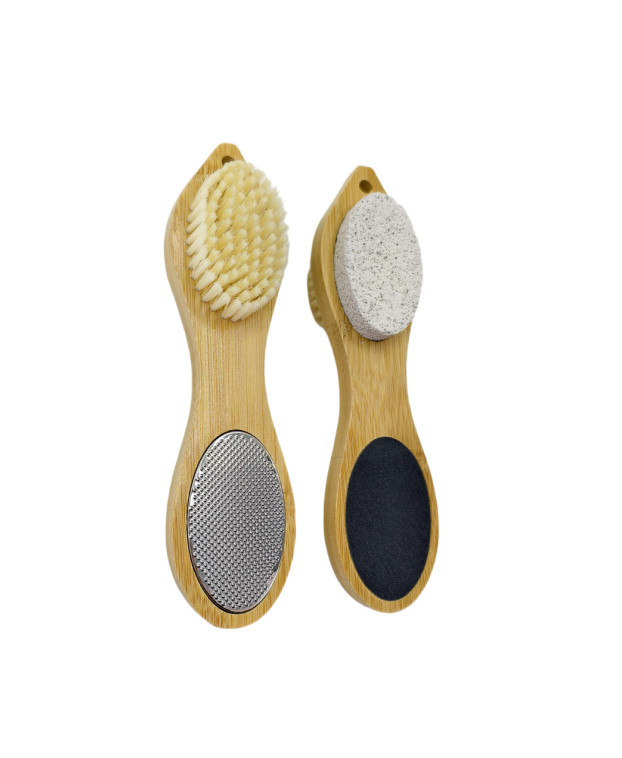
Look at the tips, not just the bristle count. A dense brush with coarse, blunt tips can feel harsher than a simpler brush with fine, rounded filaments. Natural goat bristle bamboo brushes are popular for dry and wet brushing because the bristles flex and the handle stays comfortable in the hand.
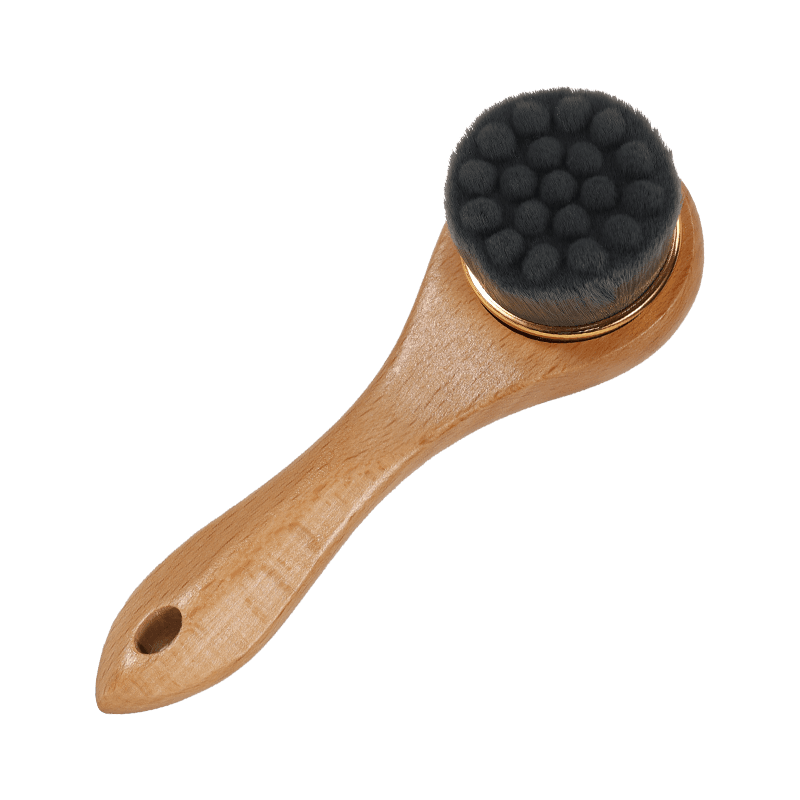 Natural Goat Bristle Bamboo Facial Cleansing BrushA natural goat bristle and bamboo facial brush for wet or dry cleansing and massage, worth considering when bristle feel and handle comfort matter.View Product →
Bristle length also matters. Short bristles feel firmer; longer bristles flex more and reduce pressure on the skin. If you are choosing between two similar brushes, pick the one with softer tips and slightly longer bristles first.
Bristle feel by material
Editorial comparison based on typical material and design characteristics, not a clinical ranking. Individual products vary by bristle diameter, density, and tip finishing.
Manual, Sonic, or Silicone: Choose the Control You Will Use
Manual brushes give you direct control over pressure and movement, which is why they remain a good choice for beginners and sensitive skin. Sonic brushes add vibration to help loosen residue, but the motion can encourage people to press harder. Silicone brushes sit between the two: easy to clean, gentle in feel, and usually less effective at deep exfoliation. The right answer depends on whether you want a cleansing aid or an exfoliating device.
What each design gives you
Qualitative design comparison. A soft manual brush scores high on control; a sonic brush may feel more thorough but requires lighter pressure.
If you prefer a simple wet-or-dry routine, a bamboo brush with soft bristles keeps the process understandable: wet the face, apply cleanser, move the brush in small circles, rinse, and dry the handle upright.
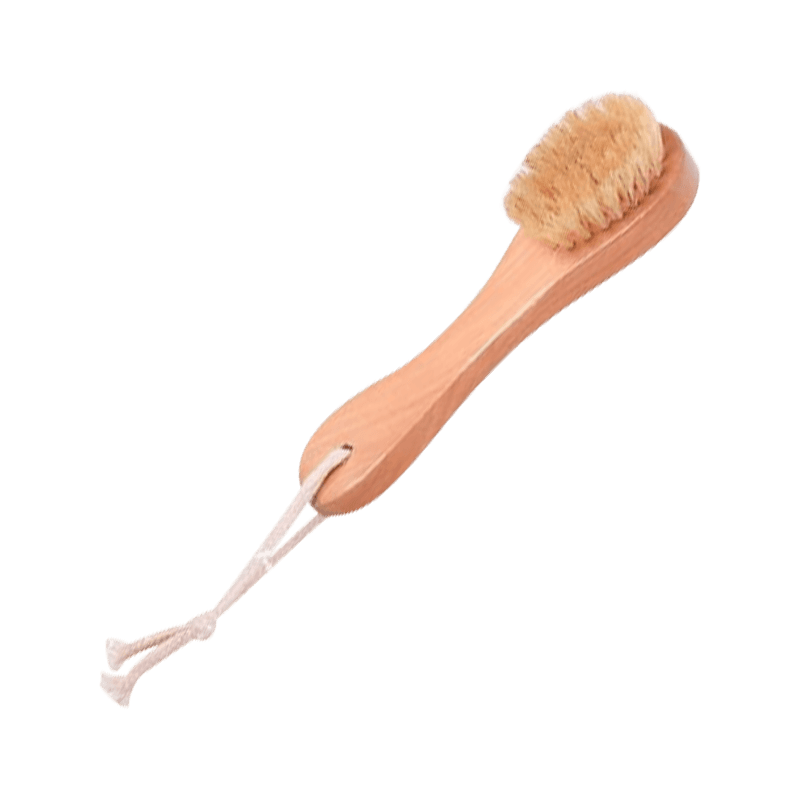 Bamboo Face Brush for Dry and Wet BrushingA soft-bristled bamboo facial brush with wooden handle and cotton lanyard, suited to a simple wet-or-dry cleansing routine and easy maintenance.View Product →
What the parts actually do
Check the Head Shape and Handle Before You Pay
The brush should reach the sides of your nose and the jawline without you pressing hard. A smaller oval head is easier to control around the nose and hairline; a round head covers the cheeks faster but can feel bulky. Handle grip matters more than many shoppers expect, especially if you use the brush in the shower with wet hands.
A 60-second fit check
- Press the head gently beside your nose. Can you reach the crease without pushing?
- Wet the handle and twist your wrist as if rinsing. Does it slip?
- If it is a sonic brush, switch it on and rest the back of the head against your hand. Is the vibration tolerable?
- Check the replacement head price and whether the brush can stand upright to dry.
A brush that fails the fit check will usually be used less often, and inconsistent use is worse than choosing a simpler tool you actually enjoy using.
Clean It Like a Skincare Tool, Not a Bathroom Prop
Cleansing brushes sit against wet skin, cleanser, and dead cells, so hygiene is part of performance. Rinse the head after every use, shake off excess water, and store the brush upright in a dry place. A closed shower caddy that stays damp is not ideal. Clean the head weekly with mild soap, and do not share the brush with anyone else.
- Replace the head every three months, or sooner if bristles bend, fray, or smell musty.
- Inspect silicone brushes for cracks and residue buildup around the base.
- Let the brush air-dry completely before putting on a cap or storing it in a cabinet.
- Add replacement heads to the total cost, not just the initial purchase price.
A low-cost brush with expensive or hard-to-find heads can cost more over a year than a slightly pricier brush with easy replacement parts. Check that before you commit.
For Buyers: What to Verify Before You Source
For brand owners, spa suppliers, and retail buyers, the selection criteria shift from personal comfort to consistency. Ask for bristle grade and tip finishing, base material documentation, and a clear statement of whether the brush is designed for wet use, dry use, or both. If the product uses natural bristle or bamboo, confirm how color and stiffness are controlled from batch to batch.
- Bristle diameter, density, and tip finishing method
- Handle material and any water-resistance or finish claims
- Motor and battery specifications for sonic versions
- Replacement head compatibility and long-term availability
- Cleaning instructions and packaging claims
- Test reports, MOQ, lead time, and private-label options
Natural materials can look beautiful and feel comfortable, but they need tighter incoming inspection than uniform synthetic parts. A supplier that can explain how it controls bristle softness, handle moisture resistance, and replacement-head fit is easier to work with than one that only shares a product photo.
Facial Cleansing Brush FAQs
Q1: Do facial cleansing brushes clean better than hands?
A: They can help with surface exfoliation and makeup residue, but technique matters. Gentle pressure and about 60 seconds are enough; scrubbing harder does not produce a deeper clean.
Q2: Which is better for sensitive skin, silicone or nylon?
A: Silicone or very soft, tapered nylon is usually the safer starting point. Patch-test on the jawline and stop if you feel stinging or see redness.
Q3: How often should I use a sonic facial cleansing brush?
A: Start two times a week and increase only if your skin stays comfortable. Daily use is not necessary for most people, especially with an exfoliating cleanser.
Q4: Can a facial cleansing brush remove blackheads?
A: It can soften surface debris and reduce oil buildup, but it does not extract blackheads. Do not press hard or use a stiff brush on congested skin.
Q5: How do I clean and store a facial brush?
A: Rinse after every use, shake off water, and dry upright. Wash the head weekly with mild soap, and replace it every three months or sooner if bristles change shape.
Q6: What should wholesale buyers check before ordering?
A: Confirm bristle grade, tip finishing, motor and IP rating, replacement-head fit, test reports, MOQ, and whether the supplier can keep color and stiffness consistent across batches.