

 En
En
 English
 Français
You bought a natural-bristle brush, watched a two-minute tutorial, and spent three mornings sweeping it across your legs and stomach. The skin feels smoother, but the red flush fades within an hour. Most people search "does dry brush work" at exactly this moment, and the honest answer is: it works for some outcomes, and for others it is mostly a wellness ritual.
Dry brushing is mechanical exfoliation performed with stiff natural bristles on dry skin before a shower. Its results divide into two groups. The physical effects — dead-skin removal, smoother texture, temporary circulation — are real and appear within days. The metabolic effects — "detox," lymphatic drainage, cellulite reduction — are weakly supported by evidence and rarely visible. In short: dry brushing works as an exfoliation and wake-up tool, not as a medical treatment.
Content
What Dry Brushing Actually Changes in Your Skin
Before judging the technique, it helps to separate the four things a brush can physically do:
- Exfoliation. Stiff bristles scrape away the outermost layer of dead skin cells. This is not a subtle effect: most users notice smoother-feeling legs immediately after the first session.
- Superficial blood-flow stimulation. Friction dilates small vessels near the skin surface, producing warmth and a pink tone that lasts 30 to 60 minutes.
- Lymphatic fluid movement. In theory, stroking toward the heart follows lymph pathways. In practice, lymph return depends on deeper muscle contraction, and brushing is at best a mild assist.
- Sensory stimulation. Firm bristles activate nerve endings in the skin, which is why many users describe dry brushing as an energizing way to start the day.
These four mechanisms matter because they explain which advertised benefits survive scrutiny. The chart below shows how often each benefit is mentioned across the top-ranking pages and discussions analyzed for this guide.
The pattern is telling. Realistic, mechanical outcomes dominate the conversation, while detox appears only in a minority of sources. The "glowing skin" benefit is typically the temporary brightness that follows exfoliation — not a permanent change in skin biology. Treat any article that promises deep detoxification as marketing rather than physiology.
What the Evidence and Dermatologists Say
Dermatologists accept mechanical exfoliation as a legitimate way to improve skin texture. The caveat is that "legitimate" does not mean "dramatic": most of the visible benefit comes from the removal of dead cells, which changes how light reflects off the skin surface. This same mechanism explains why people with keratosis pilaris — the small rough bumps on upper arms and thighs — often see smoother patches after four to six weeks of regular brushing. Exfoliation remains the recommended first-line approach for that common, harmless condition.
The claims that draw the most skepticism are lymphatic detox and cellulite reduction. No reliable clinical evidence shows that brushing a patch of skin can move meaningful amounts of lymph fluid or reduce fat deposits. Manufacturers who produce these brushes at scale describe dry brushing as a skin-care routine with mechanical effects rather than a treatment for internal conditions. Our factory's analysis of the topic reaches the same conclusion after years of supplying wooden bath brushes to global markets.
| Claim | Evidence level | What you will notice |
|---|---|---|
| Exfoliation / smoother skin | Strong | Softer, smoother skin from the first use |
| Better peripheral circulation | Moderate | Warmth and pinkness for about an hour |
| Lymphatic drainage | Weak | No visible effect; at best a mild assist |
| Cellulite reduction | Very weak | Nothing measurable |
| Keratosis pilaris improvement | Moderate | Fewer bumps after 4–6 weeks of regular use |
How to Dry Brush Correctly: Technique and Frequency
Technique matters more than the brush. A five-minute routine that follows three rules delivers most of the benefits: always stroke toward the heart, use light-to-medium pressure, and never brush broken, sunburned, or actively inflamed skin.
- Start at your feet and move up each leg in long, sweeping strokes. Circle the brush around knees, elbows, and ankles where the skin is thicker.
- Brush the stomach and chest in upward or clockwise strokes, keeping pressure noticeably lighter over the abdomen.
- Use the long handle for your back, moving from the spine outward toward the sides.
- Avoid the face, neck, and any rash or irritation. The skin of the face is far thinner and easily over-exfoliated.
- Shower immediately afterward to rinse away loosened flakes, then apply body oil or lotion within three minutes of drying to lock in moisture.
Frequency is the second most common mistake. Twice or three times a week is enough for most skin types. Daily brushing can strip the skin's moisture barrier, producing tightness and irritation. If you have sensitive skin, start with once a week and watch for redness that lasts more than a couple of hours.
Brushes themselves need care. Rinse bristles after every session and hang dry with the bristles facing down. Wash the brush with mild soap and water every one to two weeks, and inspect the wood for cracks or softened coating, since water damage is the most common reason a bath brush fails.
Choosing a Dry Brush That Actually Works
A poor brush produces either too little friction to exfoliate or a bristle stiffness that hurts. The three deciding factors are bristle material, handle length, and the quality of the wooden base. The diagram below labels the structural parts that determine how a dry brush performs.
Bristle material
- Boar bristle: firm but flexible, the most balanced option for normal skin. Brushes built specifically for dry use, such as boar-bristle dry body brushes, use longer, stiffer tufts that maintain their structure without water.
- Horsehair or goat bristle: softer and suitable for sensitive areas or first-time users.
- Sisal or hemp: rougher and more aggressive; works well on the thick skin of feet and elbows.
- Synthetic nylon: gentle, quick to dry, but the least effective at removing dead-skin buildup.
Handle length
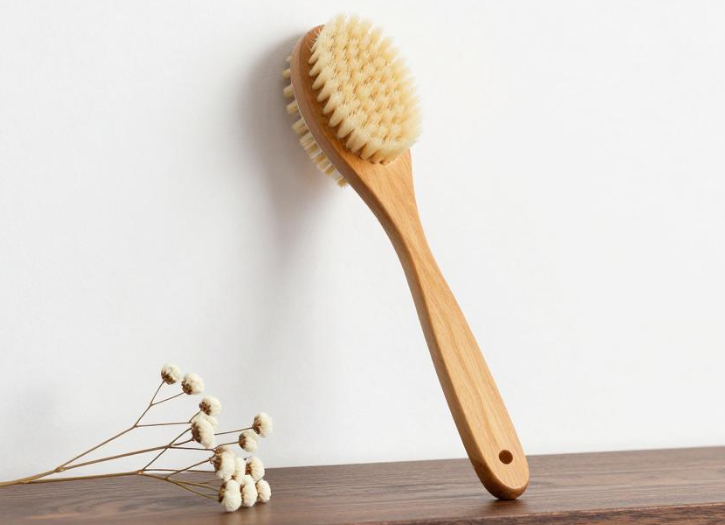
Long handles reach the middle of the back without straining your shoulder, while short-handled oval brushes give finer control on legs and arms. Most households end up owning one of each. For back care, a long-handle model is the practical starting point.
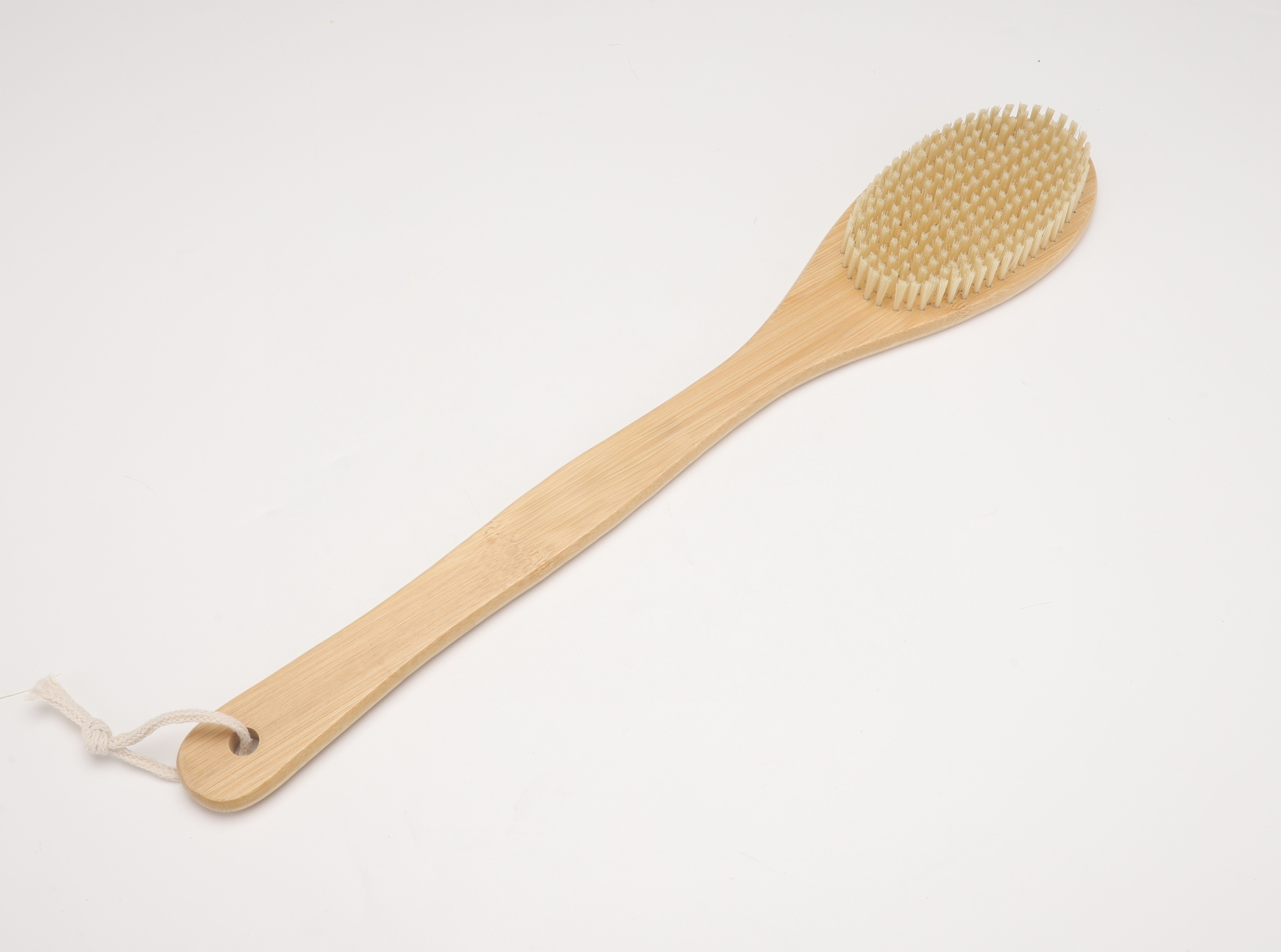 Long Handle Natural Wooden Bath Brush for Wet and Dry UseThis bamboo and PP hair brush reaches shoulders, back, and feet easily. Its long handle suits the earlier advice for back care, making it a practical option for hard-to-reach areas.View Product →
Wood quality and assembly
The base should be made of bamboo or beechwood sealed with a water-resistant coating, and bristle tufts should not shed after a week of use. If sustainable sourcing matters to you, look for FSC-certified wood in the product description. A natural bamboo handle with firm yet smooth bristles gives the best balance for most users.
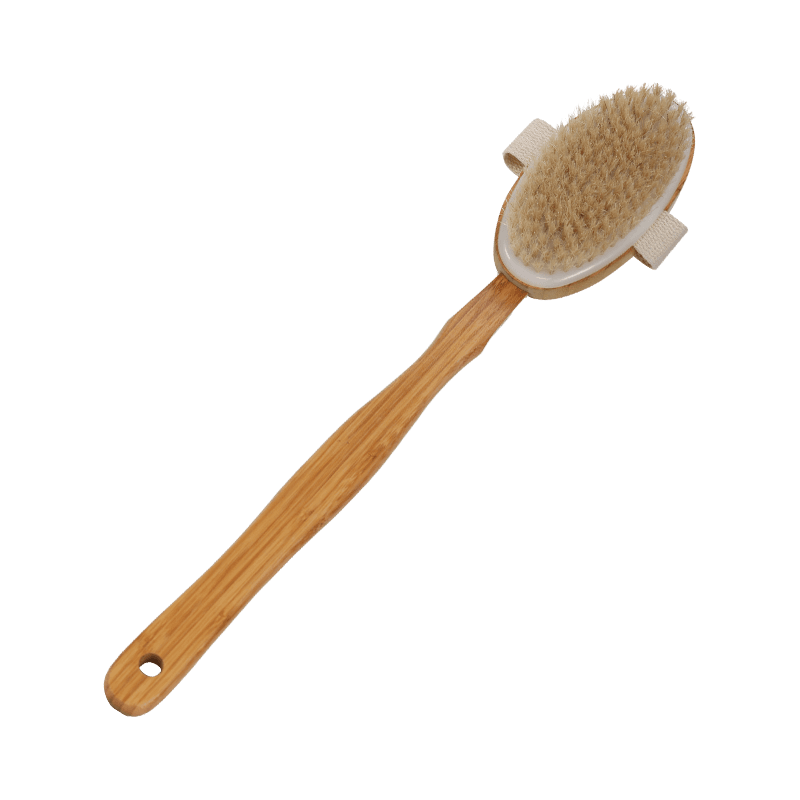 Eco-Friendly Bamboo Handle Nylon Bristle Bath BrushA handheld bamboo brush with soft nylon bristles for sensitive skin. Its compact size fits the following tip about maneuvering smaller areas, offering gentle cleansing in bath or shower.View Product →
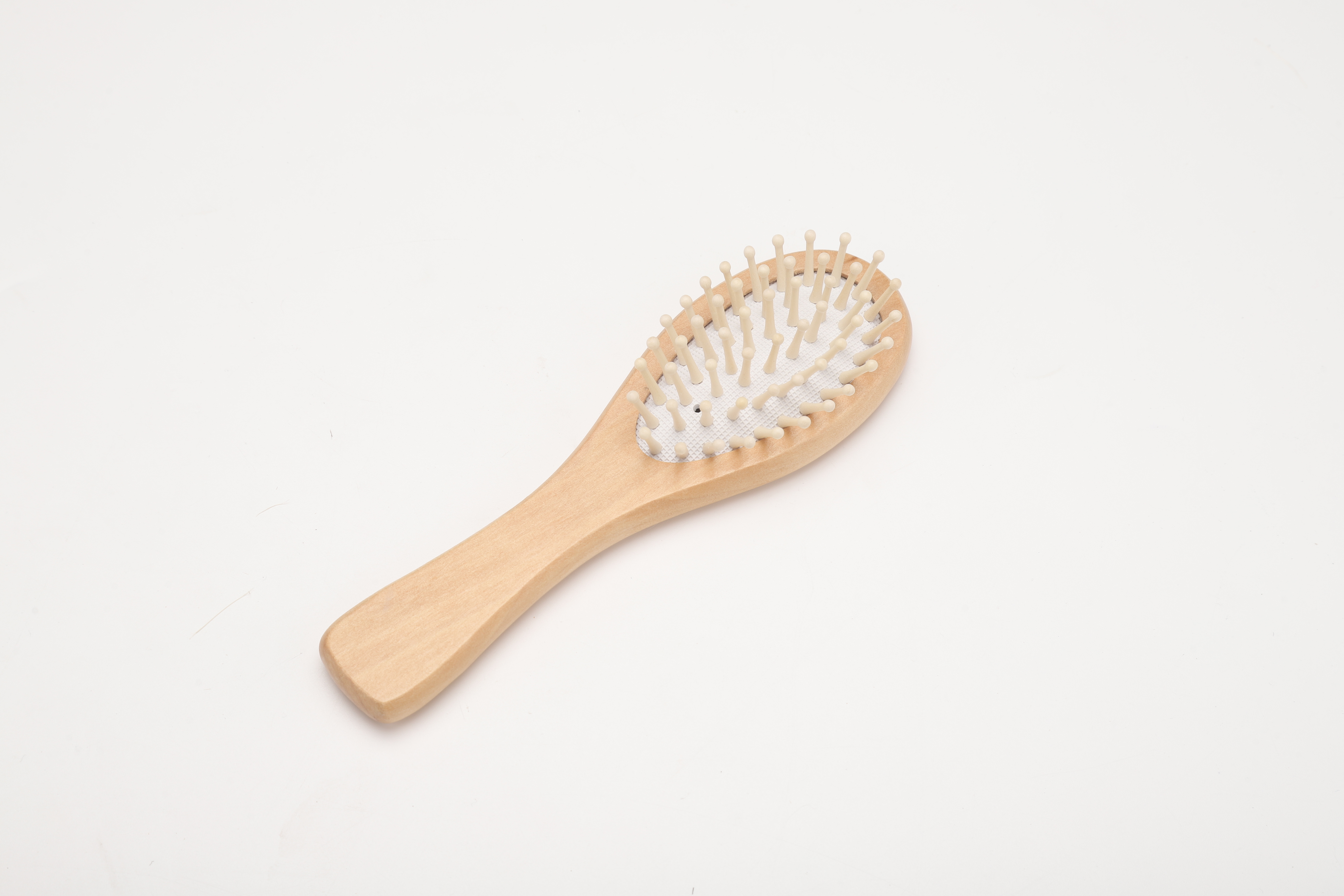
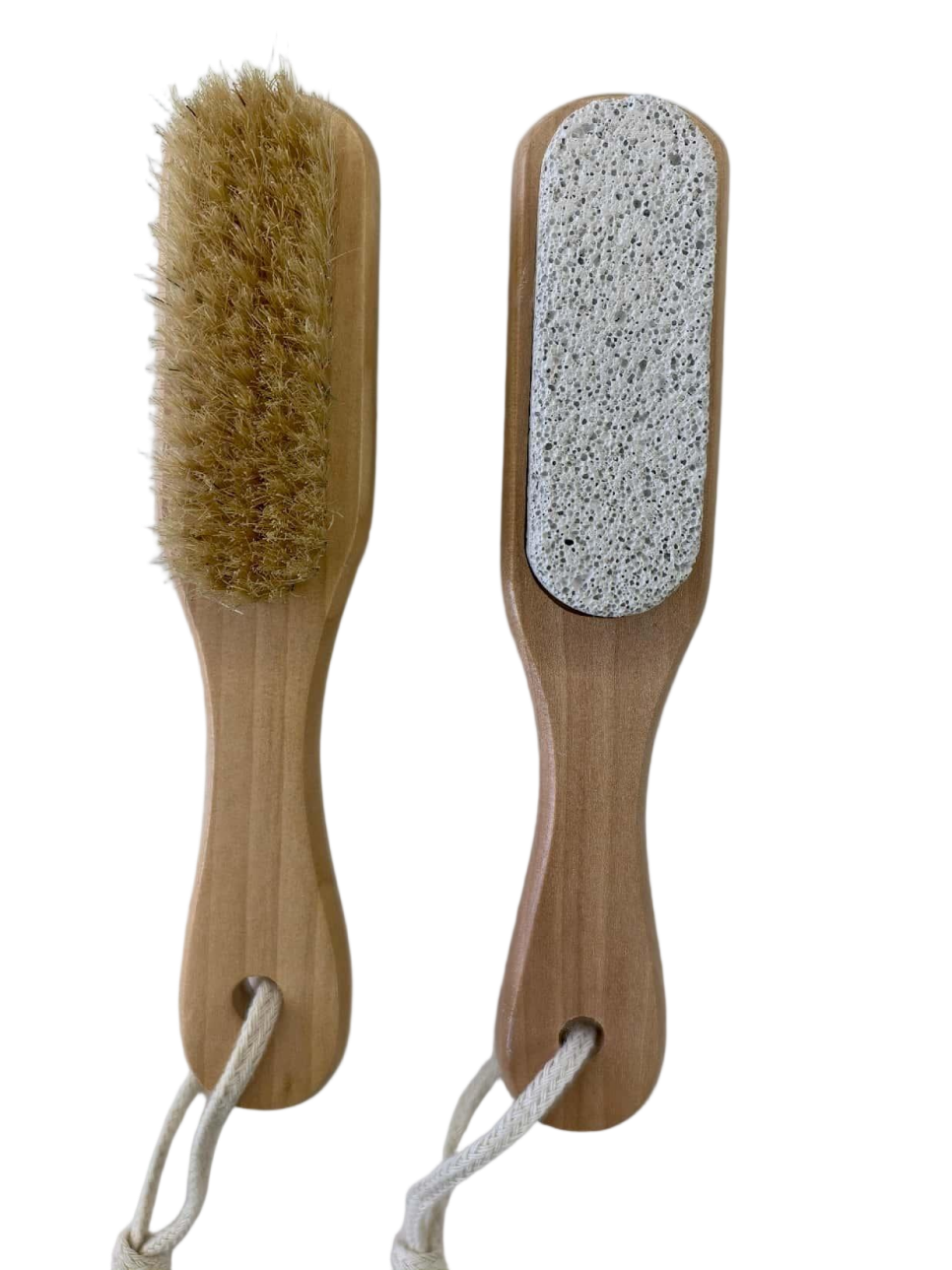
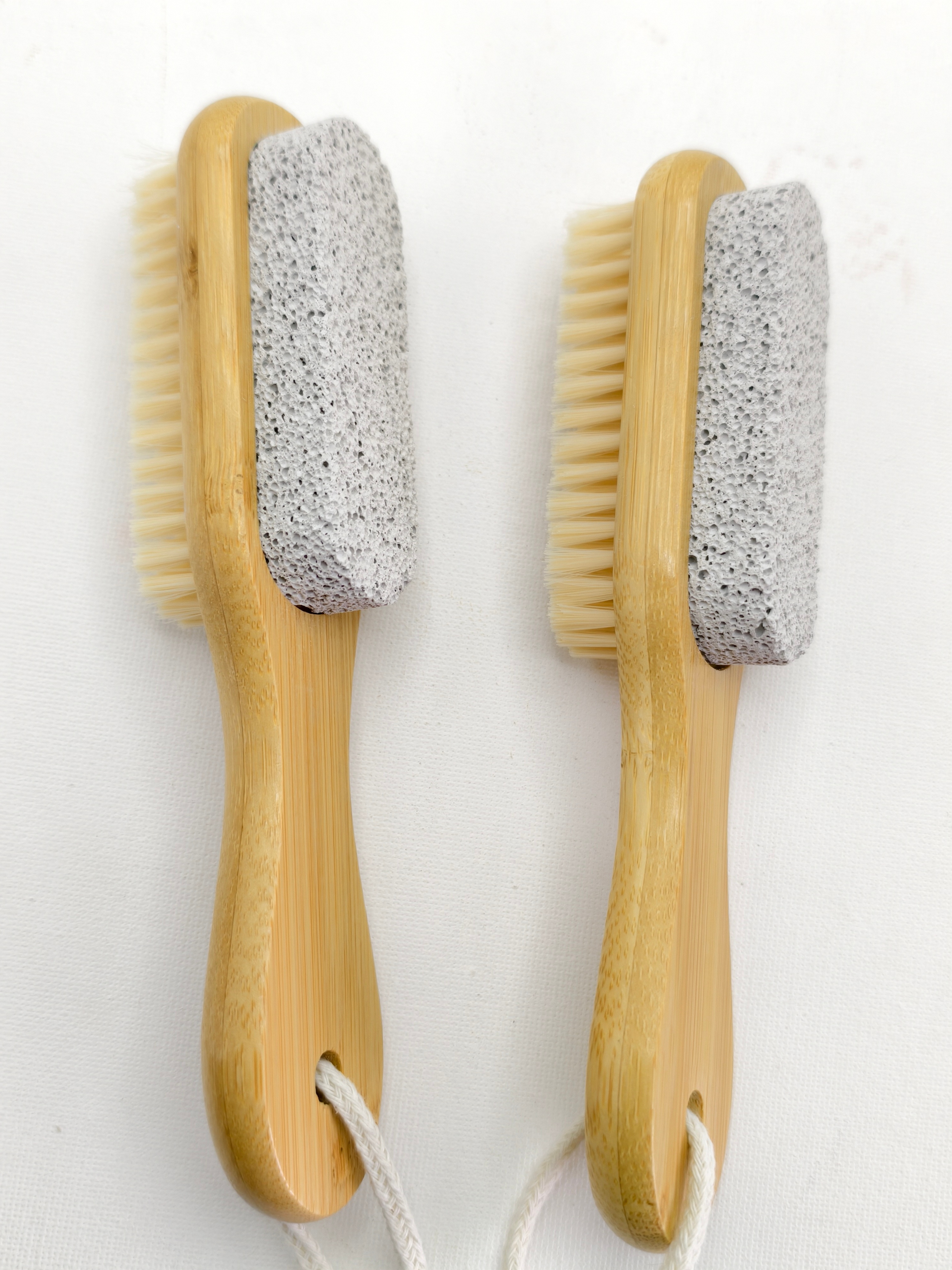
For arms, legs, and other smaller areas, a handheld oval brush is easier to maneuver. The compact size also makes it the most practical choice for travel and for brushing in tight spaces.
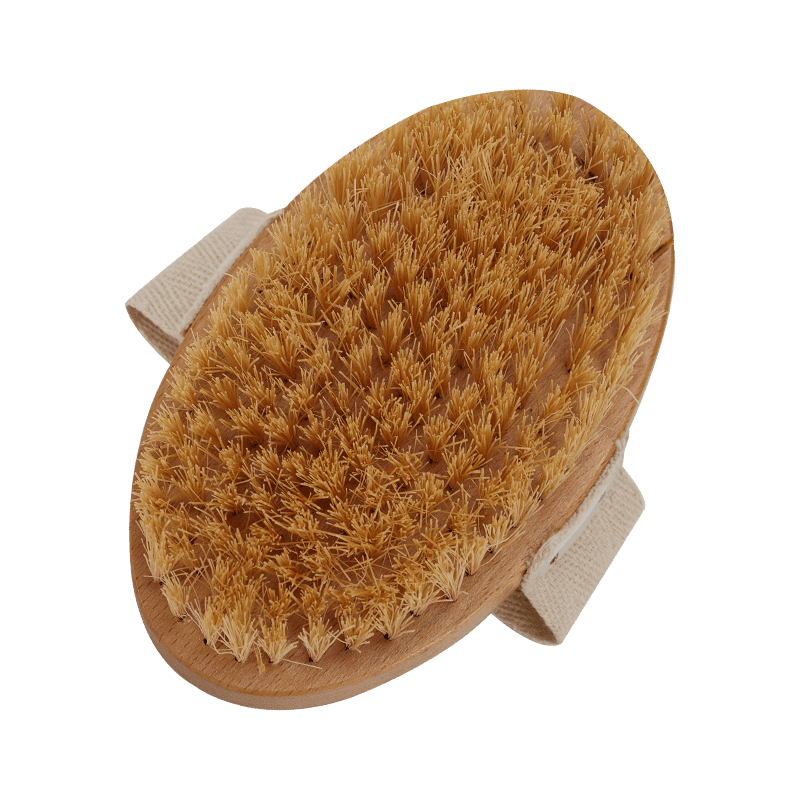 Dry Skin Body Brush for Circulation and Skin MassageThis brush is presented right before a comparison of exfoliation methods. It targets dry brushing benefits like improving circulation and reducing ingrown hairs, making it relevant to your skin care routine.View Product →
Dry Brushing vs. Other Exfoliation Methods
Dry brushing is one of several ways to remove dead skin, and the best choice depends on your skin type and routine. The table below compares the most common alternatives.
| Method | Mechanism | Intensity | Time | Best for |
|---|---|---|---|---|
| Dry brushing | Firm natural bristles on dry skin | Medium to firm | 3–5 minutes | Arms, legs, back, rough elbows and knees |
| Wet sugar or salt scrub | Granule friction in the shower | Gentle to medium | 2–3 minutes | Full body on damp skin |
| Silicone mitt or washcloth | Soft friction with body wash | Very gentle | 1–2 minutes | Sensitive skin and daily use |
| Chemical exfoliant (AHA / BHA) | Dissolves bonds between dead cells | Depends on concentration | Leave-on | Face and stubborn rough patches |
If you have easily irritated skin, a silicone mitt or a low-concentration chemical exfoliant is safer than a stiff brush. But when you want quick, mechanical exfoliation on the body without the mess of a scrub or the waiting time of an acid, dry brushing earns its place in the routine.
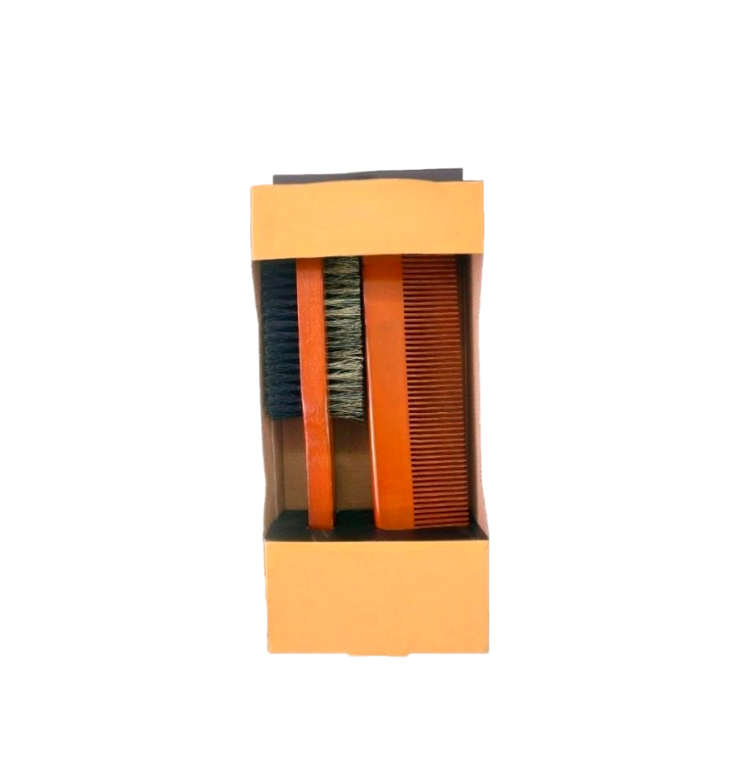
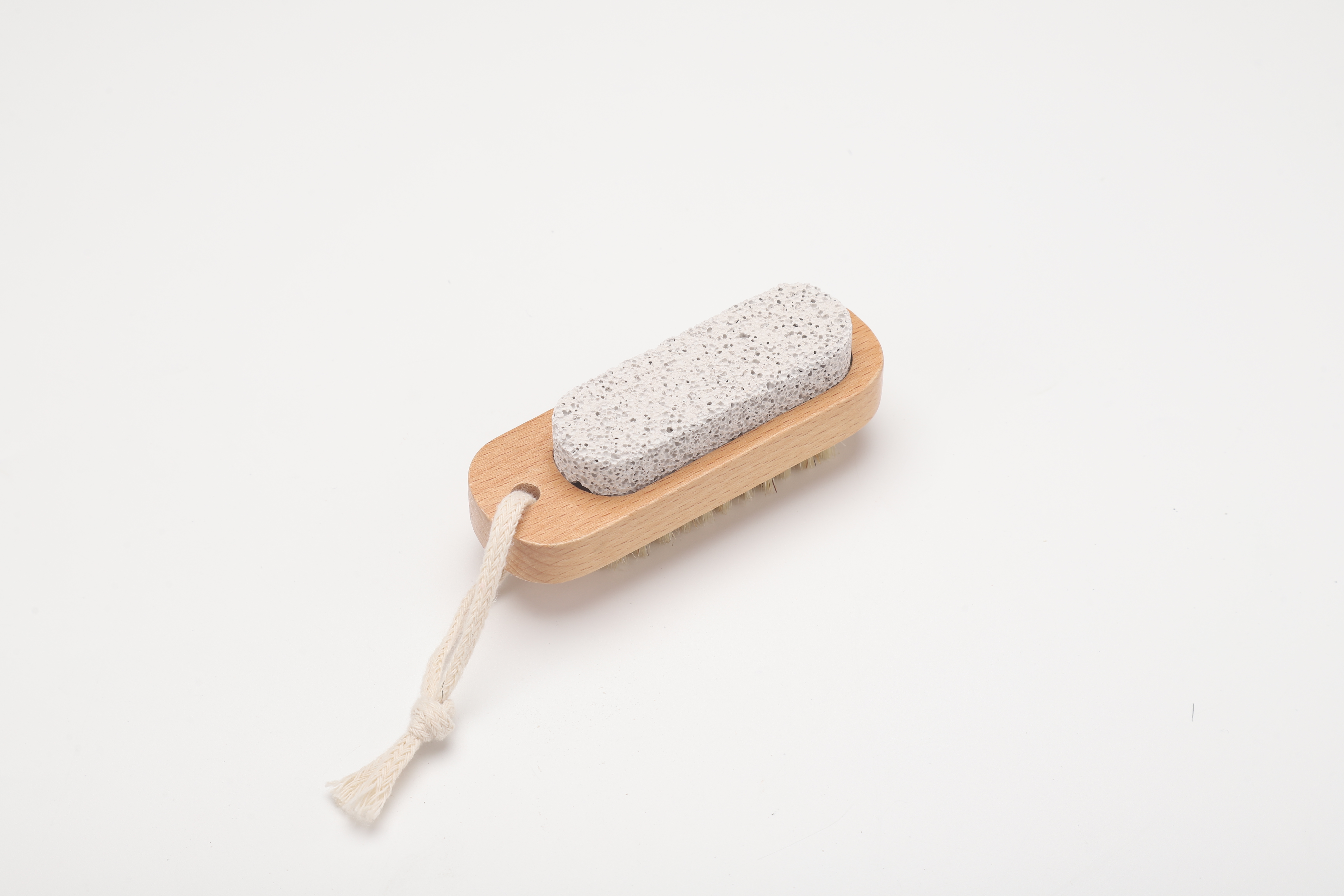
.png "mini bamboo nail brush")
.jpg "long handle loofa bath brush")
.jpg "long handle loofa bath brush")


