

 En
En
 English
 Français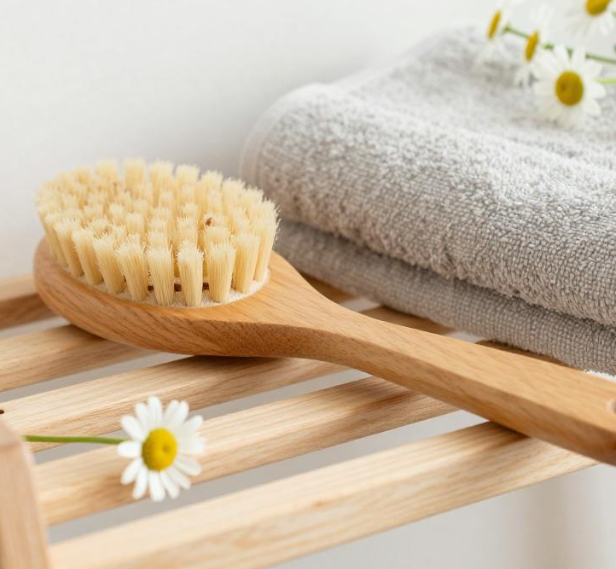
A wooden brush, a towel, thirty seconds of brisk upward strokes before breakfast. That is the whole ritual, and it is the reason body dry brushing keeps returning to popularity decade after decade: it costs almost nothing, needs no electricity, and takes about five minutes.
The honest answer about body dry brush benefits is this. You can expect smoother, brighter-looking skin and a short-lived lift in circulation. You may get mild lymphatic support as a side effect of that stimulation. You should not expect a detox, permanent cellulite removal, or a replacement for movement and exercise. Here is what the evidence supports, where the marketing runs ahead of it, and how to choose a brush that will not leave your skin raw.
Content
- 1 Why a Dry Brush Feels So Different From a Loofah
- 2 The Benefits Worth Expecting, and Where the Claims Run Ahead
- 3 Reading a Brush Before You Buy It
- 4 A Five-Minute Routine That Does Not Irritate Skin
- 5 Choosing a Brush: Material, Handle and Care
- 6 Inside a Dry Brush: What Each Part Does
- 7 Who Should Skip Dry Brushing
- 8 Frequently Asked Questions
Why a Dry Brush Feels So Different From a Loofah
Both tools lift dead cells off the surface of your skin. The difference is friction. In the shower, water and soap form a film that lets a loofah glide, so the exfoliation stays gentle and spread across the whole body. Dry brushing happens on dry skin before the water goes on, so every pass creates far more drag. The bristles catch loose corneocytes, the flattened dead cells sitting on the surface, and carry them away.
That matters because skin renews itself on roughly a 28-day cycle, and the oldest cells are the ones that leave it looking dull and feeling rough. Removing them does not change the skin underneath; it reveals it. The effect lasts a day or two, which is why dry brushing works as a maintenance habit rather than a one-off treatment.
The Benefits Worth Expecting, and Where the Claims Run Ahead
Smoother texture, usually within a week
This is the benefit with the least argument around it, because exfoliation is mechanical and immediate. Used three times in a week, a dry brush typically leaves arms, thighs and heels noticeably smoother to the touch. The risk is doing too much. Twice a week is plenty for dry, sensitive or reactive skin; three to four sessions suit most adults. If your skin stings in the shower afterward, you have already passed the useful point.
Circulation you can actually see
The pink flush that spreads across your legs after a minute of brushing is vasodilation, blood vessels near the surface opening in response to friction and pressure. It fades within minutes, but the same stimulus wakes up nerve endings, which is why so many people describe the habit as a morning jolt without coffee. It is real, and it is temporary.
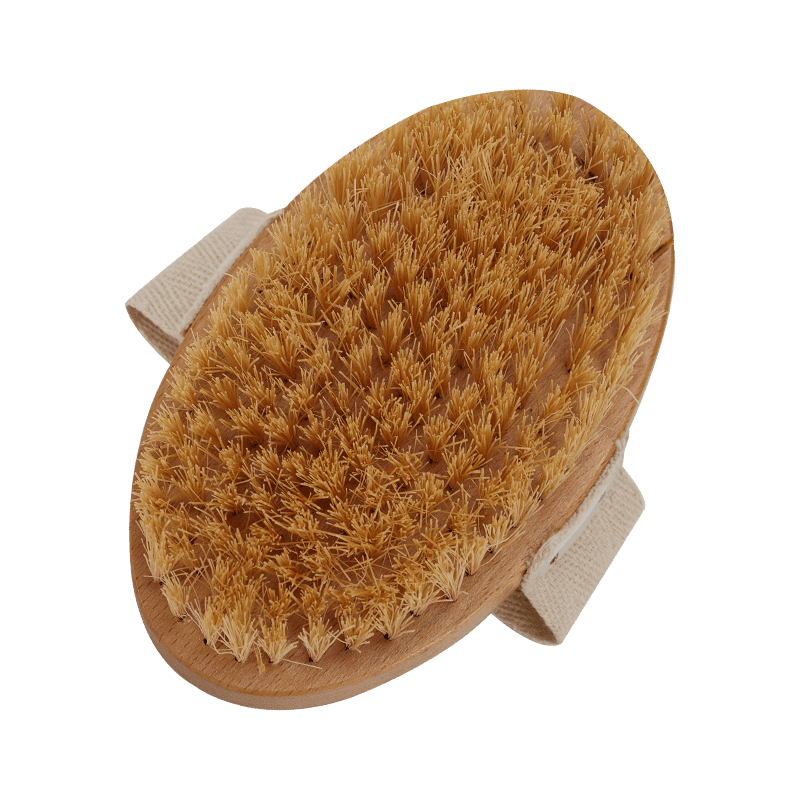 Dry Skin Body Brush and Handheld Bath Massage ToolHandheld dry skin body brush for bath and massage; nearby discussion connects its brief post-brushing flush with circulation and lymphatic support, not medical drainage.View Product →
Lymphatic drainage: useful support, imprecise vocabulary
The lymphatic system has no central pump. It moves fluid when muscles contract, when you breathe deeply, and when you change position. A brush adds a small amount of mechanical stimulation on top of that, and strokes directed toward the heart follow the same route as the collecting vessels. Many suppliers describe lymphatic drainage body brushes in exactly those terms, as support rather than drainage. Dermatologists quoted in consumer coverage, including TheKit.ca's review of dry brushing, tend to put it more bluntly: the body already has a liver and two kidneys for waste removal, and a brush will not do their job.
Cellulite: where the claims outrun the evidence
There is no strong clinical evidence that any brush changes the fibrous bands beneath the skin that create dimpling. What massage and brushing can do is shift a little fluid, which may soften the appearance for a few hours in some people. Any page promising permanent reduction is selling, not explaining.
Reading a Brush Before You Buy It
Firmness decides whether dry brushing helps or hurts, so it is the first thing to check. The chart below is a practical guide assembled from the way manufacturers and retailers commonly grade their own bristles; it is not a laboratory measurement. Anything above 4 on this scale belongs on your heels and elbows, not your chest.
Relative bristle firmness (0-5, higher is firmer)
A Five-Minute Routine That Does Not Irritate Skin
- Brush dry, then shower. Wet skin halves the friction, so brushing in the shower gives you most of the irritation and much less exfoliation.
- Start at the feet and work upward in long, overlapping strokes, three to five passes per area, always toward the heart. Legs, hips, back and arms first; stomach last, with lighter pressure.
- Keep the pressure light. The brush should feel like a firm massage, never like scrubbing a pan. Skin should be pink for a few minutes, not red for an hour.
- Skip the face, neck and chest with a body brush. Those areas are thinner and react faster.
- Shower, then moisturize within three minutes while the skin is still damp, so the water you just added stays in.
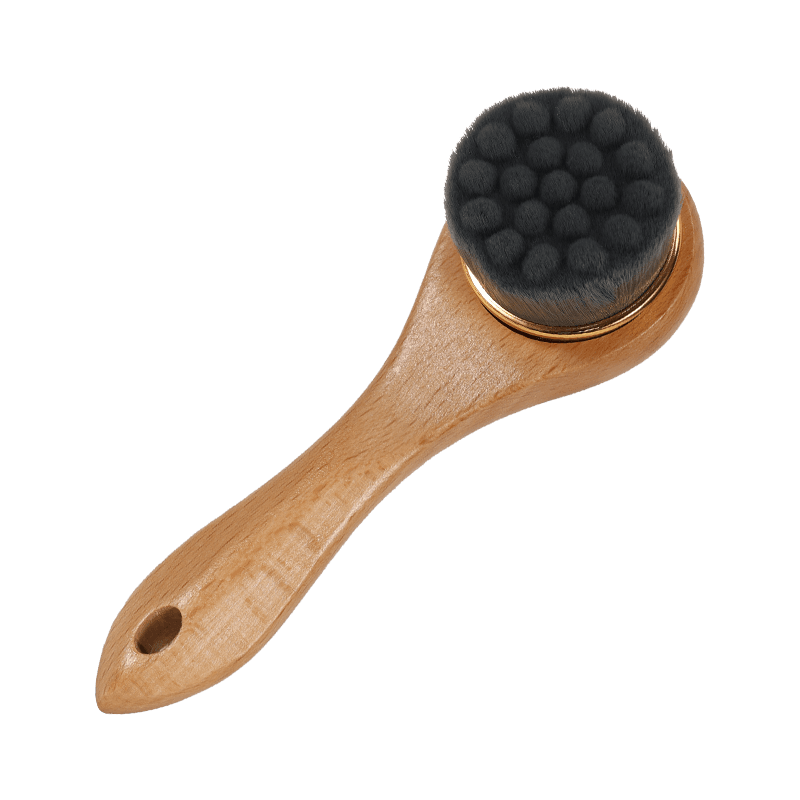 Natural Goat Bristle Bamboo Facial Cleansing Dry BrushFacial dry brush for face and neck, with usage guidance on relative bristle firmness and limiting sessions for dry or sensitive skin.View Product →
Frequency matters as much as technique. Three to four sessions a week suits most adults; twice a week is enough for dry or sensitive skin, and daily brushing only makes sense with a very soft bristle and a light hand. Stop for a week if you notice persistent redness, stinging or flaking, and start again at a lower frequency.
Choosing a Brush: Material, Handle and Care
Two variables do most of the work: what the bristles are made of, and how long the handle is. The table below covers the trade-offs quickly.
| Bristle material | Firmness | Best for | Watch out for |
|---|---|---|---|
| Soft nylon | Soft | Sensitive skin, first-time users | Less exfoliating power; trimmed ends can feel scratchy |
| Goat hair | Soft | Face, neck, decolletage | Too gentle for the body |
| Boar bristle | Medium | Whole-body brushing on most skin types | Can be too firm over rosacea-prone areas |
| Sisal | Firm | Legs, elbows, heels | Avoid on the chest, neck and any thin skin |
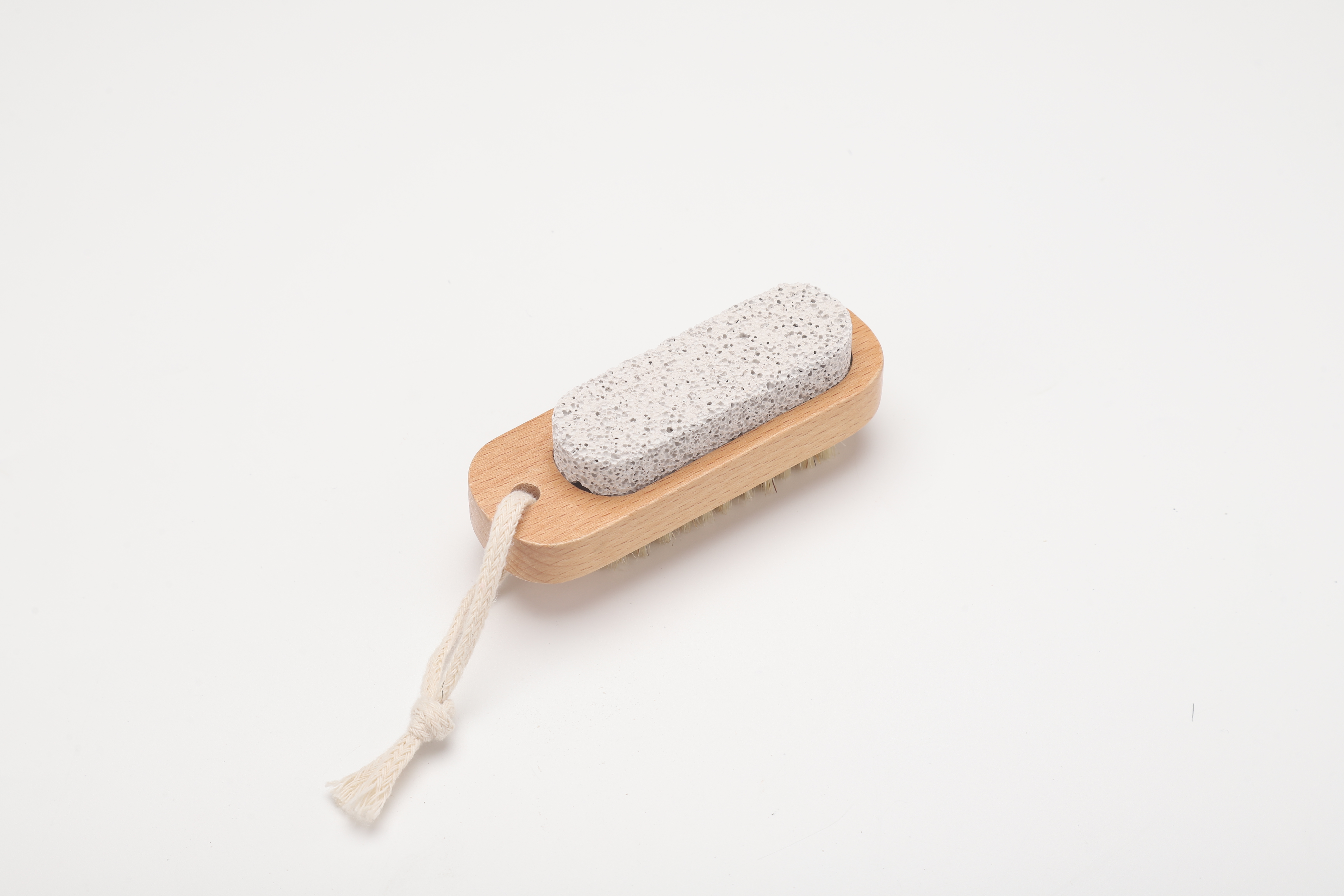
| Hemp or loofah fibre | Firm | Back, feet, post-workout skin | Needs thorough drying or it will smell |
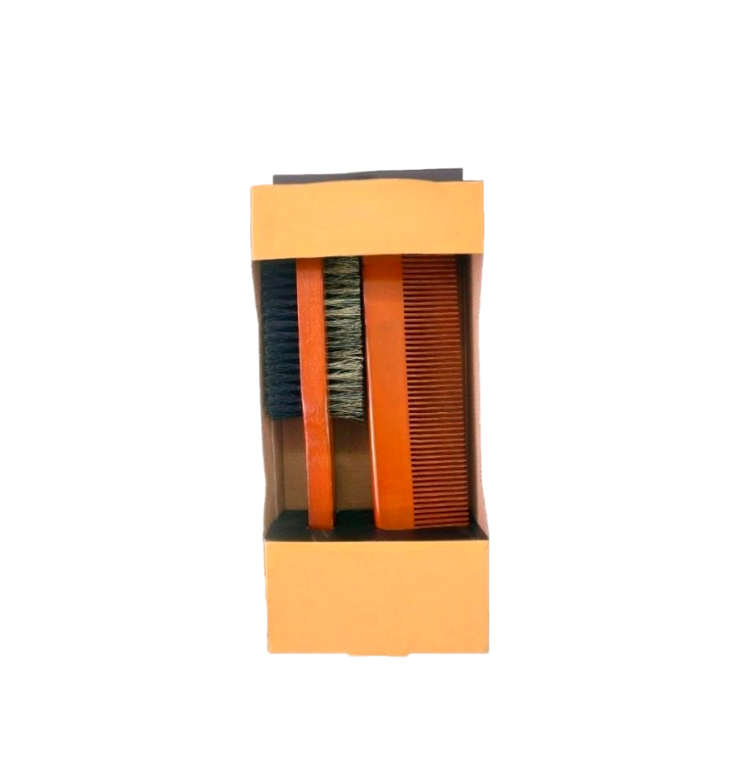
Boar bristle is the default middle ground for a reason: stiff enough to shift dead cells, flexible enough to bend over curves. Pages on boar bristle dry body brushes break the options down by handle length and head shape if you want to compare sizes side by side.
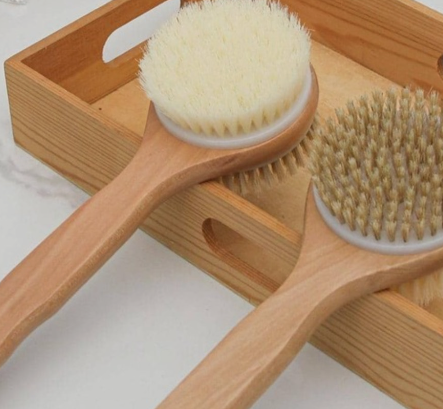
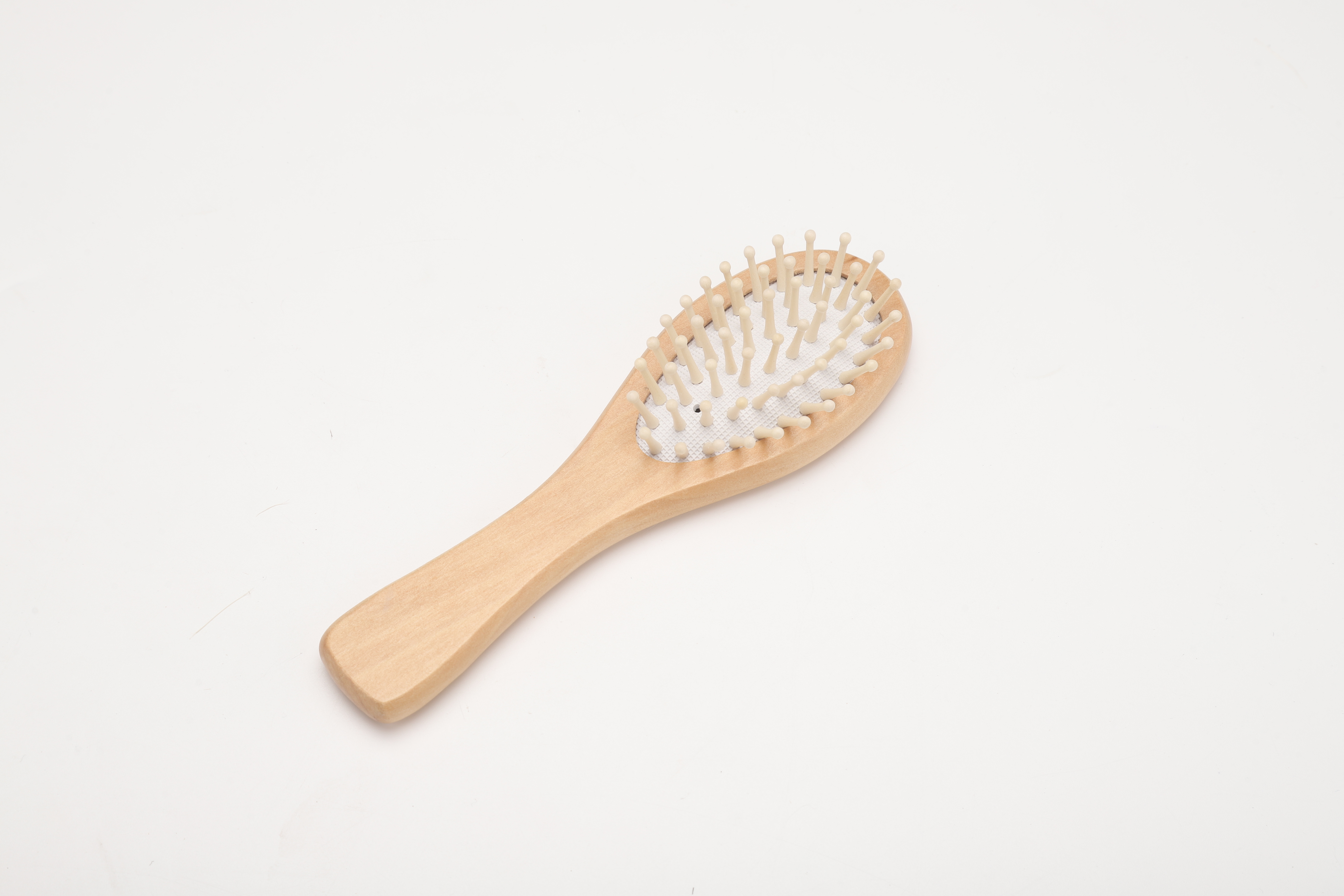
Handles matter more than most buyers expect. A 35 to 40 cm handle reaches the middle of the back without straining a shoulder, and a detachable head lets the same handle carry a softer head for delicate areas. Look for a hanging loop; a brush left flat on a wet shelf is how wooden handles crack and bristles go mouldy.
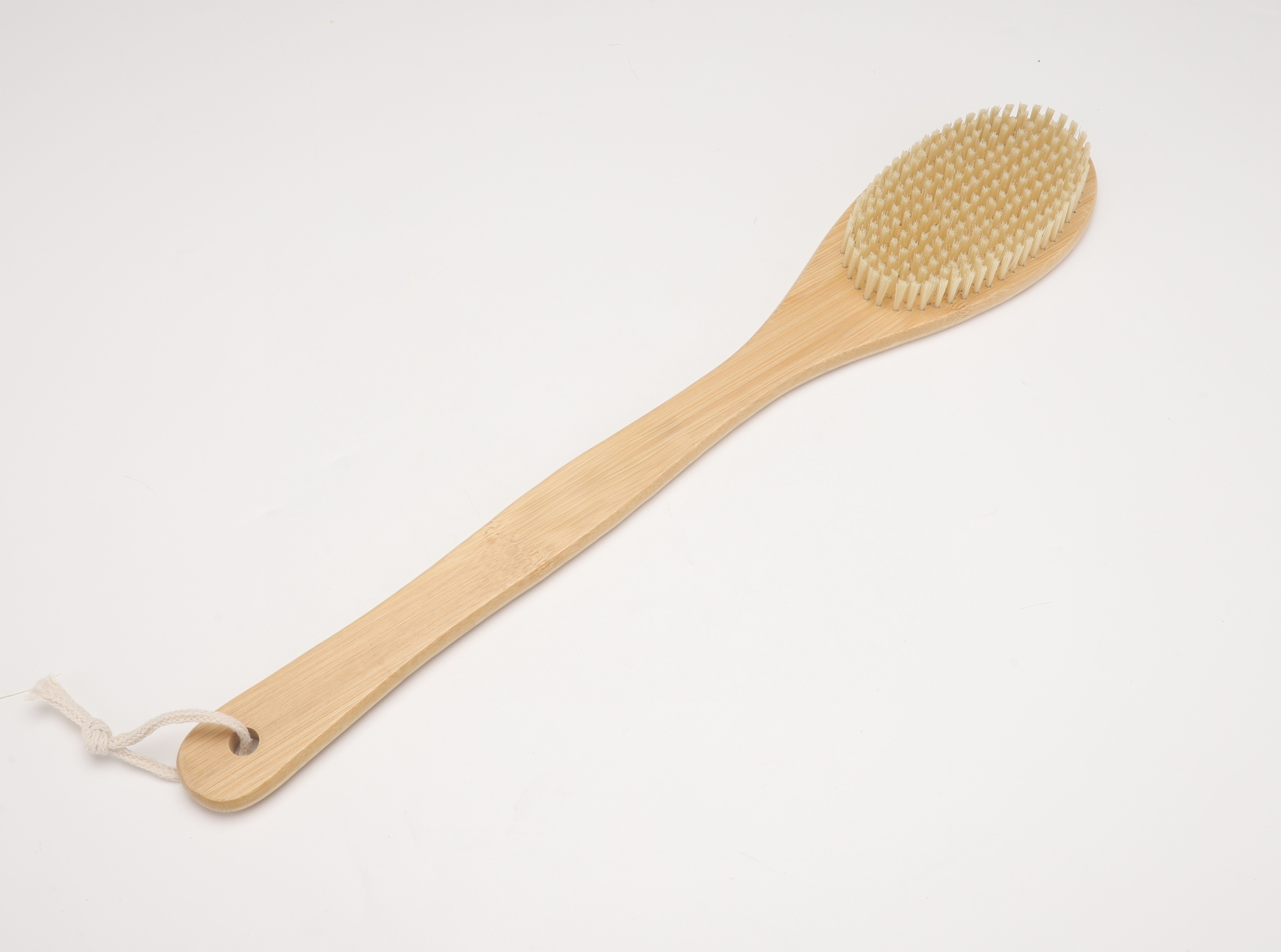 Long Handle Natural Wooden Bath Brush for Dry and Wet BodyBamboo and PP long-handle bath brush for wet or dry cleaning of shoulders, back and feet; guidance covers reach, hanging storage and replacement.View Product →
Care is simple. Shake the brush out after each use, store it hanging or bristles-down, and wash it once a month with a drop of mild soap and warm water, then air dry away from direct heat. Replace it when the bristles splay permanently or the wood darkens, usually every 6 to 12 months with regular use.
Inside a Dry Brush: What Each Part Does
The drawing below shows how the three parts of a typical wooden dry brush work together. Bristle density and length control how much skin each pass contacts, the head determines how evenly that pressure is spread, and the handle decides which parts of your body you can actually reach.
A common mistake is buying a firm brush for the whole body and then wondering why the chest and neck sting. Match the head to the area: a wide, medium-firm head for the back and legs, a small soft head for the face and neck.
Who Should Skip Dry Brushing
Dry brushing is low-risk, not no-risk. Skip it, at least temporarily, if any of the following apply.
- Active eczema, a psoriasis flare, sunburn, or any cut, scrape or healing wound.
- Rosacea-prone or easily flushed skin, particularly on the face and chest.
- Folliculitis, ingrown hairs or acne on the back and shoulders, where friction makes inflammation worse.
- Skin made fragile by prescription retinoids, isotretinoin or a recent chemical peel.
- Any new or unexplained rash. See a dermatologist before you add a brush to the routine.
Frequently Asked Questions
Q1: What are the main body dry brush benefits?
Smoother skin from mechanical exfoliation, a short-lived boost in circulation, and mild stimulation that supports lymphatic flow. Detox and permanent cellulite removal are not supported by evidence.
Q2: How often should you dry brush your body?
Three to four times a week suits most skin, twice a week for dry or sensitive skin. Daily brushing only makes sense with a soft bristle brush and a light hand.
Q3: Does dry brushing really detox the body?
No. The liver and kidneys remove waste. Brushing can nudge fluid movement in the tissue, but detox describes a marketing promise rather than a measurable effect.
Q4: Can dry brushing reduce cellulite?
It may temporarily soften the look of dimpled skin by shifting fluid, but it does not break down the fibrous bands that cause cellulite in the first place.
Q5: What is the best dry brush for sensitive skin?
A soft goat-hair or fine nylon brush on a smooth wooden handle, used twice a week with light pressure and no more than three passes per area.
Q6: Should you dry brush before or after a shower?
Before, on completely dry skin. Water reduces friction, so brushing wet skin delivers more irritation and far less exfoliation.
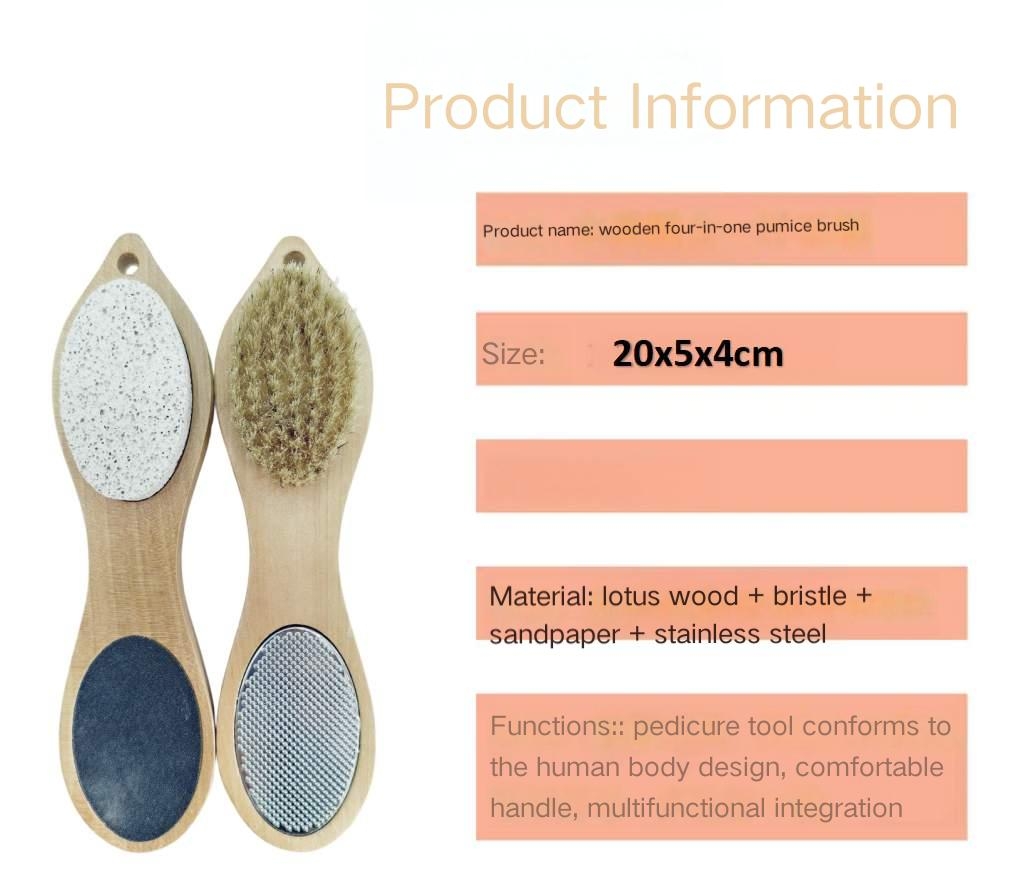
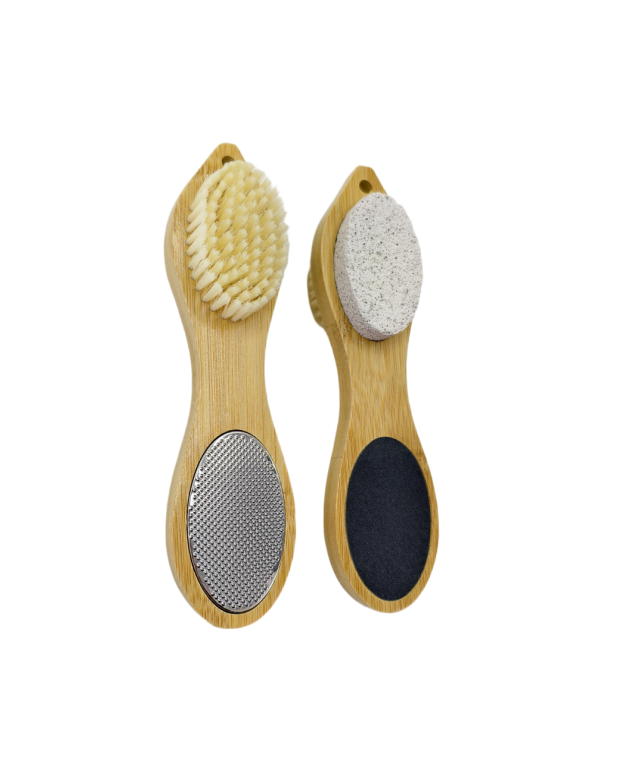
.png "mini bamboo nail brush")
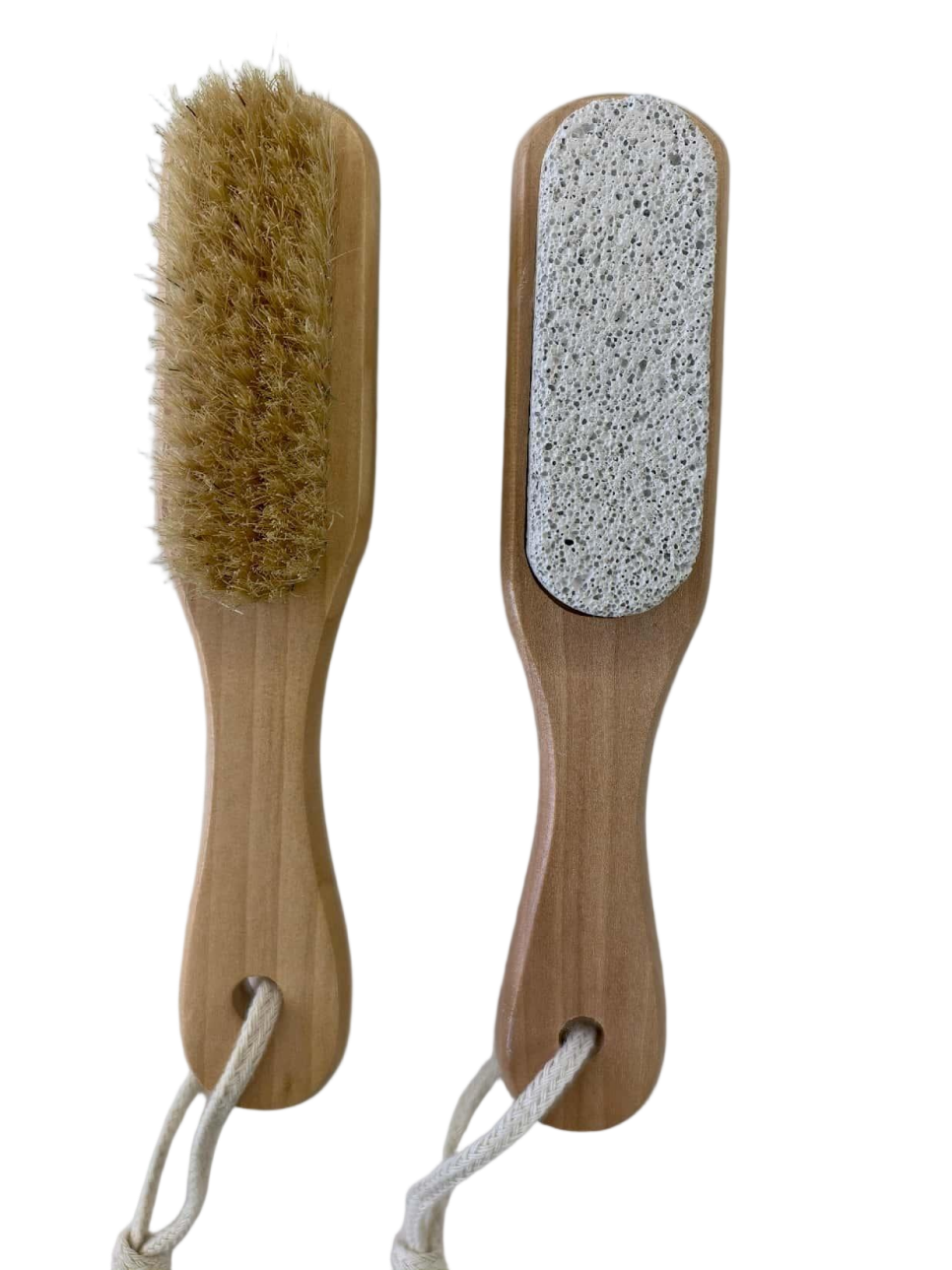
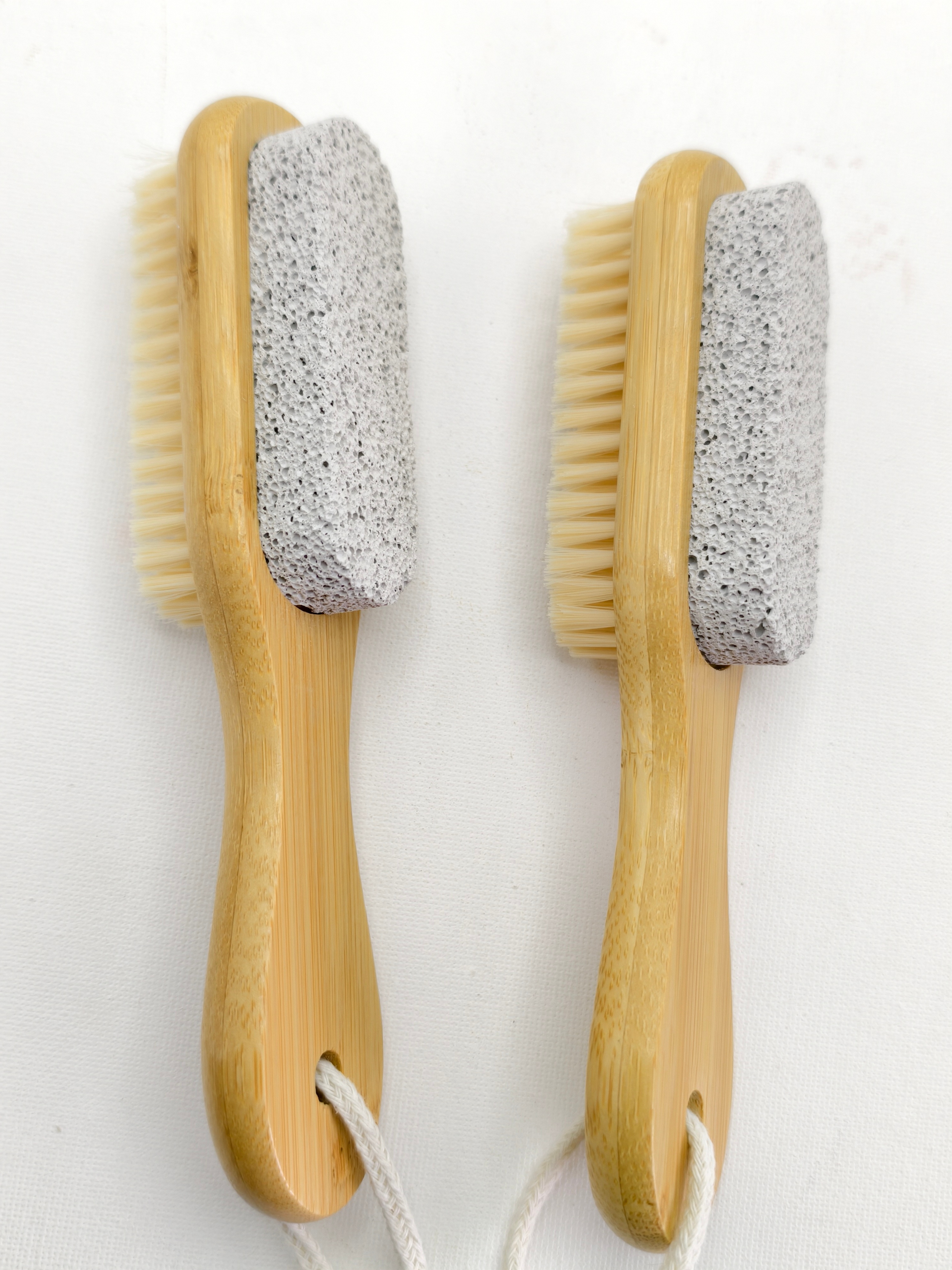
.jpg "long handle loofa bath brush")
.jpg "long handle loofa bath brush")


