

 En
En
 English
 Français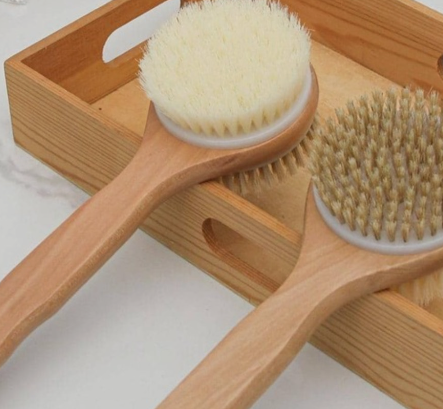
It is 6:40 a.m., your skin is still cool and dry from sleep, and the brush glides across your shin without dragging or skipping. That is not a coincidence. It is the window most dry brushing routines are built around, and the reason most people who stick with the habit do it before breakfast rather than before bed.
The best time to dry brush is in the morning, on completely dry skin, before you shower, roughly 10 to 30 minutes after waking. Everything below explains why that window works, when an evening session is still perfectly acceptable, and how to shift the schedule if your skin is sensitive, very dry or prone to redness.
Content
- 1 Why the Morning Window Works
- 2 Morning vs Evening: A Practical Comparison
- 3 Matching Timing to Skin Type and Goal
- 4 How Long and How Often
- 5 What to Look for in a Morning Dry Brush
- 6 A Six-Minute Morning Sequence, Step by Step
- 7 Four Timing Mistakes That Cause Irritation
- 8 For Buyers: Packaging Timing Advice Sells Brushes
- 9 Frequently Asked Questions
Why the Morning Window Works
Dry brushing is friction-based exfoliation. Its results depend on three conditions that only exist reliably in the morning.
- The skin is genuinely dry. No shower film, no body lotion, no sunscreen residue. Bristles meet the skin surface instead of sliding over product.
- The shower follows naturally. Loosened flakes and dead cells get rinsed away within minutes instead of sitting on the skin, or on your bedding, until the next wash.
- Circulation is already climbing. Body temperature and blood flow rise after waking, so a short brushing pass feels stimulating rather than jarring.
The third point matters for anyone who brushes for energy as much as for skin. A four-minute pass over the legs and arms at 7 a.m. feels like a wake-up call. The same pass at 10 p.m. can feel like a stimulant when you are trying to wind down.
Morning vs Evening: A Practical Comparison
Evening dry brushing is not wrong. It simply changes the trade-offs, and it helps to see them side by side before you commit to a schedule.
| Factor | Morning session | Evening session |
|---|---|---|
| Skin surface | Dry and product-free, ideal friction | Often carries lotion, sunscreen or shower film |
| Cleanup | Flakes rinse off in the shower minutes later | Flakes may linger on skin or sheets overnight |
| Effect on alertness | Reinforces the natural wake-up curve | Can delay sleep for sensitive sleepers |
| Time pressure | Needs six to eight extra minutes in a tight window | More relaxed, but competes with dinner and family time |
| Pressure control | Moderate risk of rushing and pressing too hard | Lower risk, most people brush more slowly |
| Best suited to | Normal, dry and combination skin; energising routines | Very sensitive skin and confirmed night showerers |
Matching Timing to Skin Type and Goal
Once the general window is settled, the details shift by skin type and by what you want the routine to deliver.
- Sensitive or reactive skin: mornings only, one to two sessions per week, with a soft goat-hair or sisal brush. Tired evening skin tends to get brushed harder than it should.
- Normal skin: three to four mornings per week, brushing before your usual shower.
- Dry or flaky skin: four mornings per week before a warm, not hot, shower, with lighter pressure and a shorter session.
- Cellulite-focused routines: four to five mornings per week with overlapping upward strokes on the thighs and hips. Consistency over months matters far more than a single intense session.
- Before an event: brush 30 to 60 minutes before you shower, never five minutes before you leave. Freshly brushed skin can look pink for a while, especially on fair skin.
How Long and How Often
Six minutes is the practical ceiling for a full-body morning pass. Going longer rarely adds benefit and frequently adds redness. A simple way to structure it is to divide the time by body zone.
Suggested split of a six-minute morning dry brushing routine
Timings are a suggested structure for a beginner routine, not a clinical prescription.
Frequency matters more than duration. Two to three mornings per week is a reasonable starting point; build toward five only if the skin stays calm between sessions. If you prefer a ready-made setup instead of buying pieces separately, our exfoliating dry brushing sets page shows what a complete at-home kit typically includes.
What to Look for in a Morning Dry Brush
The brush does as much work as the timing. A stiff, unsealed or poorly balanced tool is the most common reason people abandon the habit within a month.
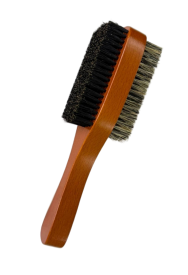
Isometric view of a handheld dry body brush: the wood body, the bristle tufts and the sealed edge that keeps water out.
- Firm but flexible bristles. Natural boar or sisal fibres bend on contact; stiff synthetic trim scratches.
- A body that tolerates humidity. Bamboo or beechwood with a sealed surface resists swelling when stored in a bathroom.
- A handle you can grip without clenching. A short strap or a shaped handle reduces the pressure you apply by accident.
- A long handle for the back. Detachable or long-handle designs reach the shoulder blades without straining the shoulder joint.
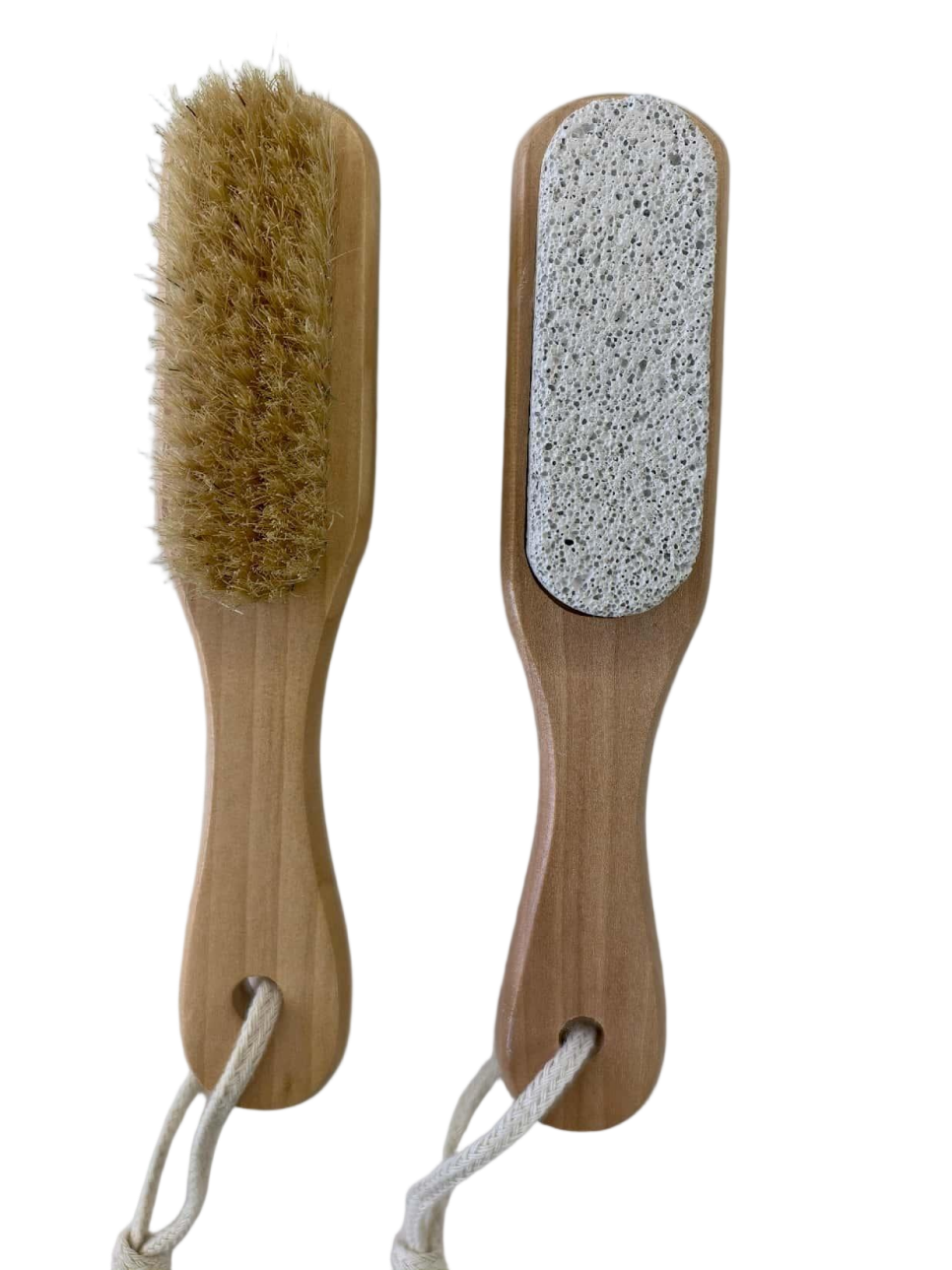
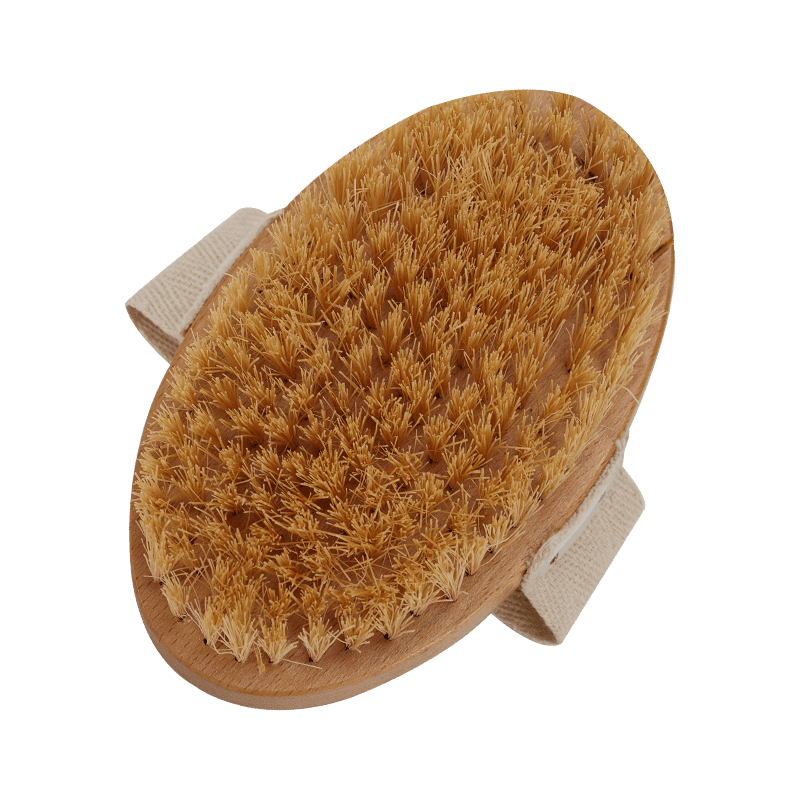 Dry Skin Body Brush Blood Circulation Health Massage ToolImprove Circulation, Stop Ingrown Hairs, Reduce Acne and Cellulite.View Product →
A Six-Minute Morning Sequence, Step by Step
- Stand in the bathroom before the water runs. Skin must be dry and product-free.
- Begin at the feet and ankles using small, firm strokes, always moving toward the heart.
- Work up each leg with overlapping upward strokes, three to five passes per area.
- Move to the abdomen in gentle clockwise circles, then the arms from wrist to shoulder.
- Use a long-handle brush or a strap for the back, sweeping upward along the spine.
- Finish at the chest and neck with the lightest pressure of the session, then step into a warm shower.
Face and neck skin needs its own tool. A soft facial brush with fine bristles handles that area without the drag of a body brush.
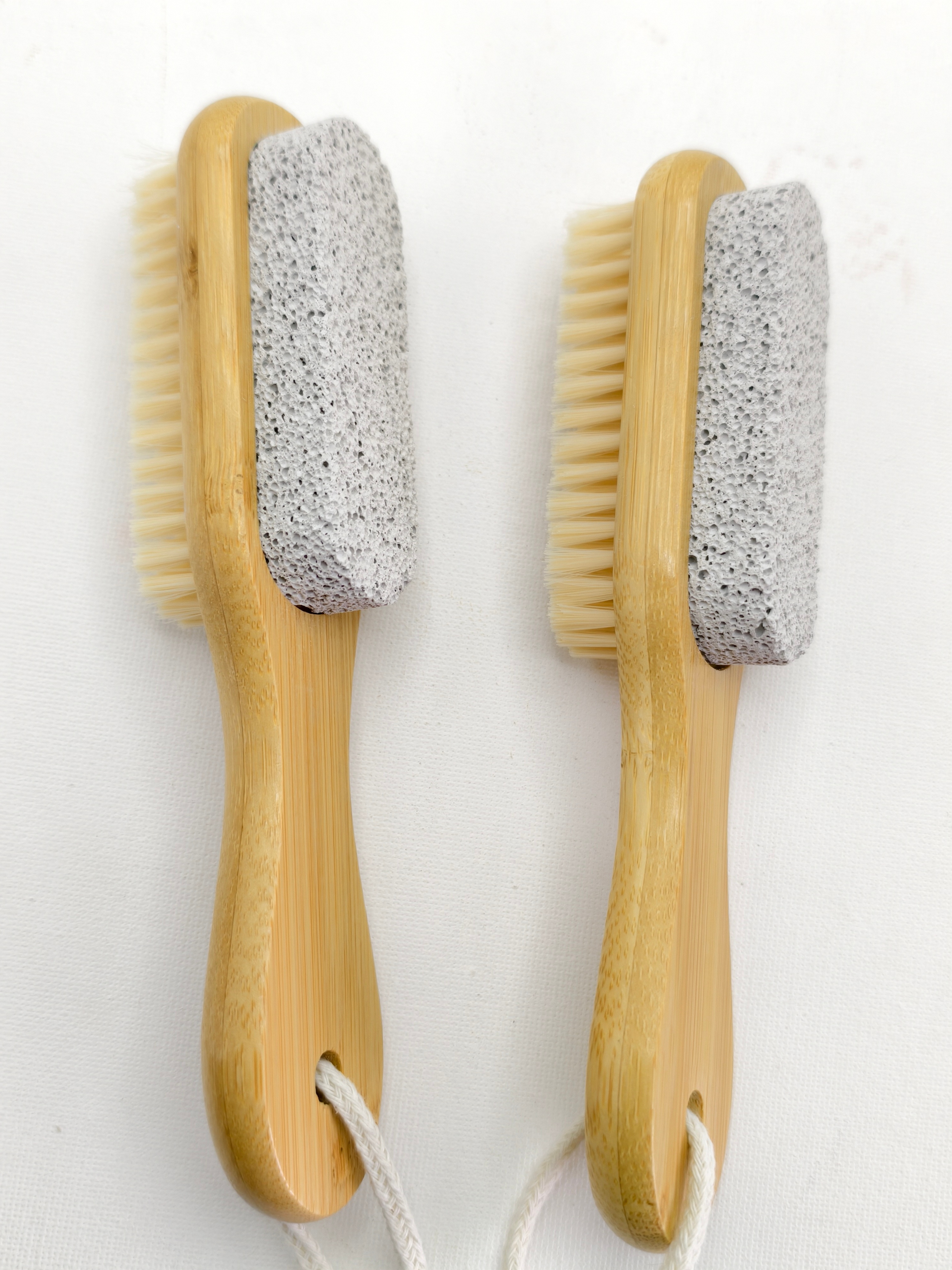
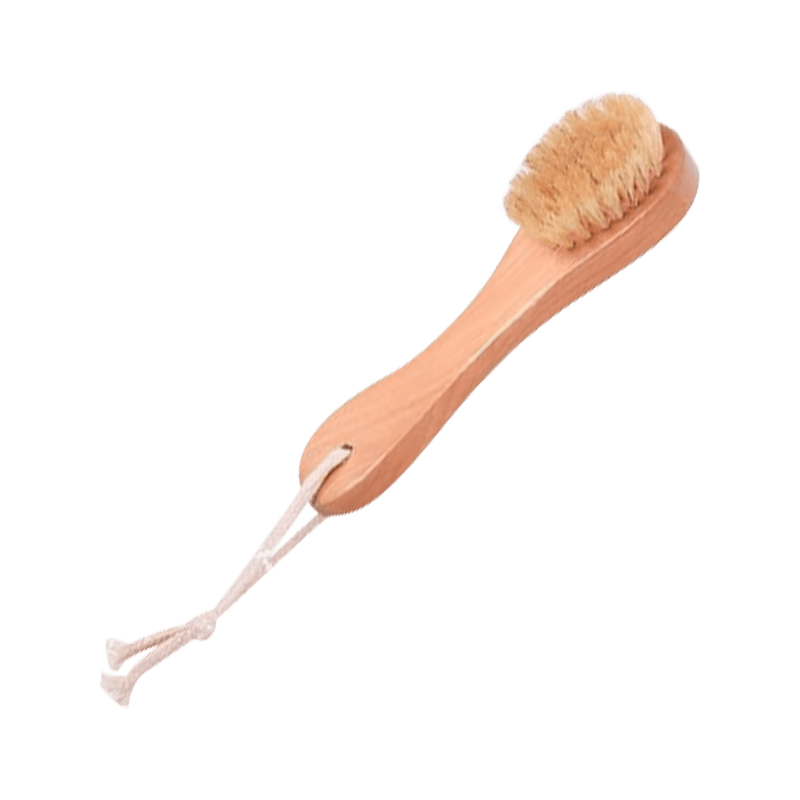 Bamboo Face Brush For Dry And Wet BrushingWooden facial cleansing brush is made of natural bristles and a wooden handle, our facial cleansing brush has soft natural bristles and comes with a lanyard for your s...View Product →
Four Timing Mistakes That Cause Irritation
- Brushing straight after a hot shower. Warm, damp skin is softer and far easier to over-scratch.
- Brushing immediately after applying body oil or lotion. The film clogs bristles and turns exfoliation into smearing.
- Brushing late at night on already-flushed skin. If your skin is warm from exercise or a bath, wait until the next morning.
- Brushing within 24 hours of shaving, waxing or sun exposure. Compromised skin needs time before any friction.
If you are unsure whether your window is too early, too late or too aggressive, our notes on dermatologist-reviewed dry brushing timing walk through the same question from a skin-health angle.
For Buyers: Packaging Timing Advice Sells Brushes
For retailers, spa suppliers and hotel amenity buyers, timing is not a marketing angle — it is an instruction that decides whether a customer repurchases. A body brush sold without guidance is often used wet, used too hard and abandoned within weeks. A brush sold with a short card explaining "use before your morning shower, six minutes maximum, three times a week" performs differently at the shelf.
That is why routines, not just products, are worth designing into a range. Bath and body brush ranges that pair a long-handle back brush, a handheld body brush and a separate facial brush cover the sequence described above without forcing the customer to improvise. Bamboo and FSC-certified wood handles, natural boar or sisal bristles and sealed finishes also answer the sustainability questions that wholesale enquiries increasingly start with.
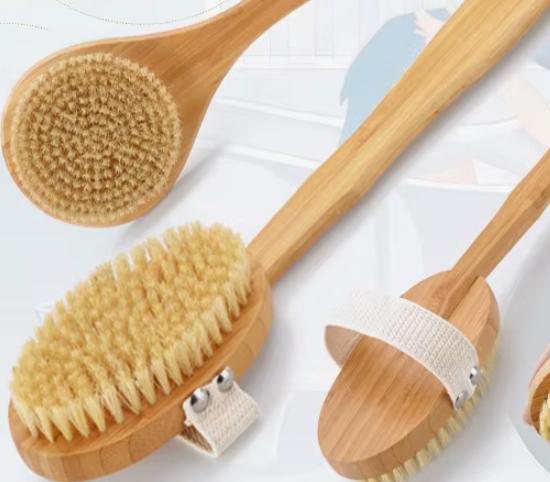
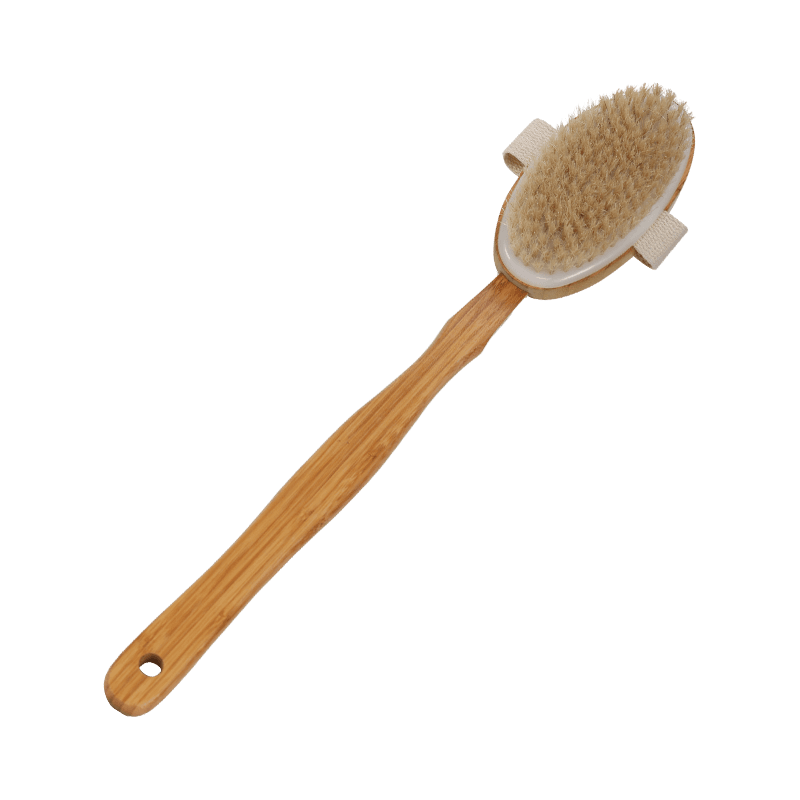 Eco-Friendly Bamboo Handle Natural Bristle Massage Bath BrushNylon Bath Brush is gentle cleansing in the bath or shower. The long handle design can better clean our backs. The bath brush is made from natural bamboo. Soft hair is...View Product →
Frequently Asked Questions
Q1. What is the best time of day to dry brush?
Morning, on dry skin, before your shower. It gives the best bristle contact and lets the shower rinse away loosened flakes.
Q2. Should you dry brush before or after a shower?
Before. Dry brushing on wet skin drags, stretches and irritates. Always brush first, then wash.
Q3. Can I dry brush at night instead?
Yes, if your skin tolerates it and you shower at night. Keep the session short and avoid brushing right before bed.
Q4. How often should you dry brush for cellulite?
Four to five mornings per week with consistent upward strokes. Visible change, if any, takes months of routine.
Q5. Is dry brushing safe for sensitive skin?
Often yes, with a soft natural-bristle brush, light pressure and one to two sessions per week. Stop if redness lasts.
Q6. Which brush is best for dry brushing at home?
A firm natural-bristle body brush for limbs, a long-handle brush for the back and a soft facial brush for the face.
Set the routine for tomorrow morning rather than tonight: dry skin, six minutes, upward strokes, then a warm shower. Give it two to three weeks at three sessions a week before you judge it, because the first week tells you more about pressure and bristles than about results. If your skin stays calm and comfortable, the timing is working. If it stings, turns hot or stays red for more than half an hour, shorten the session, reduce the frequency and check your brush before you change anything else.

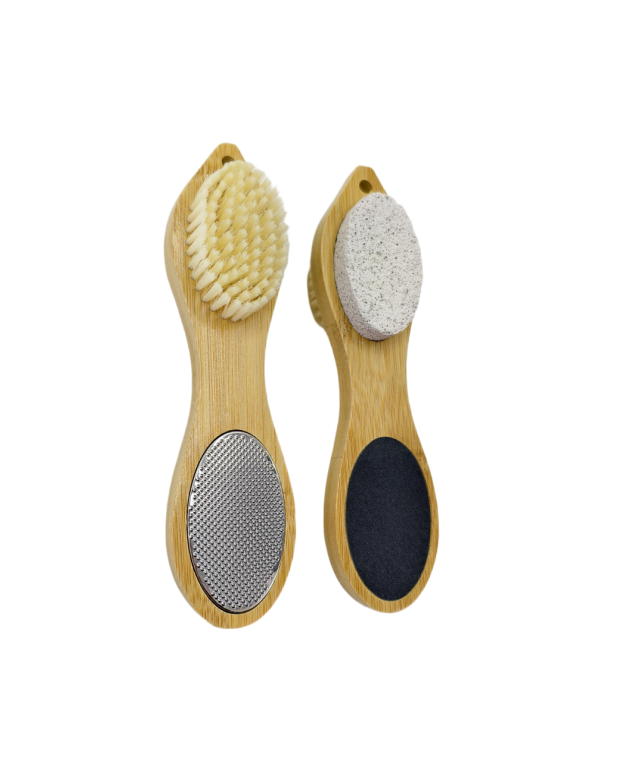

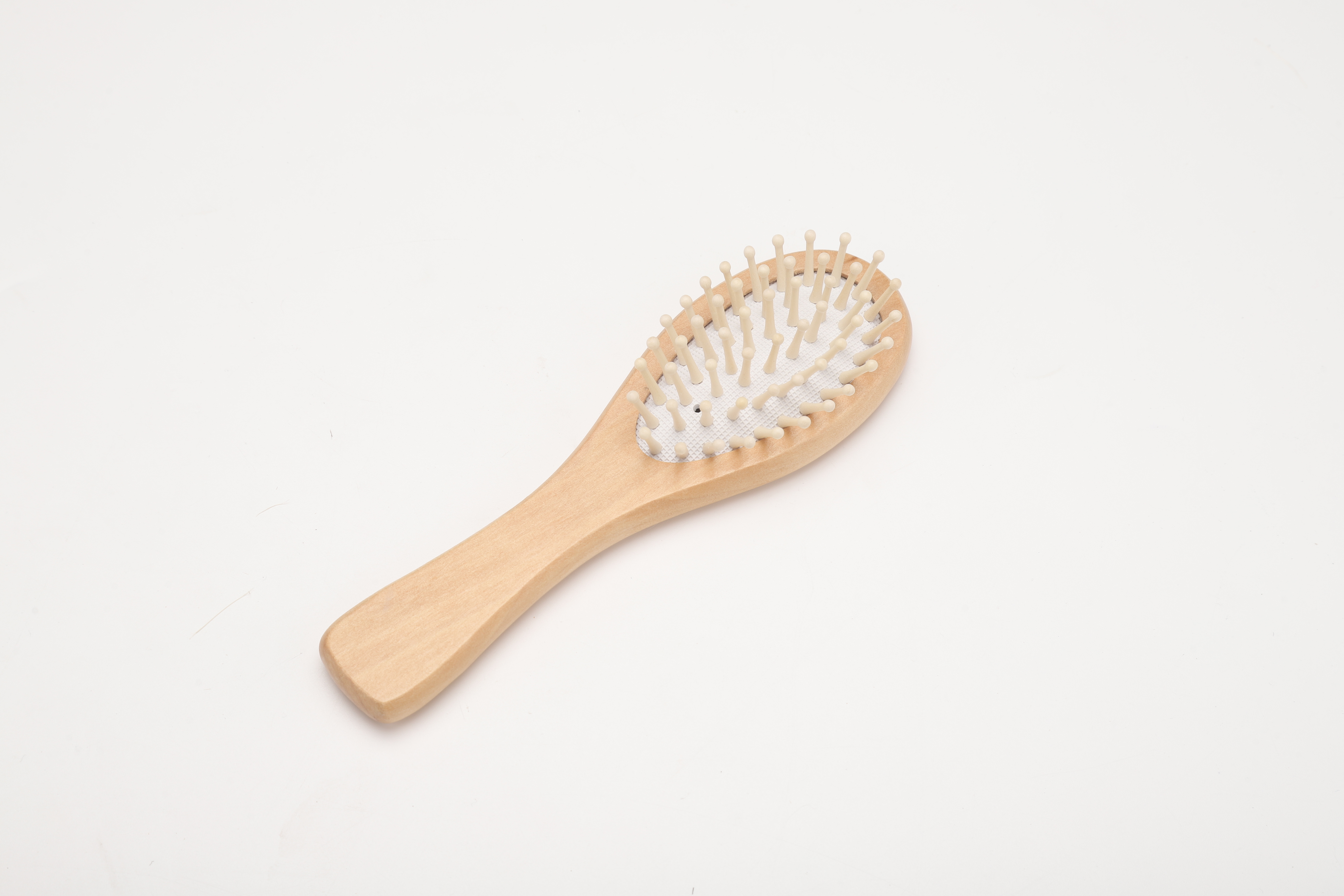
.png "mini bamboo nail brush")
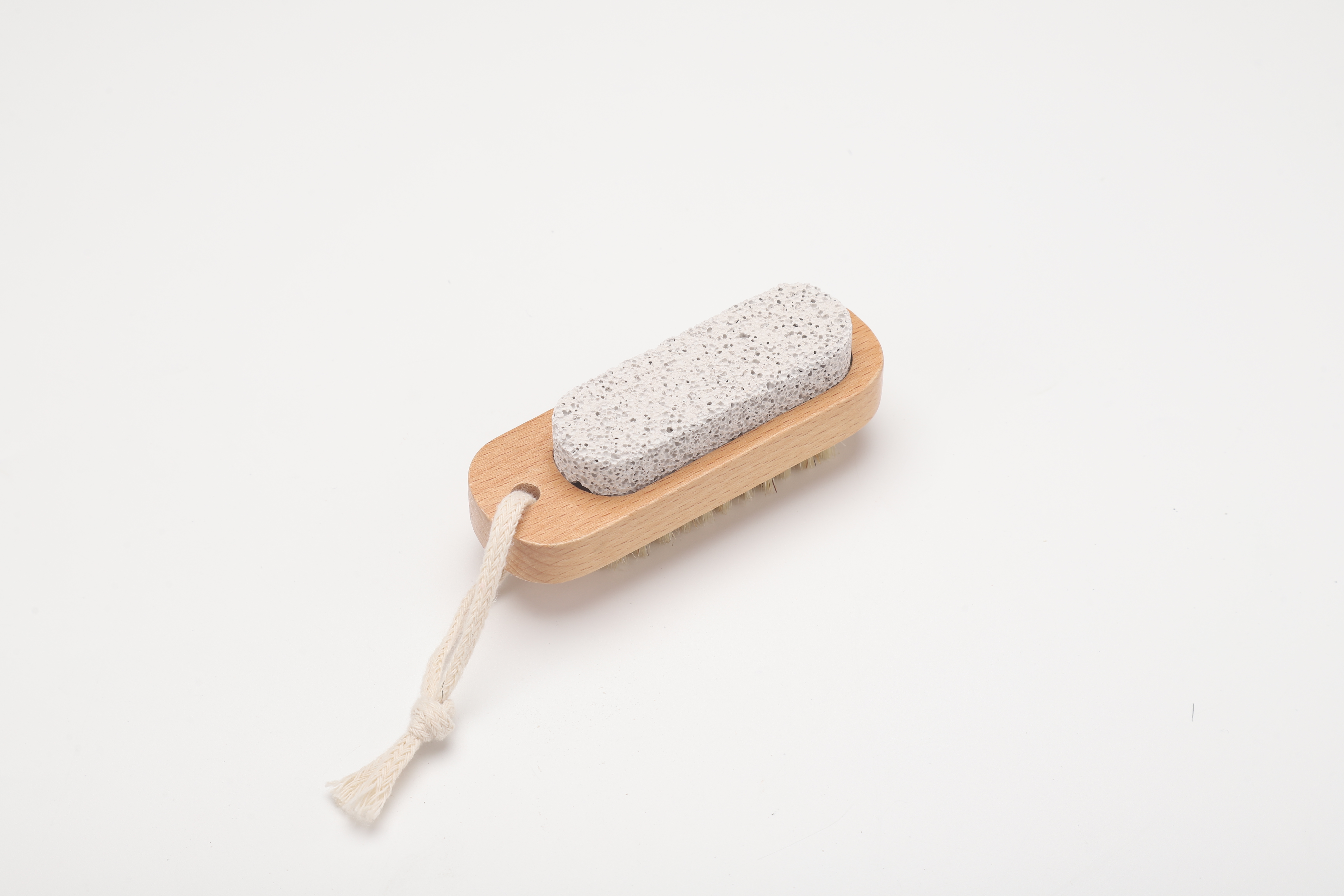
.jpg "long handle loofa bath brush")
.jpg "long handle loofa bath brush")


