

 En
En
 English
 Français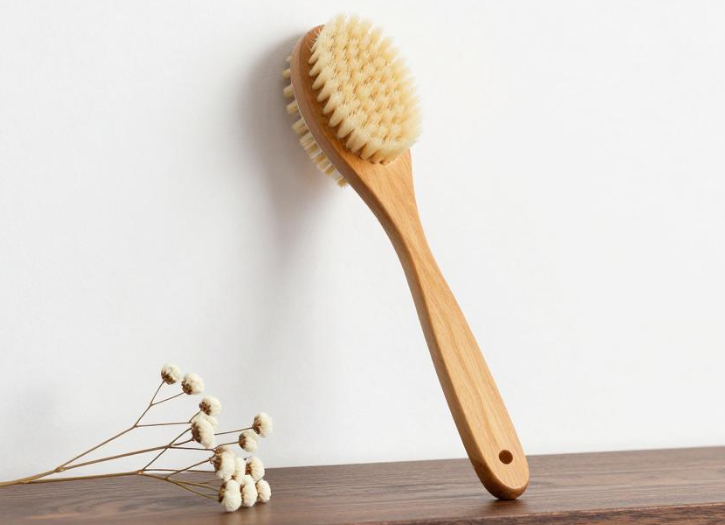
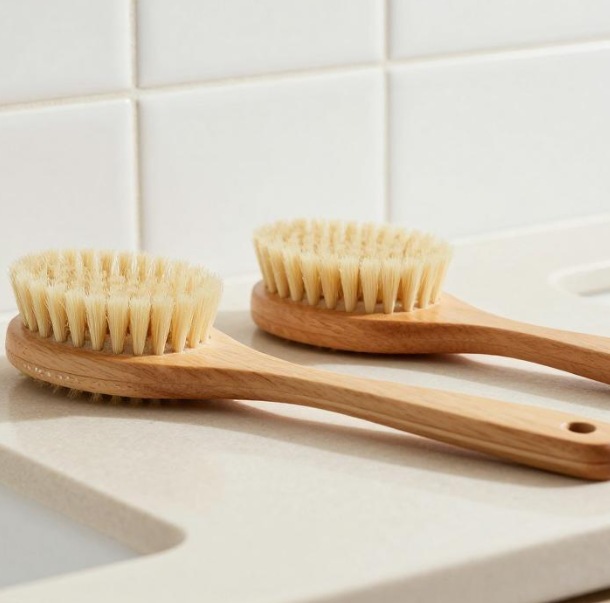
You've probably seen dry body brushing tucked into spa routines and wellness blogs: a wooden brush with stiff bristles, stroked over bare skin before a shower. Here's the honest version — it works, but not for the reasons most posts claim. Dry brushing reliably exfoliates dead skin cells, gives a short-lived surface circulation boost, and helps moisturizers sink in better. The lymphatic "toxin flush" theory is plausible but under-proven, and cellulite won't be brushed away. If you approach it with realistic expectations, it's a simple and pleasant addition to a weekly routine.
Content
What Is Dry Body Brushing?
Dry body brushing means exactly what it sounds like: brushing clean, completely dry skin with a firm natural-bristle brush, usually right before you shower. The strokes run in long, even lines from the hands and feet toward the chest. The technique comes from Ayurvedic practice, where brushing the body before bathing is used to stimulate the skin and the lymphatic system. Western spas adopted it as an energizing pre-shower step, and it has become a standard item in natural skincare routines.
To understand the benefits, it helps to separate mechanics from marketing. A brush removes surface debris and dead cells — that part is simple physics. It also touches the skin's dense nerve network, which is why people report feeling more awake. What it cannot do is "detox" the body in a medical sense; that is the liver and kidney's job.
How dry brushing interacts with the skin
Isometric cutaway showing the main skin layers; bristles are shown lifting cells from the stratum corneum.
The Main Benefits of Dry Body Brushing
Below are the main benefits, ordered roughly from strongest evidence to more speculative claims.
1. Smoother, More Even Skin
Your skin sheds an estimated 30,000 to 40,000 dead cells every minute. Most wash away on their own, but they tend to accumulate on the back, elbows, thighs, and knees, leaving a rough, dull feel. Dry brushing sweeps them off mechanically and clears the openings of pores, so skin feels noticeably smoother after the first session and looks brighter after a few weeks.
Because the skin renewal cycle slows with age, regular exfoliation becomes more relevant over time.
Approximate skin renewal cycle by age
Approximate ranges commonly cited in dermatology education; individual rates vary.
2. A Quick Surface Circulation Boost
Firm stroking dilates the small vessels just below the skin surface. That is why the skin flushes briefly after brushing. The effect is temporary — a few hours, not a permanent change — but it contributes to the "glow" that makes the practice feel rewarding, and it is exactly why brush massage is used in spa treatments.
3. Lymphatic Support — Promising but Not Proven
The lymphatic system moves fluid, immune cells, and metabolic waste through a network of vessels that rely on movement and pressure to keep things flowing. Because dry brushing draws in the direction of superficial lymph vessels — toward the heart — it is often described as a form of manual lymph drainage. Clinical research supports massage-based lymphatic drainage in controlled settings, but dry brushing specifically has not been studied as rigorously. The safer statement: dry brushing complements circulation and may help reduce water retention, but it is not a medical treatment for lymphedema or detoxification.
4. An Energizing (or Calming) Ritual
The skin carries millions of sensory nerve endings. A firm, repetitive brushing pattern can feel invigorating in the morning, and with slower pressure and oil afterward it reads as an evening wind-down. Neither effect is measurable in a lab, but people notice it, and a ritual you keep has more health value than one you abandon.
5. Better Moisturizer Absorption
An exfoliated surface has fewer cell layers sitting between a moisturizer and fresh skin. After brushing, body oil or lotion spreads more easily and stays on the skin noticeably longer. Apply it while the skin is still slightly damp after your shower to lock in moisture.
What Dry Brushing Won't Do
Two claims need a reality check before you buy your first brush.
Cellulite Is Not Going Anywhere
Massage and exfoliation can temporarily plump the skin and reduce the dimpling effect for a few hours by improving surface hydration and blood flow. There is no solid evidence that repeated brushing changes fat lobules or connective tissue enough to eliminate cellulite. Buy a brush for exfoliation, not as an anti-cellulite device.
"Detox" Is a Marketing Term, Not a Medical One
Sweat, sebum, and debris come off the skin when brushing, so your skin does get cleaner. But waste filtration and toxin clearance happen in the liver and kidneys. Dry brushing stimulates the surface; it does not pull heavy metals or toxins out of the bloodstream. If a product claims otherwise, it is overstating.
Risks and Who Should Be Careful
Mechanical exfoliation is generally safe when done gently, but the following situations call for extra care:
- Eczema, psoriasis, or active dermatitis: skip the brush on affected areas and ask a dermatologist first.
- Sensitive or thin skin: use a soft brush, minimal pressure, and 1-2 sessions per week.
- Open wounds, rashes, sunburn, or healing skin: avoid brushing until the skin is intact.
- Varicose veins or severe edema: consult a clinician before brushing those areas.
- Raised moles: do not scrub aggressively over them.
How to Dry Brush: Step by Step
The technique matters more than the brush. Follow these seven steps:
- Start with clean, completely dry skin, before you shower.
- Begin at your feet and work upward toward your heart with long, sweeping strokes.
- Brush each area 3-5 times, overlapping lightly.
- On the belly and underarms, use gentle clockwise circular motions.
- Keep pressure light; thin skin on the inner thighs and collarbones needs extra care.
- Finish in 2-3 minutes; skin should look pink, not red or irritated.
- Shower afterward, pat dry, and apply body oil or moisturizer.
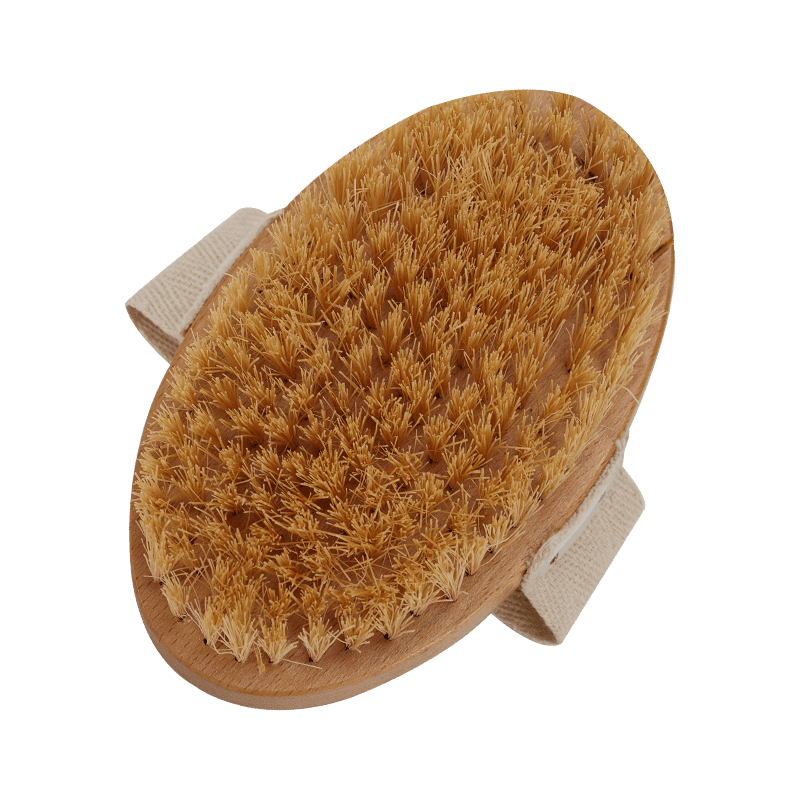 Dry Skin Body Brush for Circulation and Smoother SkinThis dry brushing tool is designed to boost blood circulation while helping to reduce ingrown hairs, acne, and cellulite. It fits well after you've mastered the basic brushing technique and are ready to invest in a reliable, natural-bristle body brush.View Product →
Choosing the Right Dry Body Brush
Bristle firmness and handle length matter more than brand or price. Natural bristles are the traditional and most reliable choice because they hold their shape, feel firm on the skin, and perform well in both dry and wet use.
| Bristle | Firmness | Best suited for | What to know |
|---|---|---|---|
| Boar bristle | Medium | Most skin types | Classic choice; keeps natural firmness |
| Sisal fiber | Firm | Rough patches on elbows, heels | Use light pressure; can irritate |
| Plant fiber (agave/cactus) | Soft | Sensitive skin | Gentler mechanical exfoliation |
| Synthetic nylon | Variable | Budget-friendly options | Less eco-friendly than natural fibers |
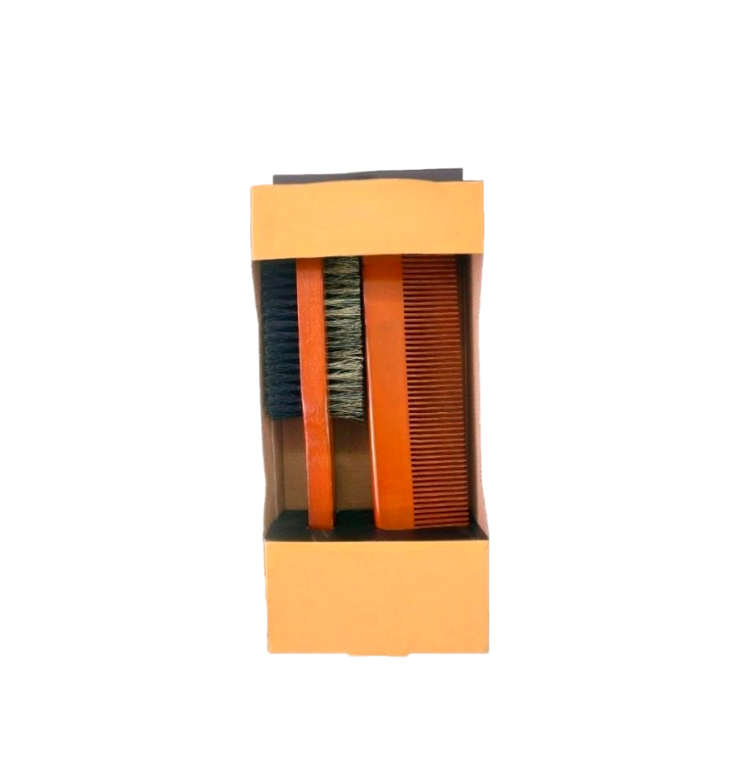
A long handle (about 35-45 cm) makes the back and shoulders much easier to reach. A handheld brush gives better control on the legs, arms, and abdomen, and many people own both. For a closer look at boar-bristle options, see our boar-bristle dry body brushes collection.
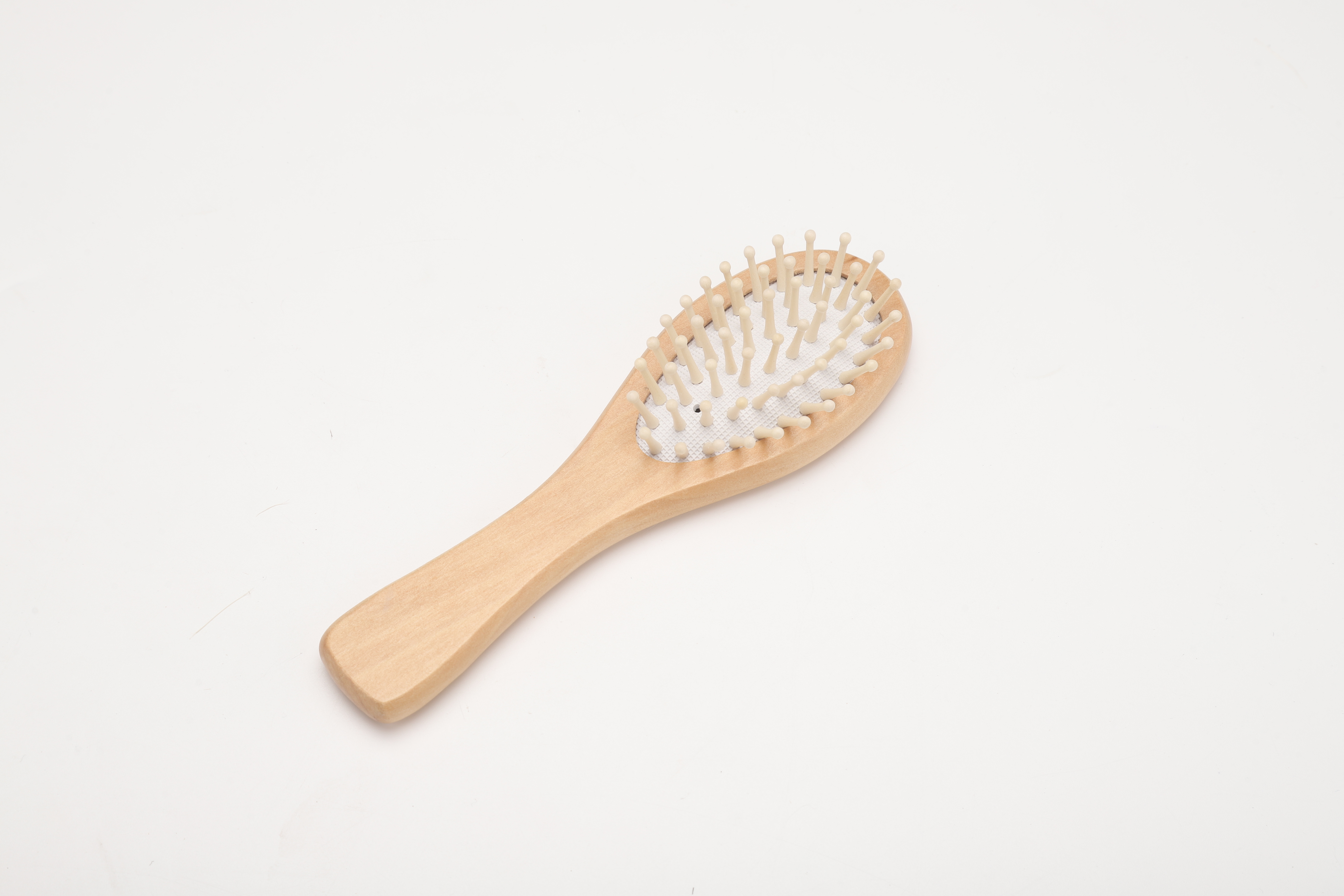
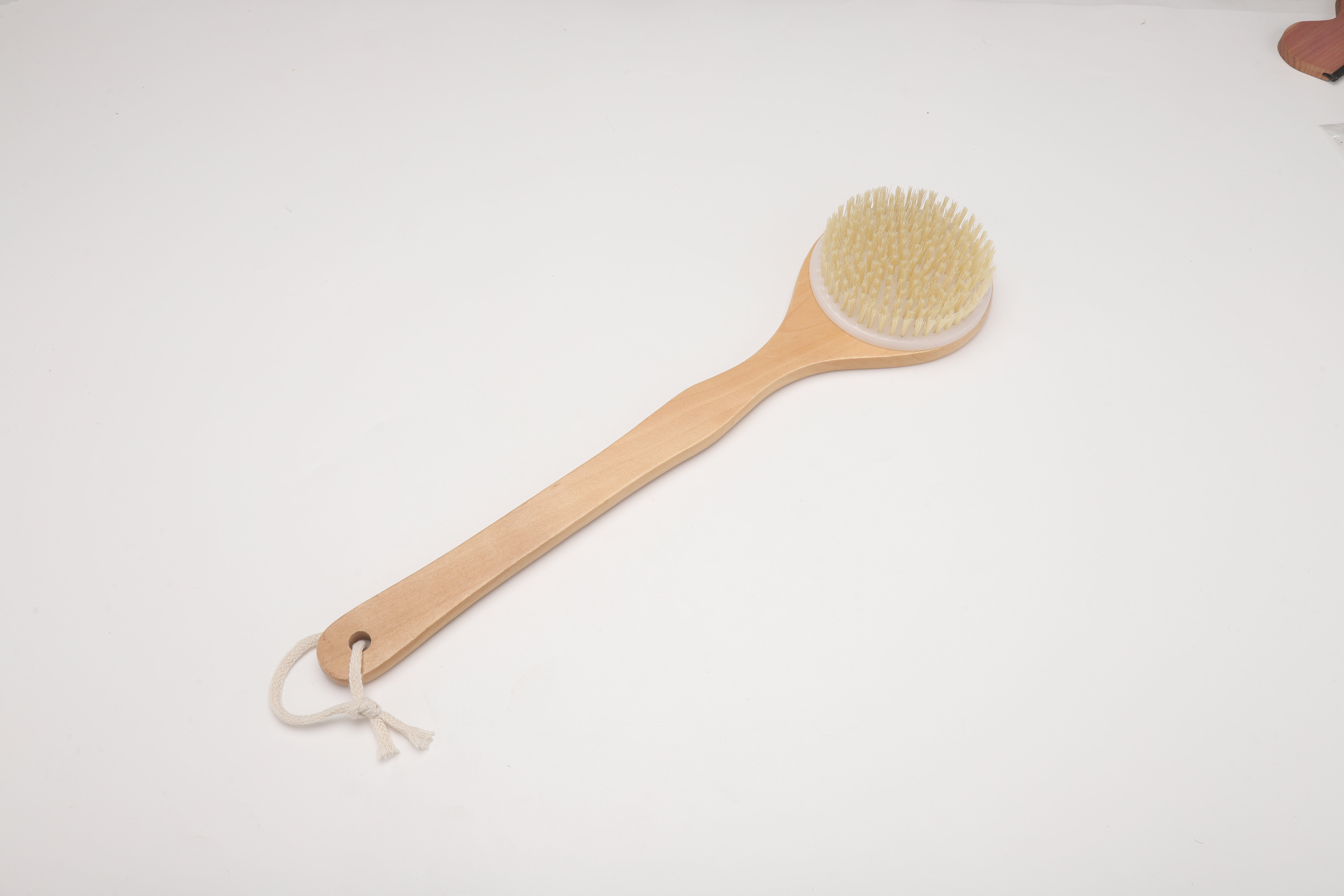 Long Handle Wooden Bath Brush with Synthetic BristlesWith a long handle and round head, this bath brush reaches your back easily and works with body scrub to create rich foam for a thorough cleanse. Its synthetic bristles offer a practical, cruelty-free option while the wooden build supports an eco-conscious bathroom.View Product →
Sustainability is a practical consideration too. Wooden handles made from renewable material like bamboo or FSC-certified wood last for years and are fully biodegradable at the end of their life, which matters if you are replacing plastic bath tools with natural ones. A brush with natural boar or plant-fiber bristles and an eco-friendly bamboo handle covers both performance and environmental value in one tool.
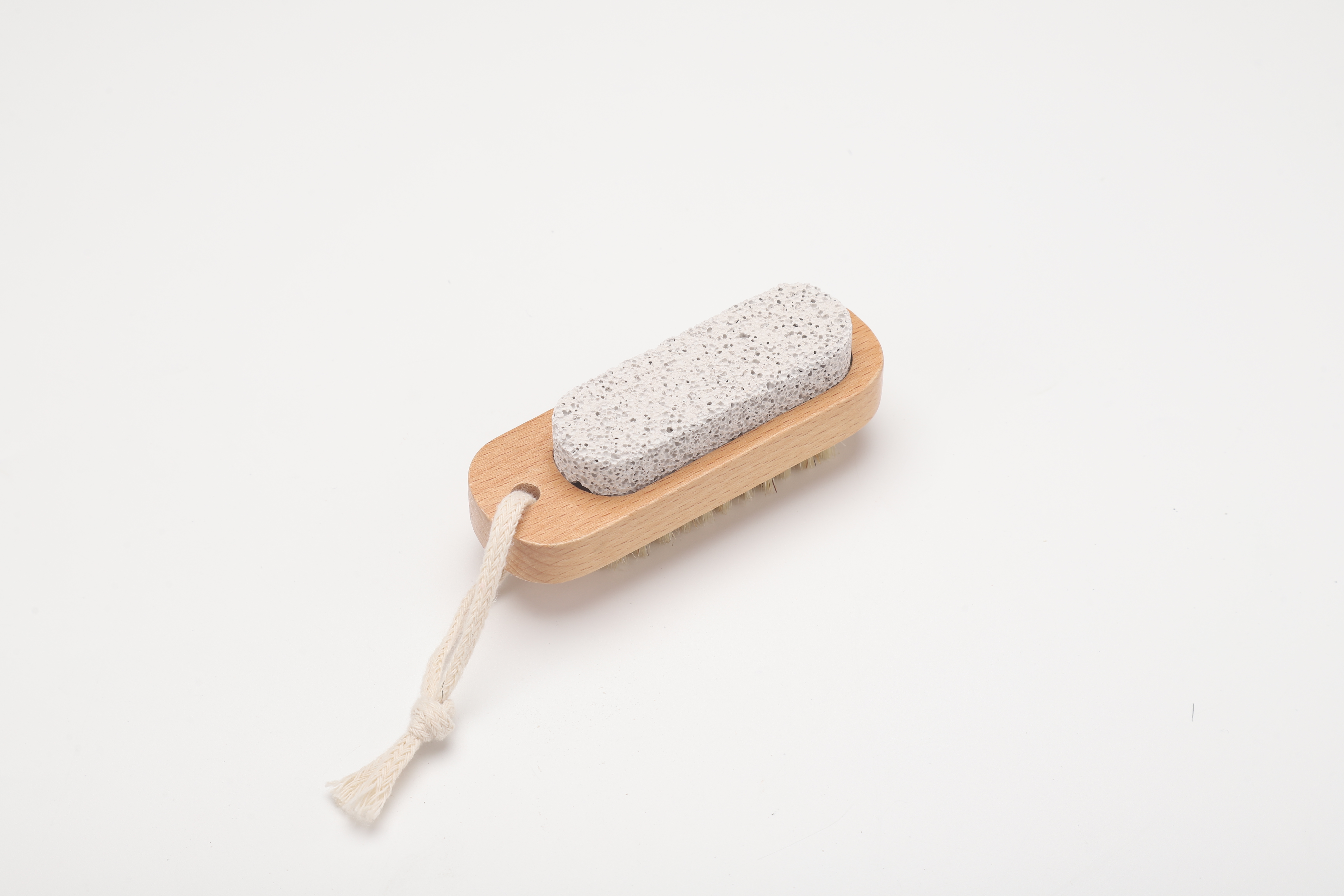
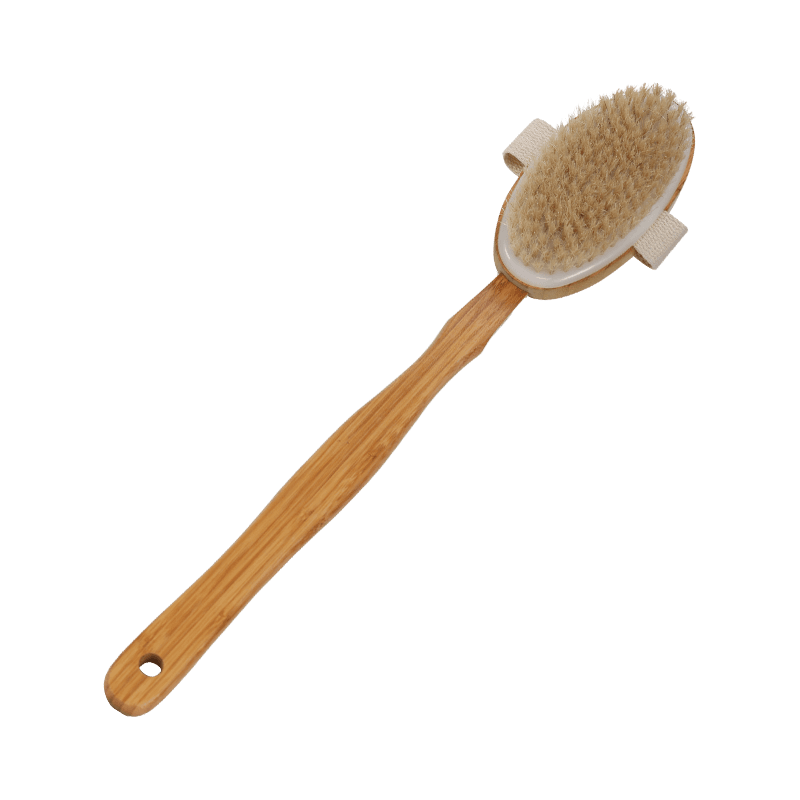 Eco-Friendly Bamboo Handle Soft Bristle Bath BrushMade from natural bamboo with soft bristles, this bath brush is gentle on sensitive skin and ideal for daily shower use. Its long handle helps clean your back comfortably, making it a sustainable choice that aligns with the guide's emphasis on renewable materials and skin-friendly care.View Product →
Caring for Your Brush
A little maintenance keeps the bristles firm and the wood mold-free.
- Air dry the brush bristle-side down after each use.
- Clean it once a week with lukewarm water and mild soap, then shake and air dry.
- Never soak the wooden handle.
- Replace your brush after 6-12 months, or when the bristles start bending and losing firmness.
Frequently Asked Questions
Q1. Does dry brushing get rid of cellulite?
No reliable evidence. It may temporarily plump the skin and lessen the dimpled look for a few hours, but body-fat distribution, genetics, and muscle tone influence cellulite far more than brushing.
Q2. How often should I dry brush?
Start with 2-3 times per week. If your skin tolerates it without redness, you can work up to daily. Sensitive skin should stay at 1-2 sessions weekly.
Q3. Should I dry brush before or after a shower?
Before. Brush on dry skin, then shower to rinse away the loosened cells, and moisturize afterward. Brushing wet skin reduces the exfoliating effect and can irritate.
Q4. Does dry brushing detoxify the body?
Not in a medical sense. It may support lymphatic movement and improve skin appearance, but toxin removal is the liver and kidneys' job, not a brush's.
Q5. Is dry brushing safe for sensitive skin?
Often yes, with a soft natural-bristle brush, light pressure, and a shorter session. Patch-test on a small area first, and skip it during eczema or psoriasis flares.
Q6. How long does a dry body brush last?
Six to twelve months of regular use, depending on bristle quality. Clean and dry it properly, and replace it when bristles bend, shed, or soften noticeably.
Dry body brushing sits in an unusual spot: the surface benefits are real, the deeper claims are overstated, and the practice is cheap enough to try without commitment. If your skin tolerates it, a two-minute routine before a shower is one of the simplest ways to keep skin smooth and add a small, deliberate daily ritual. Pick a brush with natural bristles and a comfortable handle, start gently, and let your skin tell you how often is enough.
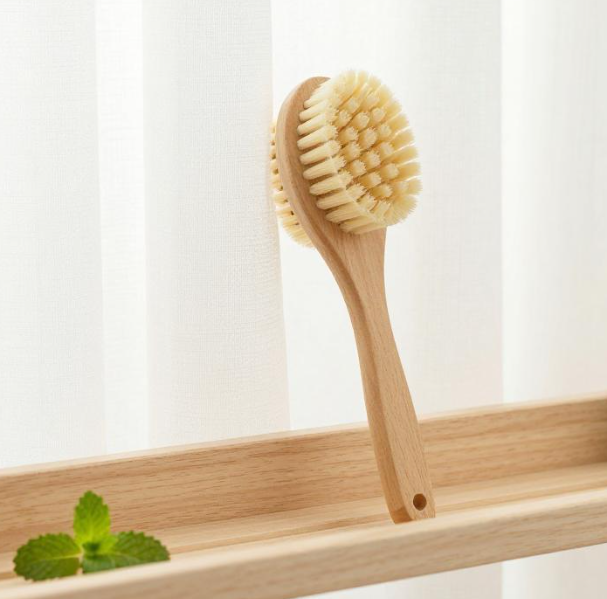
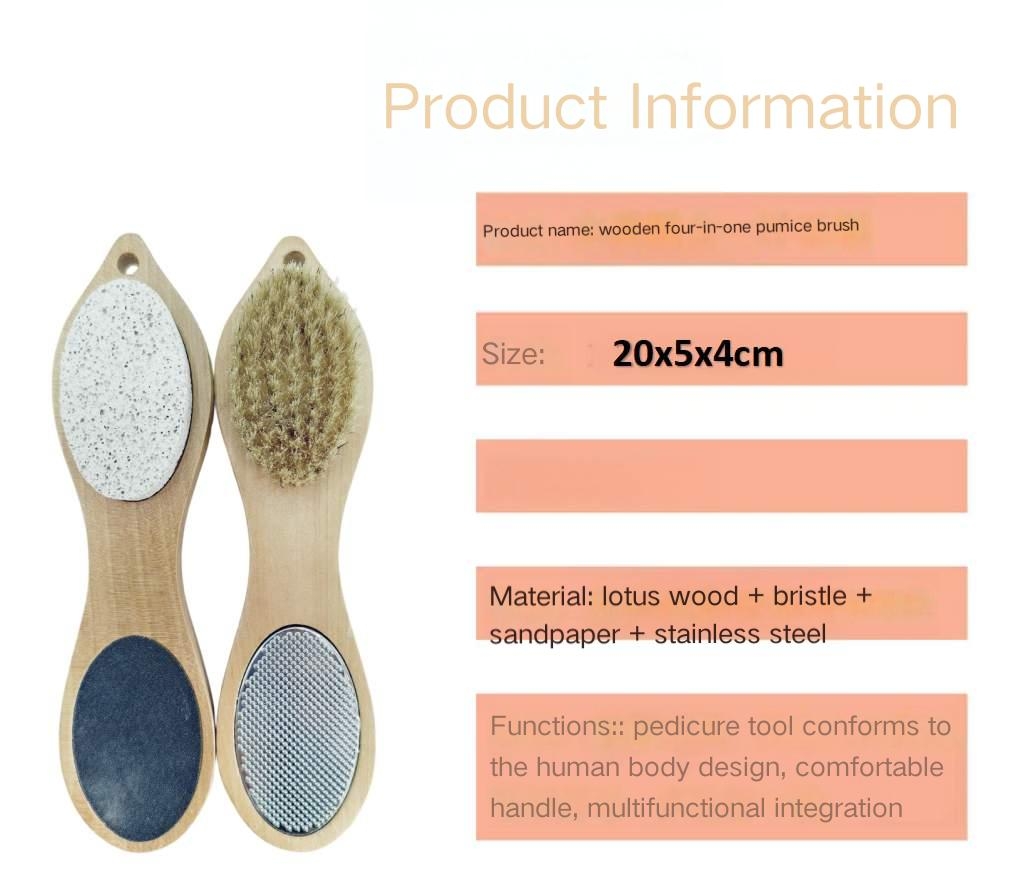
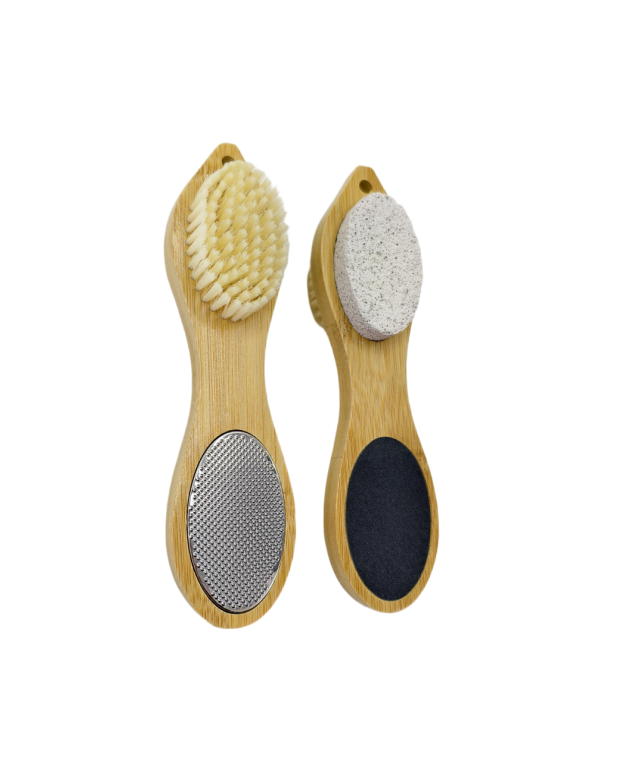
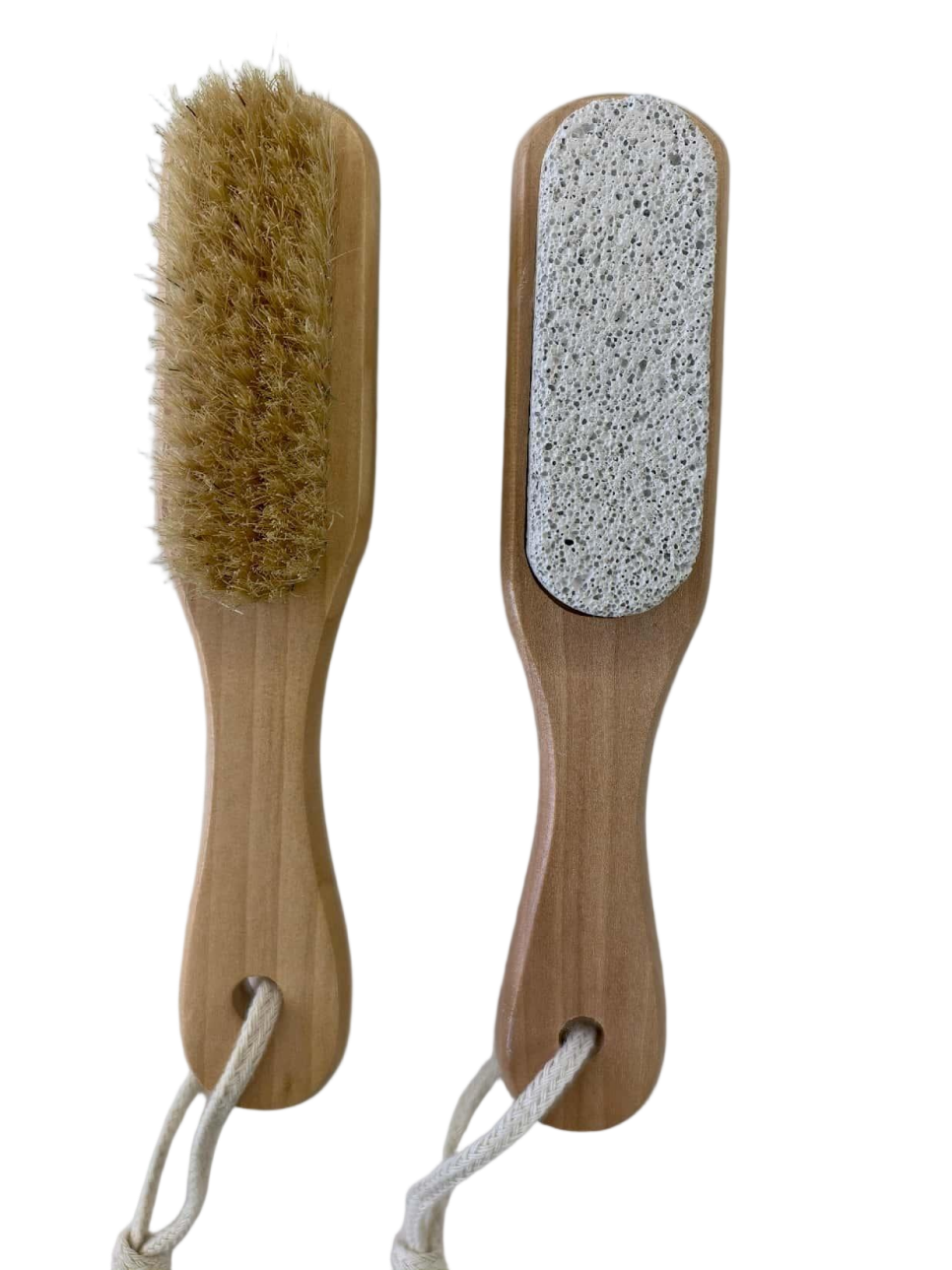
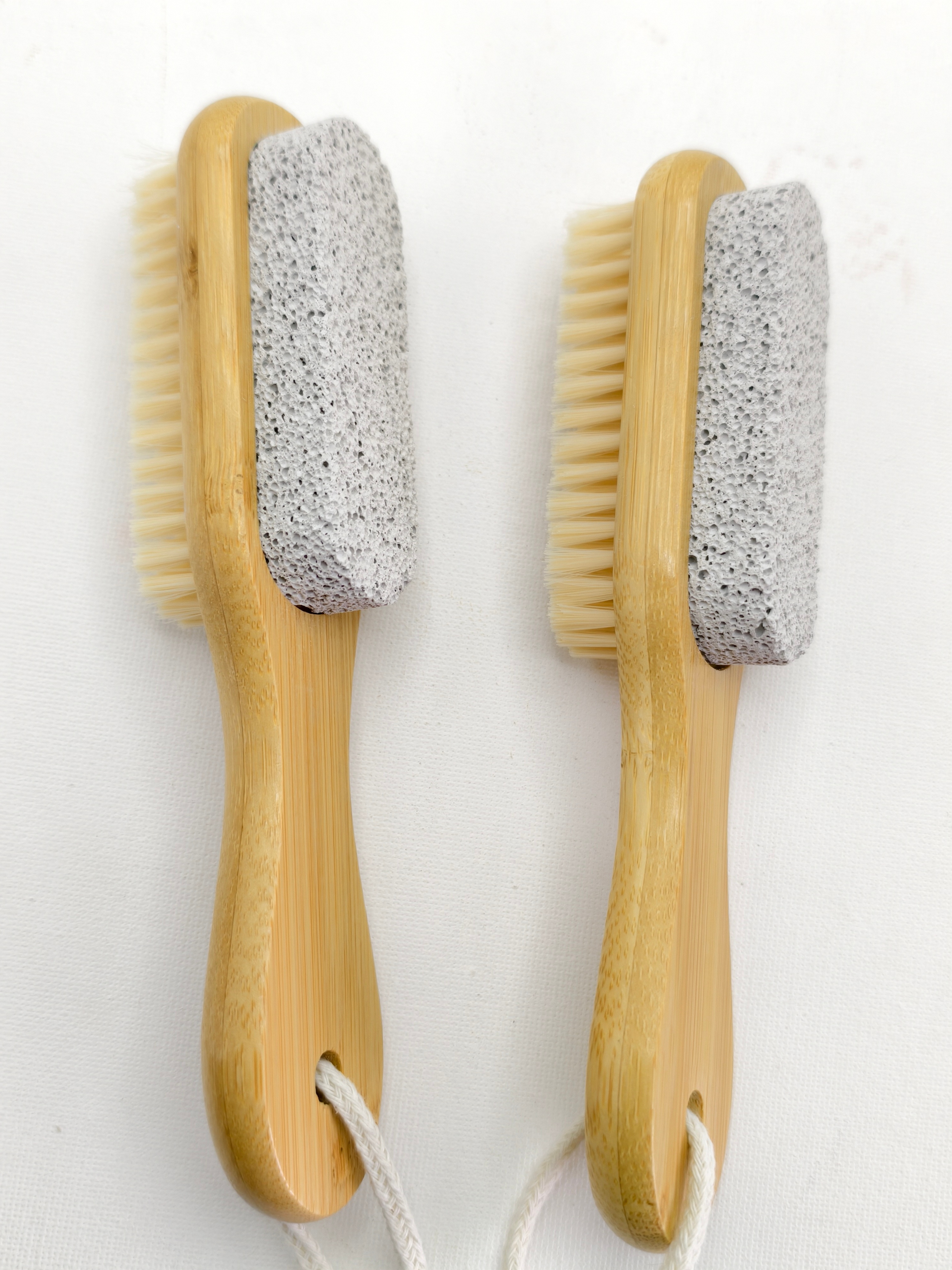
.png "mini bamboo nail brush")
.jpg "long handle loofa bath brush")
.jpg "long handle loofa bath brush")


