
 En
 English
 Français
Content
- 1 What a Bath Brush Is Used For: The Short Answer
- 2 Everyday Uses of a Bath Brush
- 3 Types of Bath Brushes and How They Differ
- 4 Inside a Wood Bath Brush: Parts and Materials
- 5 Wood vs. Plastic Bath Brush: Which Fits You
- 6 Bamboo Bath Brush: What Makes It Different
- 7 Long Handle Bath Brush: Reaching the Back
- 8 Wooden Dry Brush and Dry Brushing: What It Does
- 9 Smaller Brushes for the Face and Neck
- 10 How to Choose a Bath Brush
- 11 Wet Use and Dry Use Compared
- 12 Drying and Care: Keeping Wood and Bristles in Shape
- 13 When to Replace a Wooden Bath Brush
- 14 Who Should Be Careful With Dry Brushing
- 15 Wooden Bath Brushes in Bulk: Working With a Manufacturer
- 16 Questions to Ask a Wooden Bath Brush Supplier
- 17 Quick Buying Checklist
- 18 Bath Brush FAQ
- 18.1 Q1What is a bath brush used for?
- 18.2 Q2How do you clean a wooden bath brush?
- 18.3 Q3How do you dry a wooden bath brush after use?
- 18.4 Q4How do you prevent mold on a wooden bath brush?
- 18.5 Q5How often should you replace a wooden bath brush?
- 18.6 Q6What is the difference between a wooden dry brush and a bath brush?
- 18.7 Q7Is a wood or plastic bath brush better for the shower?
- 18.8 Q8What length of handle suits back washing?
- 18.9 Q9Does dry brushing remove toxins or cellulite?
- 18.10 Q10Where can I buy wooden bath brushes in bulk?
- 18.11 Q11How do I find a reliable wooden bath brush manufacturer?
- 18.12 Q12Can wooden bath brushes be customized with a logo?
What a Bath Brush Is Used For: The Short Answer
A bath brush is a personal tool for cleansing the body, exfoliating dead skin and reaching areas your hands cannot, such as the middle of the back. It usually has a handle and a head fitted with bristles. Some brushes are made for wet use in the shower, and others are made for dry brushing before a shower.
A Wood Bath Brush is the most familiar form of this tool. The wooden or bamboo handle gives a firm grip, and the natural or synthetic bristles do the cleansing. A Long Handle Bath Brush extends your reach to the back and shoulders, while a short round brush is easier to control on arms and legs.
Use soap or body wash and a brush to lift dirt and loose skin during a bath or shower.
Use a wooden dry brush on dry skin before showering to remove dead surface cells.
Use a long handle wooden bath brush to wash areas that are hard to reach by hand.
The sections below cover each use in detail, compare wood and plastic, explain how to choose and care for a brush, and describe what buyers check when ordering wooden bath brushes in larger quantities.
Everyday Uses of a Bath Brush
People pick up a bath brush for different reasons. The cards below describe the six most common uses and what each one asks from the brush.
Cleansing in the shower
Bristles spread soap across the skin and help lift dirt, sweat and oils that a washcloth may leave behind. A medium-firm brush with a comfortable handle works well for daily washing.
Gentle exfoliation
Brushing moves loose, dry skin cells off the surface. Softer bristles suit sensitive areas, and firmer bristles suit the legs and back.
Reaching the back
A wooden back scrubber brush with a long handle lets you wash between the shoulder blades without twisting. This is the main reason many households own one.
Dry brushing
A wooden dry brushing body brush is used on dry skin, usually before a shower. It is a form of manual exfoliation, and the sections below explain what it does and what it does not do.
Massage and relaxation
Firm strokes over the shoulders, arms and legs create a warming, tingling feeling that many people find relaxing after a long day. Massage-style brushes often have wider heads or rounded nodes.
Face, neck and hands
Smaller brushes with soft natural bristles clean the face and neck, and handheld round brushes clean the hands, arms and feet.
Types of Bath Brushes and How They Differ
Bath brushes vary by handle shape, bristle material and head size. Kafete lists bath brushes in five groups on its product page, and the chart below shows how many items sit in each group at the time of writing.
Back body brushes form the largest group, which reflects how many people buy a bath brush mainly to reach the back. Handheld brushes come second and cover everyday washing and dry brushing.
| Type | Handle | Main use | Wet or dry |
| Back body brush | Long | Back and shoulders | Both |
| Handheld bath brush | Short or none | Arms, legs and torso | Both |
| Massage bath brush | Short or curved | Muscle relaxation | Mostly wet |
| Facial brush | Short | Face and neck | Both |
| Sponge or loofa brush | Short or long | Soft lathering | Wet |
Inside a Wood Bath Brush: Parts and Materials
A Wood Bath Brush looks simple, yet each part affects how the brush feels and how long it lasts. The diagram shows the main parts of a long handle wooden bath brush, drawn in isometric view.
Handle
Wood and bamboo are common handle materials. A smooth, sanded surface with rounded edges is more comfortable in wet hands.
Head
The head holds the bristles. Its size sets how much skin the brush covers in one stroke, and it needs a firm bond with the bristle tufts.
Bristles
Natural bristles such as boar or goat hair give a softer, finer feel, while PP or nylon bristles are firmer and dry faster.
Hanging hole
A hole or loop at the end lets you hang the brush so air reaches the bristles after use.
Finish
Oiled or lightly sealed wood resists moisture better than bare wood. Ask what finish a supplier applies.
Bristle fixing
Tufts should sit tight in the head. Loose tufts shed during use and shorten the life of the brush.
Wood vs. Plastic Bath Brush: Which Fits You
The Wood vs. Plastic Bath Brush question comes down to feel, care and personal preference. Wood has a warm, natural grip and a traditional look. Plastic is light, resists moisture and needs less drying care. The radar chart compares the two on five factors using an editorial 1 to 5 rating. It is a comparison aid, not survey data.
| Factor | Wood | Plastic |
| Grip feel | Warm, natural texture | Smooth and uniform |
| Moisture | Needs air drying between uses | Does not absorb water |
| Weight | Moderate | Light |
| Look | Natural, suits spa style bathrooms | Wide range of colors |
| Material source | Renewable plant material | Petroleum based, often recyclable |
Many shoppers choose wood for the look and feel and accept the small drying habit that comes with it. Households that wash in humid bathrooms with little airflow sometimes pick plastic handles for easier upkeep. Mixed designs exist as well, such as wood-plastic brushes that combine a wood look with plastic durability.
Bamboo Bath Brush: What Makes It Different
A Bamboo Bath Brush uses bamboo for the handle and head. Bamboo is a fast-growing grass rather than a tree, which is why many buyers see it as a lighter-footprint material than slow-growing hardwoods. The surface is smooth, the grain runs in straight lines and the color ranges from pale gold to deeper brown after heat treatment.
How bamboo handles feel in use
Bamboo is lighter than most hardwoods and has a slightly cool, dry feel in the hand. The straight grain gives the handle a clean look, and the material tolerates the moist air of a bathroom when it is dried properly after use.
Care points for bamboo
- Rinse soap off the bristles and head after each use.
- Shake off water and hang the brush where air can move around it.
- Keep the handle out of standing water on a shower shelf or soap dish.
- Check the head joint now and then for cracks or loose bristle tufts.
Long Handle Bath Brush: Reaching the Back
A Long Handle Bath Brush solves a plain problem: the middle of the back is hard to wash by hand. A long handle wooden bath brush lets you pass the head across the back, shoulders and the backs of the legs while standing straight. People who find twisting or lifting an arm uncomfortable often favor a wooden back scrubber brush for this reason.
Handle length matters as much as bristle type. A very short handle limits reach, and a very long one can be awkward in a small shower. Many buyers test the reach by holding the brush at the grip point and checking whether the head reaches the center of the back.
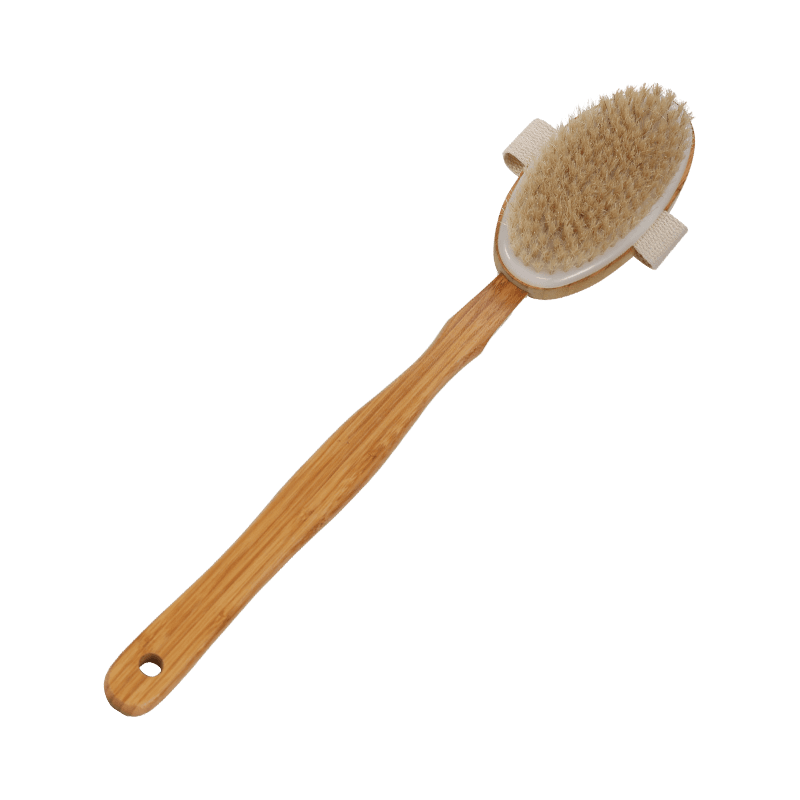
Eco-Friendly Bamboo Handle Natural Bristle Massage Bath Brush
A bamboo handle with natural bristles. The long handle design helps clean areas that are hard to reach in the bath or shower.
View product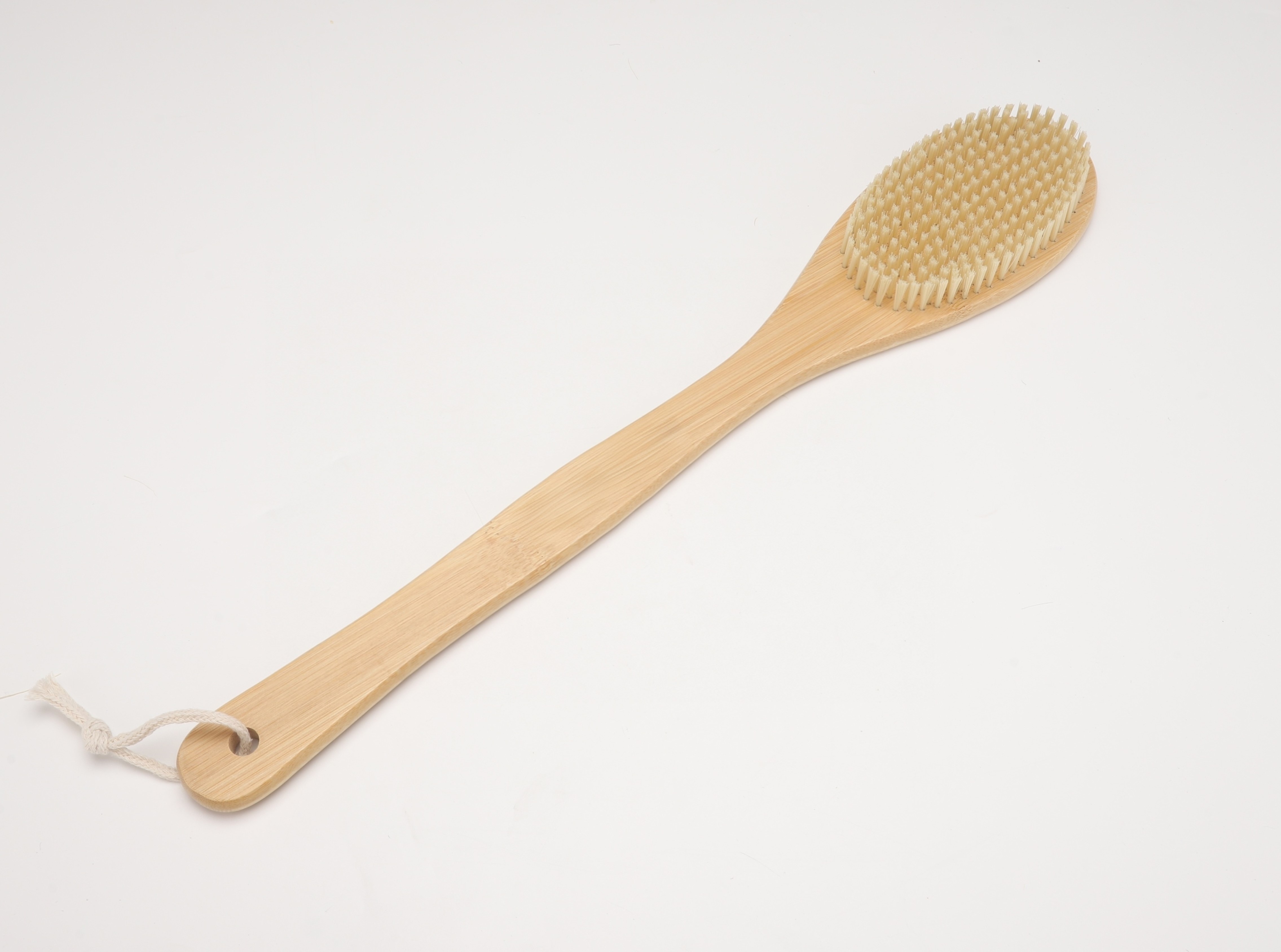
Long Handle Natural Wooden Bath Brush, Dry and Wet Body Brush
Made of bamboo with PP bristles, this brush can be used on wet or dry skin for hard-to-reach areas of the body.
View productWooden Dry Brush and Dry Brushing: What It Does
A Wooden Dry Brush is used on dry skin, usually before a shower. A wooden dry brushing body brush typically has firm natural bristles and a handle or a palm-sized head. The practice is popular, and it helps to separate what it does from what is claimed for it.
What the evidence supports: dermatologists quoted by TIME describe the clear effect as exfoliation, meaning removal of dead skin cells, with a short-lived flush of the skin. The same experts say there is no evidence that dry brushing removes toxins or reduces cellulite. Healthline reaches the same conclusion on cellulite, noting that exfoliation is the benefit that holds up.
How to dry brush step by step
- Start on dry skin. Brush before the shower, so the loosened skin cells rinse away with warm water.
- Begin at the feet. Use short, light strokes moving up the leg toward the heart.
- Move to the arms. Brush from the hands toward the shoulders.
- Use lighter pressure on thin skin. The stomach, chest and inner arms are tender, so keep strokes gentle.
- Finish and rinse. Shower, pat the skin dry and apply moisturizer if your skin feels tight.
Pressure should feel firm but comfortable. Skin that turns very red or feels sore signals that the pressure or the bristles are too strong. For related reading, see Kafete's guides on body dry brush benefits and the best time to dry brush.
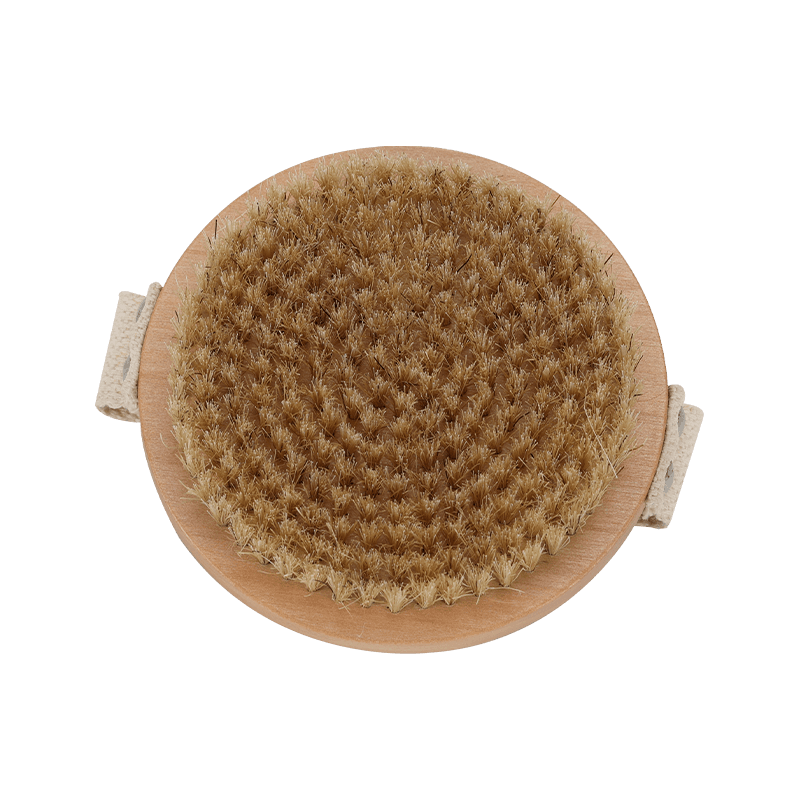
Round Handheld Wooden Exfoliating Scrub Bath Brush
A round handheld wooden dry body brush fitted with strong and medium-soft natural bristles, listed for exfoliating use.
View product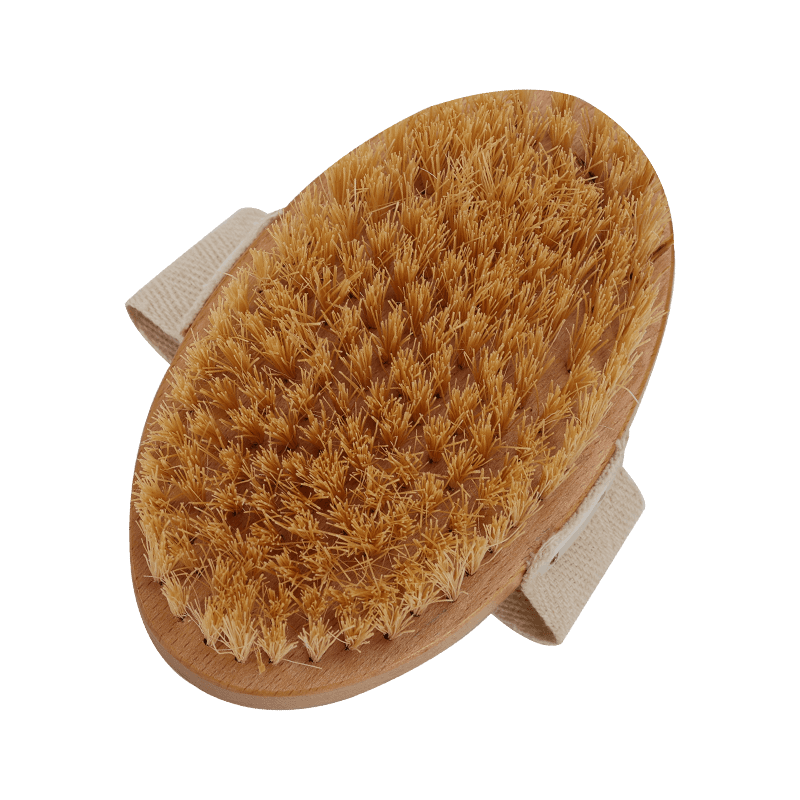
Dry Skin Body Brush Massage Tool
A handheld dry skin body brush that suits dry brushing routines and light massage strokes over the arms and legs.
View productSmaller Brushes for the Face and Neck
Face and neck skin is thinner than skin on the back or legs, so brushes for these areas use softer natural bristles and smaller heads. Both products below are bamboo-handled facial brushes listed for dry and wet use.
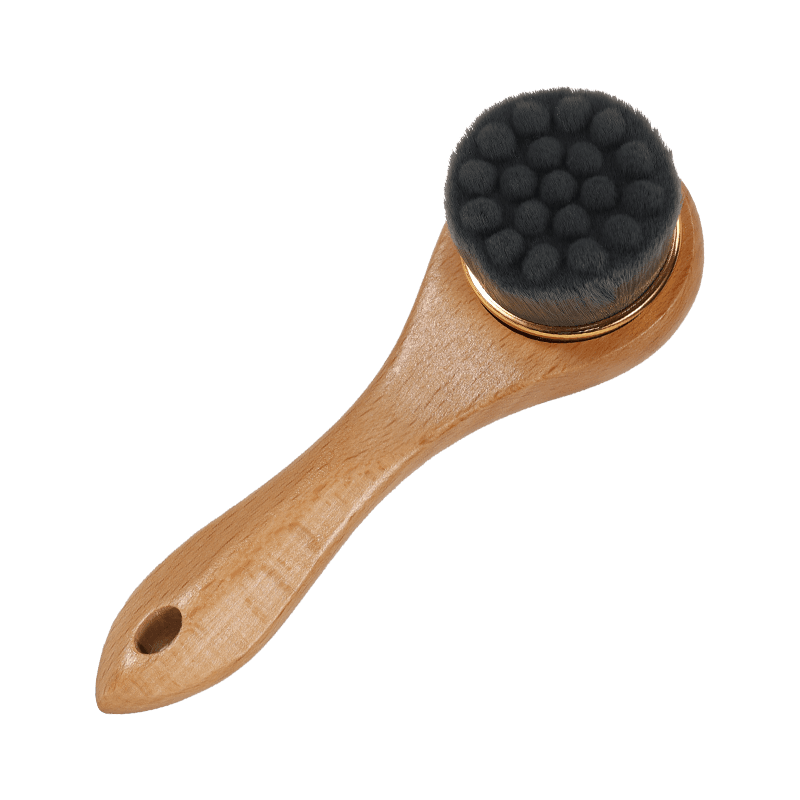
Natural Goat Bristle Bamboo Dry Brush Facial Cleansing Brush
A bamboo-handled brush with natural bristles for the face and neck, suited to gentle dry brushing.
View product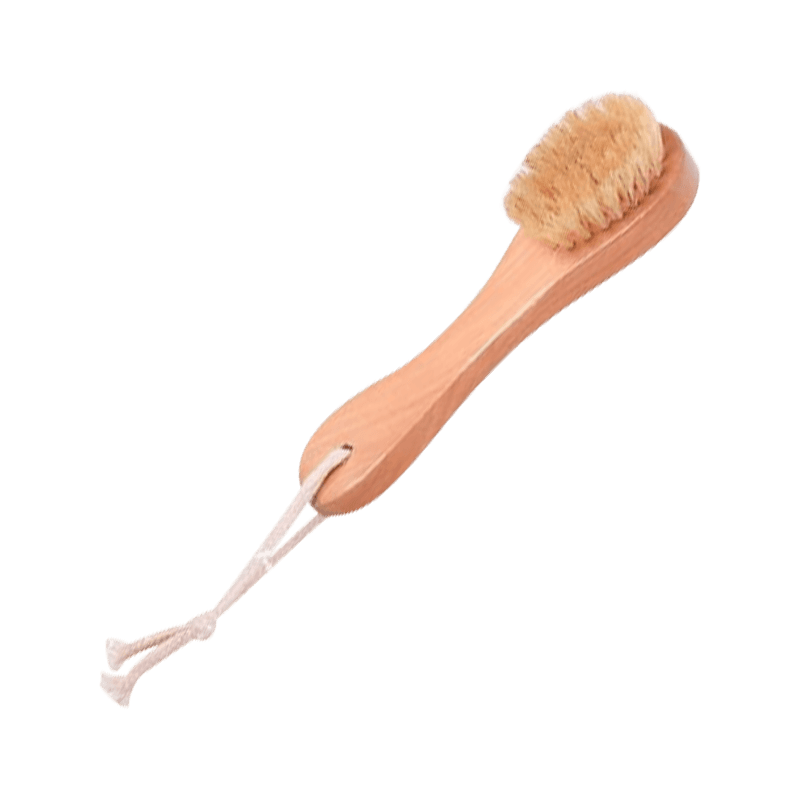
Bamboo Face Brush for Dry and Wet Brushing
A facial cleansing brush with natural bristles and a wooden handle, listed for both dry and wet use.
View productHow to Choose a Bath Brush
Six checks cover most buying decisions. Work through them in order and write down your answers before you compare models.
Handle length
Choose a long handle for back washing and a short or round handle for arms, legs and dry brushing.
Bristle firmness
Softer bristles suit sensitive skin and the face. Firmer bristles suit the back and legs.
Bristle material
Natural bristles feel softer and finer. PP or nylon bristles are firmer and dry faster.
Head size
A wider head covers more skin per stroke, while a small head gives control on tight areas.
Grip
Hold the handle with wet hands if possible. A rounded, smooth grip is easier to keep control of.
Hanging option
A hanging hole lets the brush dry in open air, which protects the wood and the bristles.
Wet Use and Dry Use Compared
The same brush can sometimes handle both jobs, but the technique differs. The two panels below set out each routine.
Wet use in the shower
- Wet the skin and the bristles with warm water.
- Add body wash to the brush or the skin.
- Use circular or long strokes, and keep pressure moderate.
- Rinse the skin, then rinse the brush until no soap remains.
- Shake out the water and hang the brush to dry.
Dry use before the shower
- Start on clean, dry skin with a dry brush.
- Use short upward strokes toward the heart.
- Keep pressure light on thin or tender skin.
- Step into the shower and rinse away loosened skin.
- Tap the brush on a towel and let it air out.
Drying and Care: Keeping Wood and Bristles in Shape
Wood and bamboo take up moisture, and bristles hold on to soap and skin oils. A brush that stays damp in a closed space is the one most likely to grow mold or smell. The line chart shows the idea: a brush hung in open air loses moisture faster than one stored in a closed drawer. It is an illustration of the pattern and not measured data.
| Task | How often | Reason |
| Rinse and shake out | After each use | Removes soap and loose skin |
| Hang to air dry | After each use | Lets moisture leave wood and bristles |
| Wash with mild soap | Weekly | Clears oils and residue from bristle bases |
| Check head joint and tufts | Monthly | Spots cracks and loose bristles early |
| Dry in sunlight or a warm room for a short time | As needed | Helps a brush that stayed damp |
For a longer routine, read Kafete's guide on how to clean a dry brush, which covers bristle care, drying and mold prevention.
When to Replace a Wooden Bath Brush
A brush does not carry a fixed expiry date. Replace it when the signs below appear, since a worn brush cleans poorly and can irritate skin.
- Bent or flattened bristles that no longer spring back after use.
- Bristles shedding in clumps during brushing.
- A sour or musty smell that remains after washing and drying.
- Dark spots or discoloration on the wood or at the base of the bristles.
- Cracks or splinters in the handle or head that could scratch skin.
If you share a bathroom, keep one brush per person so brushes dry apart and do not touch each other.
Who Should Be Careful With Dry Brushing
Dry brushing is not suited to every skin condition. A dermatologist quoted by TIME advises that people with eczema or very dry skin should avoid dry brushing. Skip brushing over cuts, sores, sunburn, rashes or any area where the skin is broken or sore.
If you are unsure whether a brush suits your skin, speak with a dermatologist or another health professional before you start. Wet brushing with a soft brush and a mild cleanser is a gentler option for sensitive skin.
Wooden Bath Brushes in Bulk: Working With a Manufacturer
Retailers, spas, hotels and gift brands often buy wooden bath brushes in bulk. Ningbo Kafete Daily Necessities Co., Ltd. was established in 2017 in Cixi, Zhejiang, China, and focuses on the research and development, production and sales of bath brushes, other wood-plastic brushes, massagers and other bath and beauty products. According to its company profile, its products have been exported to over 40 countries, mainly to the United States, Europe and Japan.
The bar chart below shows how the product page divides its listings across categories at the time of writing. A wide range under one supplier makes it easier to combine items in a single order.
Customization options to discuss
| Option | What changes | Why it matters |
| Logo marking | Engraved or printed brand mark | Brand recognition on the handle |
| Handle length | Short, medium or long | Fits back washing or handheld use |
| Bristle type | Natural, PP or nylon | Sets softness and drying speed |
| Packaging | Box, sleeve or bag design | Shelf presentation and gifting |
To review the full range, visit the Kafete product page.
Questions to Ask a Wooden Bath Brush Supplier
A short list of questions often reveals more than a catalog does. Group them by topic and send them together.
About the brush
- Which wood or bamboo is used for the handle?
- What bristle material and firmness are offered?
- How are bristle tufts fixed to the head?
- What finish protects the wood from moisture?
- Is there a hanging hole or loop?
About the supplier
- How long has the company produced bath brushes?
- Which markets does it already supply?
- Does it have its own design and development team?
- Can it share photos from the production line?
- Who handles questions after the order ships?
About the order
- Can I receive a sample before a full order?
- What logo and packaging options are available?
- How are cartons packed for transport?
- How is quality checked before shipping?
- Can several brush types ship in one order?
Quick Buying Checklist
Use this list when you are ready to pick a bath brush or contact a supplier.
- Decide the main use: wet cleansing, dry brushing, back washing or face care.
- Match handle length to the area you want to reach.
- Choose bristle firmness for your skin and the body area.
- Pick wood, bamboo or plastic based on feel and your drying habits.
- Hang the brush to dry after each use and replace it when it shows wear.
- For bulk orders, request a sample and confirm logo and packaging details.
Sources: dermatologists quoted by TIME on dry brushing, exfoliation and skin conditions; Healthline on dry brushing and cellulite; Ningbo Kafete Daily Necessities Co., Ltd. company profile and product page for company details, listing counts and product descriptions.
Bath Brush FAQ
Q1What is a bath brush used for?
A bath brush cleanses the body, removes loose skin cells and reaches areas that are hard to wash by hand. Long handle models are used for the back, and short handheld models are used for arms, legs and dry brushing.
Q2How do you clean a wooden bath brush?
Rinse the bristles with warm water after use, then wash with mild soap once a week. Work the soap through the bristle base, rinse well and shake out the water.
Q3How do you dry a wooden bath brush after use?
Shake off the water and hang the brush by its hole or loop where air can move around it. Keep the bristles pointing down or sideways so water drains out of the head.
Q4How do you prevent mold on a wooden bath brush?
Rinse out soap, dry the brush fully between uses and avoid storing it in a closed, damp space. Do not leave the handle sitting in standing water.
Q5How often should you replace a wooden bath brush?
There is no fixed date. Replace the brush when bristles bend or shed, the wood cracks, or a musty smell stays after washing and drying.
Q6What is the difference between a wooden dry brush and a bath brush?
A wooden dry brush is made for use on dry skin and usually has firm natural bristles. A bath brush is a wider term that also covers brushes used with soap in the shower.
Q7Is a wood or plastic bath brush better for the shower?
Both work. Wood offers a natural feel and look but needs air drying, while plastic resists moisture and needs less care. Pick the one that fits your bathroom airflow and drying habits.
Q8What length of handle suits back washing?
Choose a handle long enough that the head reaches the center of your back while you stand straight. Hold the brush at the grip point to test reach before you buy.
Q9Does dry brushing remove toxins or cellulite?
Dermatologists quoted by TIME and Healthline say there is no evidence that it does either. The supported effect is exfoliation of dead skin cells.
Q10Where can I buy wooden bath brushes in bulk?
Buy from a manufacturer or supplier that lists wooden and bamboo bath brushes, such as Ningbo Kafete Daily Necessities Co., Ltd. Ask for samples and packaging details before you order.
Q11How do I find a reliable wooden bath brush manufacturer?
Look at how long the company has operated, which markets it supplies and whether it can show its product range and production photos. A sample order shows how well the brush is made.
Q12Can wooden bath brushes be customized with a logo?
Many manufacturers offer logo marking on the handle and custom packaging. Ask the supplier which marking methods suit the handle material and what artwork format they need.