

 En
En
 English
 Français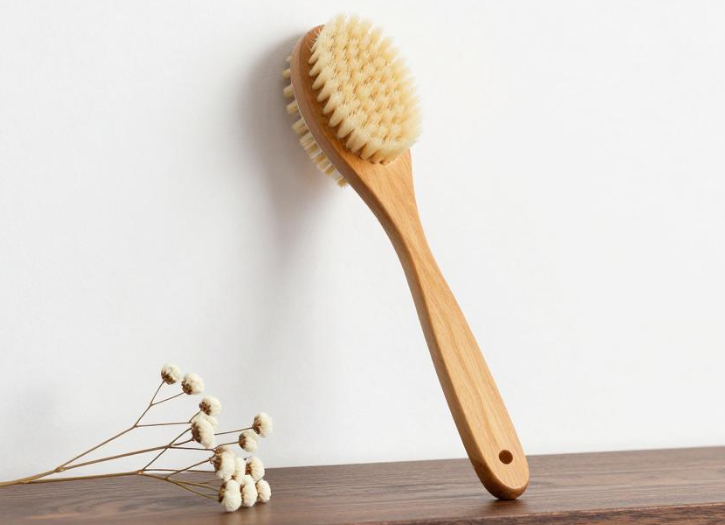
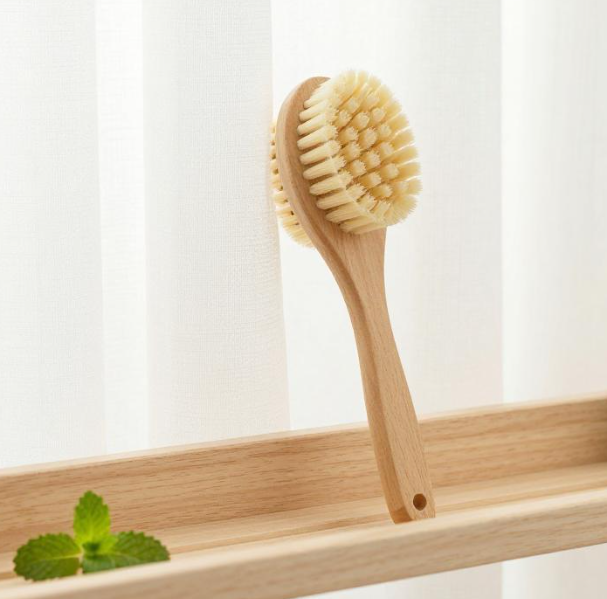
A common morning scene: you step out of the shower, towel off, and feel rough patches on your elbows, heels, and the backs of your thighs. A body scrub helps for a day, but the dullness returns quickly. The direct answer is that dry brushing your body removes the layer of dead cells that makes skin look tired, while its strokes move fluid and blood through the tissues underneath. Done three to four times a week with a natural bristle brush, it delivers smoother skin, better circulation, and less evening puffiness in a simple three-minute ritual.
Content
What Dry Brushing Does to Your Skin and Body
Dry brushing is simple: you take a firm, natural-bristle brush and move it over dry skin in long strokes, always working toward the heart. The friction and pressure do several things at once, which is why the practice has survived for centuries in many skin-care traditions.
Exfoliates without stripping the skin barrier
The epidermis renews itself on a cycle of roughly 28 days in your twenties, slowing to 40-50 days by your sixties, according to standard dermatology references. As the cycle slows, dead cells pile up and leave a dull, rough film. Dry brushing lifts that film mechanically. Because the bristles pass over dry skin, they generate more friction than a soapy loofah, so the exfoliation is thorough. Skin feels smoother immediately, and pores look less congested after a few weeks. Moisturizer also soaks in noticeably better on freshly brushed skin.
Figure 1. Common dermatology teaching estimates; individual renewal rates vary.
Stimulates circulation and lymph flow
Blood vessels respond to massage-like pressure by dilating, which brings oxygen and nutrients to the skin surface. The lymphatic system, however, has no pump of its own; it relies on muscle movement and external pressure to push fluid forward. Cleveland Clinic notes that dry brushing may improve blood circulation and promote lymph drainage. Stroking toward the chest encourages lymph fluid to move in that direction, and people who retain water often notice less puffiness after a week or two of consistent brushing.
Wakes up the nervous system
Dry brushing is, in effect, a systematic touch stimulus across your whole body. Fast, firm strokes energize; many people treat it as a caffeine-free wake-up call. Slow, light strokes do the opposite and calm the system, which is why some prefer to brush before bed. You can adjust the pace to the response you need in the moment.
What it does not do
One claim you will hear is that dry brushing "melts cellulite." Dermatologists are consistent that cellulite is a structural issue beneath the skin, and no brush can reach it. What brushing can do is temporarily plump the skin's surface and improve blood flow, making dimples less visible for a few hours. That is a cosmetic effect, not a structural fix. The same caution applies to "detox": your liver and kidneys do the detoxifying. Dry brushing supports them only in the narrow sense of moving lymph and shedding dead cells. If you prefer a ready-made kit to start with, our exfoliating dry brushing sets include a natural bristle brush and a care guide.
Why the Brush Matters More Than the Technique
The brush determines most of the result. The wrong bristle material, handle length, or density will either scratch your skin or fail to exfoliate it. Here is how the main materials compare before you spend money.
| Brush material | Bristle feel | Best for | Maintenance |
|---|---|---|---|
| Natural boar bristle | Firm but smooth | All-over dry brushing, standard routine | Keep dry, air out after every use |
| Goat hair | Soft and flexible | Face, sensitive areas, first-time users | Gentle wash, air dry |
| Sisal fiber | Coarse and scrubby | Elbows, knees, heels, extra exfoliation | Rinse well and dry fully |
| Nylon or synthetic | Uniform, can feel harsh | Wet or dry use, budget option | Fast drying, machine-washable |
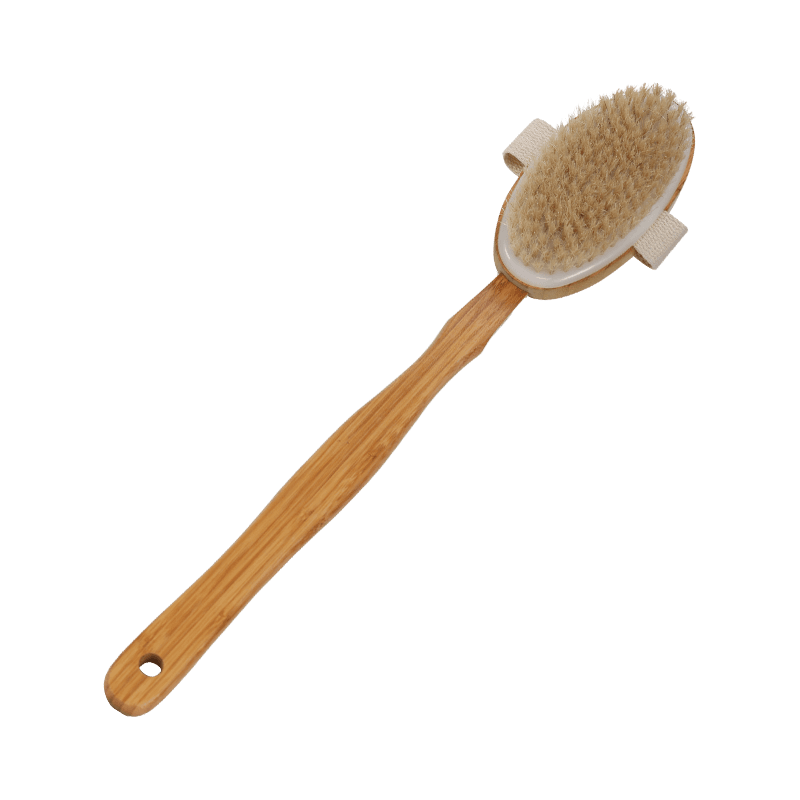 Eco-Friendly Bamboo Bath Brush with Natural Boar BristlesThis long-handled brush uses tapered natural bristles that lift dead cells gently on sensitive skin, making it an ideal starting point for anyone new to dry brushing.View Product →
Natural bristle versus synthetic
Natural bristles such as boar and goat have tapered, split tips that glide over the skin while still lifting dead cells. Synthetic nylon bristles are cut blunt, so they tend to feel harsher against the body. In our production experience, the difference is obvious the first time you brush your forearm with each type. Our bamboo-handle bath brush with natural bristles is the style we recommend as a starting point for most skin.
Figure 2. Relative stiffness guide based on hand-feel evaluation of fibers used in production.
Handle length and base material
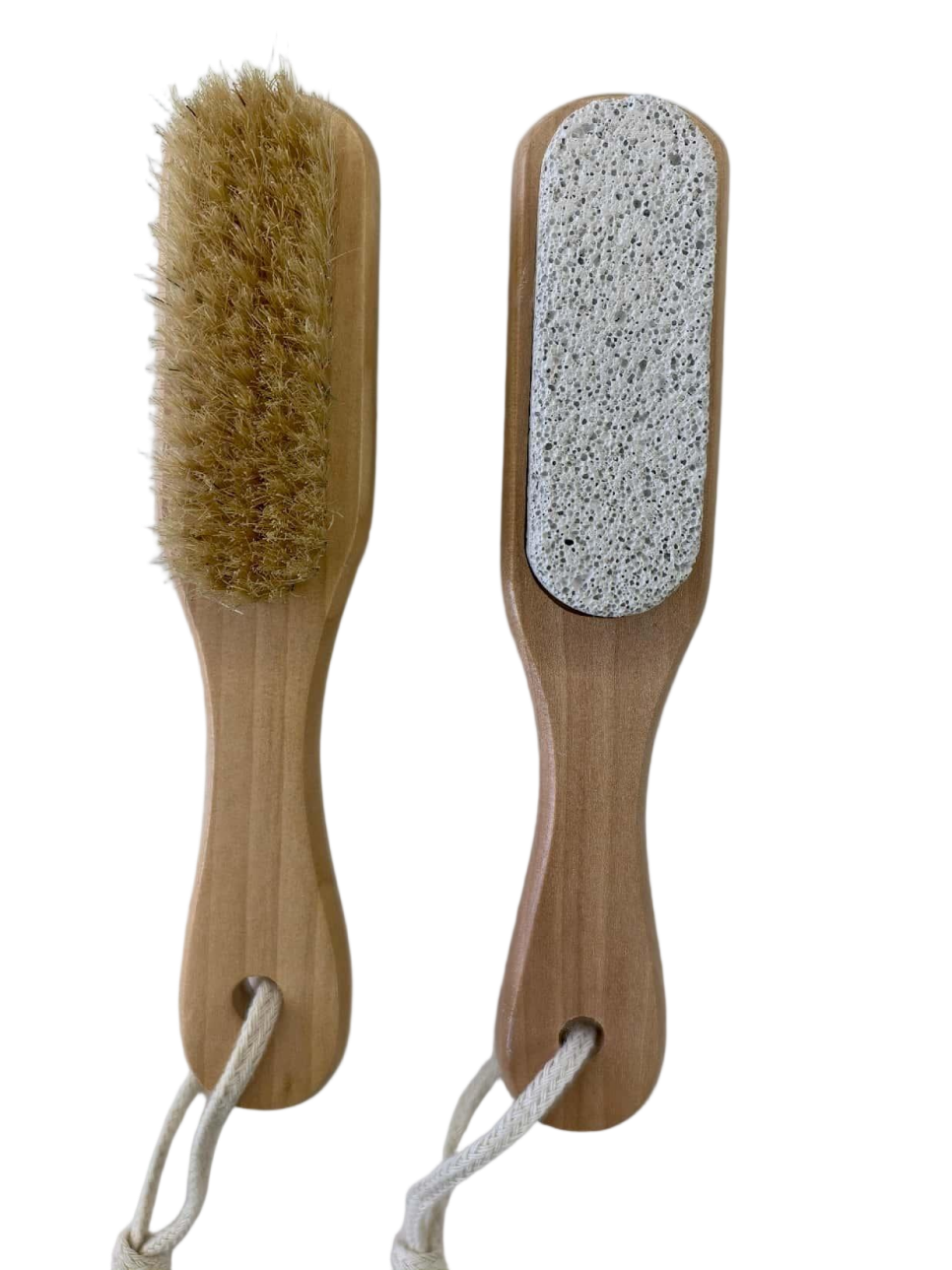
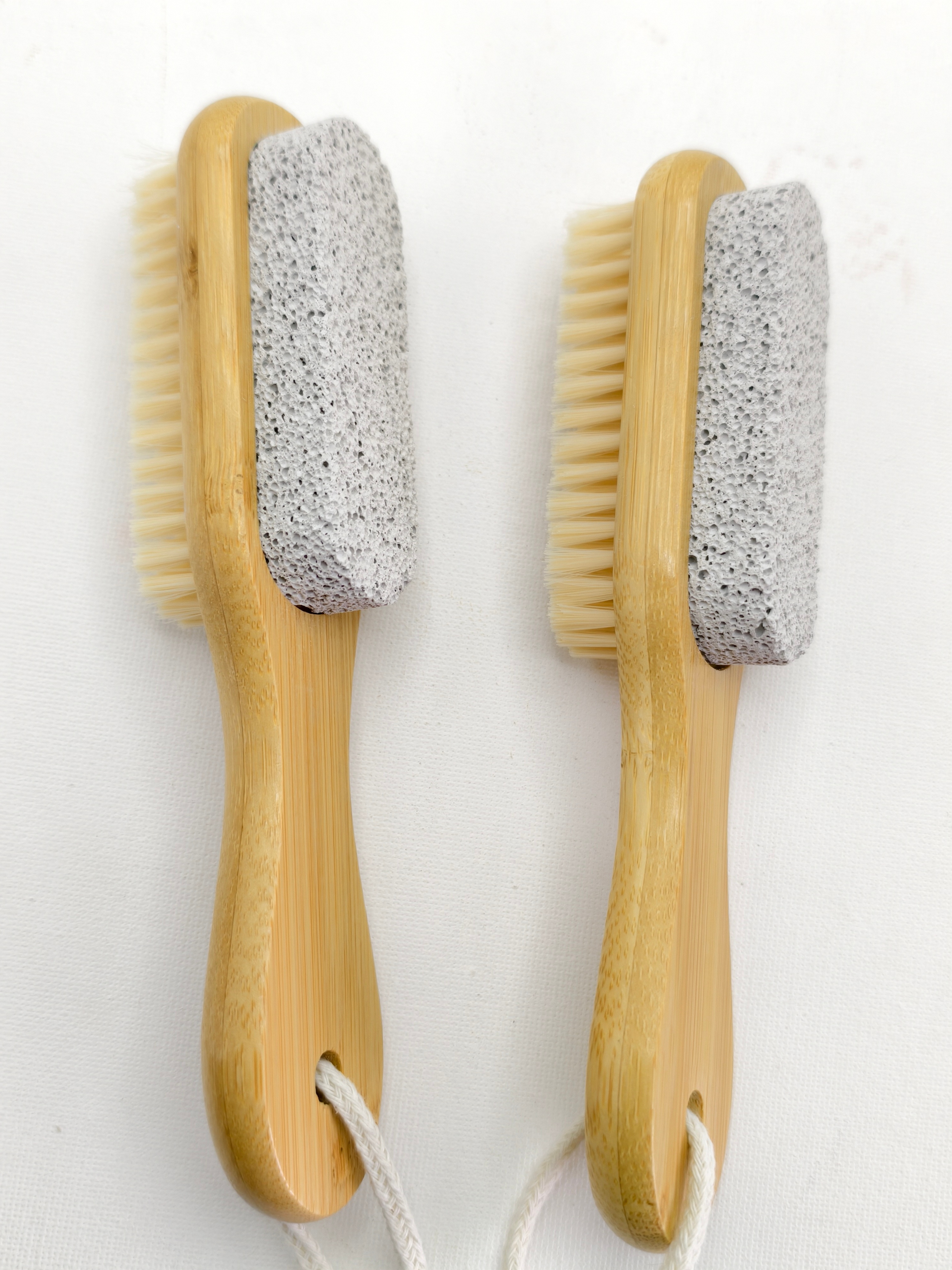
A long handle reaches your mid-back without contorting your shoulders; a short hand-held brush gives precise control on legs, arms, and chest. If you buy only one, choose a long handle. The base material matters too: bamboo resists moisture, dries quickly, and comes from a renewable source, which is why bamboo is the most practical choice for a bathroom tool.
Figure 3. Anatomy of a round dry brush. The wooden base protects the bristle block, and the loop strap allows airflow for drying.
Check the bristle density before you buy. A good dry brush has dense, evenly spaced bristles that spring back when pressed. Sparse bristles scratch without lifting much; overly dense bristles bend without reaching the skin. A mid-density brush with a 9- to 12-centimeter head covers most body areas efficiently.
How to Dry Brush the Right Way
Technique matters more than the tool. The common mistakes - harsh pressure, random directions, using a wet brush - are exactly how people irritate their skin and then give up on the practice.
The six-step routine
- Start with completely dry skin before you shower.
- Begin at your feet: brush the sole, then the ankle, calf, and thigh in long upward strokes.
- Move to your arms, starting at the hand and brushing toward the shoulder.
- On the abdomen, use light clockwise circular strokes.
- Keep strokes long and overlapping, with the same pressure you would use for a firm massage.
- Brush for three to five minutes, then shower to rinse away loosened cells and apply moisturizer to damp skin.
The toward-the-heart direction is not a strict rule, but it follows the natural paths of venous blood return and lymph drainage, and most people find their legs feel less heavy when they follow it.
How often and when
| Skin type | Frequency | Pressure | Notes |
|---|---|---|---|
| Normal skin | 3-4 times per week | Medium | Daily only if no irritation appears |
| Dry or flaky skin | 2-3 times per week | Light to medium | Moisturize immediately after brushing |
| Sensitive or reactive skin | 1-2 times per week | Very light | Patch test first, stop if redness lasts |
| Oily or rough skin | 4-5 times per week | Medium to firm | Focus on back, shoulders, and backs of legs |
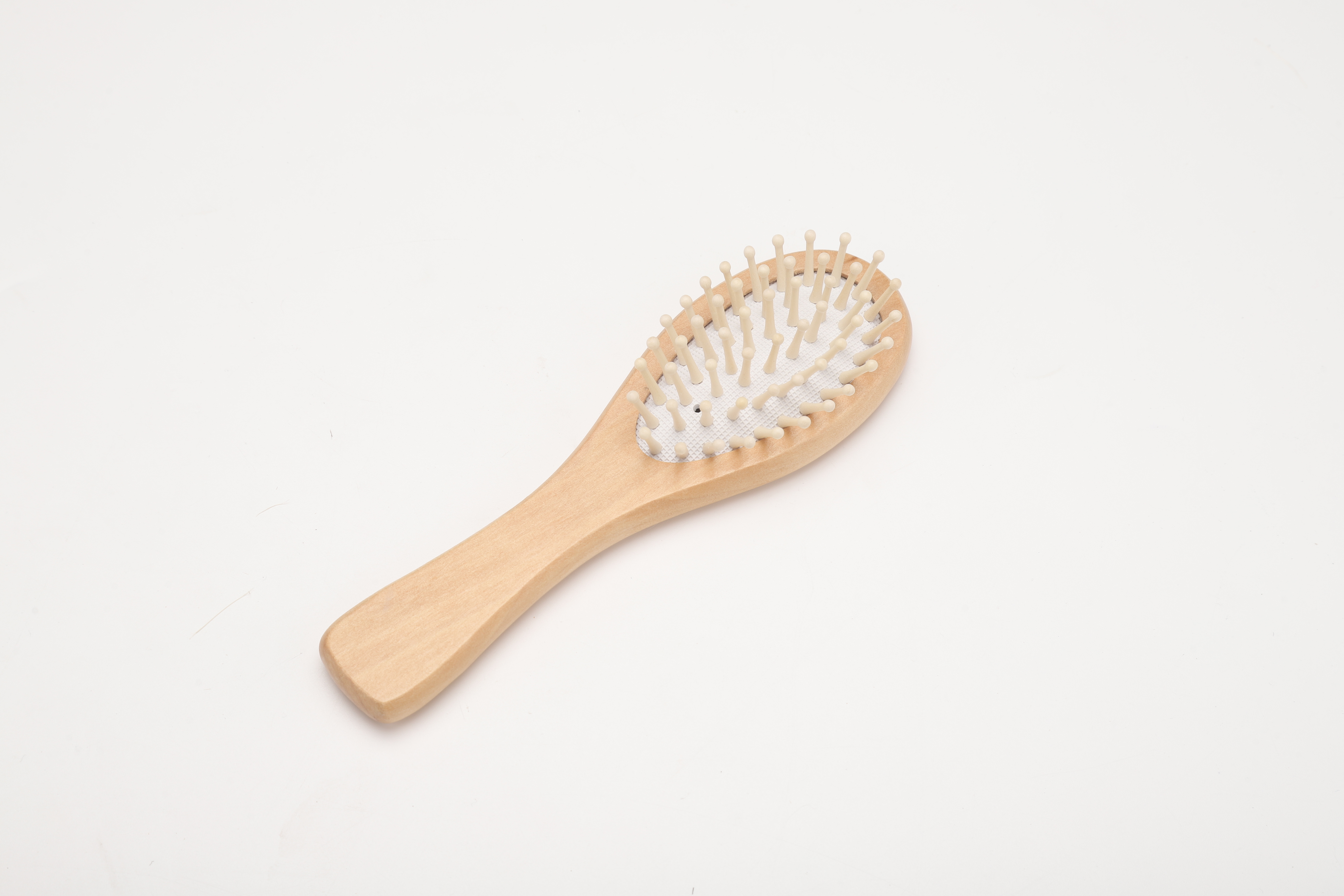
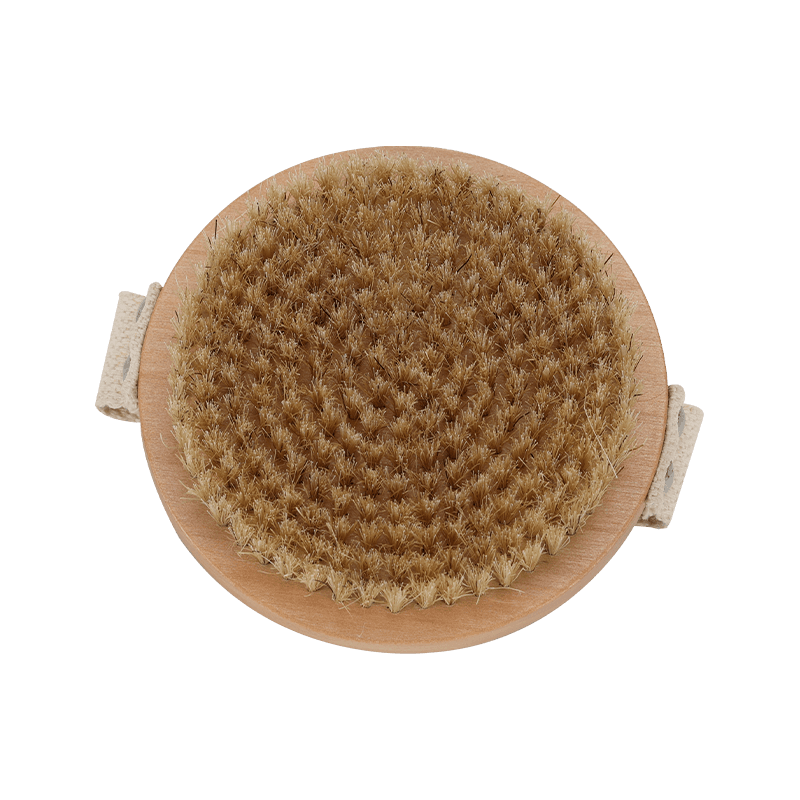 Round Handheld Wooden Exfoliating Brush with Natural BristlesCompact and palm-sized with a non-slip strap, this brush offers medium-soft bristles for deep scrubbing. Its design fits the toward-the-heart technique for lighter legs and a morning routine.View Product →
Morning is the easiest time to build the habit because the stimulation fits the start of the day. If you feel tired at night, a slow-paced brushing session can still work as a winding-down step. For a deeper look at how the practice affects circulation and lymph, read our guide to how dry brushing supports skin circulation and lymph.
Dry Brushing Versus Wet Scrubbing
Both methods remove dead cells, but they are not interchangeable. Wet scrubbing with a loofah or washcloth happens on soapy, slippery skin where friction is low. Dry brushing happens on dry skin, so the bristles grip and lift more effectively. That is why most people find dry brushing produces smoother results in less time.
There is also a practical difference in care. A dry brush, allowed to fully dry after each use, does not create the damp pocket where bacteria thrive the way a wet loofah does. Manufacturers of wooden bath brushes consistently say that moisture is the only thing that shortens the tool's life, so keep the brush outside the shower stream.
Rule of thumb: dry brush first, rinse in the shower, then apply body oil or lotion while the skin is still damp. That sequence locks in the hydration that fresh exfoliation exposes.
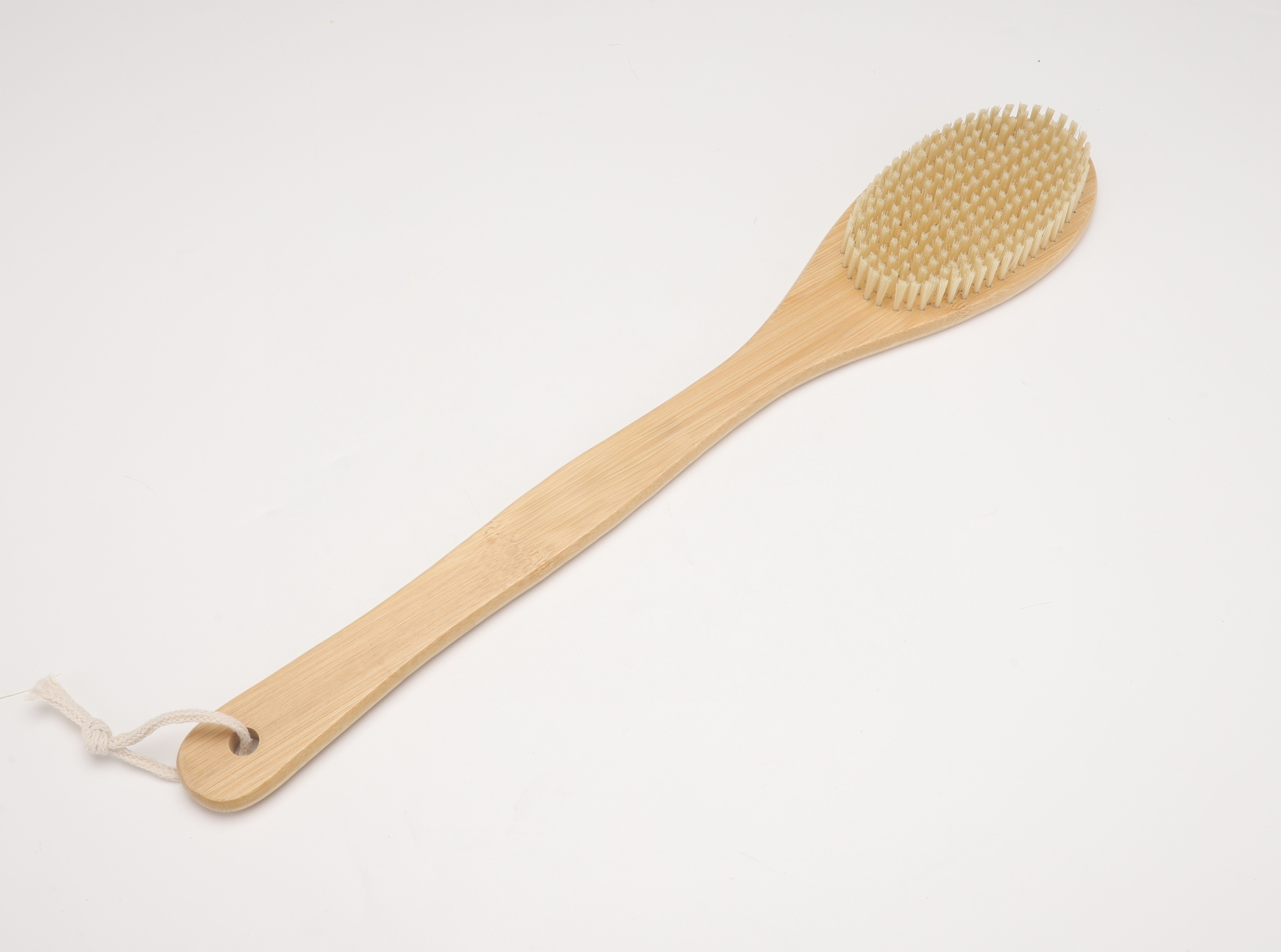 Long-Handled Wooden Bath Brush for Wet or Dry UseMade of bamboo with PP bristles, this brush reaches shoulders, back, and feet easily. It supports the dry-brush-then-moisturize sequence while being gentle enough for sensitive or reactive skin.View Product →
Who Should Be Cautious with Dry Brushing
Dry brushing is safe for most healthy adults, but it is not for everyone. If you have eczema, psoriasis, or visibly reactive skin, treat it as a test rather than a routine. Try one or two light strokes on the inside of your forearm, wait two hours, and only continue if there is no reaction. Use a soft bristle brush and limit yourself to one or two sessions per week.
- Varicose veins: avoid brushing directly over the veins.
- Recent surgery or lymph node removal: skip brushing on the affected side unless your doctor approves it.
- Open wounds, sunburn, or an active rash: wait until the skin has healed.
- Skin that bruises easily: use very light pressure and shorten each session.
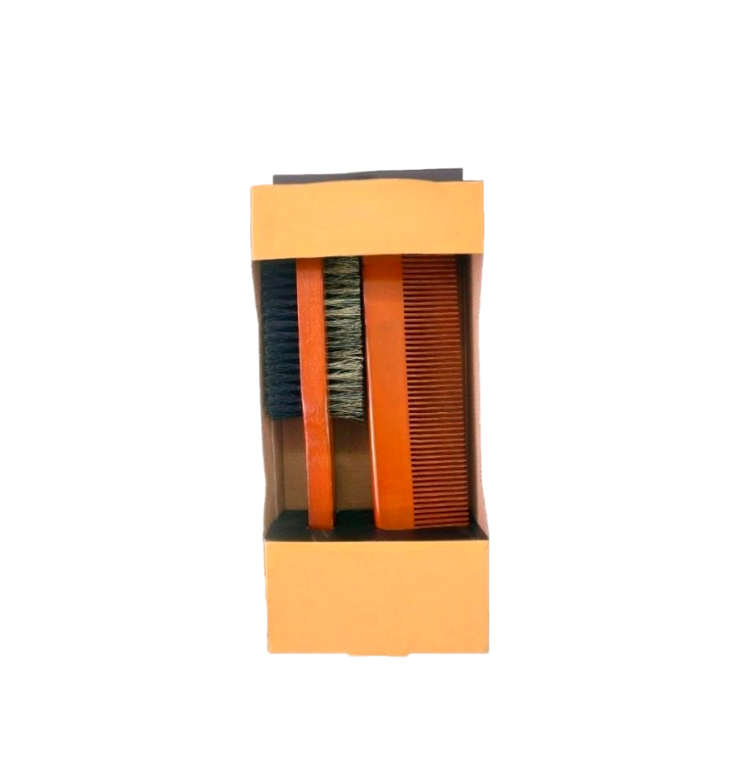
Never brush wet. Wooden bases absorb water, swell, and develop tiny cracks where mold can grow; wet bristles become limp and lose their exfoliating edge. If you prefer a handle long enough for the whole back while keeping the bristles gentle enough for daily use, the long-handle natural wooden dry-wet body brush is the design people ask for most.
Frequently Asked Questions About Dry Brushing
How often should you dry brush?
Three to four times per week works for most people. Sensitive skin does better with one or two sessions, while resilient skin can handle daily brushing if no redness appears. Consistency matters more than frequency.
Does dry brushing help with cellulite?
No lasting effect. Cellulite is a structural issue below the skin. Dry brushing can make dimples look slightly less visible for a few hours by plumping the surface, but it does not change the tissue underneath.
Can dry brushing support lymphatic drainage?
In a mechanical sense, yes. The lymph system depends on external pressure to move fluid, and strokes toward the heart encourage that flow. Cleveland Clinic lists improved circulation and lymphatic drainage among the plausible benefits of dry brushing.
Is dry brushing safe for sensitive skin?
It can be, when you use a soft natural bristle brush, light pressure, and one or two sessions per week. Always patch test on the forearm first and stop if you see lasting redness or irritation.
Should you dry brush before or after a shower?
Before. Dry brushing lifts dead cells, and the shower rinses them away. After you dry off, apply moisturizer to damp skin to seal in hydration.
How do you clean and maintain a dry brush?
Remove trapped hairs after each session, wash the bristles weekly with mild soap and warm water, and dry the brush bristle-side down in a ventilated spot. Never soak the wooden base.
.png "mini bamboo nail brush")
.jpg "long handle loofa bath brush")
.jpg "long handle loofa bath brush")


