

 En
En
 English
 Français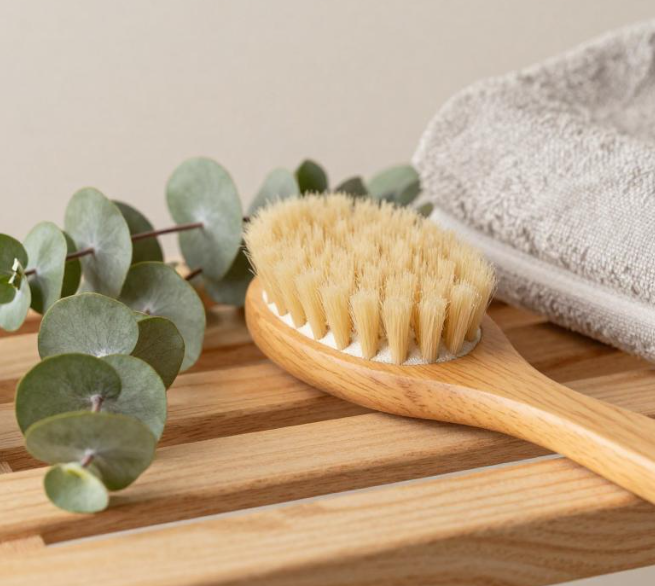
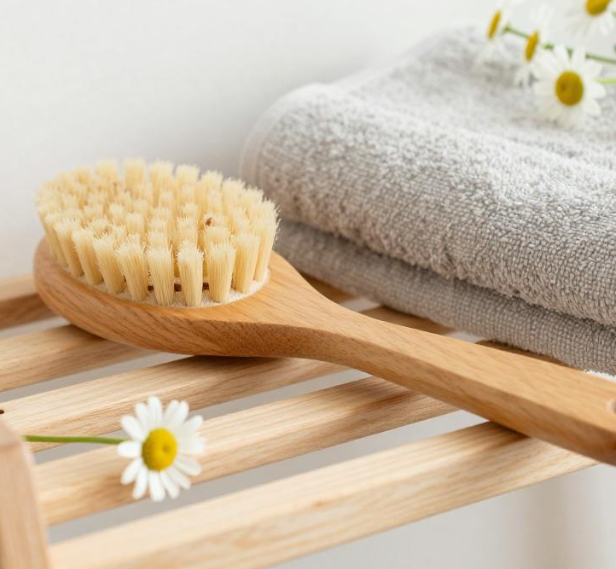
For most people, using a handheld bath brush 2–3 times per week strikes the ideal balance between effective exfoliation and skin health. Daily use can over-strip the skin's natural oils, while using it less than once a week may not provide enough benefit to maintain smooth, clean skin. Your skin type, brush bristle material, and whether you practice dry or wet brushing all influence the right frequency for you.
The exfoliating bath brush is one of the most underutilized tools in personal care — yet when used correctly and at the right intervals, it delivers measurable improvements in skin texture, circulation, and cleansing depth. This guide provides evidence-backed recommendations tailored to different skin types, brushing methods, and lifestyle factors so you can build a routine that genuinely works.
Whether you use a natural bristle bath brush, a silicone bath brush, or a bamboo-handled body scrub brush, frequency matters more than most people realize. Over-exfoliating is a real risk — dermatological data suggests that nearly 40% of users who experience skin irritation from body brushing are brushing too frequently, not using the wrong product.
Content
- 1 The Direct Answer: How Often Should You Use a Bath Brush by Skin Type
- 2 Dry Brushing vs. Wet Brushing: Frequency Rules Are Different
- 3 What Happens to Your Skin When You Over-Brush or Under-Brush
- 4 Natural Bristle vs. Silicone Bath Brush: Which Is Right for Your Frequency
- 5 The 5-Step Technique for Using a Handheld Bath Brush Effectively
- 6 How to Clean and Maintain Your Bath Brush to Extend Its Lifespan
- 7 About Ningbo Kafete Daily Necessities Co., Ltd.
- 8 Frequently Asked Questions
The Direct Answer: How Often Should You Use a Bath Brush by Skin Type
Skin type is the primary variable in determining your ideal brushing schedule. What works perfectly for oily, resilient skin can cause redness and sensitivity in someone with dry or reactive skin. The table below provides a practical starting framework based on dermatological guidelines and common user experience patterns.
| Skin Type | Recommended Frequency | Best Brush Type | Key Caution |
|---|---|---|---|
| Normal | 3x per week | Natural bristle or silicone | Use light pressure on chest and neck |
| Oily / Acne-Prone | 3–4x per week | Silicone bath brush | Avoid active breakout areas |
| Dry | 1–2x per week | Soft natural bristle | Moisturize immediately after |
| Sensitive | 1x per week (wet only) | Soft silicone | Skip dry brushing entirely |
| Mature / Thin Skin | 1x per week | Extra-soft natural bristle | Avoid fragile areas entirely |
| Combination | 2x per week | Medium natural bristle | Focus on oily zones, be gentle elsewhere |
Figure 1 — Recommended Weekly Brushing Sessions by Skin Type
This chart makes clear that oily and acne-prone skin types can tolerate — and benefit from — the most frequent brushing, up to 4 sessions per week, because regular exfoliation helps clear sebum buildup from pores. Sensitive and mature skin sit at the other end of the spectrum, where even once per week requires careful technique and softer bristle choices. Starting at the lower end of any range and increasing frequency only when your skin shows no signs of irritation is always the safer approach when introducing a new body exfoliating brush into your routine.
Dry Brushing vs. Wet Brushing: Frequency Rules Are Different
One of the most common mistakes people make is applying the same frequency rules to both dry and wet brushing. These are fundamentally different techniques with different intensity levels, and they interact with your skin barrier in distinct ways. A dry brushing brush used on unwetted skin delivers significantly more friction than the same brush used in the shower with soap or body wash.
Dry Brushing — More Stimulating, Less Frequent
Dry brushing is typically practiced before a shower on dry, unwetted skin. The technique focuses on stimulating lymphatic circulation, removing surface dead skin cells, and energizing the body before bathing. Because the friction is higher on dry skin, the exfoliation impact per session is significantly greater. For this reason, dry brushing should generally not exceed 3 sessions per week for normal skin and 1–2 sessions for dry or sensitive skin.
The correct dry brushing technique involves long, sweeping strokes toward the heart, starting at the feet and working upward. Circular motions are reserved for the stomach and joints. Sessions should last no longer than 3–5 minutes total — longer sessions on dry skin quickly accumulate enough friction to damage the skin barrier, especially over thin-skinned areas like the inner arms and décolletage.
Wet Brushing — Gentler, More Versatile
Wet brushing with a shower body brush or body scrub brush in the shower, combined with a liquid cleanser, offers a milder exfoliation experience. Water softens both the bristles and the skin surface, reducing friction and making the technique accessible to a wider range of skin types. Most people with normal to oily skin can wet brush 3–4 times per week without issue, while dry and sensitive skin types should keep to 1–2 sessions.
Silicone bath brushes excel in the shower environment because silicone is naturally antimicrobial, dries quickly, and won't harbor bacteria or mold the way natural fiber brushes can if not properly dried. For wet brushing specifically, a silicone bath brush with flexible nubs generates rich lather while delivering a comfortable massaging sensation across the body.
Figure 2 — Dry Brushing vs. Wet Brushing: Key Attribute Comparison (Score 1–10)
This comparison chart shows that dry brushing and wet brushing serve complementary rather than competing roles in a body care routine. Dry brushing scores higher on exfoliation power and lymphatic circulation stimulation, while wet brushing leads on skin gentleness, cleansing effectiveness, and suitability for sensitive skin. The data supports using both methods at alternating sessions rather than committing entirely to one — for example, dry brushing twice a week before showering, and wet brushing with a body scrub brush during other shower sessions to achieve thorough cleansing without over-exfoliating.
What Happens to Your Skin When You Over-Brush or Under-Brush
Understanding the consequences of incorrect frequency helps motivate the right habits. Both extremes — brushing too often and brushing too rarely — carry real costs for skin health, hygiene, and comfort. Finding the middle ground is not just about preference; it has biological reasoning behind it.
Signs You Are Using Your Bath Brush Too Often
- Persistent redness or skin feeling hot to the touch after brushing
- Tightness or dryness that persists for hours even after applying moisturizer
- Increased skin sensitivity to other products such as body wash or lotion
- Small scratches or micro-abrasions visible on skin surface after brushing
- Breakouts in areas that were clear before brushing (disrupted skin barrier)
Signs You Are Not Brushing Frequently Enough
- Rough or bumpy skin texture on upper arms, thighs, or back — common indicators of keratosis pilaris
- Dull, ashy-looking skin that does not respond well to body moisturizers
- Persistent back acne or body breakouts caused by clogged pores and dead skin buildup
- Ingrown hairs on legs, underarms, or bikini area that recur despite shaving
Research on skin cell turnover provides context for why frequency matters: the human epidermis completes a full renewal cycle approximately every 28–40 days. Exfoliation accelerates the removal of dead cells at the skin surface, but the body needs time to replenish the protective layer between sessions. Brushing every other day — rather than daily — gives the skin barrier approximately 48 hours to restore its integrity.
Natural Bristle vs. Silicone Bath Brush: Which Is Right for Your Frequency
The material of your body exfoliating brush directly influences how aggressively it exfoliates — and therefore how often you can safely use it. Natural bristle and silicone represent the two dominant categories in the market, and each suits a different user profile and usage pattern.
Natural bristle bath brushes — particularly those made with boar hair, sisal, or plant fiber — offer firm, dense bristle structures that deliver deep exfoliation with relatively light pressure. A quality eco friendly bath brush with a solid bamboo or wood handle provides excellent grip and ergonomics for reaching the back and other difficult areas. However, natural bristles require more careful hygiene management: they must be thoroughly rinsed and allowed to air-dry bristle-side down after every use to prevent mold and bacterial growth.
Silicone bath brushes are gentler per stroke, making them well-suited for daily or near-daily use on normal to oily skin. They are non-porous, do not harbor bacteria, and are dishwasher-safe — making them the lower-maintenance option for people who prefer more frequent brushing sessions without the hygiene overhead of natural fiber care.
Figure 3 — Natural Bristle vs. Silicone Bath Brush Performance Radar
The radar chart reveals that natural bristle and silicone bath brushes are highly complementary rather than directly competitive products. Natural bristle leads on exfoliation depth and eco-friendliness — important factors for users who prioritize deep dead skin removal and sustainable materials. Silicone leads decisively on hygiene safety, lather creation, and gentleness, making it the better daily-use option for users with sensitive or reactive skin types. Selecting based on your primary skincare goal, rather than marketing appeal alone, results in a more useful and longer-lasting product choice.
The 5-Step Technique for Using a Handheld Bath Brush Effectively
Even at the correct frequency, poor technique diminishes results and can cause unnecessary skin stress. The following protocol applies to both natural bristle and silicone handheld bath brushes used in the shower, and represents a consistent best-practice approach validated across multiple dermatological guidance sources.
- Wet your skin and brush thoroughly before applying any cleanser. Water softens the skin surface and increases bristle flexibility, reducing the risk of micro-abrasion from the first contact strokes.
- Apply a generous amount of body wash or liquid soap directly to the brush head. A quality body scrub brush with dense bristles will generate significant lather from even a small amount of product, distributing it evenly across the skin with each stroke.
- Begin at your feet and work upward in long, sweeping strokes toward the heart. This direction supports lymphatic drainage and venous return. Use circular motions on the torso, knees, and elbows where skin is thicker and more resilient.
- Use light to moderate pressure only. The bristles do the work — pressing harder does not improve exfoliation effectiveness and significantly increases abrasion risk. If you can see reddening during the session, reduce your pressure immediately.
- Rinse thoroughly and apply a moisturizer within 3 minutes of stepping out of the shower. Freshly exfoliated skin absorbs active ingredients from body lotions and oils more efficiently than non-exfoliated skin — this post-brushing window is the optimal moment for moisturization.
Figure 4 — Skin Hydration Retention: Brushing + Moisturizing vs. Moisturizing Alone (Hours Post-Shower)
This line chart illustrates how skin hydration levels (as a percentage of post-shower peak) compare over 10 hours between skin that was exfoliated with a body exfoliating brush before moisturizing versus skin that received moisturizer alone. The brushed-and-moisturized group retains significantly higher hydration at every time point, with roughly 78% retention at the 10-hour mark compared to approximately 54% for moisturizer-only application. This data reinforces that regular exfoliation is not simply about removing dead cells — it meaningfully enhances the skin's ability to absorb and retain the active ingredients in any moisturizer applied afterward.
How to Clean and Maintain Your Bath Brush to Extend Its Lifespan
Proper maintenance has a direct impact on how long your bath brush remains effective and hygienic. A neglected brush accumulates soap residue, dead skin cells, and moisture inside the bristle base — creating conditions for mold and bacterial growth that can actually transfer contaminants back to your skin during use. Studies on personal care tool hygiene suggest that roughly 70% of users do not clean their bath brush often enough, with many going weeks or months between proper cleanses.
After Every Use
- Rinse the brush thoroughly under running water to remove all soap and skin debris from between the bristles.
- Shake out excess water and hang the brush bristle-side down or on its handle hook in a well-ventilated area.
- Never store a damp brush in an enclosed cabinet immediately after use — this is the primary cause of mildew development in natural bristle brushes.
Weekly Deep Clean
- Soak the bristle head (not the wooden handle) in a solution of warm water and a few drops of tea tree oil or diluted white vinegar for 10–15 minutes.
- Gently work through the bristles with your fingers to release any trapped debris, then rinse thoroughly.
- Silicone bath brushes can be placed in the top rack of a dishwasher for the weekly clean — a significant maintenance advantage over natural fiber alternatives.
Bamboo and solid wood-handled bath brushes require specific care to prevent the handle from cracking or splitting. The handle should never be submerged during cleaning — only the bristle head should contact water during deep cleans. Occasional treatment of the wood with a small amount of natural oil (such as jojoba or linseed) keeps the grain sealed and prevents moisture-related deterioration over time.
Figure 5 — Estimated Bath Brush Lifespan by Material and Maintenance Level (Months)
This chart powerfully illustrates how maintenance routine — not just material quality — determines how long your bath brush remains functional. A natural bristle bath brush with poor hygiene habits lasts on average just 6 months before bristles become compacted, discolored, or contaminated; the same brush cared for consistently can last up to 18 months. Silicone bath brushes show the greatest benefit from good maintenance, reaching up to 28 months of effective use when properly cleaned and stored — nearly five times the lifespan of a neglected natural bristle alternative. Bamboo-handled bath brushes with consistent oiling and proper drying average 24 months, making them an excellent long-term value in the eco friendly bath brush category.
About Ningbo Kafete Daily Necessities Co., Ltd.
Ningbo Kafete Daily Necessities Co., Ltd. was established in 2017 and is headquartered in Cixi, Zhejiang, China. As a professional bamboo handheld bath brush manufacturer and wood handheld bath brush factory, the company specializes in the research, development, production, and export of bath brushes, body brushes, massagers, and a full range of bath and personal care accessories.
Kafete's product range features solid wood and bamboo handles valued for their compact, palm-fitting design, slip-resistant grip, and dual wet-and-dry compatibility. The bristle constructions are engineered to generate rich foam with liquid cleansers while delivering the deep-cleaning and skin-massaging performance that consumers in premium personal care markets demand. Products are exported to over 40 countries, with primary markets in the United States, Europe, and Japan.
The company's commitment to high-quality, cost-effective product development has established it as a trusted manufacturing partner for importers and brand owners seeking reliable handheld bath brush supply with consistent quality control from a specialized factory origin.
Frequently Asked Questions
Q1. How do you use a handheld bath brush correctly?
Wet both your skin and the brush before use. Apply body wash to the bristle head, then brush in long upward strokes starting from the feet. Use light to moderate pressure and spend no more than 5–8 minutes per session. Finish by rinsing thoroughly and applying a body moisturizer within 3 minutes to lock in hydration on freshly exfoliated skin.
Q2. Is a bath brush good for your skin?
Yes, when used at the right frequency and with appropriate technique. Regular use of a body exfoliating brush removes dead skin cells, unclogs pores, improves circulation, and enhances moisturizer absorption. The key is matching frequency to your skin type — over-brushing strips the skin barrier and causes irritation, while consistent correct-frequency brushing produces noticeably smoother, more even-toned skin within 2–4 weeks.
Q3. Can a bath brush remove dead skin?
Yes — this is one of its primary functions. The bristles of an exfoliating bath brush create mechanical friction that lifts and removes the outermost layer of dead epidermal cells (stratum corneum). Natural bristle brushes are particularly effective at this, while silicone bristles offer a gentler version of the same effect. Most users notice a visible improvement in skin smoothness within the first 3–4 sessions of regular use.
Q4. What is the difference between dry brushing and wet brushing?
Dry brushing is done on unwetted skin before showering, typically using a dry brushing brush with firm bristles. It delivers stronger exfoliation and is said to stimulate lymphatic circulation. Wet brushing happens in the shower with water and cleanser, creating lather and providing a gentler exfoliation suitable for more frequent use. Dry brushing suits resilient skin types used 2–3 times per week; wet brushing is appropriate for most skin types up to 4 times per week.
Q5. Are bath brushes safe for sensitive skin?
A soft silicone bath brush used in wet brushing mode is generally safe for sensitive skin at a frequency of once per week. Dry brushing and natural bristle brushes are not recommended for sensitive skin types as the friction level is too high. Always perform a patch test on a small area of skin when trying a new brush, and stop use immediately if redness or irritation persists beyond 30 minutes post-session.
Q6. How do you clean a bath brush?
After every use, rinse the brush thoroughly under running water and hang it bristle-side down to dry. Once a week, soak the bristle head in warm water with diluted white vinegar or tea tree oil for 10–15 minutes, then rinse and air-dry. For bamboo or wood-handled brushes, avoid submerging the handle. Silicone bath brushes can be placed in the dishwasher for the weekly deep clean.
Q7. Should you choose natural bristles or silicone?
Choose a natural bristle bath brush if deep exfoliation, eco-friendliness, and the classic brushing sensation are priorities — these suit normal to oily skin used 2–3 times per week. Choose a silicone bath brush if you prioritize hygiene, low maintenance, and skin gentleness — ideal for sensitive skin, daily use, or humid bathroom environments where drying time is limited. Both types work well for back scrubbing when designed with a handheld ergonomic handle.
Q8. How long does a bath brush last?
With proper maintenance, a quality silicone bath brush can last 24–28 months, while a well-cared-for natural bristle brush lasts 12–18 months. Bamboo-handled bath brushes maintained with occasional oiling and proper drying average around 24 months. Signs that your brush needs replacing include flattened or misshapen bristles, persistent odor despite cleaning, visible mold on the base, or bristles that feel rough and scratchy rather than flexible.

.png "mini bamboo nail brush")
.jpg "long handle loofa bath brush")
.jpg "long handle loofa bath brush")


