

 En
En
 English
 Français
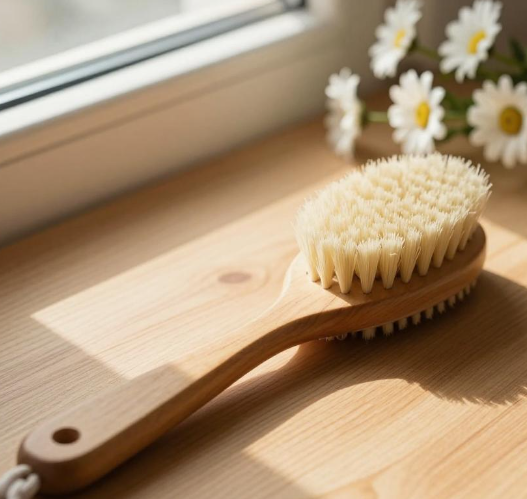
Short answer: yes, you can use a body brush in the shower, and plenty of people do exactly that every morning. But the moment the bristles get wet, you have left the territory of traditional dry brushing. That distinction is not a technicality — it changes how the brush feels, how your skin reacts, and how long the brush lasts.
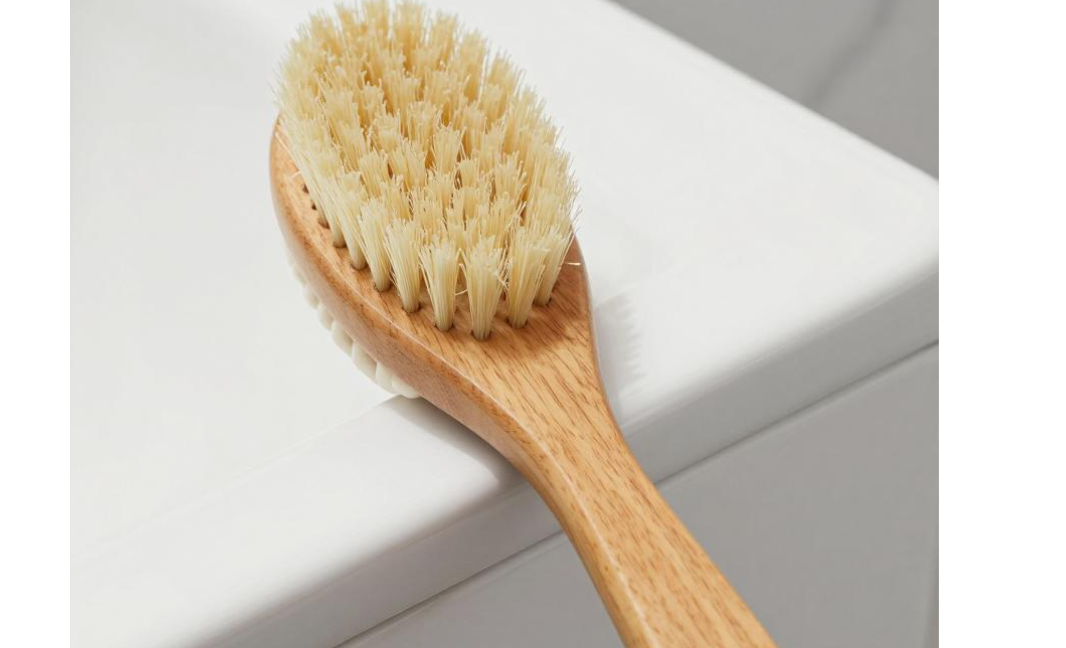
Traditional dry brushing means a firm, completely dry brush moving over completely dry skin, usually five to ten minutes before a shower. In-shower brushing means wet bristles gliding over wet, soapy skin. Both routines are perfectly valid. They simply deliver different results, and understanding that difference is the key to getting the most from either method.
Content
- 1 What Changes When You Take a Brush into the Shower
- 2 Why Some People Brush in the Shower and Others Stay Dry
- 3 How to Brush in the Shower Without Irritating Your Skin
- 4 Choosing a Brush That Survives a Damp Bathroom
- 5 Six Mistakes That Turn Shower Brushing into Skin Damage
- 6 Frequently Asked Questions About Dry Brushing and Shower Brushing
- 6.1 Q1. Can You Use a Dry Brush in the Shower?
- 6.2 Q2. Is It Better to Dry Brush Before or After a Shower?
- 6.3 Q3. How Often Should You Dry Brush?
- 6.4 Q4. Does Dry Brushing Help with Cellulite or Lymphatic Drainage?
- 6.5 Q5. How Do You Clean a Body Brush Used in the Shower?
- 6.6 Q6. Which Brush Is Best for Sensitive Skin?
What Changes When You Take a Brush into the Shower
Two things change the moment water meets your brush: your skin and the brush itself.
Water Changes Your Skin
Warm water softens the outermost layer of skin — the stratum corneum — as it absorbs moisture and swells. This makes wet skin noticeably more fragile and more reactive to friction. A brush that feels bracing on dry skin can quickly turn into an irritant on wet skin. The practical takeaway is simple: in the shower, use a softer brush and lighter pressure than you would for dry brushing.
Skin also renews itself on its own timeline. Dermatology reference guides commonly describe a renewal cycle of about 28 days for skin in your twenties, slowing to roughly 45 to 60 days by your fifties and sixties. That is why a routine that works at twenty may feel too aggressive at fifty — and why gentler in-shower brushing becomes more attractive as skin ages.
Average skin cell turnover slows with age
Water Changes the Brush
Natural bristles such as boar, horsehair, or tampico absorb water and soften. Softer bristles are actually a plus on wet skin, but repeated wet-dry cycles shorten their working life and put stress on the wooden base. Unless the handle has a sealed, water-resistant finish, a shower brush can warp, crack, or develop mildew within weeks.
| Aspect | Dry Brushing (Before Shower) | In-Shower Brushing |
|---|---|---|
| Skin state | Dry | Wet and soapy |
| Friction level | High | Reduced by water and lather |
| Typical brush | Firm natural bristles | Softer bristles, synthetic, or silicone |
| Exfoliation depth | Deeper, more noticeable | Gentler, more gradual |
| Best suited for | Tougher skin, rough patches | Sensitive skin, daily routine |
| Brush longevity | Longer | Shorter without proper care |
Why Some People Brush in the Shower and Others Stay Dry
Shower Brushing Suits Sensitive Skin
Water and body wash act as a buffer between bristle and skin. The brush slides rather than scrapes, which is why people with dry, easily irritated, or eczema-prone skin usually tolerate in-shower brushing better. Goat-hair and horsehair bristles soften particularly well in water, making them a favorite choice for this routine.
Dry Brushing Delivers a Deeper, Faster Exfoliation
On dry skin there is no slip, so friction lifts dead cells more aggressively. Dry brushing remains the go-to method for rough elbows, heels, and keratosis pilaris bumps. It also produces the classic wake-up tingle that shower brushing rarely matches. One honest note: popular claims that dry brushing drains lymph nodes or detoxifies the body are not supported by strong medical evidence. Dermatologists credit the visible results mainly to mechanical exfoliation and a temporary boost in surface circulation.
You Can Combine Both in One Weekly Routine
A very practical pattern is dry brushing two or three mornings per week and switching to a softer in-shower brush on the remaining days. This gives you the deeper exfoliation of dry brushing while keeping sensitive areas calm.
In-shower vs dry brushing: five daily-life factors
How to Brush in the Shower Without Irritating Your Skin
Where you brush matters less than how you brush. Follow this routine for consistent results without redness:
- Stand in warm water for a few minutes so the skin softens before brushing.
- Apply body wash to the brush or your skin — soap creates the glide that protects wet skin.
- Brush from the feet upward, using long, sweeping strokes on the legs and arms.
- Use small circular motions on the stomach, hips, and shoulders.
- Keep pressure light: the brush should move easily, never drag or scratch.
- Limit the whole session to two or three minutes.
- Rinse the brush, shake off excess water, and hang it bristle-down to dry.
Pressure and Direction
Strokes toward the heart follow the natural direction of venous and lymphatic flow, which is the standard recommendation in body-care practice. On the abdomen, clockwise circles follow the line of the colon. If the skin turns bright red or stings beyond the moment of brushing, you are pressing too hard.
How Often Is Too Often?
For most adults, two or three sessions per week are enough to keep skin smooth. Sensitive skin should start at one session per week and build up slowly. Thicker, tougher skin on areas like the back and feet may tolerate four or five sessions, but the face, chest, and inner thighs need a much lighter hand.
Weekly brushing sessions by skin type
Choosing a Brush That Survives a Damp Bathroom
Not every body brush is built for the shower. Three factors decide whether a brush will last six months or six weeks: the handle material, the bristle material, and how well the brush drains after use.
Bamboo and beechwood handles look beautiful but only survive the bathroom if they are sealed with a water-resistant lacquer or oil finish. Unsealed wood absorbs water, cracks, and eventually becomes a breeding ground for mildew. Among bristles, boar and horsehair soften in water and suit sensitive skin; tampico stays firmer for a stronger scrub; synthetic fibers dry fastest; and silicone is the most hygienic option for a constantly damp space.
Anatomy of a shower-friendly bamboo back brush
The illustration above shows the anatomy of a typical shower-friendly bamboo back brush: a sealed handle, a natural bristle block, a curved head, and a hanging strap. The hanging strap is not a cosmetic detail — a brush that hangs in moving air dries noticeably faster than one left on a shelf or tub edge, and a drier brush simply lasts longer.
Moisture tolerance of common brush materials
Brush Care Checklist
- Rinse the brush thoroughly after every use to remove soap and loosened skin cells.
- Shake out as much water as you can before hanging it up.
- Keep it bristle-down in a well-ventilated spot, never on a wet surface.
- Deep-clean once a week with mild soap or diluted white vinegar, then rinse well.
- Watch for shed bristles, a musty smell, or dark spots — all signs it is time to replace the brush.
- Plan to replace your body brush every six to twelve months, depending on use.
Six Mistakes That Turn Shower Brushing into Skin Damage
- Using a firm dry-brush brush on wet skin. Wet skin combined with firm bristles is the fastest route to micro-tears and irritation.
- Brushing too hard. Light pressure is safer and just as effective over time — you can always build up.
- Brushing over broken skin, sunburn, rashes, or active eczema. Let irritated areas heal completely before resuming.
- Storing the brush wet in a corner of the shower. Mildew can form within days on damp natural bristles.
- Sharing your body brush. Bacteria and fungi transfer easily from one person to another on shared bristles.
- Expecting cellulite or detox miracles. Regular brushing smooths skin and feels wonderful, but realistic expectations keep the routine healthy.
Frequently Asked Questions About Dry Brushing and Shower Brushing
Q1. Can You Use a Dry Brush in the Shower?
Yes, but the brush will absorb water and soften, turning the practice into wet brushing. If you want the traditional dry-brush effect, keep both your skin and the brush dry and brush before stepping into the shower.
Q2. Is It Better to Dry Brush Before or After a Shower?
Dry brushing works best before a shower. It loosens dead skin cells, and the shower rinses them away. Afterward, pat your skin dry and apply moisturizer or body oil while the skin is still slightly damp.
Q3. How Often Should You Dry Brush?
Two to three times per week works well for most people. Sensitive skin should start with once a week and increase only if no redness or irritation appears.
Q4. Does Dry Brushing Help with Cellulite or Lymphatic Drainage?
It can temporarily improve skin smoothness and surface circulation, but there is no strong evidence that it removes cellulite or detoxifies the body. Think of it as a body-care ritual rather than a medical treatment.
Q5. How Do You Clean a Body Brush Used in the Shower?
Rinse it after every use, wash it weekly with mild soap or diluted vinegar, shake out excess water, and hang it bristle-down somewhere ventilated. Replace it every six to twelve months.
Q6. Which Brush Is Best for Sensitive Skin?
Goat-hair or horsehair bristles, or a silicone brush, are the gentlest options. Use light pressure, start at once per week, and always moisturize after brushing.

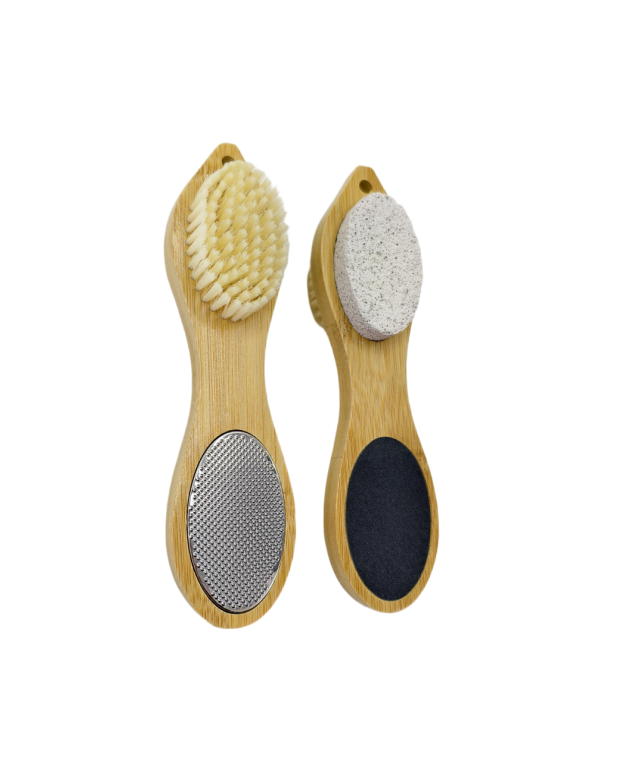

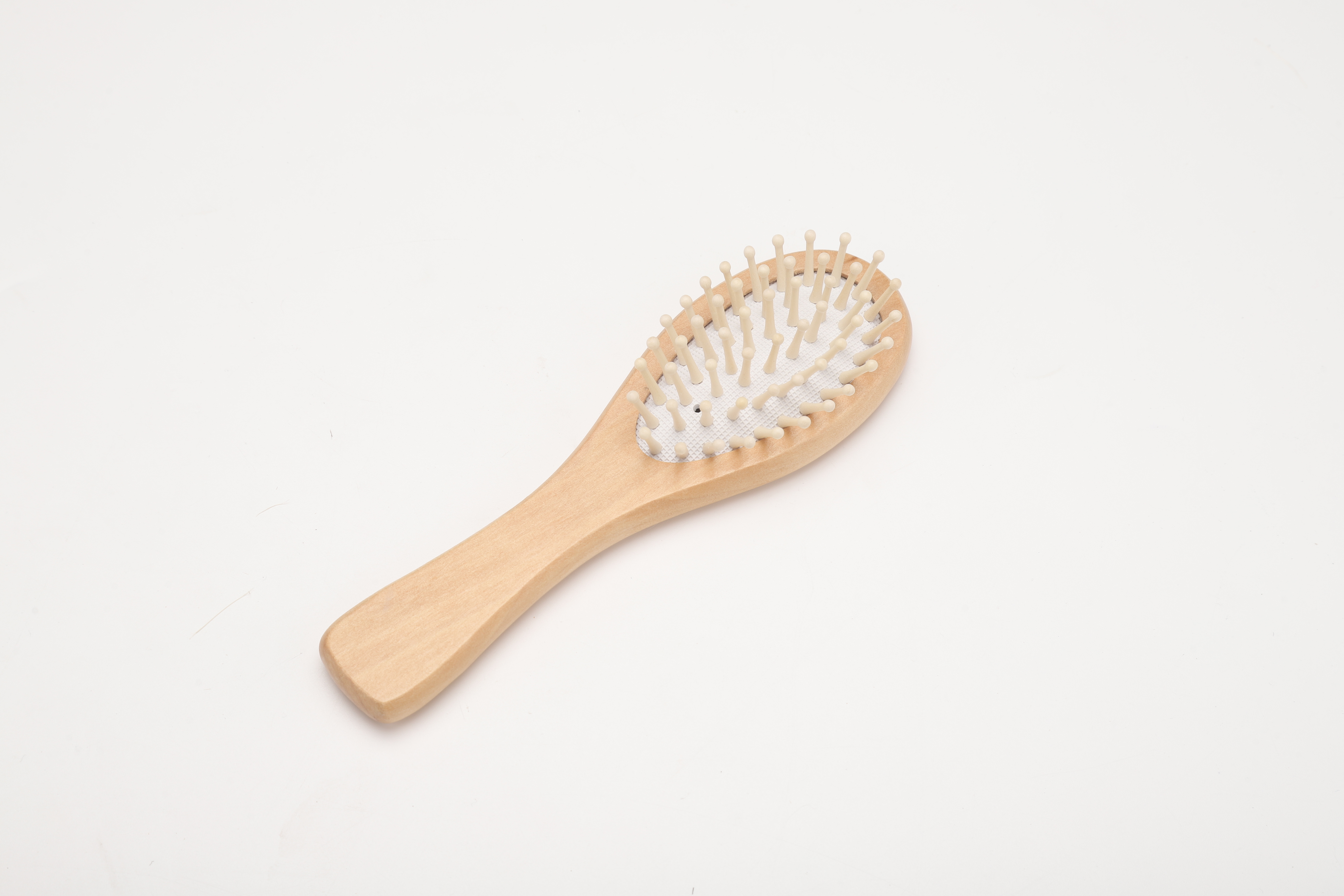
.png "mini bamboo nail brush")
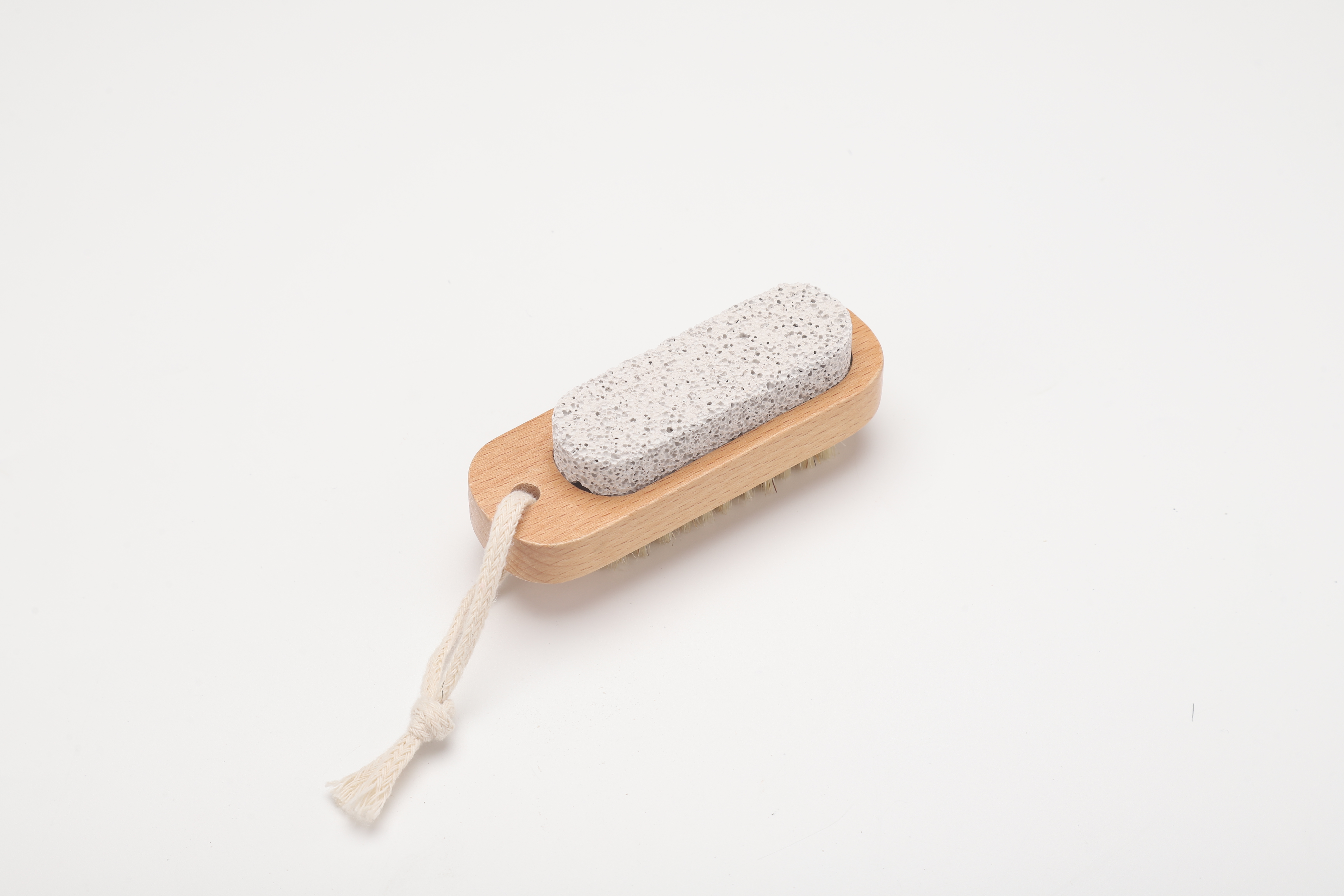
.jpg "long handle loofa bath brush")
.jpg "long handle loofa bath brush")


