

 En
En
 English
 Français
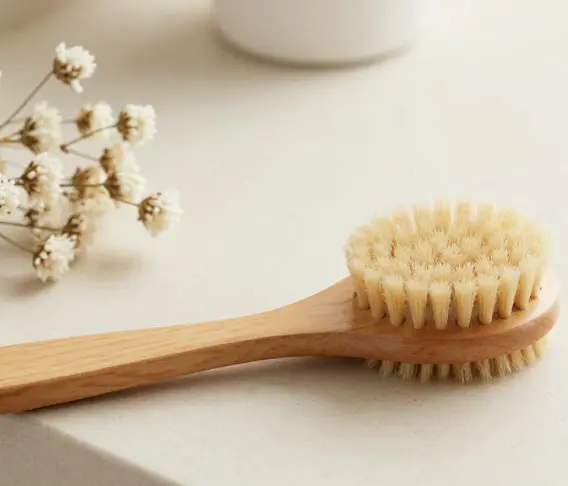
You finish a dry brushing session, shake the brush twice, and put it back on the shelf. That is where most dry brushes start to fail. The bristles keep a thin film of sebum, dead skin and bathroom dust, and because a dry brush is rarely rinsed, that film stays there for weeks.
The short version: wash a dry brush properly every one to two weeks, keep water on the bristles and off the wood, use lukewarm water with a drop of mild soap, and dry the brush bristles-down for at least twelve hours. The routine takes about eight minutes. The sections below explain the timing, how bristle material changes the method, and the mistakes that crack bamboo handles or leave a natural bristle brush smelling sour.
Content
- 1 How Often Should You Clean a Dry Brush?
- 2 The Eight-Minute Deep Clean, Step by Step
- 3 Why the Bristle Material Changes the Method
- 4 Bamboo and Wood Handles: Where Dry Brushes Actually Fail
- 5 Signs It Is Time to Replace, Not Clean
- 6 What to Look For When You Buy Dry Brushes in Bulk
- 7 Frequently Asked Questions About Cleaning a Dry Brush
How Often Should You Clean a Dry Brush?
Frequency follows usage, not the calendar. The more often the bristles touch oily skin, the faster the bristle bed collects residue, and the shorter the interval should be.
| How you use it | Deep clean | Why |
|---|---|---|
| Dry brushing 4 to 7 times a week | Every 7 days | Sebum and flakes build fastest; the bristle bed stays warm and slightly damp from skin contact |
| 2 to 3 times a week | Every 10 to 14 days | Residue accumulates more slowly, but dust still settles between the tufts |
| Once a week or less | Every 3 to 4 weeks | Low contact, but a brush kept in a humid bathroom still needs a periodic wash |
| With body oil, lotion, or inside the shower | After every use | Oil and water carry product deep into the bristle base |
| Shared between two people | After every use | Skin flora transfers directly through the bristles |
Between deep cleans, do the ten-second version: tap the brush against the edge of a bin to shed loose flakes, then run your fingers through the tufts to lift trapped hair. If you also keep a wet body brush in the shower, a step-by-step body brush cleaning guide covers that routine in detail.
The Eight-Minute Deep Clean, Step by Step
This sequence works for a boar bristle body brush, a goat hair facial brush and a plant-fibre brush. The only variable is drying time.
- Comb first. Pull hair, lint and dried skin out of the bristles with a wide-tooth comb or your fingers before water turns them into felt.
- Mix the wash. Fill a bowl with lukewarm water and add two or three drops of mild liquid soap or gentle shampoo. Hot water and strong detergent strip natural oils out of animal bristle and dull a wood finish.
- Dip only the bristles. Hold the brush bristle-down and swirl it in the bowl for 20 to 30 seconds. Water should stop where the bristle bed meets the handle.
- Work it in. Massage the bristle face against your palm in small circles. On a stiff brush, a soft nail brush helps lift residue from between the tufts.
- Rinse bristle-down. Keep the brush pointing down under a thin stream of lukewarm water until the water runs clear.
- Shake and blot. Shake hard three or four times over the sink, then press the bristle face flat against a clean towel. Press, do not rub.
- Dry bristles-down for 12 hours. Rest the brush on the edge of a counter or hang it so air moves through the bristles. Never dry it bristle-up, because water travels down into the base and sits there.
Once a month, a diluted white vinegar rinse (one part vinegar to four parts water) works as a mild disinfectant on natural bristles. Thirty seconds is enough. Rinse thoroughly and dry as described above.
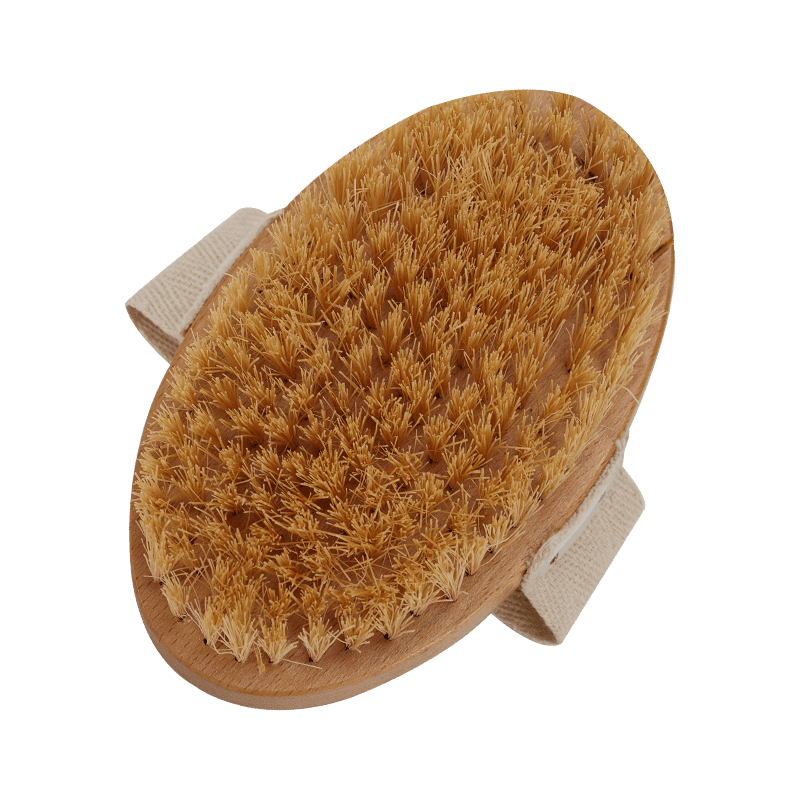 Dry Skin Body Brush Blood Circulation Health Massage ToolImprove Circulation, Stop Ingrown Hairs, Reduce Acne and Cellulite.View Product →
Why the Bristle Material Changes the Method
Bristle fibres differ in how much water they hold. That single property decides how long a brush needs to dry and how likely it is to turn musty.
Boar bristle
Absorbs a little water and swells slightly, so it is the slowest animal bristle to dry. Blot it with a towel and give it a full twelve hours. It also holds oil well, which is why it needs a weekly wash rather than a monthly one.
Goat hair
Fine, soft and used mostly on facial brushes. It dries quickly but tangles easily, so comb it gently while damp and never scrub it against a towel.
Sisal, loofah and hemp
Plant fibres hold the most water of any dry brush material and are the most mildew-prone. Wash them more often and dry them where air moves, not inside a closed cabinet.
Nylon and silicone
Non-porous, so soap and water do not penetrate them. You can rinse these more aggressively, but skip alcohol-based disinfectants, which harden some synthetic filaments.
If you are choosing between materials before you buy, our range of boar bristle dry body brushes pairs a dense natural bristle bed with a bamboo base, which is the combination the chart above describes.
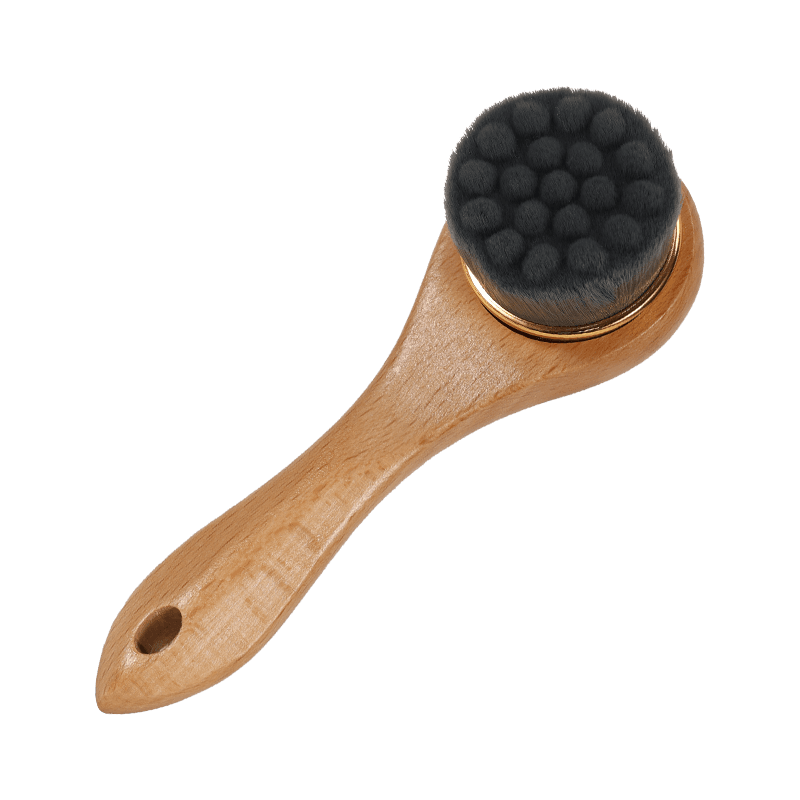 Natural Goat Bristle Bamboo Dry Brush Facial Cleansing BrushSafe for both your face and neck, our boar hair brush promotes firmer, more resilient skin! Each relaxing massage clears the pores of dirt and impurities while also he...View Product →
Bamboo and Wood Handles: Where Dry Brushes Actually Fail
Bristles tolerate water. Wood and bamboo do not. A handle fails at the joint where the bristle bed is set into the base, and the failure is slow: water wicks into the grain, the fibres swell, and hairline cracks open after a few wet-dry cycles.
Four rules keep a wooden brush intact:
- Never soak the brush, and never leave it standing in water.
- Never put a wooden dry brush in a dishwasher, and never pour boiling water over it, because heat opens the grain.
- Dry the handle with a towel straight after washing; do not let water sit in the joint.
- Once a month, wipe the handle with a thin coat of food-grade mineral oil and buff off the excess.
Bamboo is denser than most softwoods and takes up less water, which is why it works so well as a bath brush base, but it is still a natural material and responds to the same treatment. FSC-certified timber is a common sourcing requirement among European buyers, though it does not change how the brush is cleaned.
Signs It Is Time to Replace, Not Clean
Cleaning extends a brush's life; it does not restore one. Replace instead of washing when you see any of the following:
- Bristles splay outward in a ring and no longer reach the skin during a stroke.
- Tufts shed more than a few hairs per use.
- A dark ring or a musty smell returns at the bristle base within days of a wash, which means mould has moved into the fibres.
- Hairline cracks run along the handle or open where the base meets the handle.
- Natural bristles still feel greasy after a full wash and dry.
With a weekly clean and bristles-down drying, a boar bristle brush on a solid wood base typically serves six to twelve months of regular dry brushing. A fine facial brush used daily usually lasts three to six months, because the finer fibres break down faster.
What to Look For When You Buy Dry Brushes in Bulk
Importers rarely lose a sale because a brush was dirty. They lose it because the brush fell apart or turned musty within weeks of the customer's first use. Three specifications matter more than unit price at the sample stage.
- Bristle density and setting depth. A bristle bed set shallowly sheds early, no matter how carefully the user washes it.
- Base material and finish. Sealed bamboo or beech resists water; an unfinished handle absorbs it in the first wash.
- Care instructions in the pack. A one-page card covering the wash, the soak line and the drying position reduces returns more than any claim printed on the box.
Long-handle back brushes follow the same rules with one addition: the head has to drain, so the hanging loop and the angle of the head matter as much as the bristles. That is the difference between a brush that survives a year of weekly washing and one that cracks in a season.
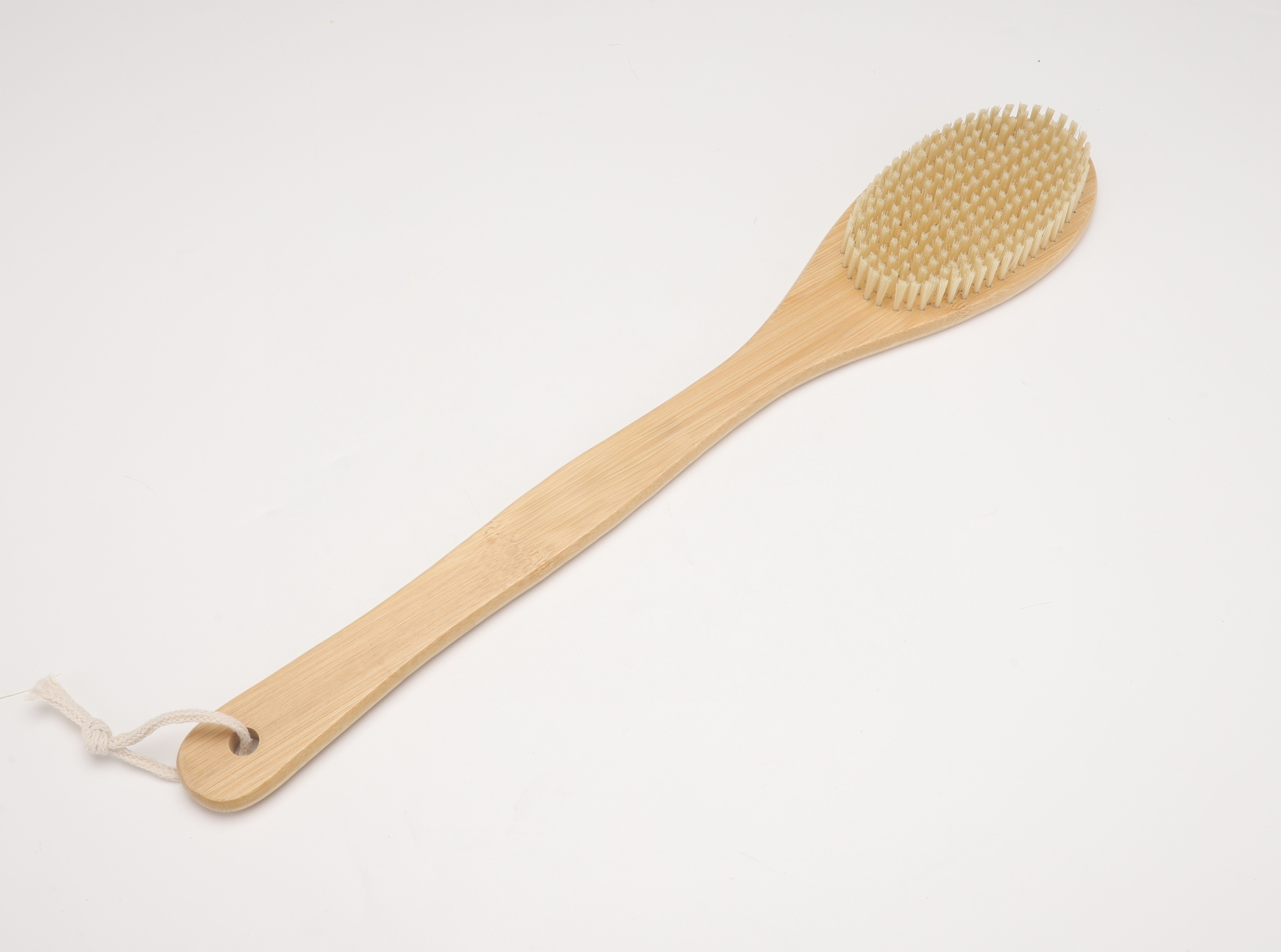 Long Handle Natural Wooden Bath Brush Dry & Wet Body BrushIt is made of bamboo and PP hair. The bath brush can be used on wet or dry skin for those hard-to-reach places, such as shoulders, back, and feet.View Product →
Frequently Asked Questions About Cleaning a Dry Brush
A dry brush is a skin-care tool, not a decoration. Wash it every week or two, keep the water below the soak line, dry it bristles-down, and it will stay soft, odour-free and effective for the better part of a year. Skip those steps and you are brushing old skin cells and bathroom dust back onto your skin.
.png "mini bamboo nail brush")
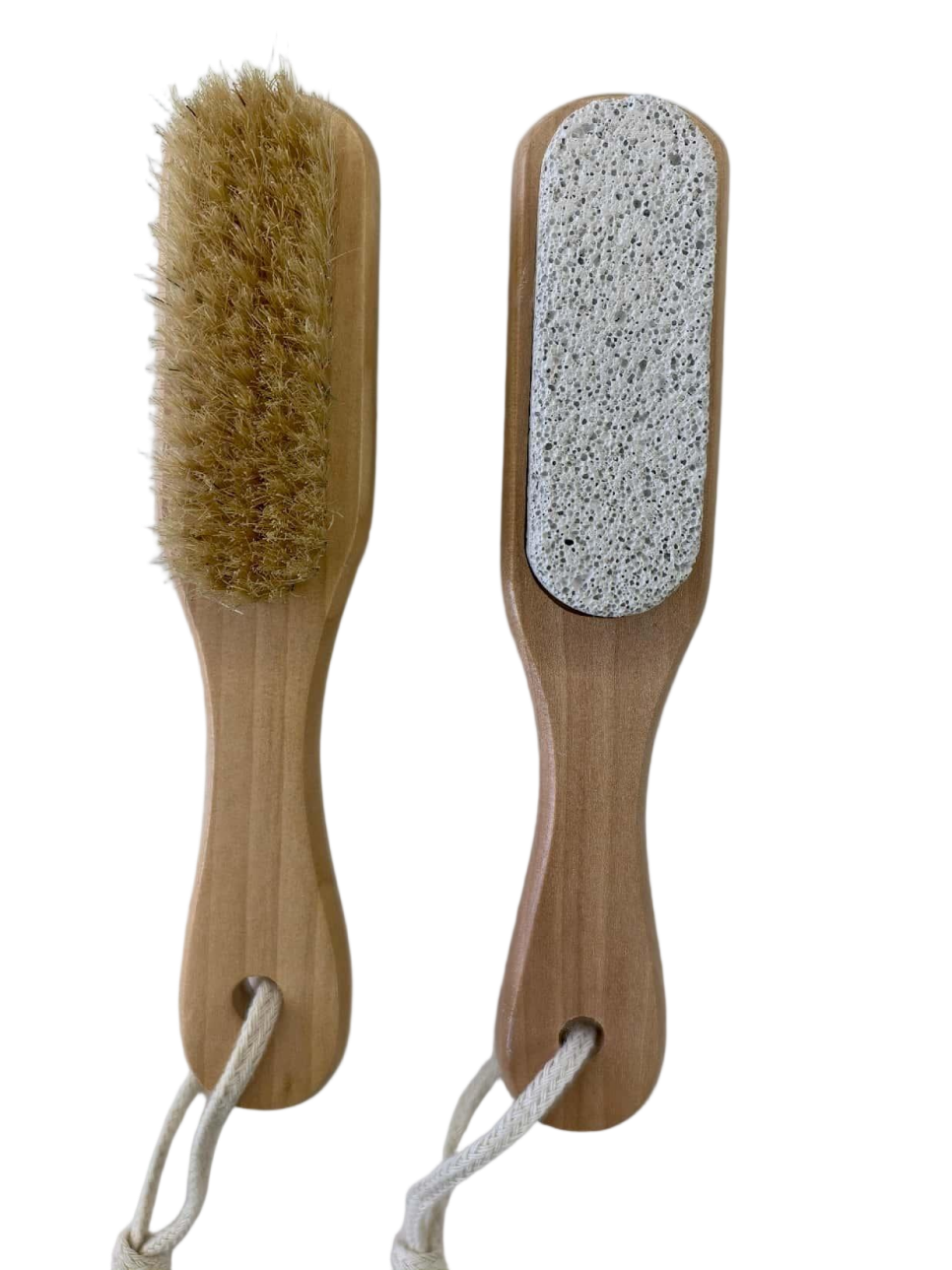
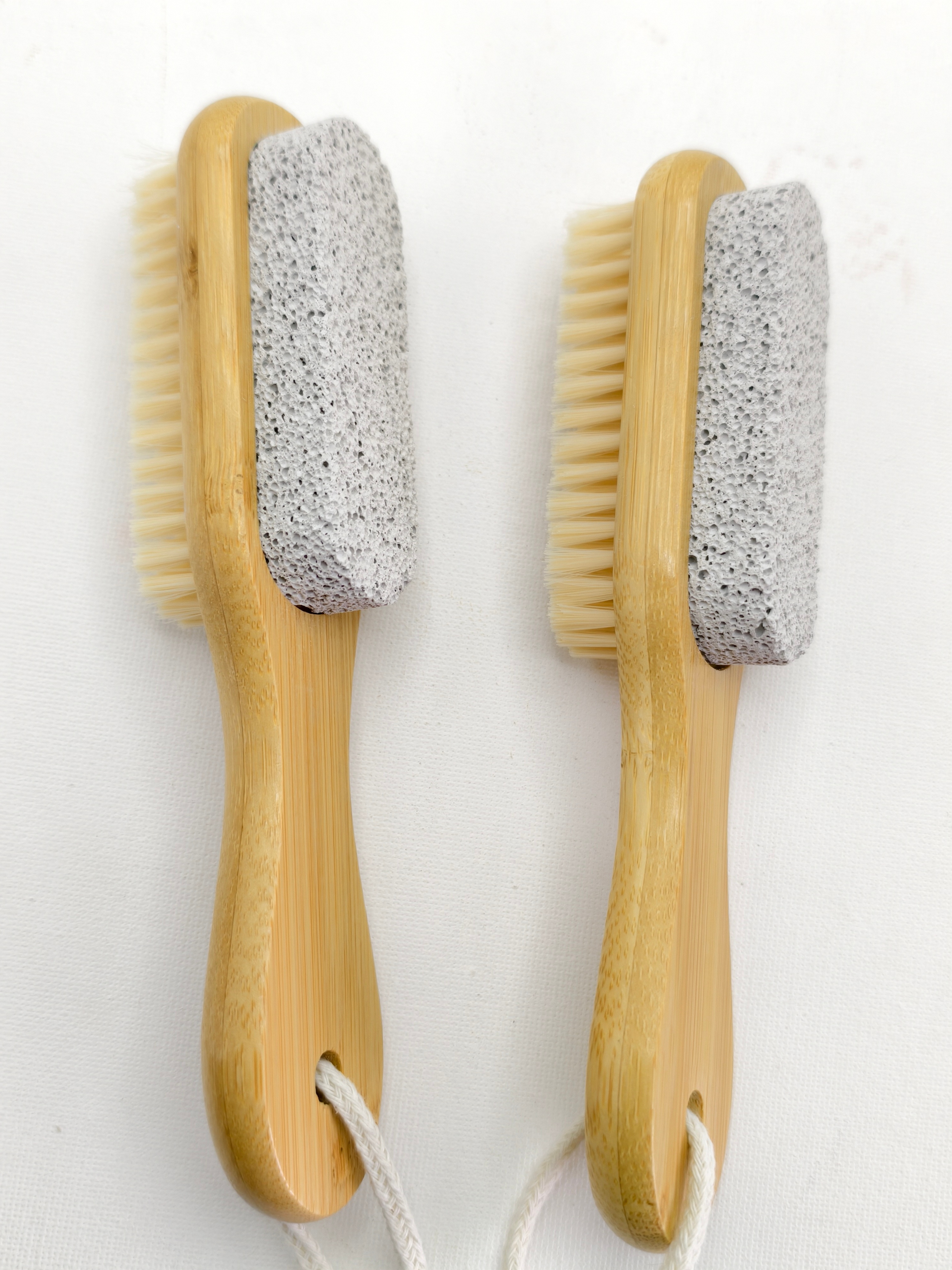
.jpg "long handle loofa bath brush")
.jpg "long handle loofa bath brush")


