

 En
En
 English
 Français
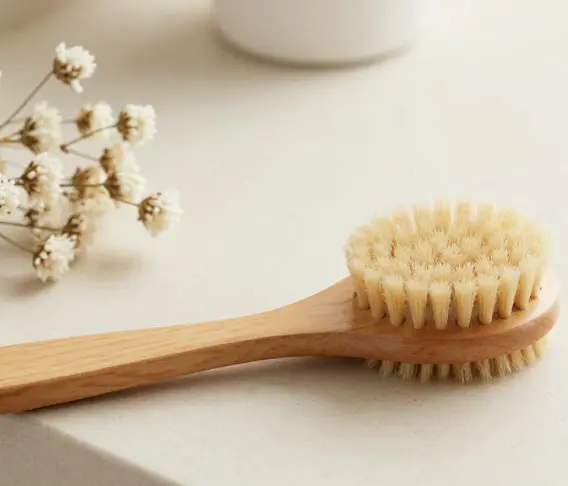
Your body brush has been hanging next to the shower for weeks. The bristles pick up dead skin cells, natural oils, and soap scum every time you use it. If you leave that residue on the brush, it turns into a breeding ground for bacteria, and the next time you scrub your skin you are spreading that buildup back onto your body. The fix is straightforward: clean your body brush on a schedule that matches the brush type and your usage. This guide covers when to clean, which methods to use, and how to store it so it lasts for years.
Content
Why Cleaning Your Body Brush Is Not Optional
A body brush works by physically rubbing away dead skin and debris. Those particles do not disappear; they stay in the bristles. Add water, soap, and heat from the bathroom, and you create an ideal environment for mildew and odor-causing bacteria.
Different brush materials react differently. Natural bristles absorb moisture and are softer, while synthetic bristles shed more quickly when they are clogged. Wooden handles can warp or crack if they soak in water too long. This is why a quick rinse and a proper dry are just as important as the cleaning product you use.
How Often Should You Clean Your Body Brush?
The answer depends on the type of brush and how often you use it. As a general rule, rinse your brush after every use and do a deep clean at least once a week. For dry brushes that never touch water, a soft brushing after each session plus a monthly deep clean is enough. Loofah and sponge brushes need a more aggressive schedule because they trap more moisture.
How to Clean Your Body Brush: Three Methods
Pick one of these methods based on how dirty the brush is. You can combine them for a deeper clean.
| Method | Best For | Time |
|---|---|---|
| Light rinse | After each use | 1 minute |
| Deep soak | Weekly maintenance | 5–10 minutes |
| Disinfecting spray | Occasional hygiene boost | 2 minutes |
Light Rinse
- Hold the brush under lukewarm running water with the bristles facing down.
- Use your fingers to gently loosen any trapped soap or debris.
- Shake off excess water and hang the brush to dry with bristles pointing down.
Deep Soak
- Fill a bowl with lukewarm water and add a few drops of mild dish soap or castile soap.
- Remove the head from the handle if the brush is detachable.
- Submerge only the bristles for 5 to 10 minutes, not the wooden handle.
- Rinse the bristles thoroughly under running water.
- Pat dry with a towel and allow to air dry completely before reuse.
Disinfecting Spray
- Mix a spray bottle with water and a few drops of tea tree oil or a diluted vinegar solution.
- Lightly mist the bristles after cleaning.
- Let it sit for 2 minutes, then rinse and dry as usual.
Drying and Storage: The Make-or-Break Step
Even a perfectly cleaned brush will deteriorate if it stays wet. Wooden handles absorb water, which can cause cracks and splinters. Natural bristles become stiff and brittle when they are left damp. A simple drying routine changes everything.
- Always hang the brush with bristles pointing down after use, so water does not pool at the base.
- Do not store the brush on the floor of a wet shower; choose a dry area with good air circulation.
- If you use a travel brush, keep it out of a sealed bag until it is completely dry.
- Avoid soaking the handle in water. If it does get wet, wipe it off and let it air dry upright.
Signs That Your Brush Needs Replacing
Cleaning extends the life of your brush, but no brush lasts forever. Watch for these signs.
- Bristles are shedding or falling out in clumps.
- The bristles splay outward and no longer spring back.
- A musty smell remains even after a deep clean.
- The wooden handle feels rough, soft, or shows visible cracks.
- Mold or dark spots appear on the head or handle.
Choosing a Body Brush That Is Built to Last
A good brush is easier to clean. Look for a detachable head that allows quick rinsing and drying, a smooth bamboo or wood handle that repels moisture, and natural bristles that do not clog as easily as synthetic fibers. A long handle also makes self-back scrubbing better, but a round handheld brush gives more control for targeted exfoliation.
If you are starting a dry brushing routine, choose a brush with firm natural bristles and a handle that you can separate from the head. If you want one brush for both wet and dry use, a durable wet and dry body brush with a bamboo handle is a smart option.
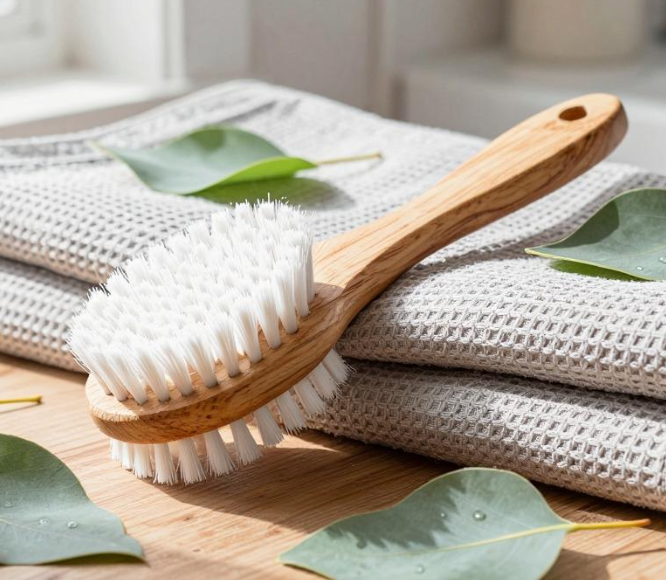
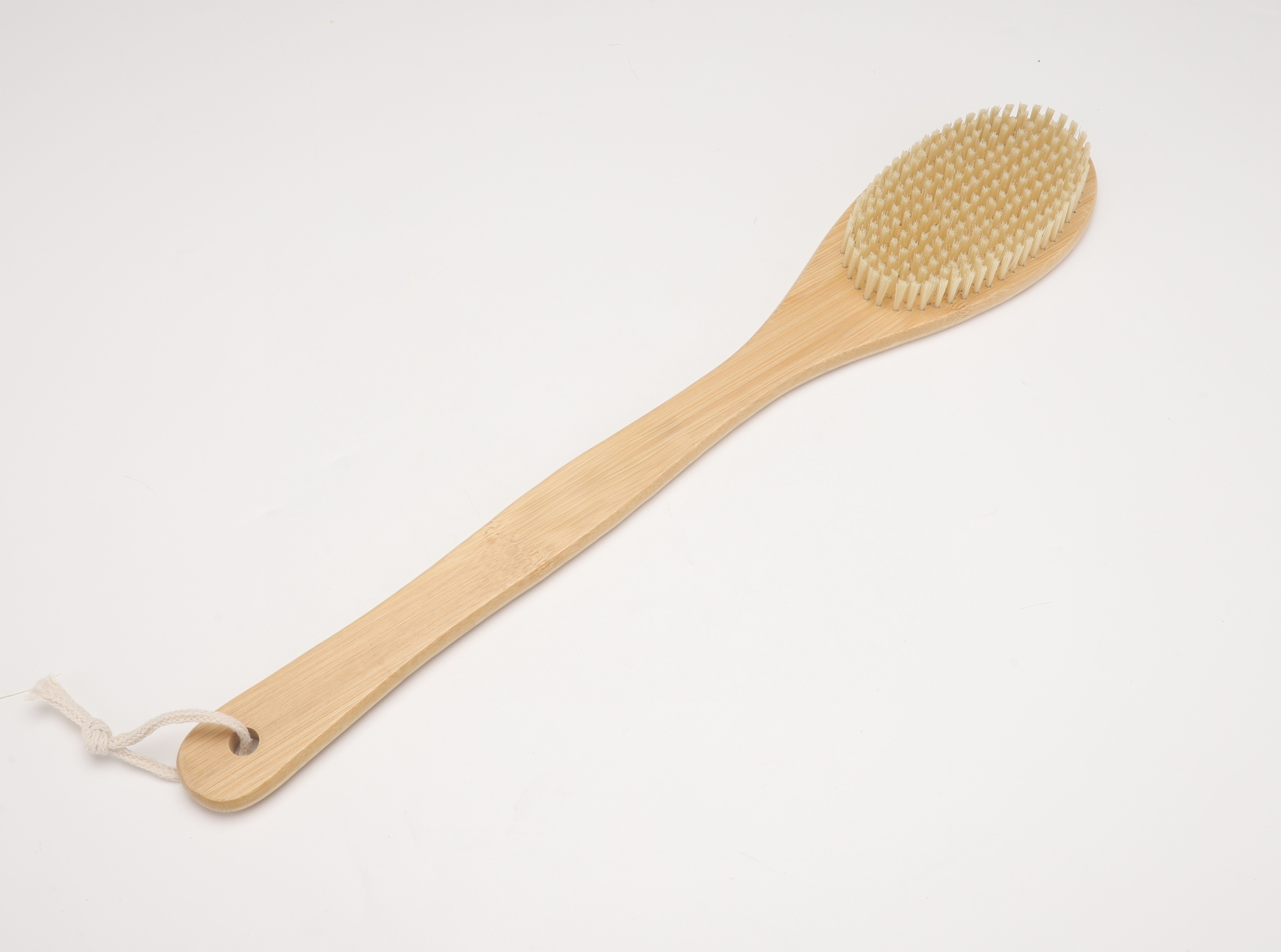 Long-Handled Bamboo Bath Brush for Wet and Dry UseThis brush features a bamboo handle and PP hair bristles, making it suitable for both wet and dry skin. Its long handle helps reach shoulders, back, and feet, ideal for starting a dry brushing routine.View Product →
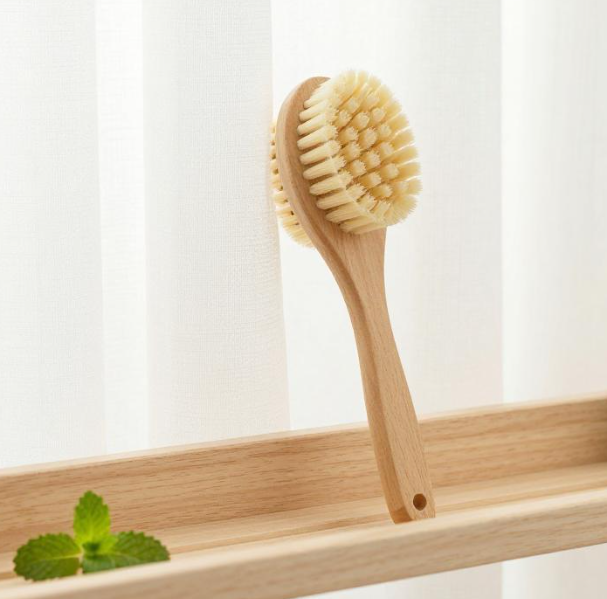
 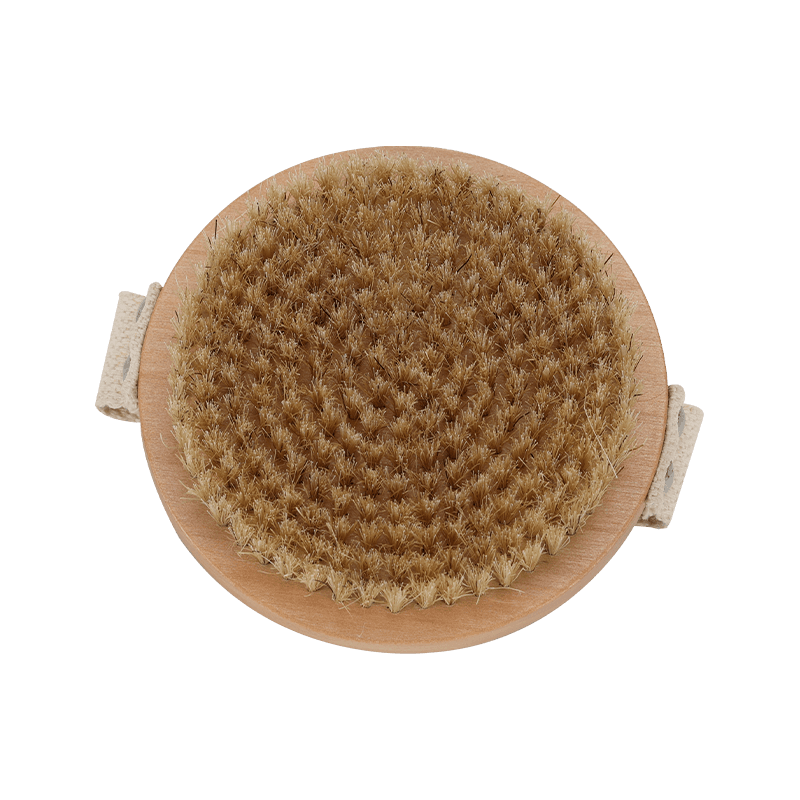 Round Handheld Exfoliating Brush with Natural BristlesA compact brush with strong and medium-soft natural bristles that gently exfoliate without damaging skin. Its non-slip canvas strap ensures a secure grip, perfect for targeted dry brushing and cellulite reduction.View Product →
 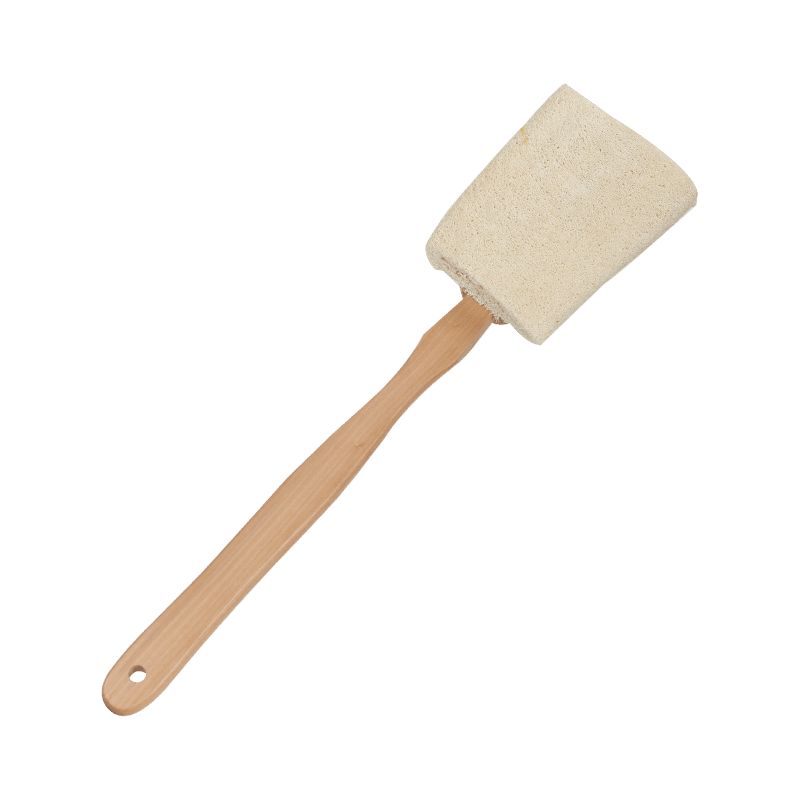 Natural Loofah Exfoliating Brush with Detachable HandleMade from pure natural loofah sponge, this brush softens when wet to gently exfoliate and smooth skin. Its sturdy mortise-and-tenon joint keeps the handle firmly attached, suitable for both men and women in shower or dry use.View Product →
Frequently Asked Questions
Q1: How do I clean a body brush?
Rinse it under lukewarm water after each use, and do a deep clean with mild soap at least once a week.
Q2: How often should I clean my body brush?
Rinse after every use. Deep clean weekly for daily or frequent usage, and monthly for occasional use.
Q3: Can I use vinegar to clean my body brush?
Yes. A diluted vinegar solution is effective, but always rinse thoroughly afterward so the vinegar smell does not linger.
Q4: How do I dry a wood handle body brush?
Wipe the handle dry after cleaning, then hang the brush with bristles down in a well-ventilated place.
Q5: How long does a body brush last?
With regular cleaning, a quality brush can last 6 to 12 months. Replace it sooner if bristles shed or handle cracks.
Q6: Is dry brushing good for sensitive skin?
It can be beneficial if you use a soft brush and apply light pressure. Stop if you notice redness or irritation.

.png "mini bamboo nail brush")
.jpg "long handle loofa bath brush")
.jpg "long handle loofa bath brush")


